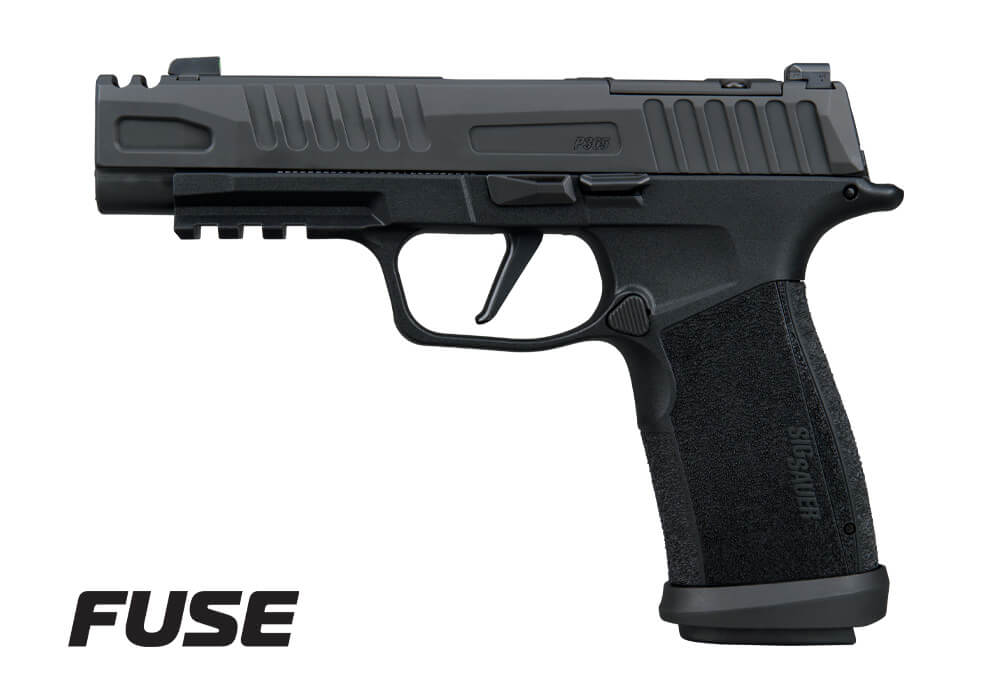
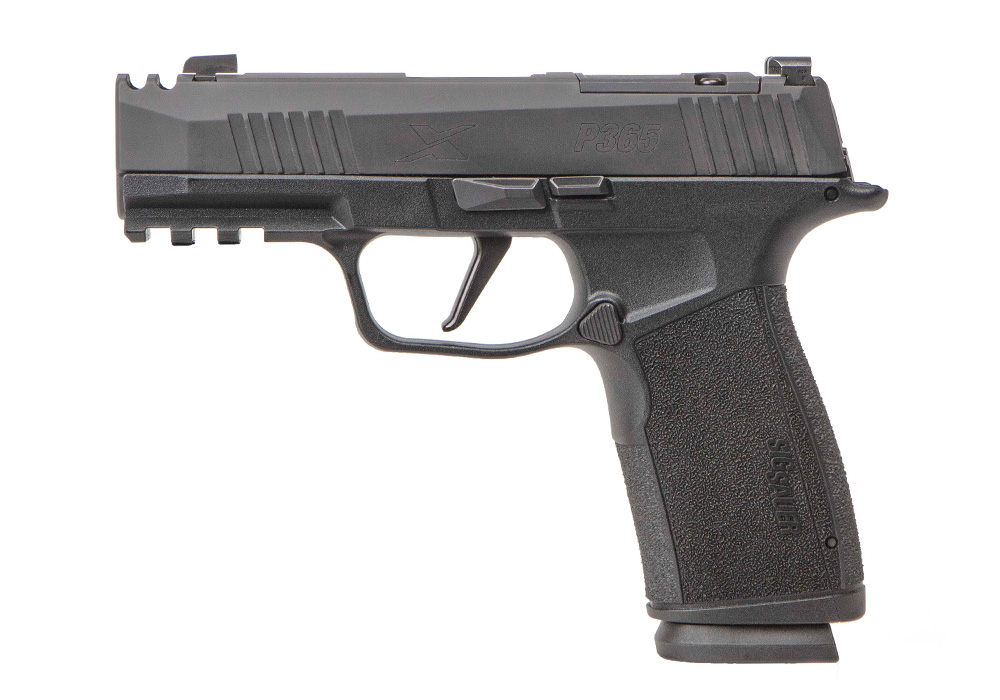
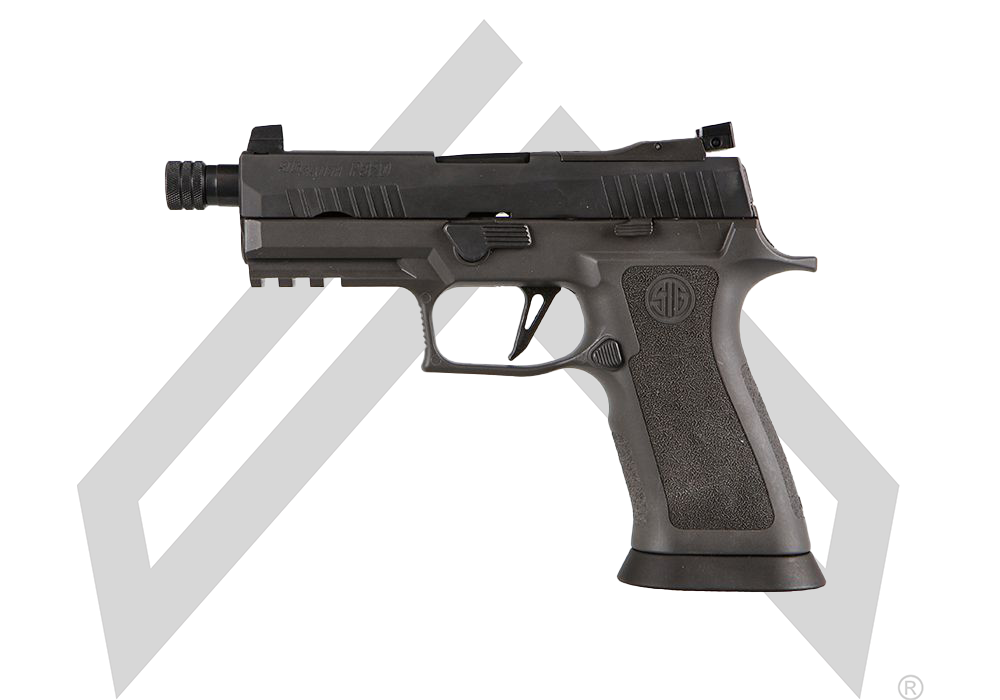
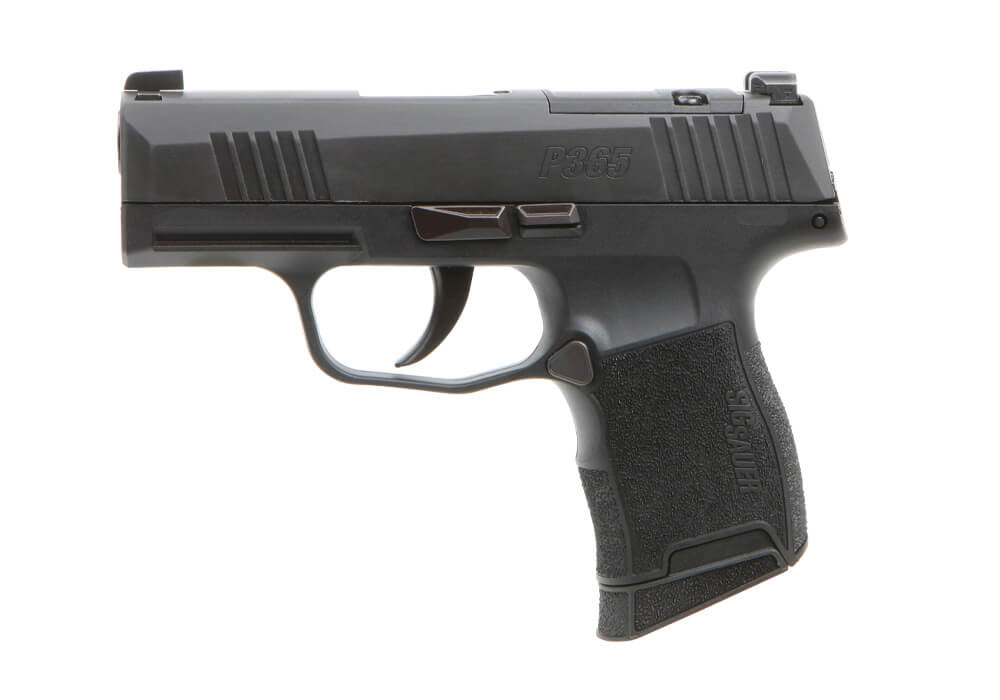
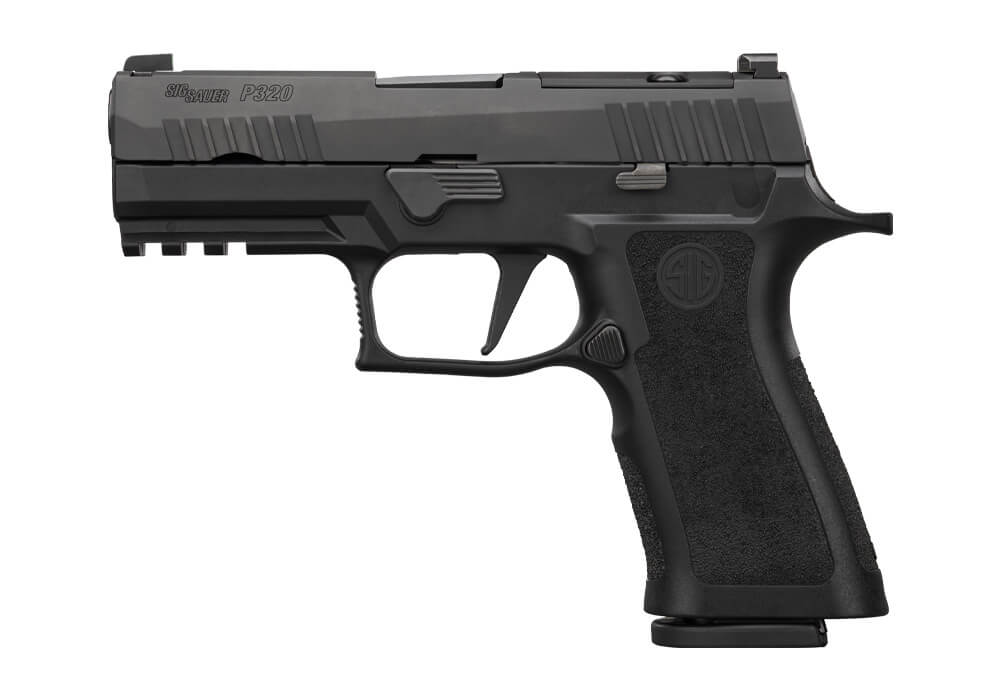
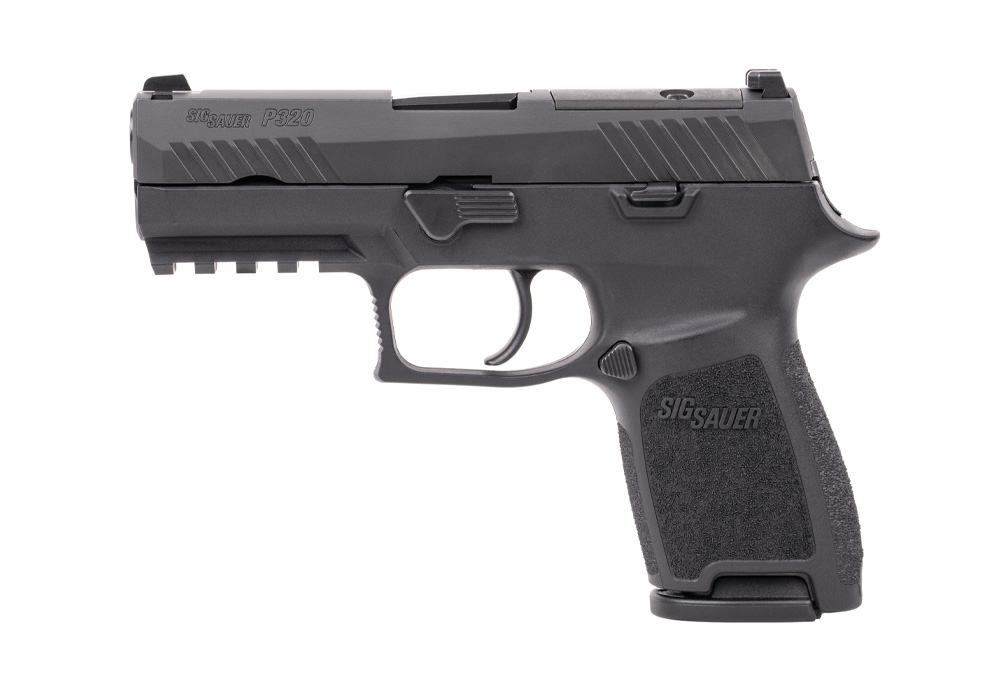
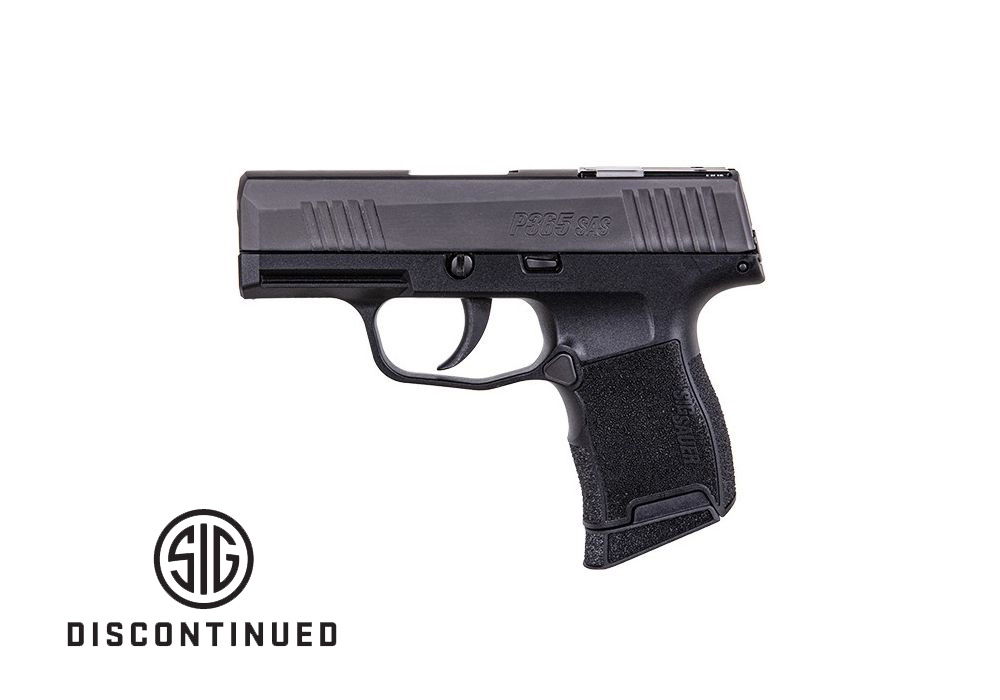
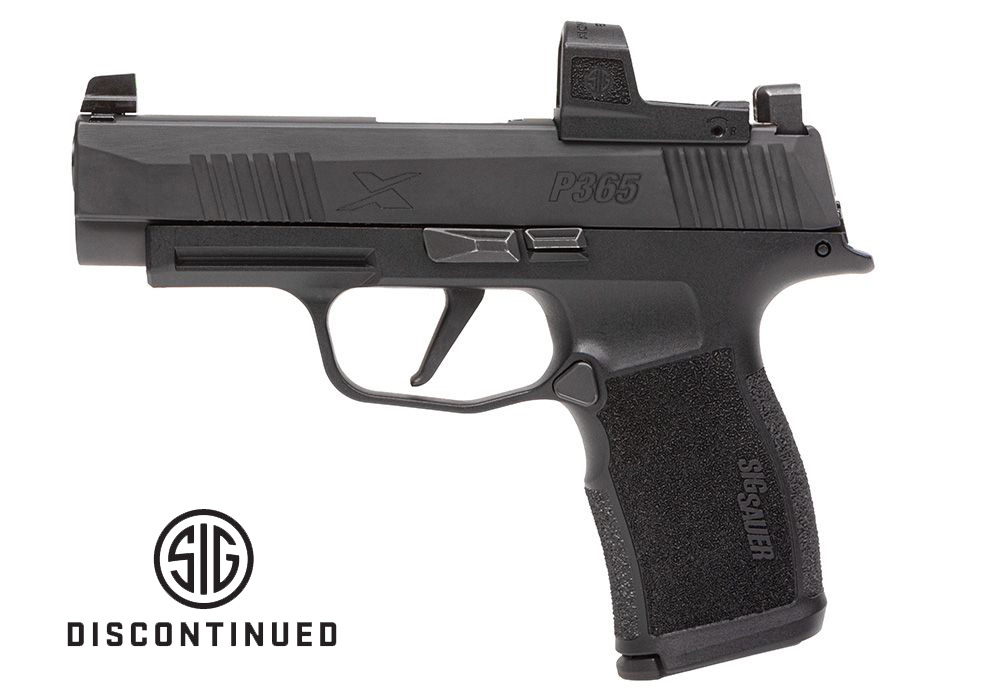
Handguns with reliable striker fired actions are valued for their consistent operation, straightforward controls, and streamlined profiles. Instead of relying on an exposed hammer, a striker-fired design uses an internal spring-loaded firing mechanism to initiate the primer. That arrangement typically gives the shooter a similar trigger feel from one shot to the next, while the smooth exterior helps reduce snag points during a careful draw from a holster. For many owners, the appeal is practical: fewer external controls to manage, a familiar manual of arms, and a design that can serve well for practice at the range, lawful personal protection, or structured defensive training. Reliability is never something to assume solely from a product category, however. It depends on sound design, proper maintenance, suitable ammunition, a secure grip, and consistent handling. A new handgun should be readied according to its owner’s manual, inspected by a qualified professional when appropriate, and tested at a safe range with the ammunition and magazines intended for regular use. That initial range session is where a shooter can learn how the sights track, how the trigger feels under deliberate pressure, and whether the grip remains comfortable through a longer practice session. A pistol that feels natural after several magazines is often easier to operate with confidence than one selected only by appearance or reputation.
Size and fit are among the most important considerations when comparing these handguns. Compact frames can be easier to carry discreetly and may feel nimble in the hand, while full-size frames often provide a longer sighting plane, a more substantial grip, and additional weight to help soften felt recoil. Subcompact options can be convenient for experienced carriers, yet their shorter grips and smaller controls may require more attention to grip technique. A person with larger hands may prefer a wider or longer grip, while someone with smaller hands may benefit from interchangeable backstraps or a reduced circumference. Trigger reach, slide serration shape, sight visibility, and the position of the magazine release all deserve hands-on attention before purchase. Consider the clothing and holster system that will be used, the amount of practice planned, and whether the handgun will be carried, secured at home, or transported to a range. A reliable striker fired action is only one part of a complete setup. A rigid holster that fully covers the trigger area, secure storage that limits access to unauthorized users, eye and ear protection, and a supply of dependable training ammunition all contribute to responsible ownership. Those shopping for a 9mm option can browse 9mm Striker Fired Pistols while comparing frame dimensions, sight configurations, grip features, and intended use. Local laws can govern purchase, possession, transport, storage, and carry, so checking current requirements and completing any required dealer process should be part of the selection.
These handguns may suit a first-time owner working with a qualified instructor, an experienced range shooter refining fundamentals, or a lawful carrier seeking a familiar platform for everyday use. They can also be considered as a gift, but a firearm should never be presented as a surprise. The recipient’s preferences, training level, hand fit, and legal eligibility matter, and the purchase should follow all applicable transfer requirements through the proper channel. During the cooler months, a thoughtful owner may have more opportunities to spend time indoors reviewing safe-handling procedures, inspecting equipment, and planning structured range practice before heading outside. Dry practice can support trigger control and presentation skills when performed with an unloaded handgun in a controlled setting, away from ammunition and with a safe direction established, but it should follow the manufacturer’s guidance and instruction from a qualified professional. Live-fire practice should begin slowly, with attention on a high, firm grip, a steady stance, clear sight alignment, and deliberate trigger movement. Over time, those quiet repetitions can turn a new purchase into a familiar tool rather than an object that sits untouched in a case. Clean the handgun at the intervals recommended by its manufacturer, inspect magazines and springs, and watch for unusual wear or changes in function. Any concern about operation calls for a pause in use and evaluation by a competent gunsmith or qualified service professional. The best choice among handguns with reliable striker fired actions is the one that fits the owner, supports responsible training, works with a secure storage plan, and inspires steady respect every time it is handled.