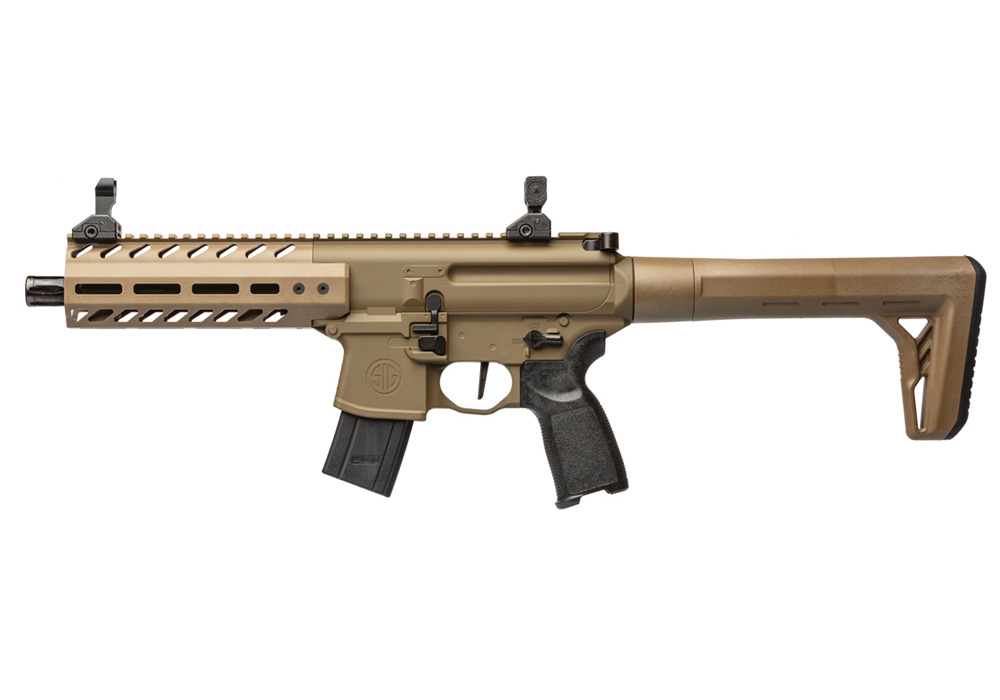
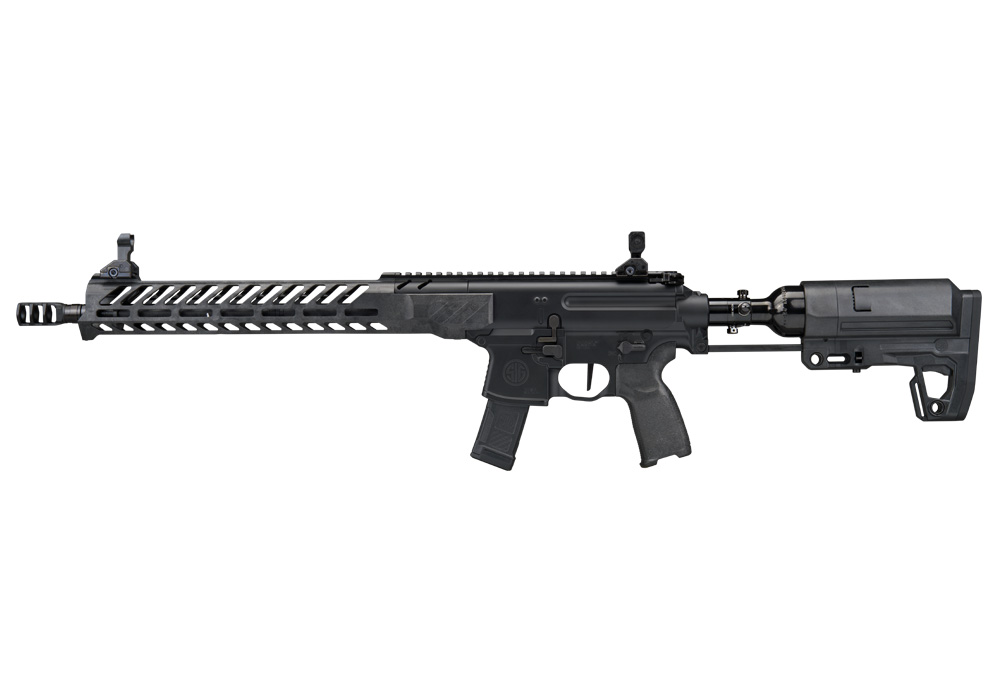
High accuracy pellets are selected for consistency, compatibility, and the way they perform through a particular airgun. Even a well-tuned rifle or pistol can show noticeably different results when pellet diameter, weight, shape, or material changes, so the best choice is rarely determined by appearance alone. Caliber is the first consideration: a pellet must match the airgun’s specifications, such as .177, .22, or another designated caliber, and it should seat properly without excessive force or looseness. From there, weight becomes an important part of the equation. Lighter pellets can produce a flatter trajectory at shorter distances and may suit target practice with a lower-powered airgun, while heavier pellets often retain momentum more effectively and can be less affected by a crosswind as distance increases. A pellet’s profile also influences its intended use. Flat-nose wadcutter designs are popular for paper targets because they cut clean, easy-to-score holes, while rounded domed designs are often chosen for their balanced flight and reliable performance across a variety of outdoor shooting applications. Pointed and hollow-point styles may be considered for pest control or small-game use where permitted, but the airgun, local regulations, and ethical standards should always guide that decision. Browsing the selection of Airgun Performance Pellets makes it easier to compare options by caliber, construction, and intended application before placing an order.
The small details matter when the goal is a tight group. Pellets made with consistent dimensions and carefully controlled weight tend to produce more predictable results, especially when shooting at extended distances or working on a precise hold. Head size can be just as important as nominal caliber; two pellets marked for the same airgun caliber may engage the rifling differently because of slight variations in diameter. A good fit helps the pellet align with the bore and take the rifling cleanly, while an inconsistent fit can lead to flyers that seem unexplained until the ammunition is changed. Airgun shooters often keep a few pellet styles on hand and test them from a stable rest, using the same distance, sight settings, and shooting position for each comparison. That process can reveal a clear preference in a single barrel. One rifle may group best with a medium-weight domed pellet, while another performs better with a heavier option or a slightly different head size. Pay attention to group size rather than one impressive shot, and record the results so a promising combination can be found again. Pellets should also be inspected for damaged skirts, dents, or visible deformities before loading. Clean, dry storage in the original container helps protect their shape and reduces the chance of contamination from moisture, dust, or oils. For shooters who spend cooler afternoons at the range or set up a target lane in the backyard where local rules allow, these habits make each session more productive and help turn careful practice into repeatable performance.
High accuracy pellets can be a practical addition for a wide range of shooters, from someone learning the fundamentals of sight alignment and trigger control to an experienced competitor refining groups at distance. They are useful for recreational target shooting, field-target practice, backyard plinking in an appropriate and lawful setting, and airgun hunting applications where both the equipment and the activity comply with local requirements. They can also make a thoughtful gift for an adult airgun owner, particularly when the recipient’s caliber and preferred shooting style are known. A selection intended for paper targets may be ideal for a family member who enjoys setting up reactive targets and keeping score, while a variety of carefully matched weights can appeal to someone who spends time testing different rifles and tuning their setup. Because pellet preference is personal, gift buyers should confirm the airgun’s caliber before choosing, and when in doubt, a well-matched assortment is often more useful than a large quantity of one unfamiliar style. Safe handling remains essential: treat every airgun as loaded, keep the muzzle pointed in a safe direction, use an appropriate backstop, wear suitable eye protection, and store ammunition securely away from children and unauthorized users. During the warmer part of the year and through the cooler months, reliable pellets support relaxed practice, focused competition preparation, and responsible outdoor shooting with the consistency needed to make every shot count.