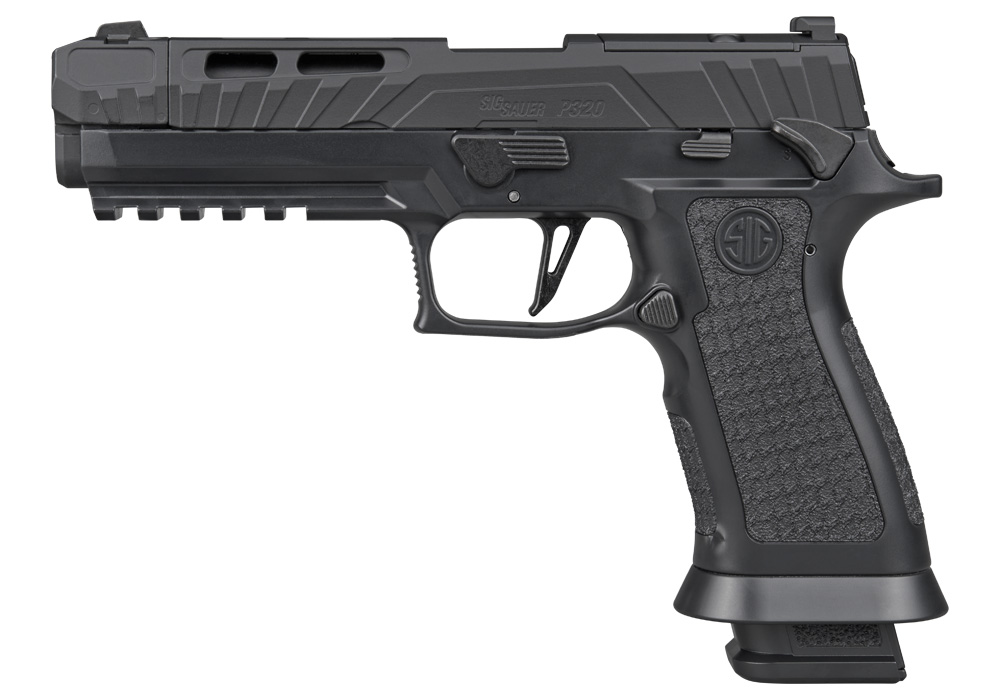
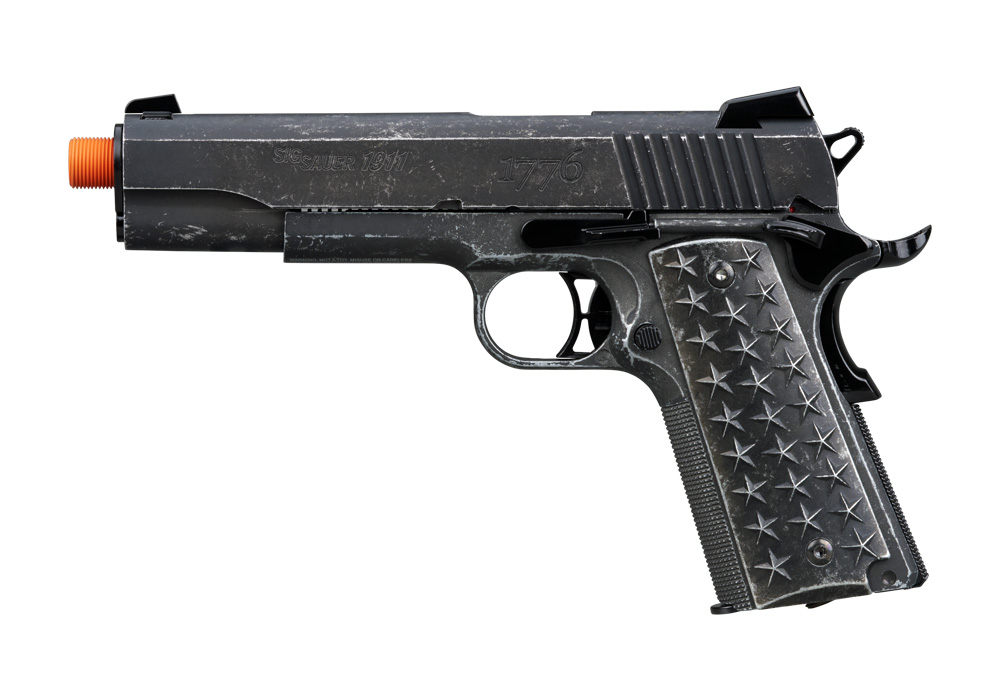
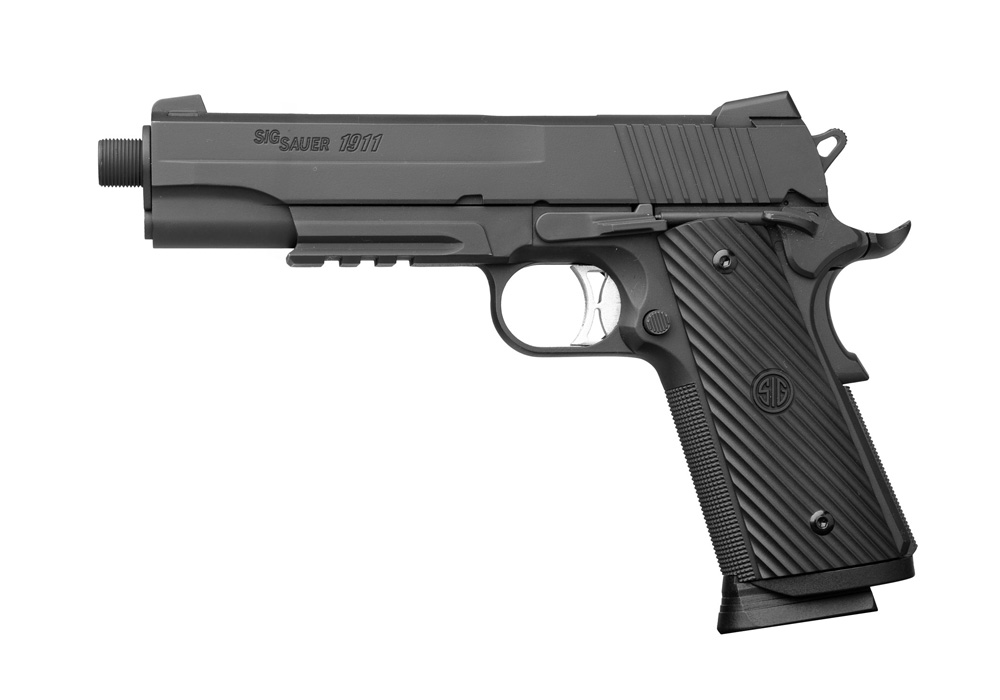
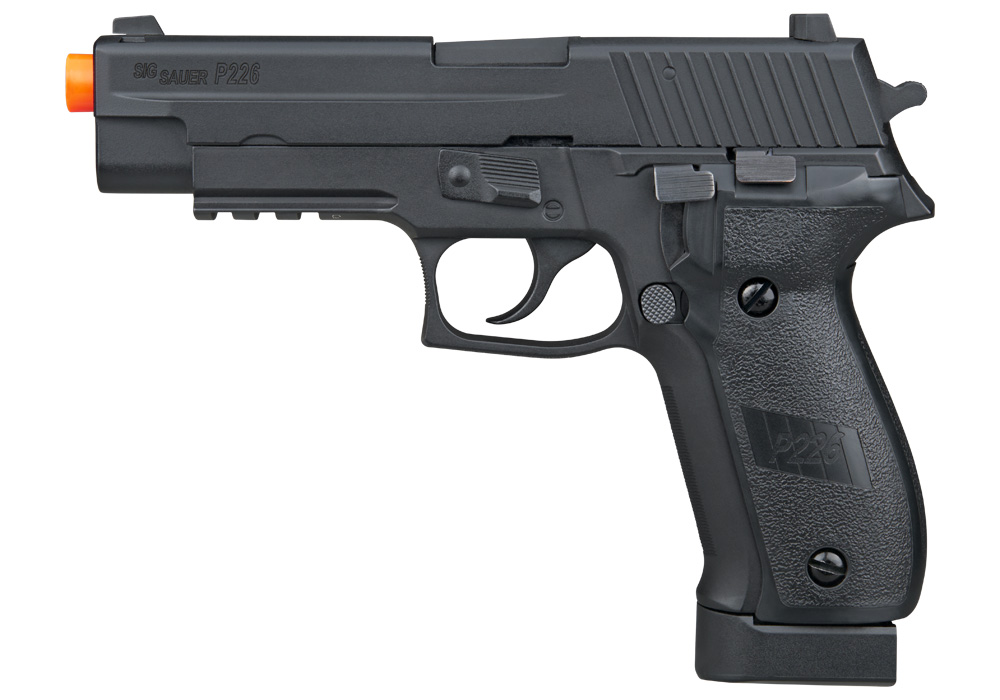
High accuracy pellet air pistols are designed for repeatable shot placement, combining a well-fitted barrel, consistent propulsion, usable sights, and a trigger that supports controlled shooting. Their appeal is easy to see on a paper target: a compact cluster of clean holes gives a shooter a useful record of sight alignment, hold, and follow-through. Precision describes how closely shots group together, while accuracy also depends on whether that group lands at the intended point of aim. Both matter when comparing target-oriented air pistols. A rifled barrel imparts spin to a compatible pellet, helping stabilize its flight, but barrel quality alone does not determine results. Pellet fit, ammunition uniformity, sight adjustment, and the shooter’s technique all contribute. Flat-head wadcutter pellets are particularly useful for short-range paper targets because they leave distinct holes that are easier to evaluate. Domed pellets can suit longer target distances, although the best match depends on the individual barrel and the manufacturer’s specifications. Consistency matters more than selecting ammunition solely for its advertised speed. The propulsion system also shapes the shooting experience. Pre-charged pneumatic pistols use stored compressed air and can provide multiple shots between fills; regulated designs help maintain working pressure within their intended operating range. Single-stroke pneumatic pistols compress air through one cocking cycle per shot, offering a self-contained option for deliberate target practice without a separate gas cartridge. CO2-powered pellet pistols offer another approach, often with familiar controls and convenient operation, though shot consistency can change as the gas supply is consumed or firing pace increases. None of these systems guarantees a particular group size, and higher velocity is not automatically an advantage for precision work. For 10-meter paper shooting and other short-range target applications, predictable operation, suitable pellets, and a clear sight picture often have greater practical value than maximum speed. A pistol that performs consistently gives the shooter a better foundation for recognizing small improvements instead of wondering whether a widening group reflects technique or changing equipment behavior.
Fit and handling become especially important when the target is small and every movement at the muzzle is visible on paper. Grip dimensions, grip angle, trigger reach, and overall balance influence whether a shooter can maintain a comfortable hold without twisting the wrist or stretching the trigger finger. A heavier pistol may feel settled during a brief string, while a lighter design may be easier to hold through a longer session; neither characteristic is universally better. The useful balance is the one that supports steady alignment without unnecessary fatigue. Textured grip surfaces can improve purchase, while thoughtfully shaped contact areas help distribute pressure across the hand. Where adjustable grips or trigger settings are present, their value lies in accommodating the shooter within the manufacturer’s permitted adjustment range. A predictable trigger with a clearly defined release helps preserve the sight picture, but an unusually light setting is not a substitute for safe handling or sound technique. Sights deserve equal attention. Adjustable rear sights allow windage and elevation corrections so the group can be centered for the chosen pellet and distance. A sharply defined front sight and a rear notch that suits the shooter’s vision can make small alignment errors easier to recognize. For pistols that support an optic, the mounting interface, clearance, and secure attachment matter as much as the aiming device itself. Materials influence everyday feel and long-term serviceability, too. Metal components can provide rigidity and a substantial handling feel, while durable polymer components can reduce weight and offer comfortable contours. Surface finishes help protect exposed parts, but they do not eliminate the need for sensible care. Buyers comparing Premium Pellet Pistols may find that a manageable grip, readable sights, and a repeatable trigger provide more lasting satisfaction than appearance alone. On a small bullseye, the practical difference is often a pistol that remains comfortable and predictable through the final shots of a session.
Precision pellet air pistols suit recreational target shooters, enthusiasts who enjoy measuring groups, and eligible beginners learning under qualified supervision. Some designs support formal target disciplines, while others are better suited to informal paper-target sessions at an appropriate range. Competition use depends on the rules of the specific event, not simply on a pistol’s appearance or an accuracy claim. For someone who already practices with firearms, an air pistol can provide another setting for working on sight alignment, controlled trigger movement, and follow-through. Those benefits do not mean it duplicates a firearm’s recoil, controls, or operating requirements, and the distinction matters when setting training expectations. A satisfying practice session might involve several carefully paced groups on separate aiming marks, with enough consistency to see whether a small change in grip improves the result. A suitable shooting area is essential: pellet air pistols require safe muzzle direction, eye protection, a clear firing area, and a secure backstop or pellet trap rated for the equipment being used. Indoor use is appropriate only where permitted and where the space is specifically suitable for airgun shooting; ordinary walls, household objects, and improvised targets are not dependable containment. Responsible ownership continues between sessions. Manufacturer-recommended cleaning and lubrication help preserve barrels, moving parts, and seals, while unsuitable oils or excessive lubricant can interfere with operation. Gas cartridges, compressed-air reservoirs, and filling equipment require handling according to their specific instructions and pressure limits. Secure storage should prevent unauthorized access, and pellets and accessories should remain organized so the correct ammunition is easy to identify. Following ammunition handling directions and washing hands after handling lead pellets are also sensible habits. As a gift for an eligible adult target-shooting enthusiast, an accuracy-focused pellet pistol is most appropriate when its fit, operating system, and intended use match the recipient’s experience and access to a suitable range. Thoughtful selection favors lasting enjoyment: comfortable handling, reliable operation, maintainable components, and the quiet satisfaction of seeing a carefully aimed group settle close to the center.