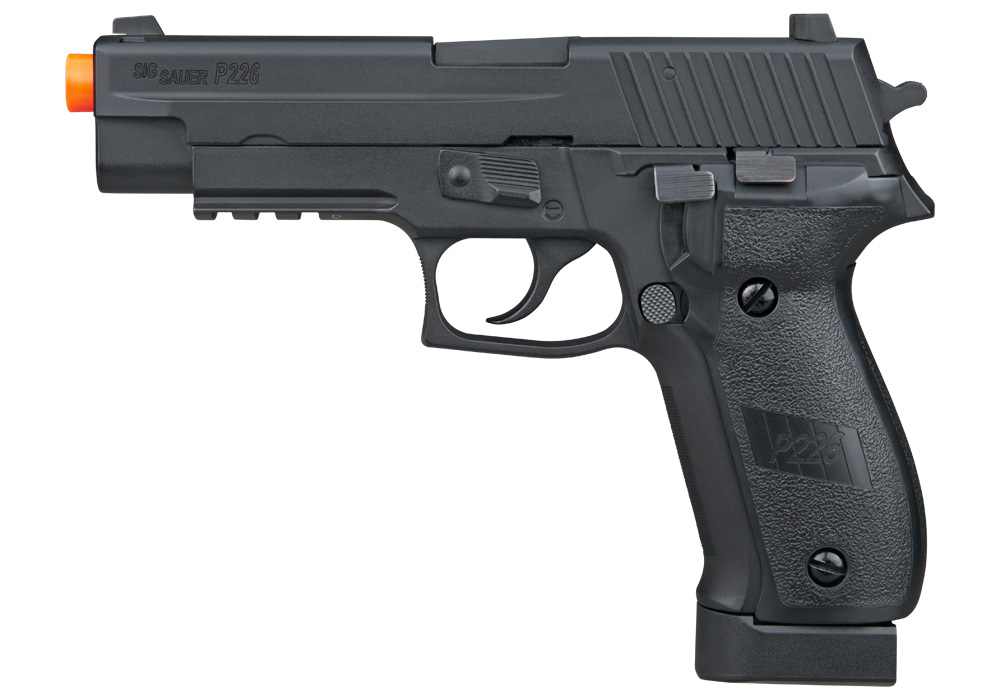
Realistic air pistols are designed to deliver the familiar feel and appearance of a handgun while using compressed gas or spring-powered air instead of conventional ammunition. Many CO2-powered models use standard 12-gram cartridges and are built with details that make practice feel more natural, including a familiar grip angle, functional controls, a weighted frame, and, on selected designs, blowback action that moves the slide after each shot. That movement adds visual and tactile feedback, while a balanced build can make the pistol feel more like the type of handgun a shooter already owns or intends to learn. Depending on the design, realistic air pistols may fire BBs or pellets, and that distinction matters when choosing a model. BB pistols are often well suited to casual target shooting, informal plinking, and basic familiarity with loading and aiming. Pellet pistols can offer a better fit for shooters who place greater emphasis on precision and grouped shots, making the selection of High Accuracy Pellet Air Pistols worth exploring alongside realistic replica options. Before purchasing, consider the intended setting, projectile type, power source, magazine design, trigger feel, sights, and the availability of replacement cartridges or magazines. A fixed-slide design may be simple and economical, while a blowback model can provide a more convincing shooting experience with additional movement and gas use. Materials also influence the experience: metal slides and weighted components can add substantial feel in the hand, while polymer frames may keep the overall weight closer to a modern service pistol and make extended practice more comfortable.
These air pistols can serve a wide range of responsible shooters. A new enthusiast may use one to become familiar with safe loading procedures, sight alignment, grip, and trigger control before moving on to more advanced training. An experienced owner may appreciate an economical way to work on presentation from a case or holster, sight tracking, and steady follow-through in a suitable practice area. They are also popular for recreational target shooting, especially when outdoor space, noise, or ammunition cost makes conventional range time less convenient. During the warmer part of the year, a properly arranged backyard range can turn a quiet afternoon into a satisfying practice session, with paper targets, reactive targets rated for airgun use, or a simple pellet trap set at a safe distance. During cooler months, an indoor range designed specifically for airguns can provide another option, provided the space has a secure backstop, adequate ventilation where required, and enough room to keep every shot contained. Realistic air pistols can make thoughtful gifts for adults who enjoy target sports, collecting replica designs, or learning the fundamentals of handgun handling. They are best given with the same care as any other shooting-related equipment, including a clear understanding of local laws, age requirements, safe storage, and the recipient’s access to an appropriate practice area. Their realistic appearance also means they should never be carried in public, displayed casually, or handled in a way that could cause confusion with a conventional firearm.
Choosing the right realistic air pistol begins with matching its features to the way it will be used. For casual plinking, a straightforward CO2 model with easy-to-load magazines and simple sights may be all that is needed. For practice that places more emphasis on handling, look for a design with familiar controls, a comfortable grip, a predictable trigger, and dimensions that support consistent presentation. Blowback models can make each shot feel more dynamic, although the moving slide may use CO2 more quickly than a fixed-slide design. A shooter who wants the tightest groups should pay attention to whether the pistol is designed for BBs or pellets, the quality of its sights, the consistency of its power source, and the adjustment range of the rear sight. Standard and extended-capacity magazine options may also affect how often a shooter needs to pause and reload, while spare magazines can keep a practice session moving. Eye protection is essential, and a safe setup should always include a reliable backstop, a clear understanding of what lies beyond the target, and a strict rule that the pistol remains pointed in a safe direction. Treat every realistic air pistol as though it were loaded, keep fingers outside the trigger guard until ready to fire, and store the pistol, projectiles, and CO2 cartridges securely away from unauthorized users. With the right combination of fit, function, and safe habits, a realistic air pistol can provide approachable target practice, useful handling familiarity, and enjoyable recreation through changing seasons.