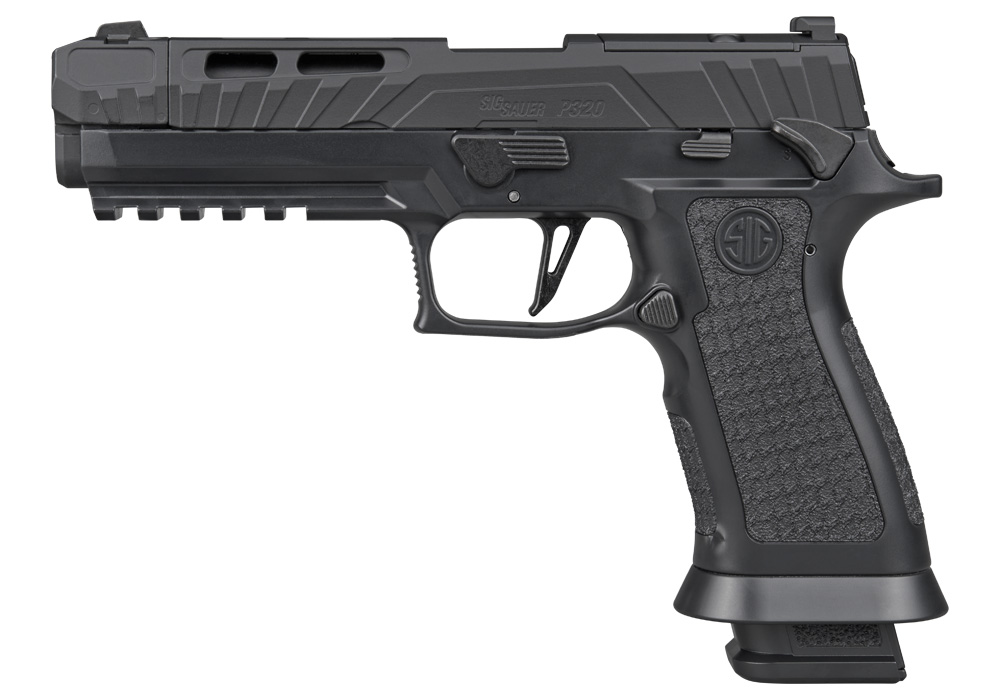
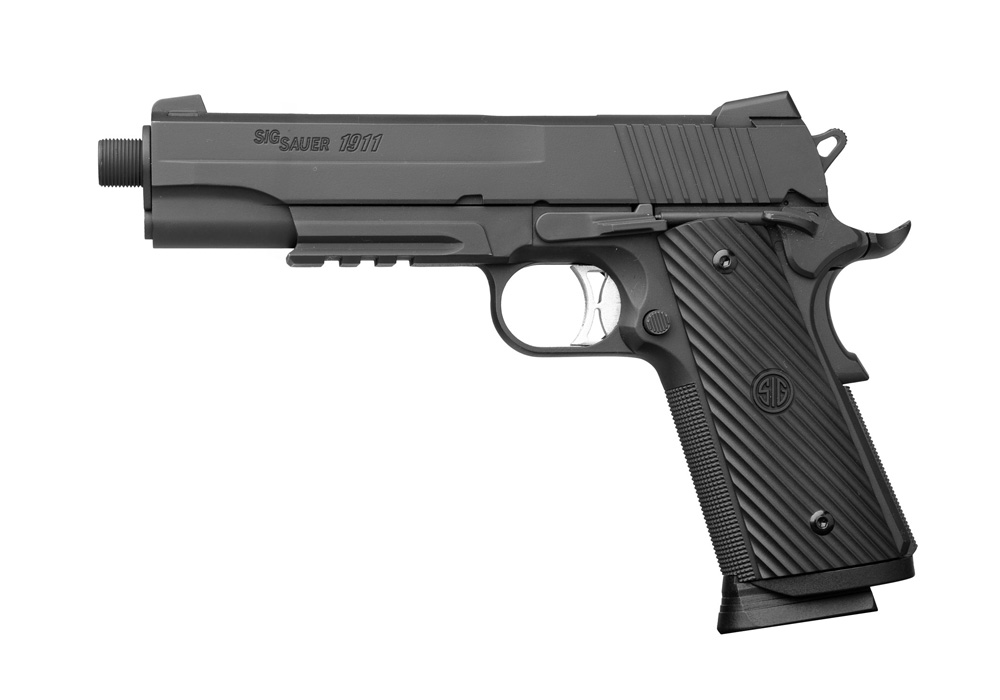
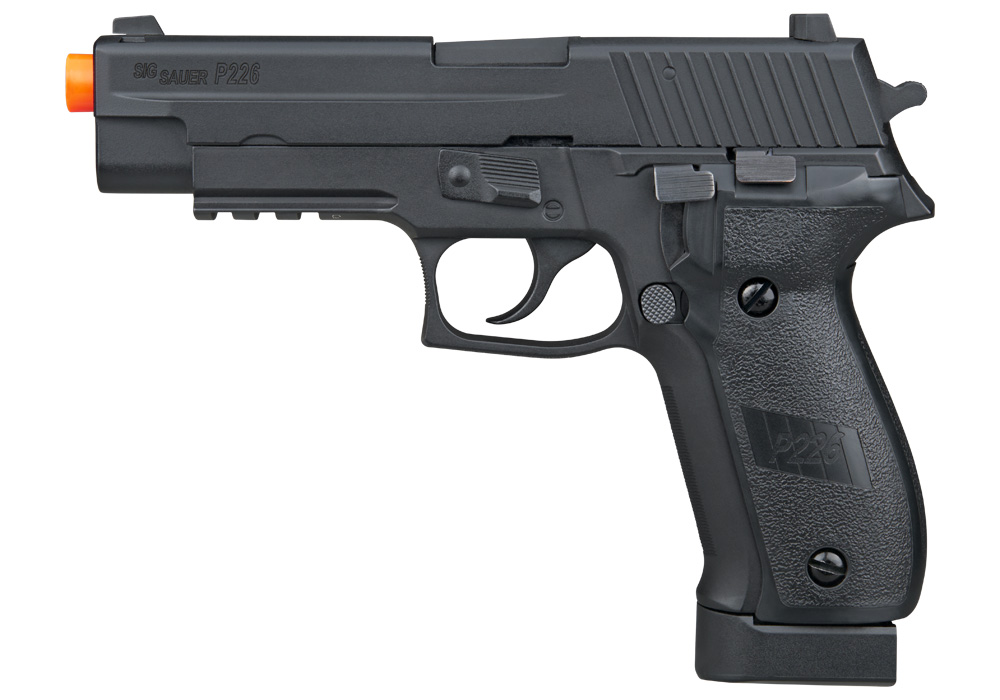
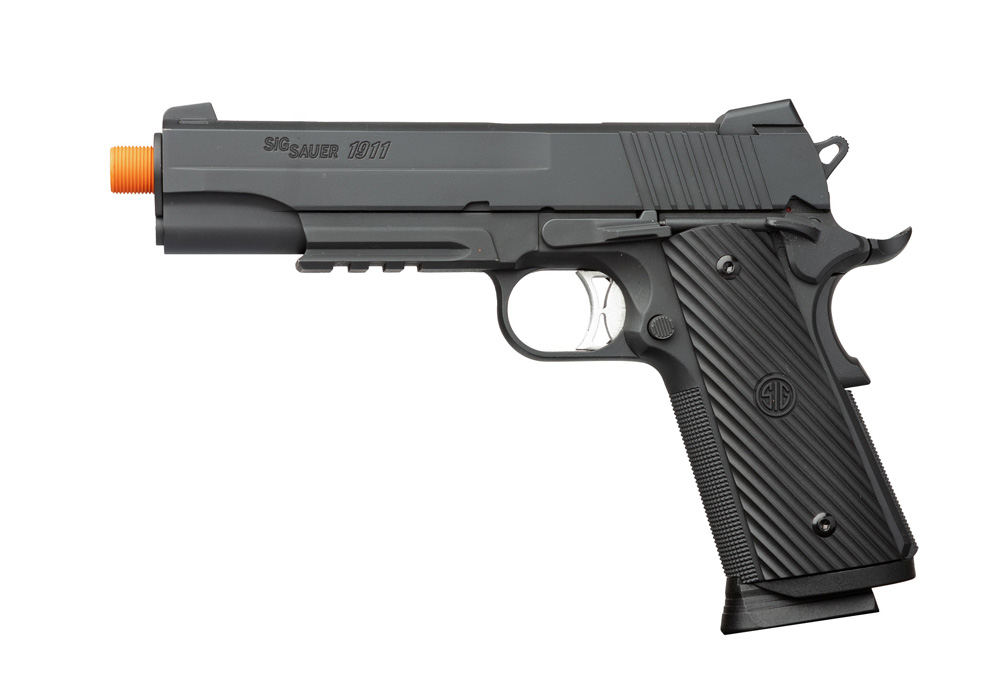
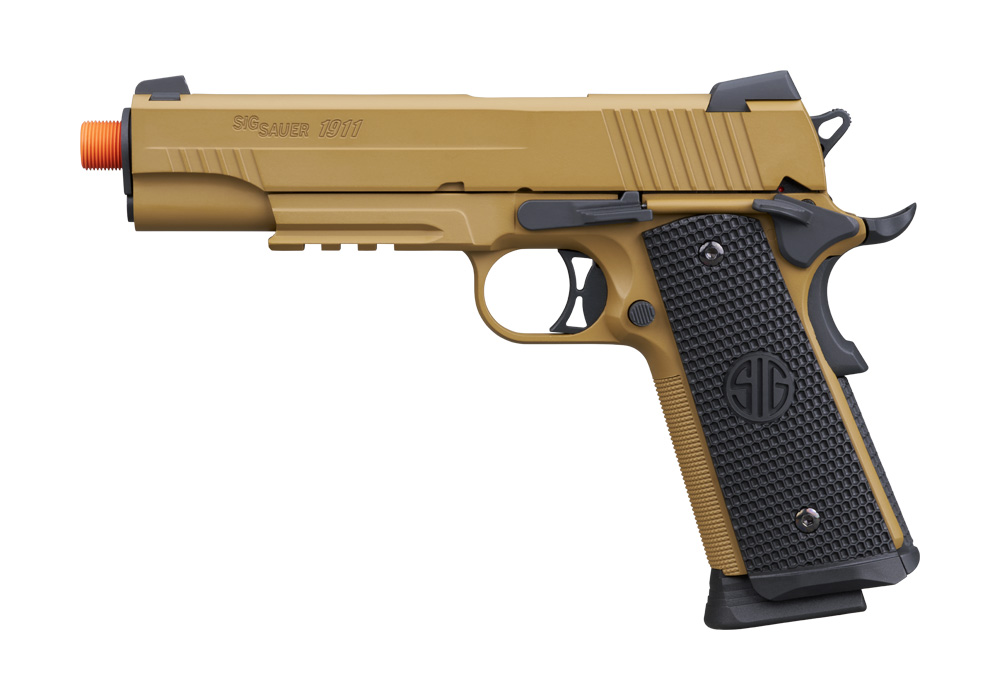
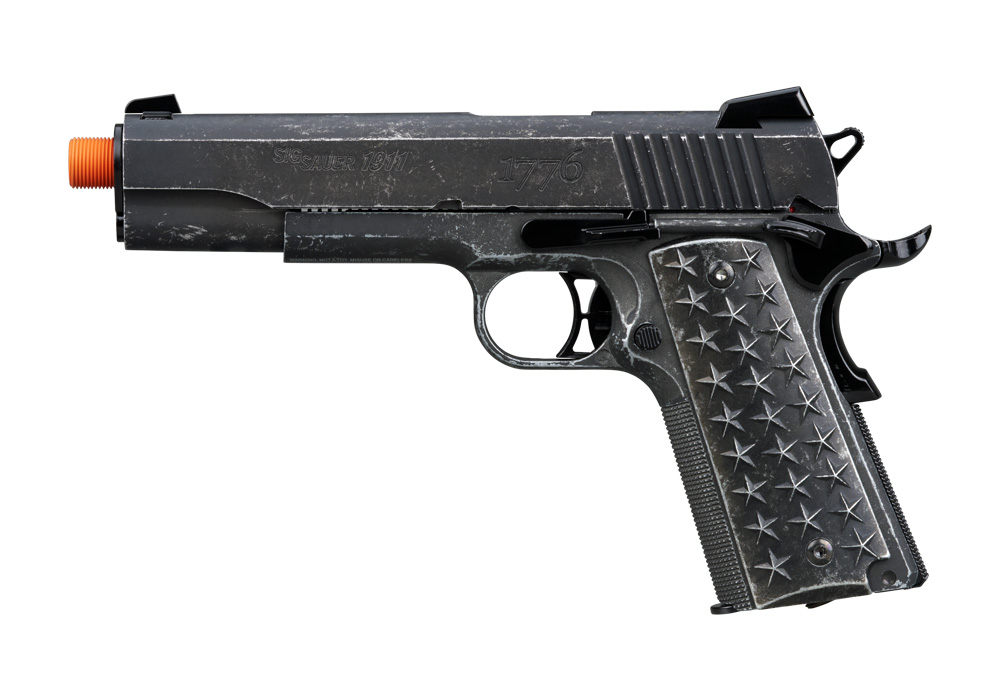
Semi-auto air pistols are gas-powered airguns designed for repeated shots, with one BB or pellet fired per trigger pull and no separate hand-cocking step between shots. They offer a convenient format for recreational target shooting, controlled practice, and the enjoyment of working through a paper target at an approved range. Many use replaceable CO2 cartridges, commonly in a 12-gram format, while some use pre-charged pneumatic systems that store compressed air in a refillable reservoir. Cartridge size, filling equipment, operating pressure, and installation procedures depend on the design, so compatibility matters before selecting accessories or consumables. Blowback air pistols use part of the available gas to cycle a moving slide, creating a visible and tactile response with each shot. Non-blowback designs generally direct more of that gas toward propelling the projectile and may provide more shots per cartridge under comparable conditions. The semi-auto description also appears on replica-style air pistols with trigger-indexed rotary magazines; not every design operates like a firearm with a reciprocating slide. Understanding that distinction helps set expectations for trigger feel, cycling, and handling. Ammunition is equally important. Steel BBs are spherical projectiles commonly associated with smoothbore designs, while diabolo pellets have a shaped head and skirt and are often used with rifled barrels. Certain airguns accept more than one projectile type, but that capability should never be assumed. Use only the caliber, projectile material, and ammunition type specified for the air pistol. Pellet length and shape can also affect how ammunition fits into a rotary magazine or other feeding system. For paper-target sessions, consistent ammunition and reliable feeding are more useful than choosing by advertised velocity alone. Accuracy reflects the combined effects of barrel design, ammunition fit, sights, trigger control, and the shooter’s technique. A dependable setup is one that cycles as intended and produces repeatable results at the distances appropriate to its design and the shooting location.
Fit and handling help determine how enjoyable a semi-auto air pistol will be over repeated practice sessions. Grip circumference, grip angle, texture, and the distance to the trigger all influence whether the pistol sits naturally in the hand. A shooter with smaller hands may prefer a slimmer grip and controls that can be reached without shifting position, while someone seeking a substantial practice feel may appreciate additional weight and a fuller frame. Overall balance matters as much as weight: a pistol that feels steady during a few sighted shots should also remain manageable through a complete target session. Metal slides and frames can provide reassuring heft, while polymer components can reduce weight and offer practical durability for regular handling. Neither material alone determines quality; secure assembly, well-fitted controls, and consistent operation are more meaningful indicators. Surface finishes help protect exposed components from ordinary handling, but they still benefit from careful cleaning and storage. Sight visibility deserves attention as well. Clearly defined front and rear sights can be easier to align against a paper bullseye, and adjustable sights allow the point of aim to be matched to a particular ammunition choice and shooting distance where the design supports adjustment. For shooters interested in familiar proportions and operating controls, Realistic Air Pistols can offer an appealing connection between recreational shooting and structured handling practice. A moving slide, accessible magazine release, and recognizable control layout can make a session feel more engaging, although airgun operation, trigger characteristics, and recoil do not necessarily duplicate those of a corresponding firearm. These products suit adult hobbyists who enjoy precision, recreational shooters building consistent sight alignment, and experienced enthusiasts looking for another way to practice within an appropriate setting. A useful session might involve a series of carefully aimed shots at separate bullseyes, checking group placement between strings rather than simply shooting faster. Even when rapid follow-up shots are possible, a deliberate pace makes changes in grip pressure and trigger control easier to recognize.
Care, safe handling, and a suitable shooting environment are essential parts of owning a semi-auto air pistol. Before each session, inspect the pistol, magazine, and ammunition for visible damage or debris, and confirm that the gas source is installed or filled according to the manufacturer’s instructions. Feed systems work best when ammunition is seated correctly and magazines are kept clean; forcing a pellet into place or continuing to shoot through a feeding problem can damage components. Use only the cleaning tools and lubricants specified for the design, particularly around seals and valves, because unsuitable oils or solvents can affect their performance. Avoid unnecessary disassembly, and have persistent leaks or mechanical problems evaluated through an appropriate service channel. Storage procedures vary between CO2 and pre-charged pneumatic systems, so follow the manual’s directions for unloading, cartridge removal, and reservoir pressure rather than applying one routine to every airgun. A protective case helps keep sights and finishes from rubbing against other equipment, while secure storage restricts unauthorized access. Every shooting session also requires a backstop rated for the projectile and its energy, with a clear area behind and around the target. Steel BBs can rebound from hard surfaces, making suitable target materials and eye protection particularly important. Indoor shooting belongs only in a location that expressly permits airgun use and provides an appropriate containment system; an ordinary room or improvised target area is not a substitute. Keep the muzzle directed safely, keep fingers outside the trigger guard until ready to shoot, and treat an air pistol as loaded until its condition has been verified using the prescribed procedure. Realistic styling also calls for discreet transport in a case and attention to local possession and use rules. For an adult recipient who already enjoys target sports, a semi-auto air pistol can be a thoughtful gift when its fit, operating system, and intended use match the recipient’s interests. Compatible ammunition, eye protection, and a suitable target setup complete the experience more meaningfully than appearance alone, supporting repeatable practice and responsible enjoyment.