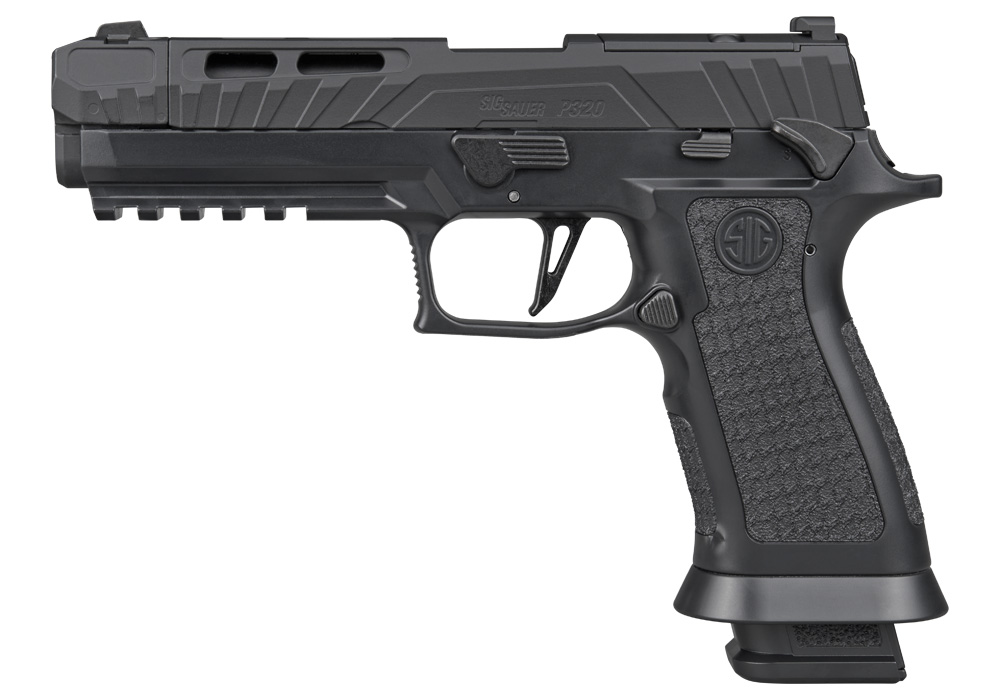
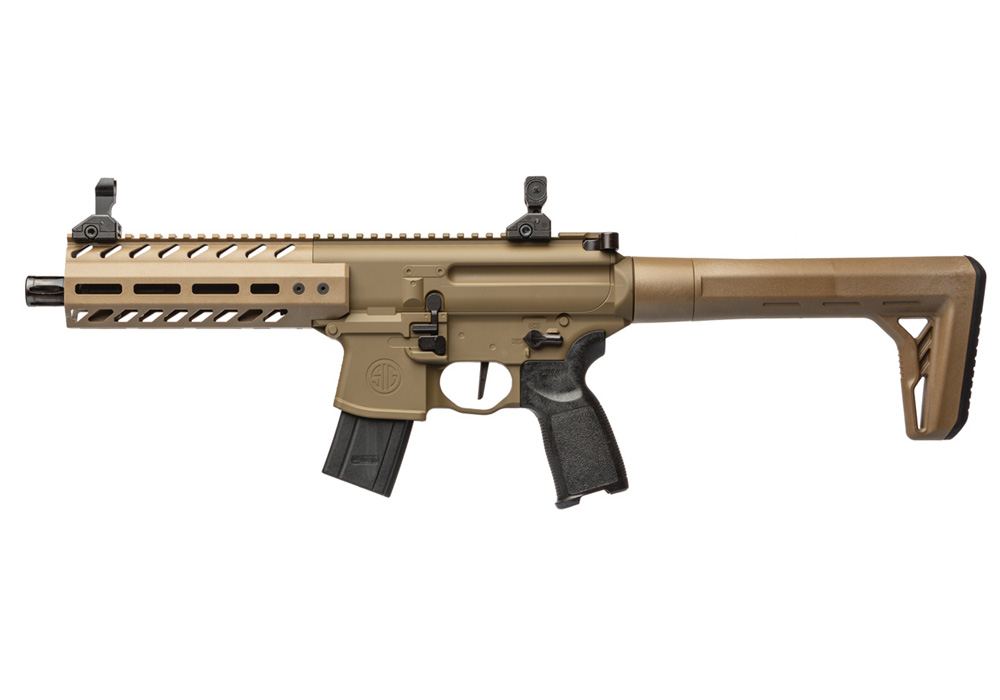
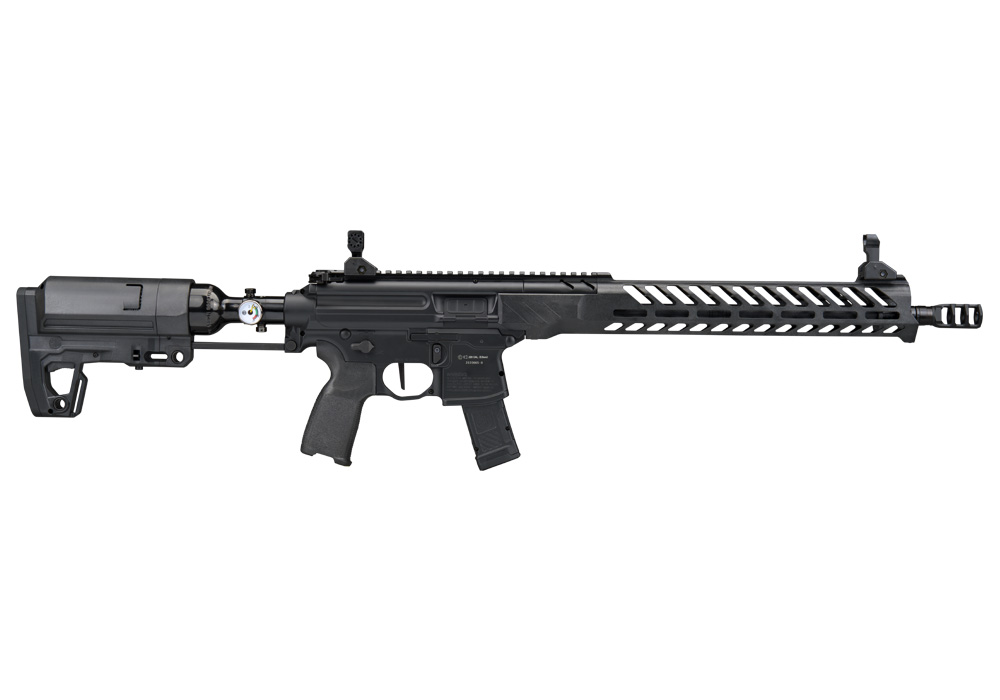
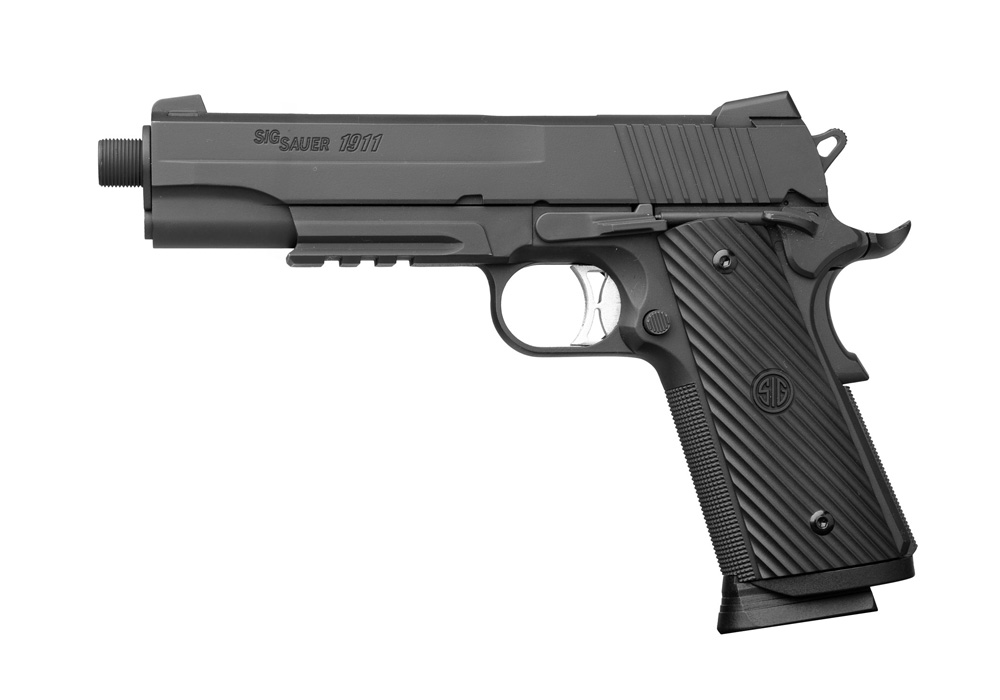
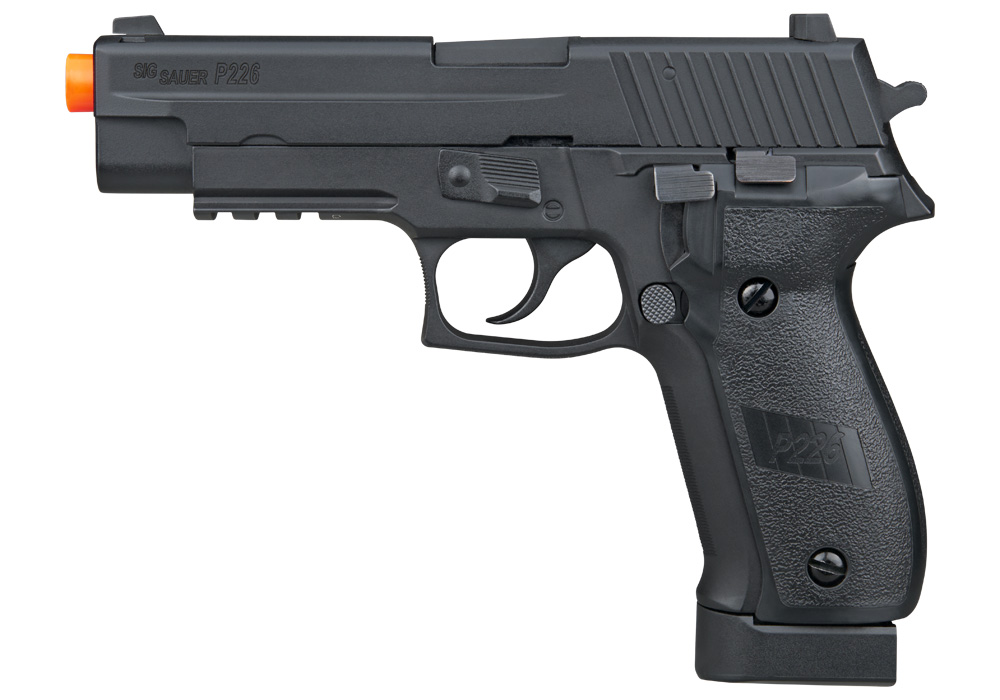
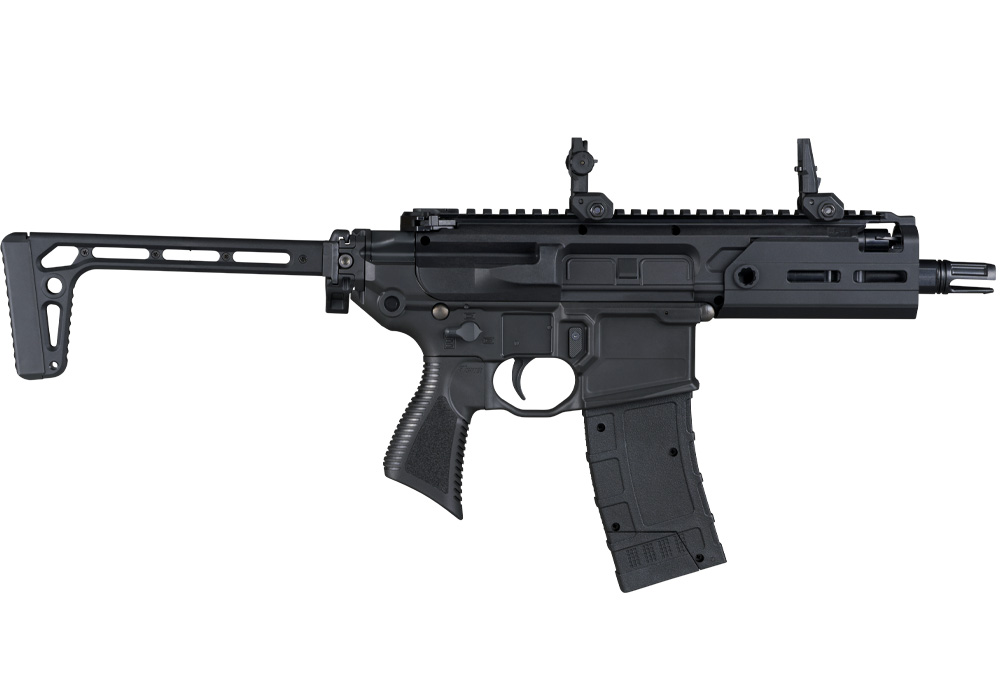
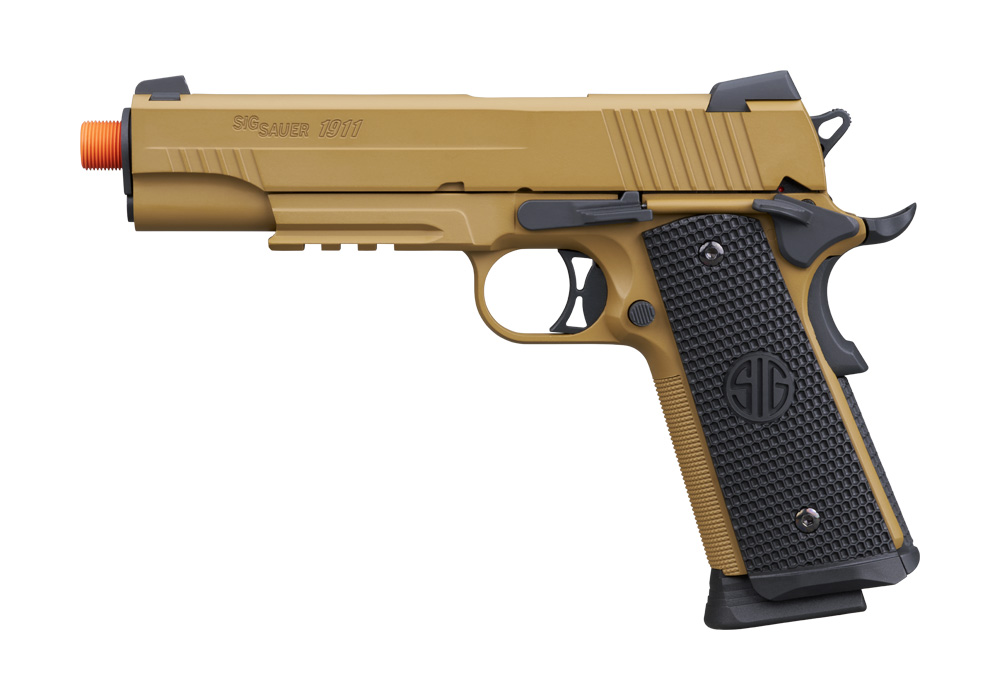
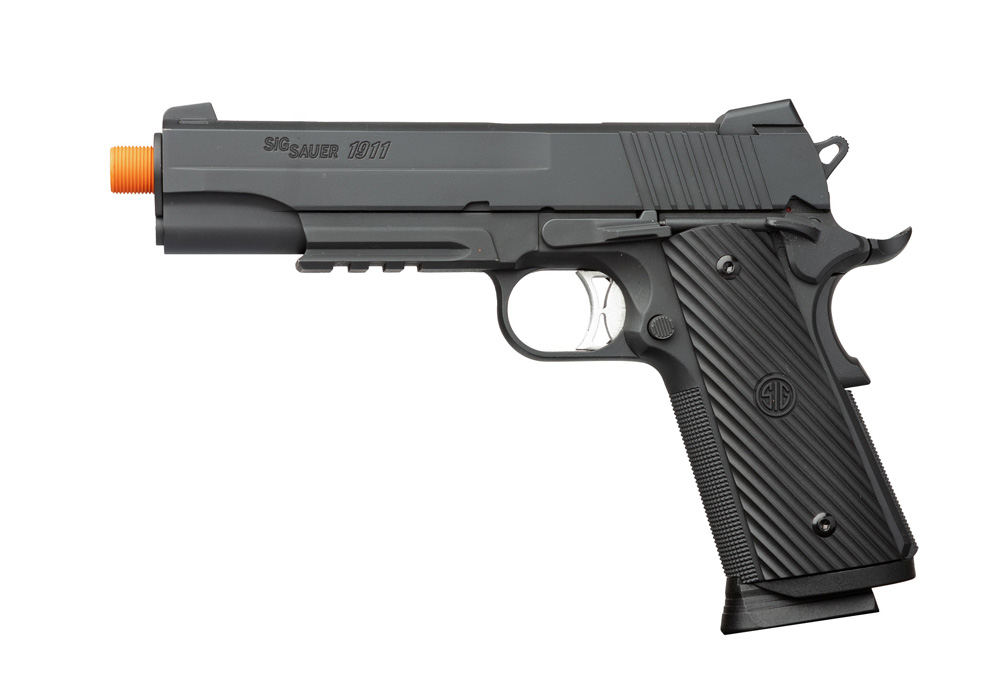
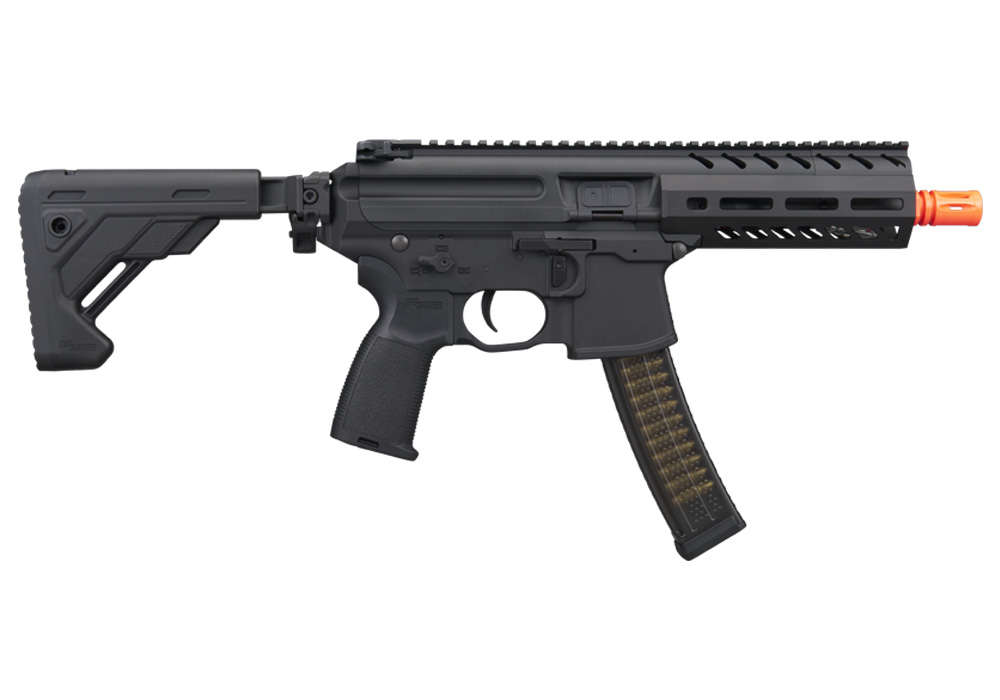
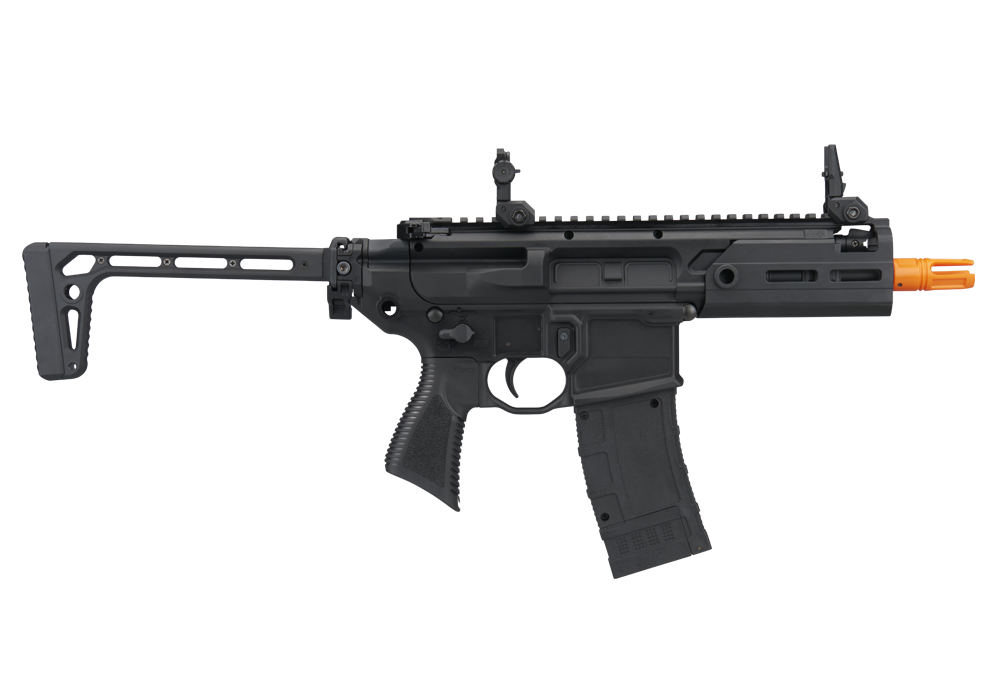
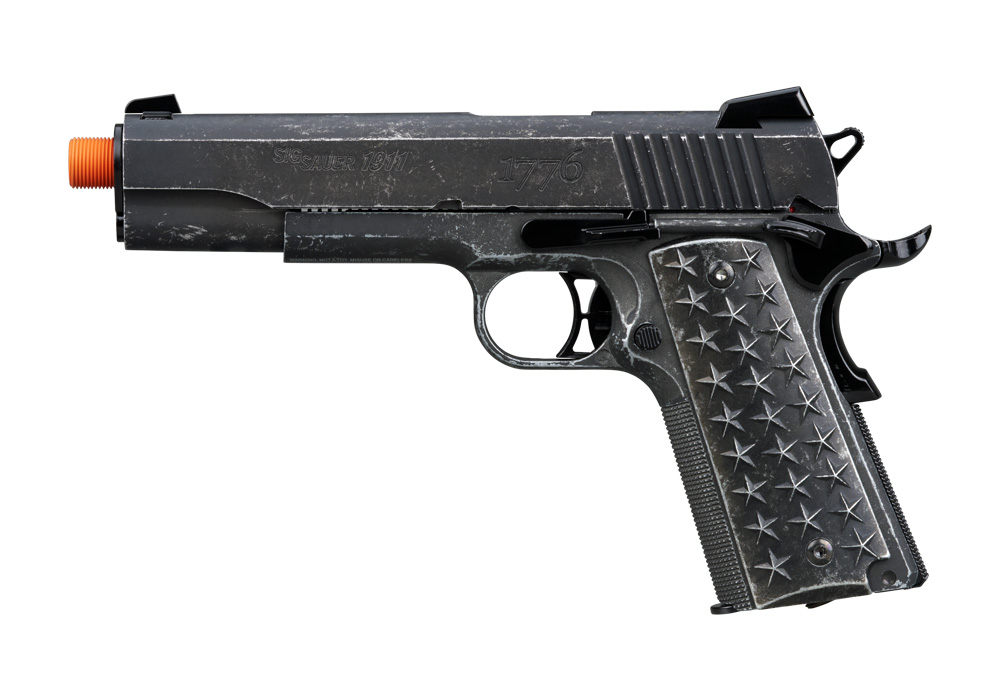
Semi-auto airguns fire one BB or pellet with each trigger pull and prepare for the next shot without a separate manual cocking or bolt-cycling step between shots. The trigger must reset before another shot can be fired, distinguishing semi-automatic operation from continuous automatic fire. Many models use CO2 cartridges, while others use a precharged pneumatic system that stores compressed air. Both approaches support repeated shots, but their charging requirements, handling characteristics, and maintenance needs differ. Semi-auto air pistols offer a compact format for recreational target shooting, while semi-auto air rifles provide a shoulder-supported platform that some shooters find easier to hold steadily. Across the broader selection of Modern Airguns, this category appeals to recreational shooters, target enthusiasts, and adults interested in familiar controls without the characteristics of a firearm. A typical session might involve a paper bullseye in an airgun-rated target trap, with the shooter working on a repeatable grip and a consistent sight picture. At a suitable facility, reactive targets rated for the ammunition and power level can add visible feedback. The practical appeal is continuity: shooters can stay focused on sight alignment and trigger control rather than interrupting each shot to operate a separate cocking mechanism. Ammunition compatibility remains essential, since BBs and pellets are not interchangeable unless the manufacturer explicitly permits both. Even ammunition with the same nominal caliber can differ in material, shape, and intended application. Steel BBs and shaped pellets also behave differently on impact, making the relationship between the airgun, ammunition, target, and backstop especially important. Semi-auto airguns suit controlled recreational shooting and structured practice, not every setting where an open space happens to be available. A lawful shooting area, a suitable backstop, and appropriate eye protection are fundamental parts of the experience. Airguns can cause serious injury and require deliberate handling, regardless of their appearance or power source.
Materials and fit influence how a semi-auto airgun feels through an entire session, not just when it is first picked up. Metal components can provide a substantial feel, while reinforced polymer frames and stocks can keep weight manageable and offer textured gripping surfaces. Neither material alone determines durability; construction quality, finish, internal components, and proper care all contribute. A heavier air pistol may feel steady in the hand but become tiring during extended practice, while a lighter model can be easier to support without necessarily matching the balance a shooter prefers. Grip circumference, trigger reach, and the location of controls matter especially for users with smaller hands or limited hand strength. Comfortable access to a safety or magazine release should not require a major shift away from a secure grip. For rifles, stock dimensions and cheek support affect how naturally the eye lines up behind the sights. Adjustable features, where included, can help accommodate different builds, though the available adjustment range still needs to suit the individual shooter. Sight design adds another consideration. Clearly defined open sights can provide an uncomplicated setup for paper targets, while compatible optic mounting points may suit shooters who prefer a different aiming reference. Mount compatibility depends on the actual interface and dimensions, rather than appearance alone. Barrel design and ammunition choice also influence the shooting experience. Many pellet-focused airguns use rifled barrels, while many steel-BB designs use smooth bores; the manufacturer’s ammunition specifications remain the deciding reference. Published velocity figures provide context, but they are not a complete measure of accuracy or suitability. A comfortable hold, a clear sight picture, consistent ammunition, and an appropriate target distance all matter during recreational use. Replica-inspired styling can be appealing to enthusiasts, yet visual similarity does not guarantee identical dimensions, control function, or accessory fit. For practice centered on handling familiarity, those details deserve as much attention as the overall silhouette. The most useful configuration is one that supports the intended activity without unnecessary weight or complexity.
Ownership also involves the small practical details that keep a semi-auto airgun dependable and enjoyable over time. CO2-powered designs require the specified cartridge type and compatible seals, while precharged pneumatic designs require an approved filling arrangement and attention to the manufacturer’s pressure limits. Charging equipment is not universally interchangeable, and improvised connections are not appropriate substitutes for specified components. Magazine design affects the rhythm of a session as well: loading methods, ammunition orientation, and the number of shots held vary across designs. Extra compatible magazines can help organize a range visit, but each must match the airgun’s exact requirements. For care, the owner’s manual should govern cleaning products, lubrication points, seal treatment, and storage procedures. Airgun barrels and seals do not necessarily call for the same products or routines used with firearms. Excess oil, unsuitable solvents, or unnecessary disassembly can create problems rather than prevent them. A clean exterior, clear sights, and protection from grit help preserve both appearance and function, particularly around moving controls and magazine openings. A fitted case can protect the finish during transport, provided it does not press against controls or leave the airgun unsecured. For an adult receiving a semi-auto airgun as a gift, practical suitability matters more than visual appeal alone. The recipient needs a lawful place to shoot, compatible ammunition, protective equipment, a suitable target system, and a secure storage arrangement. An experienced enthusiast may value handling details, while someone newer to airguns may appreciate straightforward controls and manageable dimensions. Familiar-looking designs still warrant a careful review of the manual before use because their operating systems can differ significantly from other equipment. Secure storage should prevent unauthorized access, with ammunition and power sources managed according to the manufacturer’s directions and applicable law. Responsible ownership also includes discreet, lawful transport and an understanding that realistic styling can be mistaken for a firearm. With the right fit, compatible equipment, and consistent care, semi-auto airguns offer an engaging format for deliberate target practice and recreational shooting.