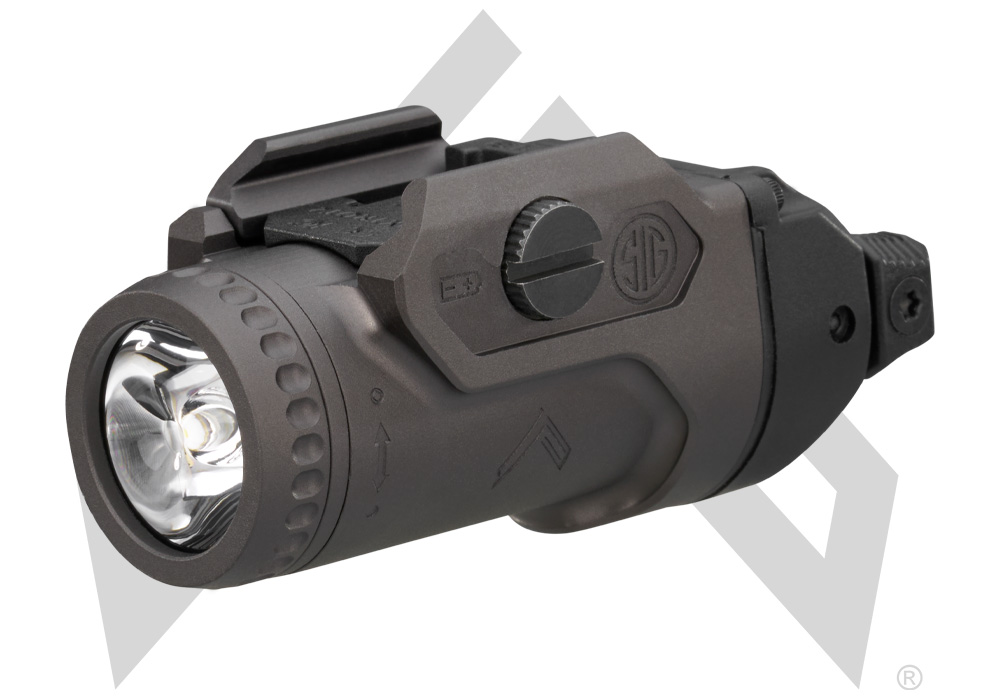
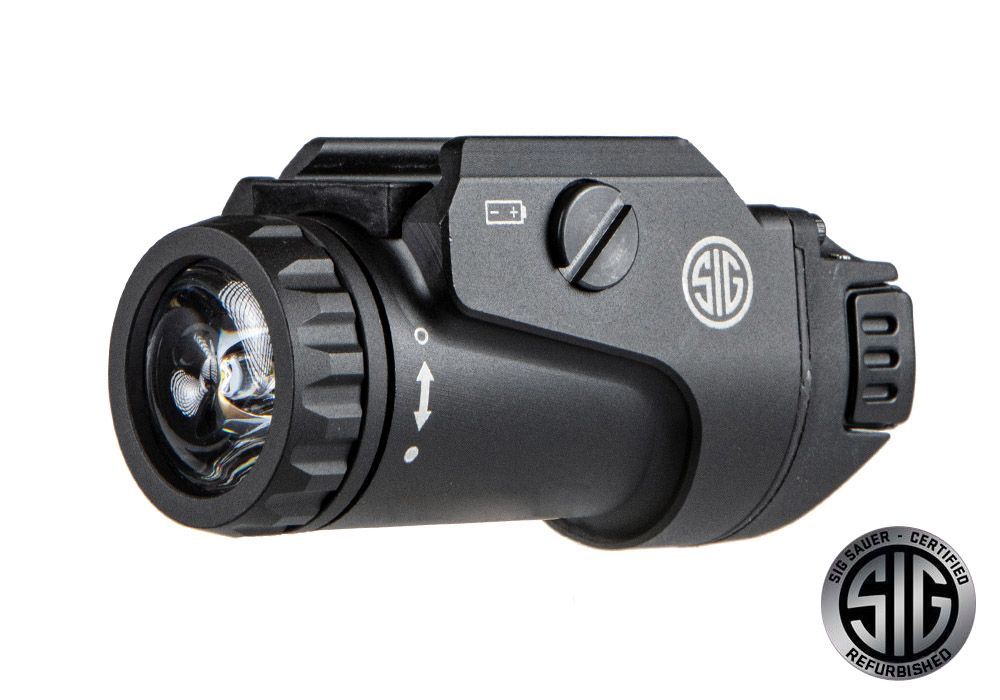
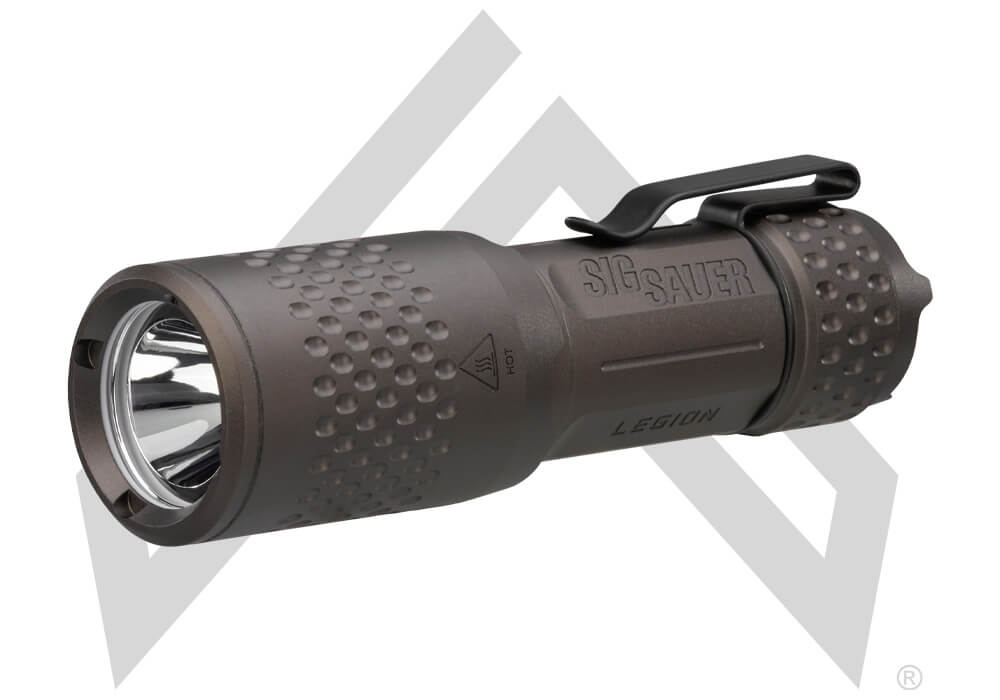
High lumen weapon lights provide a powerful source of illumination for firearms used in low-light settings, helping the user identify surroundings, navigate unfamiliar spaces, and make informed decisions when visibility is limited. Many high-output models produce roughly 1,000 to 1,500 or more lumens, though the best choice depends on the firearm, environment, beam pattern, controls, and intended role. Lumens describe the total amount of visible light produced, while candela describes beam intensity and how effectively that light reaches a specific point at distance. A high-lumen light with strong candela can project a concentrated beam across a large room, down a driveway, or through darker outdoor areas, while a broader beam can provide useful peripheral illumination for close-range awareness of doorways, steps, and potential obstacles. Some designs balance both characteristics, creating a central hotspot for distance and a wider spill for nearby objects. In practical use, a bright beam can reveal important details that softer lighting may leave unclear, but greater output is not automatically better for every situation. Consider the spaces where the firearm will be handled, the distances involved, the amount of ambient light, and how easily the controls can be reached without changing grip or trigger-finger position. A dependable weapon light should support safe identification and careful decision-making, not encourage hurried action. As with any firearm accessory, practice in a controlled setting, follow all applicable laws, keep the muzzle pointed in a safe direction, and keep the trigger finger outside the trigger guard until the user has decided to fire in accordance with proper training and lawful use.
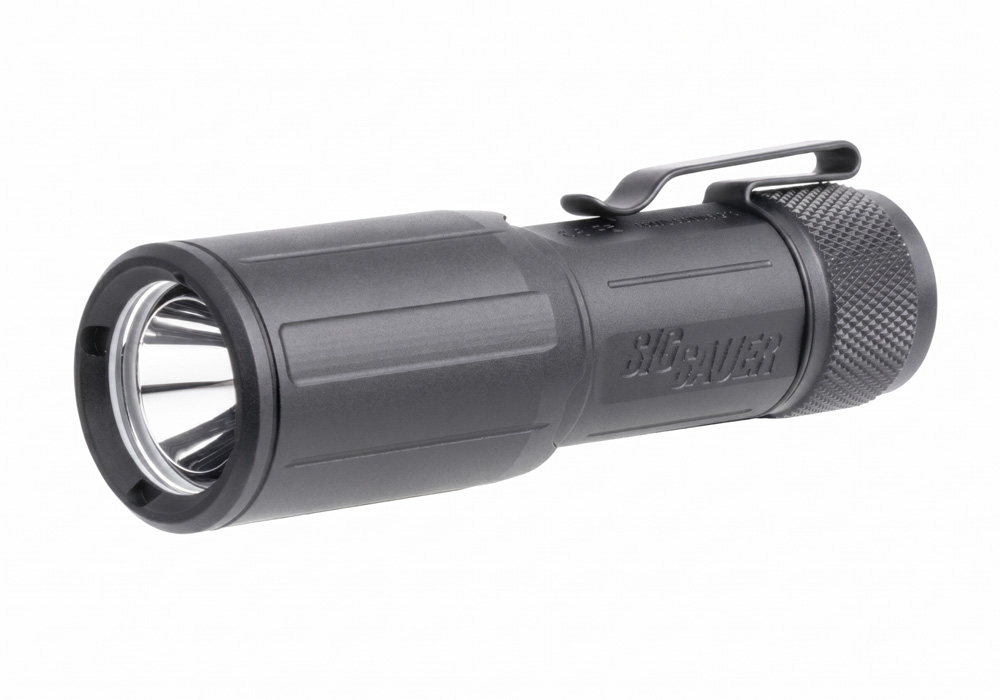
Compatibility is one of the most important purchase considerations when selecting high lumen weapon lights. Handgun models typically attach to an accessory rail, but rail dimensions and attachment systems can vary, so the light must match the firearm’s rail profile and the manufacturer’s compatibility guidance. A secure fit helps preserve alignment, supports consistent activation, and reduces the likelihood of movement during routine handling or recoil. Rifle and carbine users may select mounting options intended for Picatinny, M-LOK, or another compatible interface, with attention to rail space, sling placement, optic position, and access to the switch. On a handgun, holster availability deserves equal consideration. A light that fits the firearm but lacks a suitable holster can make safe carry, storage, and training more difficult. Look for a holster specifically designed for the exact firearm and light combination rather than assuming similar shapes will fit. Controls also deserve hands-on thought: ambidextrous switches, momentary-on activation, constant-on settings, and protected controls each suit different preferences and routines. Battery choice is another key distinction. Rechargeable lithium-ion systems can simplify regular upkeep and may offer convenient USB-C charging, while models using disposable CR123A batteries can be useful when spare cells need to be stored separately and replaced quickly. Check runtime at the selected output, charging indicators, battery access, water resistance, impact resistance, and the manufacturer’s instructions. Brightness can affect battery life, so a light with multiple output settings may offer more flexibility than one that operates at a single level. Keeping fresh batteries or a charged power source available, inspecting the lens and attachment hardware, and testing the light before each training session can help ensure that the equipment is ready when needed. For handheld illumination that complements a weapon-mounted setup, browse Professional Flashlights for additional options suited to everyday carry, property checks, travel, and outdoor use.
High lumen weapon lights may appeal to responsible firearm owners, home-defense practitioners, law enforcement professionals, security personnel, hunters, and outdoor users who need reliable illumination while keeping both hands available for a firearm or other task. They can also be a thoughtful gift for someone who has recently purchased a compatible handgun or rifle, completed a safety course, or begun building a carefully selected range setup. A gift should be chosen with the recipient’s exact firearm and preferred holster or mounting system in mind; when those details are uncertain, a gift card or an accessory selected together may be more practical than guessing. During the cooler months, longer evenings and changing outdoor conditions can create more opportunities for low-light practice, equipment checks, property walks, and range sessions, making it a useful time to review batteries, mounting screws, lens condition, and storage habits. A bright weapon light can help identify a person, animal, vehicle, doorway, or obstruction before the user takes further action, but it should not replace a handheld light, sound judgment, or formal instruction. Users should practice activating the light without looking down, moving between momentary and constant illumination when appropriate, and managing the contrast between a bright beam and surrounding darkness. It is also worth practicing with the same holster, sling, optic, and clothing used in daily life, since equipment can feel different under stress, in gloves, or during movement. Store the firearm and light according to safe-storage practices, keep batteries away from extreme heat and moisture, and inspect the mounting interface after repeated sessions. With the right fit, a useful balance of lumens and candela, dependable controls, suitable power management, and consistent training, a high lumen weapon light can become a practical part of a responsible low-light equipment setup.