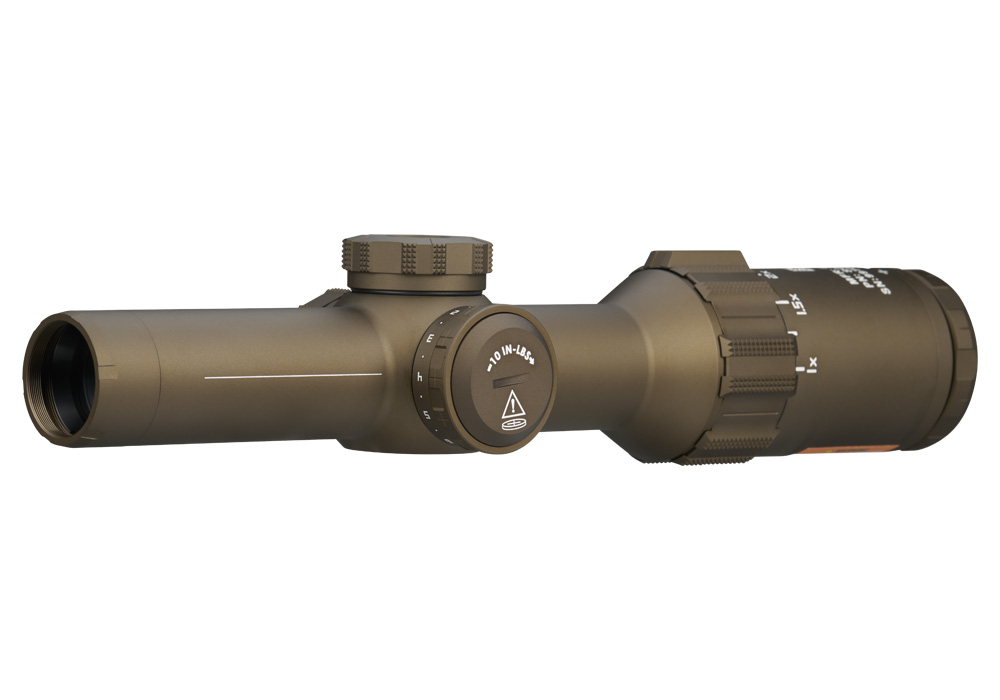
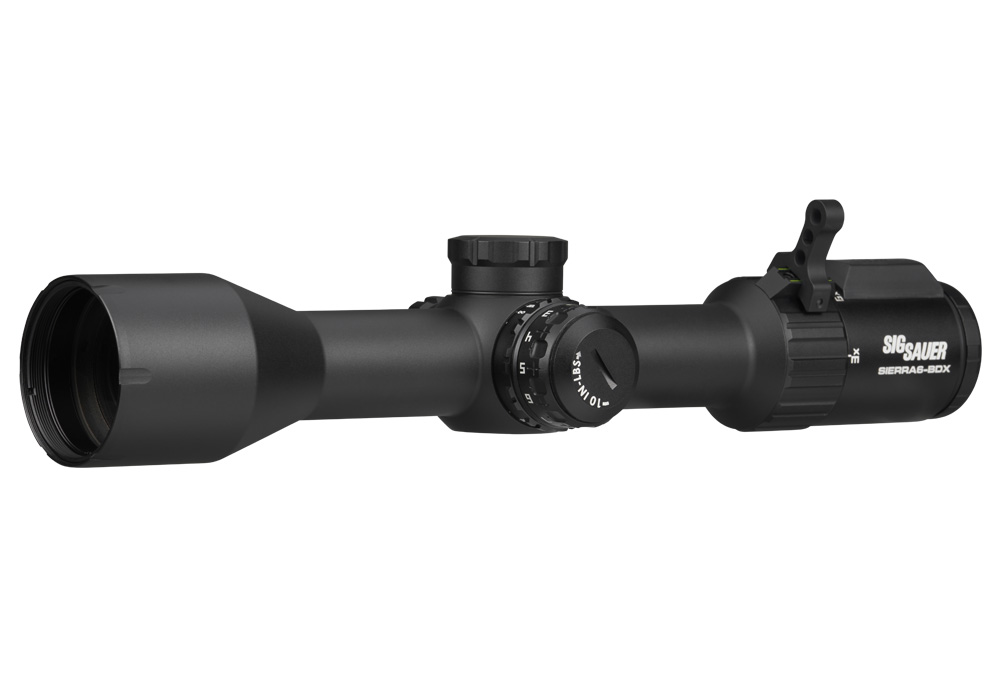
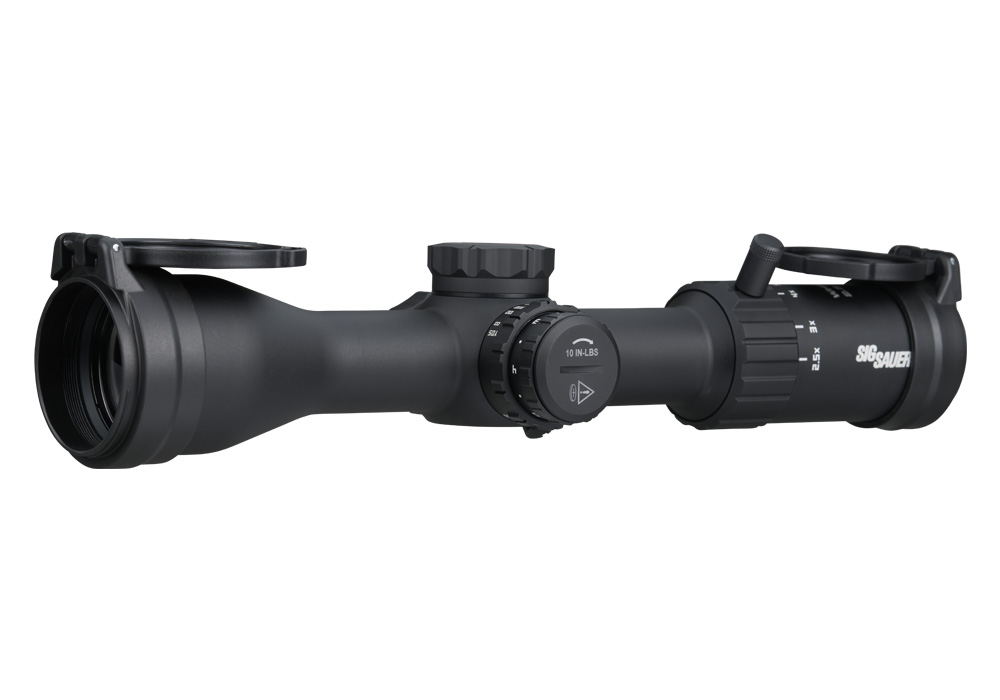
Holiday season hunting optics are practical gifts for hunters who spend long hours reading the terrain, preparing equipment and waiting for the right moment in the field. The right optic can make distant details easier to identify, help a hunter judge terrain with greater confidence and support more deliberate shot placement when conditions are demanding. Rifle scopes, binoculars and spotting scopes each serve a different purpose, so the best choice depends on the recipient’s firearm, hunting environment and experience level. A rifle scope is often the most personal purchase because it must match the rifle, cartridge, mounting system and intended distance. When selecting one, consider magnification range, objective lens size, eye relief, reticle design, adjustment controls and overall weight. A lower-power scope with a broad field of view is well suited to thick timber, brush and close-to-moderate ranges, where game can appear quickly between trees. A versatile mid-range scope can serve hunters who move between wooded areas, field edges and rolling terrain. For open country, western terrain or careful observation at extended distances, additional magnification may be useful, provided the optic remains clear, manageable and appropriate for the rifle’s purpose. Magnification is only one part of the equation: a bright, sharp sight picture, dependable adjustments and a reticle that remains visible against changing backgrounds can be equally important. Hunters who carry their rifles over uneven ground may also appreciate a compact design that keeps the setup balanced, while those who spend more time in a blind or stationary position may prefer a larger objective lens or broader magnification range. Before purchasing a scope as a gift, confirm the firearm platform, mounting height, tube diameter and whether the recipient already owns compatible rings or a mount. A gift card or carefully chosen accessory can be a better option when those details are unknown, while a scope selected with the rifle and hunting style in mind can become a trusted part of someone’s field routine for years.
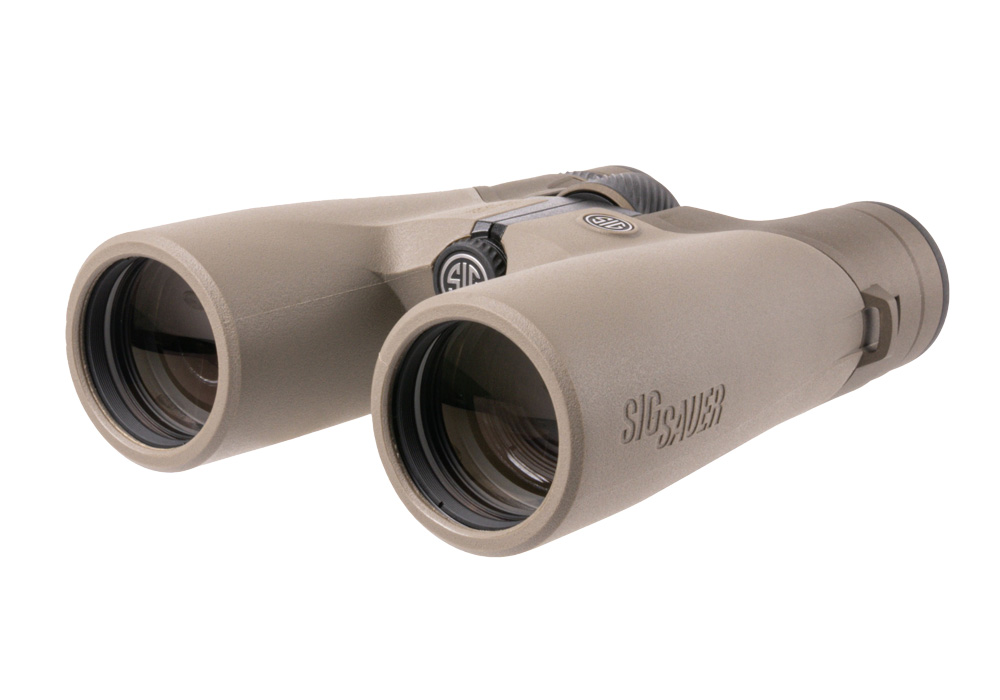
Binoculars are among the most versatile hunting optics and are often an excellent gift for a new hunter, an experienced outdoorsman or anyone who enjoys scouting and wildlife observation. They allow the user to scan ridgelines, timber openings, grassland and field edges without repeatedly lifting a rifle, making it easier to evaluate movement and identify animals before deciding how to proceed. A commonly useful configuration balances magnification, field of view, brightness and portability. Ten-power binoculars can reveal detail across open terrain, while lower magnification may provide a steadier image and a wider view in thick cover or when glassing from an unsteady position. Objective lens size also affects brightness and weight; larger objectives may help gather more light during the first and final portions of legal shooting light, but they can add bulk to a pack or chest harness. Look for fully multi-coated lenses, a durable housing, comfortable eye relief and controls that are easy to operate with cold or gloved hands. Waterproof and fog-resistant construction is valuable during damp mornings, sudden temperature changes and the cooler months, when condensation can interfere with an otherwise clear view. Spotting scopes provide more magnification for detailed examination of distant slopes, draws and opposing ridges. They are especially useful during scouting, backcountry hunts and open-country glassing, where a hunter may spend extended periods studying a small section of landscape. Angled designs can be comfortable for seated glassing and easier to share among people of different heights, while straight designs may offer a more familiar sight line and simpler alignment from certain positions. A compact spotting scope can be a thoughtful present for someone who already owns binoculars and wants to extend their observation range without adding a large, complicated system. Accessories such as tripods, window mounts, protective covers, lens cloths and chest harnesses can also improve the experience, but compatibility matters. The most useful gift is one that fits the recipient’s existing equipment and reflects how they actually spend time outdoors, whether that means walking timber before sunrise, watching a distant ridge from a glassing point or checking a property during the changing seasons. For more ideas organized around the gifting occasion and the hunter’s needs, explore Hunting Optics Gifts.
Seasonal shopping is also a useful time to compare optical features, accessory bundles and overall value before a hunt begins. Promotional pricing may make it easier to step into a clearer optic, add a second glassing tool or replace equipment that has seen years of hard use, but price should be considered alongside optical performance, construction and fit. A scope that looks impressive on paper may not be the right choice if its magnification range is poorly suited to the terrain or its eye relief is uncomfortable on the intended rifle. Likewise, binoculars that are too heavy may remain in the pack, where they cannot help the hunter make observations. Think about the way the recipient hunts: a tree-stand hunter may prioritize a wide field of view and quick target acquisition; a spot-and-stalk hunter may value light weight, rugged construction and strong performance in changing light; a property owner or scouting partner may use binoculars more often than a riflescope. Low-light performance deserves particular attention during the transition between darkness and daylight, when animals may be most active and shadows can flatten detail. Larger objective lenses, quality glass and effective lens coatings can help preserve a bright, useful image, although no optic replaces careful identification, sound judgment or compliance with local hunting regulations and legal shooting hours. Before the first outing, every rifle scope should be mounted securely, leveled and sighted in with the firearm and ammunition it will use. Binoculars and spotting scopes should be checked for focus, diopter settings, lens cleanliness and tripod stability. A few minutes spent adjusting equipment at home can prevent frustration in the field, especially when cold fingers, fading light and uneven ground make small problems harder to solve. Whether chosen as a holiday present, a thoughtful upgrade or part of a complete hunting setup, dependable optics invite more time observing the landscape and less time fighting equipment. The best selection is one that matches the hunter, the terrain and the way the optic will be carried, adjusted and used when the woods, fields and ridgelines are quiet.