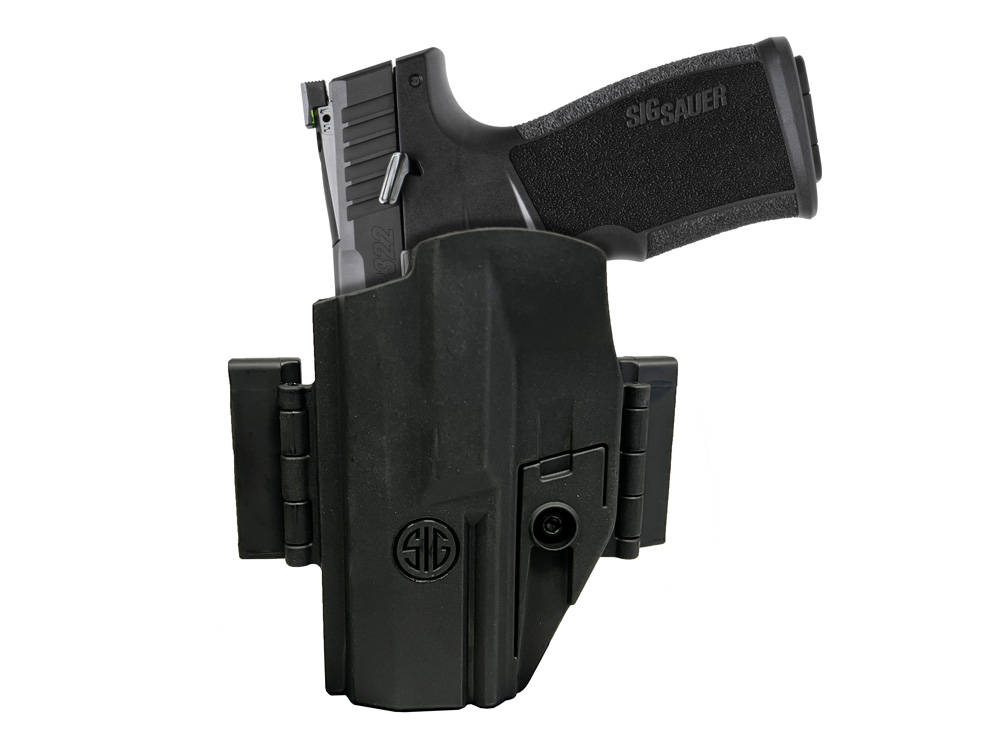
A holster can be a practical, thoughtful Father’s Day gift for a dad who carries a firearm for personal protection, work, range practice, or outdoor activities. Unlike a gift that sits on a shelf, a well-chosen holster becomes part of a daily routine, helping keep the firearm positioned consistently and protected during movement. The best choice begins with the exact firearm model and configuration. Even firearms that look similar may have different dimensions, controls, sights, or accessory rails, so a holster should be designed to fit the specific make and model rather than relying on a general resemblance. For a dad who carries a compact pistol, a purpose-built option such as Father's Day Holsters for P365 XL can be a useful place to start when the fit, profile, and intended carry method all align. It is also worth considering whether he uses a standard or extended capacity magazine, an optic, a mounted light, or other accessories, since those additions can affect compatibility. A thoughtful gift does not have to be complicated; it simply needs to match the way he actually carries. Someone who dresses in everyday clothing and spends long hours at a desk may prefer an inside-the-waistband holster with a slim profile, while a dad who spends more time outdoors, at the range, or working around a property may appreciate the access and stability of an outside-the-waistband design.
Carry position is one of the most personal considerations when choosing a holster. Inside-the-waistband holsters are commonly selected for concealed carry because they place the firearm close to the body and can work beneath an untucked shirt, jacket, or overshirt. They are often appreciated by people who want a discreet setup for errands, commuting, or ordinary daily activities, although comfort depends on body shape, clothing, belt choice, and position. Outside-the-waistband holsters generally provide more room around the firearm and can be convenient for range days, training, open carry where lawful, or field use. A strong belt and a secure attachment method are important with this style, particularly when walking, bending, climbing, or spending time outdoors. Some dads may prefer a shoulder, chest, or other specialized carry system for hiking, camping, fishing, or hunting, especially when a backpack or heavy outer layers make waistband carry less comfortable. Chest designs can keep the firearm accessible without competing with a hip belt, while cross-draw configurations may suit someone who spends much of the day seated in a vehicle or working from a truck. These options are not interchangeable, and comfort should never be separated from safe access. Retention is another key feature: the holster should hold the firearm securely during normal movement while still allowing the user to draw in a controlled manner. A fully covered trigger guard, durable construction, smooth edges, and a stable clip, belt loop, or harness can make a meaningful difference. During cooler months, heavier clothing and coats can change how a holster feels and how easily it can be reached, so the intended wardrobe and daily routine deserve attention alongside appearance.
For a Father’s Day gift, the most useful holster is the one that fits the recipient’s habits rather than the one with the most features. A dad who spends weekends at an outdoor range may value a sturdy outside-the-waistband setup that stays comfortable through repeated practice and transport, while someone who carries during a workday may prioritize low visibility, a secure attachment, and a design that remains comfortable after hours of sitting. A parent who hikes or camps may need a system that works with layered clothing and backpack straps, and a truck driver or frequent traveler may look for a carry position that does not interfere with a seatbelt or vehicle console. Before purchasing, confirm the firearm model, the presence of accessories, dominant-hand orientation, preferred carry position, and whether the recipient typically carries concealed or openly where permitted. If those details are uncertain, a gift card or an opportunity to choose together may be wiser than guessing. The recipient should inspect the holster before use, confirm that the firearm fits correctly, and practice safe handling with an unloaded firearm in accordance with applicable laws and training. A holster should completely protect the trigger area, remain securely attached, and not require unsafe adjustments during the draw or reholstering process. Firearms should be handled responsibly, carried only where lawful, and stored separately from unauthorized users, especially children. With the right fit and a clear understanding of its intended use, a holster can be a durable Father’s Day gift that supports responsible carry through changing routines, outdoor adventures, range practice, and everyday life.