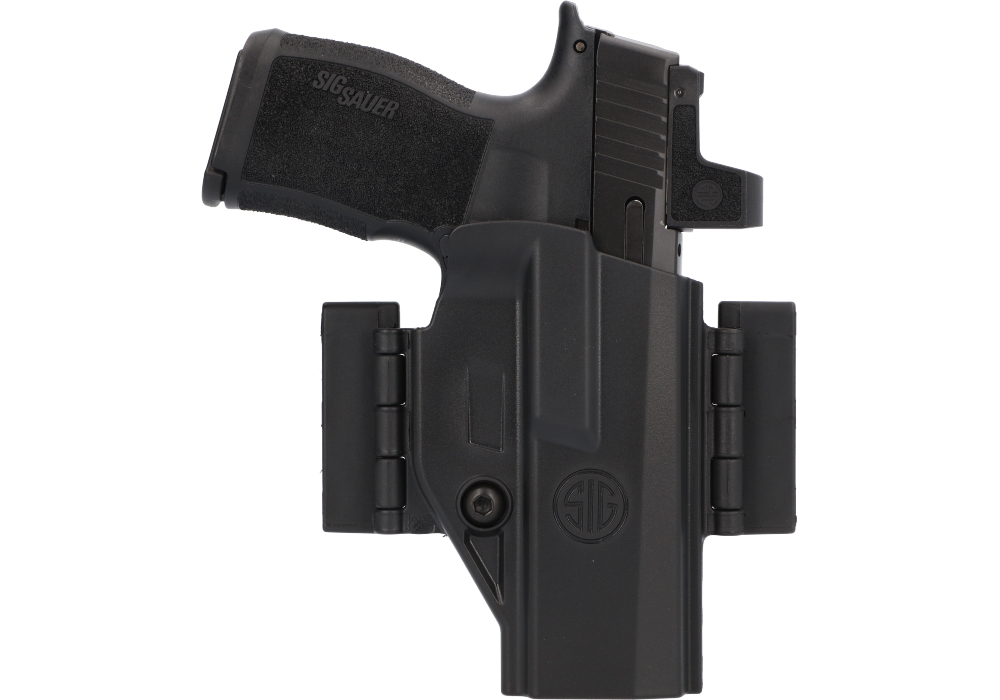
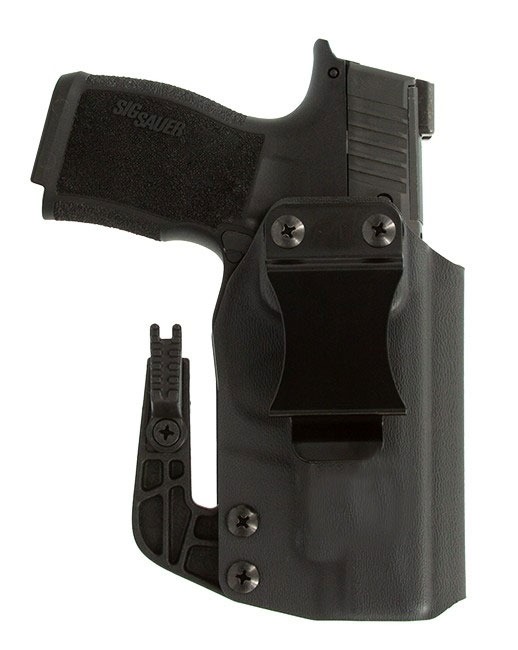
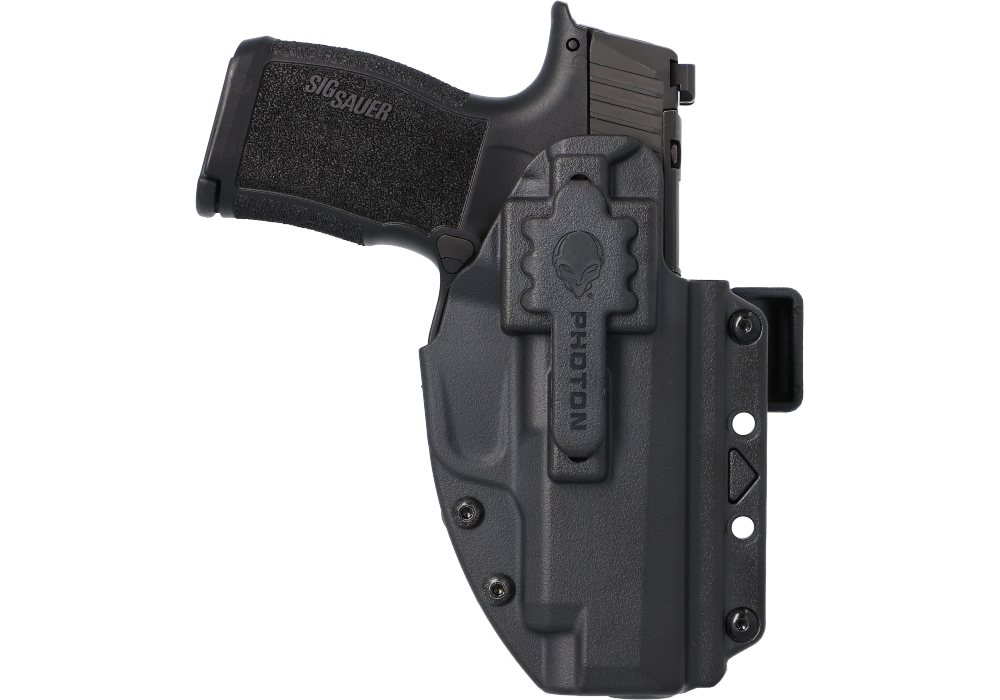
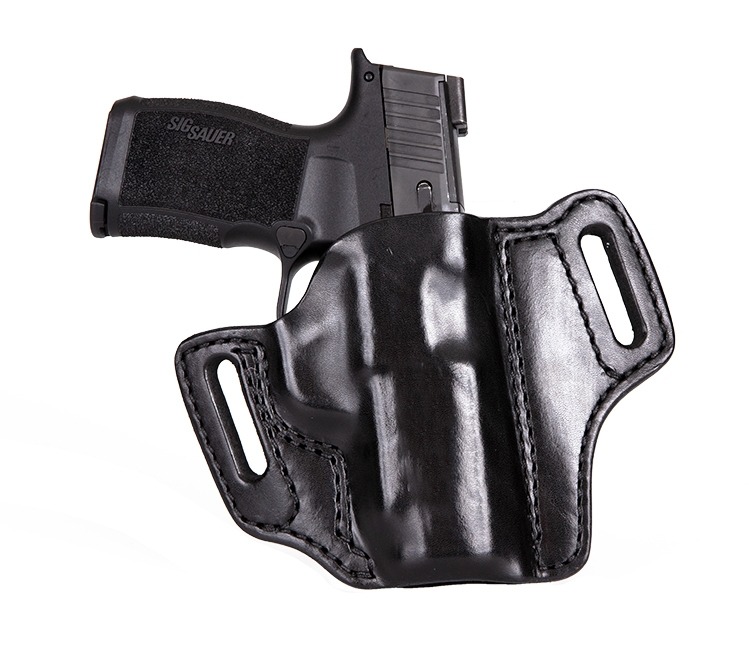
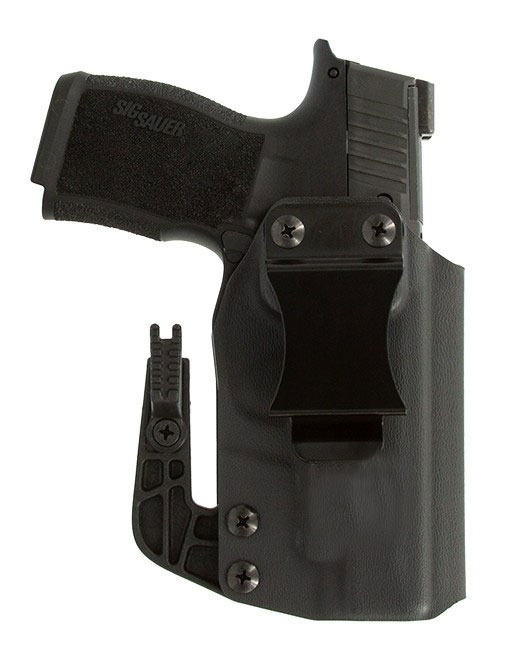
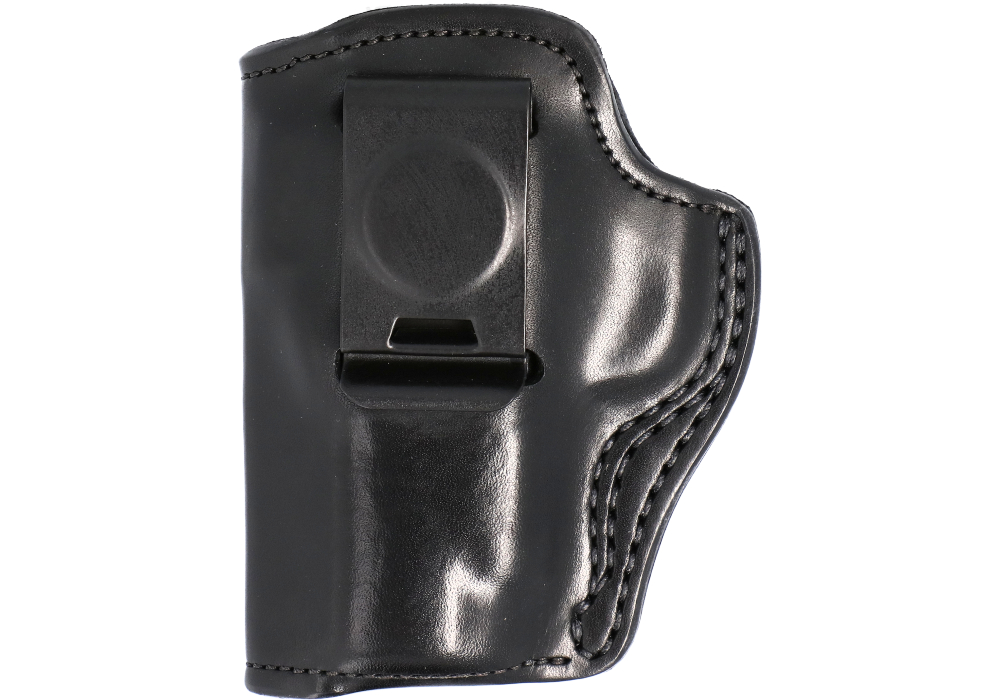
Choosing a holster for a P365XL often comes down to the way you dress, move, and spend your day. A holster that feels comfortable beneath a fitted top may not be the right choice for layered clothing, outdoor activity, or long periods of sitting, so the best starting point is an honest look at your regular wardrobe and carry position. Inside-the-waistband holsters remain a practical option for many women because they can sit at the appendix, strong-side hip, or behind the hip while keeping the firearm close to the body. For those who do not typically wear a belt, a secure clip-on waistband design may attach directly to a sturdy waistband, yoga pants, joggers, or other garments, provided the clothing is strong enough to support the holster and firearm without shifting. A deep-concealment belly band can offer another flexible solution, especially when clothing changes throughout the day or when a traditional belt is not part of the outfit. Under-bra and bra-band holsters are designed for a different type of concealment, positioning the firearm beneath the bust line and making them useful with dresses, skirts, or fitted shirts that do not accommodate a waistband holster. Concealment shorts, leggings, and thigh-worn designs may also suit women who prefer to carry below the waist or want an option that works with clothing that leaves the waist unobstructed. Each position has its own balance of comfort, access, concealment, and stability, and a holster should remain secure during ordinary movement such as walking, reaching, climbing stairs, or getting in and out of a vehicle.
Fit and retention deserve close attention when comparing holsters for P365XL for women. The holster should be made specifically for the P365XL rather than relying on a general fit, with complete coverage around the trigger guard and a retention system that holds the firearm securely while still allowing a deliberate draw. A properly fitted holster helps prevent contact with the trigger and reduces the chance of the firearm shifting inside the holster during daily movement. Check whether the design accommodates the exact configuration of your firearm, including a red dot optic, a manual thumb safety, or other installed accessories. Some holsters are cut for an optic while others are not, and a model with a manual safety may require a different fit or clearance than one without it. The holster should also remain secure when the firearm is inserted and removed, without collapsing in a way that could create handling concerns. Materials influence both comfort and performance: molded shells may provide a structured fit and easy cleaning, while leather or soft-sided materials can feel comfortable against the body and conform over time. Hybrid designs may combine a rigid firearm-facing surface with a softer backing for a balance of retention and wearability. Look for smooth edges, breathable backing, adjustable ride height, and a cant that supports a natural position. During the cooler months, heavier layers can make concealment easier but may affect access and introduce more fabric near the draw; lighter indoor clothing can make comfort and concealment more demanding. Practice safe handling with an unloaded firearm while checking how the holster behaves beneath the clothing you actually wear, and follow all applicable laws, storage requirements, and training recommendations for concealed carry.
The right choice may also depend on whether the holster is for everyday carry, occasional use, travel between permitted locations, range days, or a thoughtful gift for someone who already owns a P365XL. A gift buyer can make the selection more useful by considering the recipient’s preferred clothing, typical carry position, and whether she wears belts regularly, while avoiding assumptions about body shape or the one style she will prefer. Someone who spends long hours seated may appreciate a design with adjustable positioning and a smooth profile, while an active wearer may prioritize stability, breathable materials, and resistance to shifting. A person who dresses professionally or wears dresses and skirts may value a low-profile undergarment or thigh option, whereas someone who favors denim or structured trousers may prefer an inside-the-waistband design. It can help to compare standard and extended capacity magazine compatibility, especially if the firearm is paired with a longer magazine, since the holster and magazine setup should work together without creating pressure points or unwanted printing. For additional options across related models and configurations, browse Holsters for P365 Models. Before carrying, verify that the firearm is unloaded while inspecting the fit, confirm that the trigger remains fully protected, and wear the holster around the home for a short period with no ammunition to identify rubbing, movement, or clothing interference. A well-chosen holster should become a dependable part of a carry routine rather than an afterthought—comfortable enough to wear consistently, secure enough for everyday movement, and matched to the firearm, wardrobe, and lifestyle of the person using it.