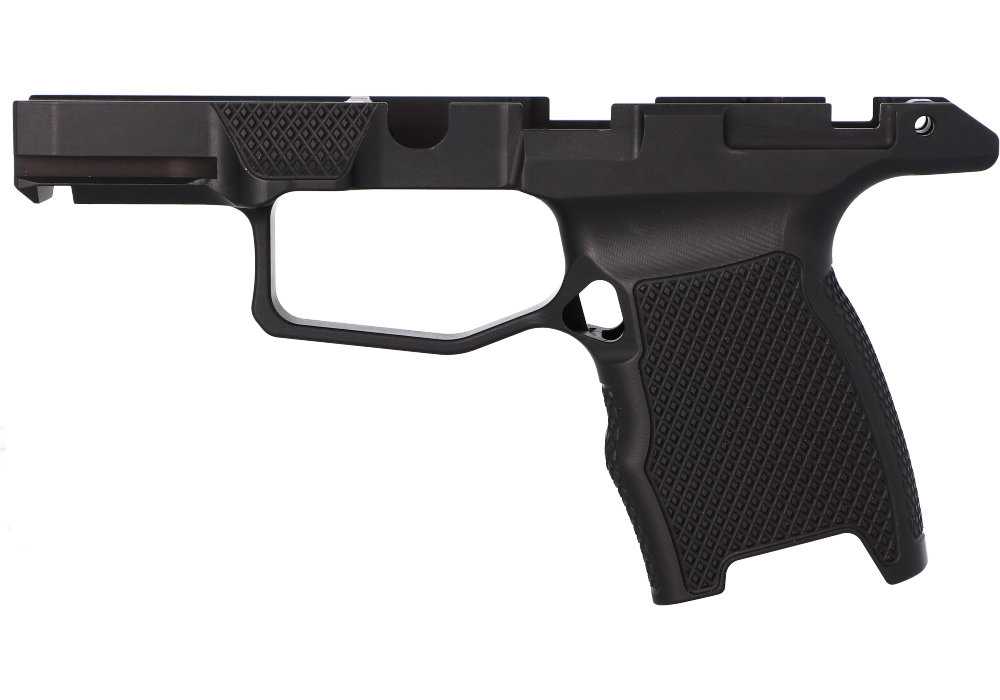
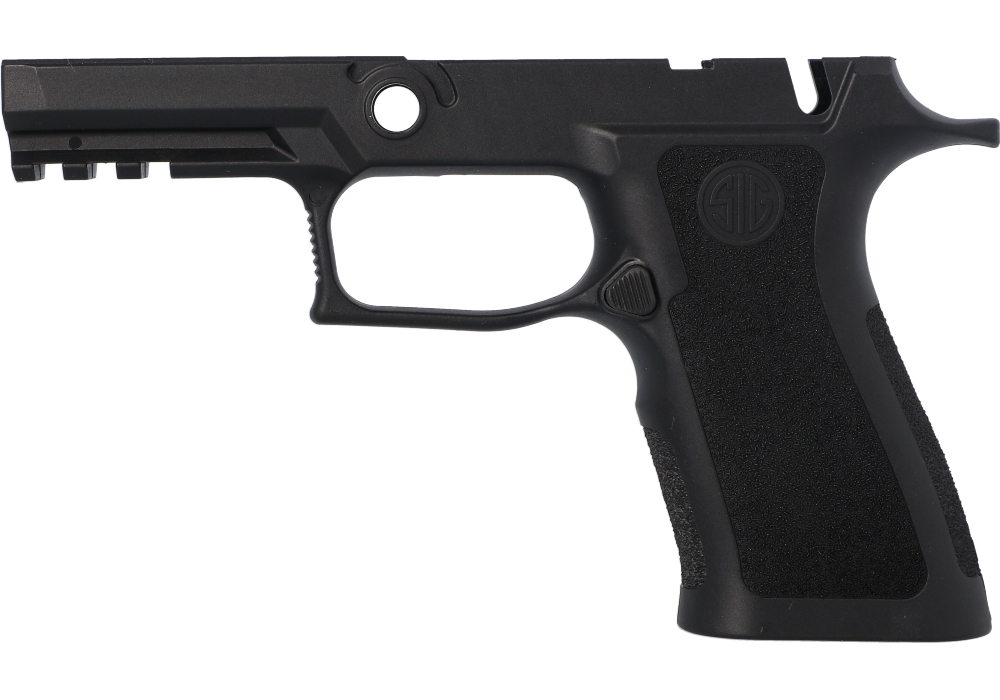
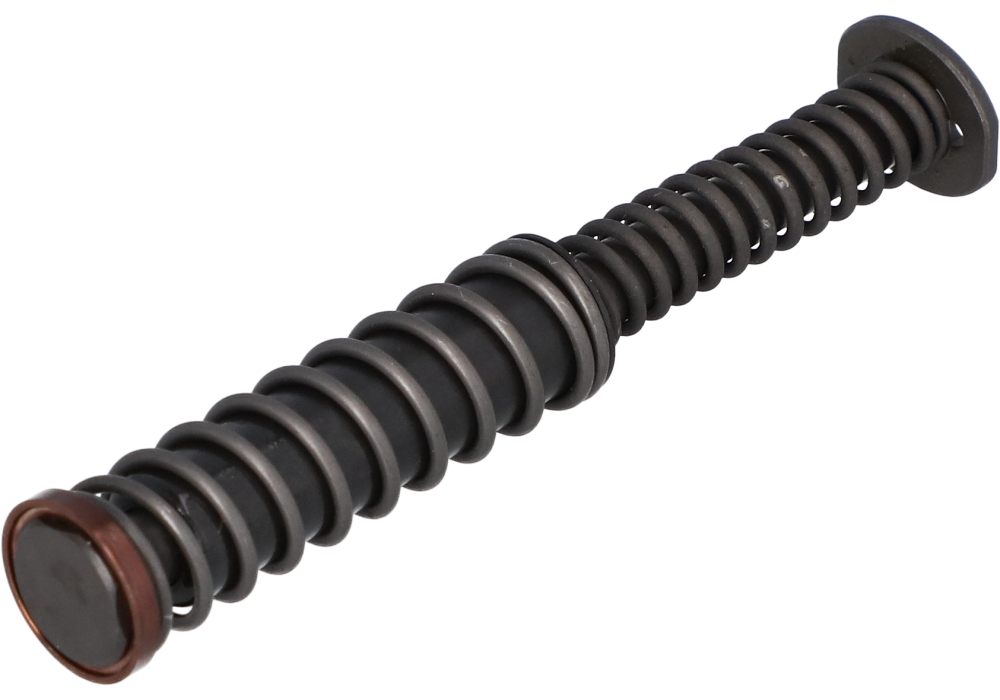
Improvements for handguns can make a familiar pistol easier to see, easier to control, and more comfortable to use without changing the role it already serves. The right choice begins with the exact make and model of the handgun, since fitment varies between frame sizes, generations, calibers, mounting systems, and magazine designs. A concealed-carry handgun may benefit from a low-profile sighting solution, a more secure grip surface, or an accessory that supports consistent presentation without adding unnecessary bulk. A home-defense handgun may call for clearer sight visibility and a dependable weapon-mounted light to help identify what is in front of the muzzle in dim conditions. A competition handgun may be set up around faster sight acquisition, a more stable grip, and magazine accessories that support efficient reloads. These categories overlap, but the best improvement is the one that addresses a specific limitation in the way the handgun is carried, stored, handled, or practiced with. Red dot optics are popular for their ability to provide a visible aiming reference while keeping the shooter’s attention oriented toward the target, though compatibility with the slide, mounting footprint, holster, and training habits should be confirmed before purchase. Upgraded sights can provide a crisp, highly visible reference in changing light, and they may be especially useful for shooters who find the factory sight picture difficult to distinguish against dark backgrounds. Weapon-mounted lights can assist with identification and navigation in low-light environments, but they also require a compatible holster and deliberate practice so the light is used responsibly without treating illumination as a substitute for identifying a target. Grip enhancements, textured panels, sleeves, and related accessories can help a handgun feel more secure in the hand, particularly when hands are wet, gloved, or affected by recoil. Magazine extensions may provide additional gripping surface or improve handling during reloads, but they should be selected for the correct magazine and tested for reliable fit and function. For anyone comparing options, the most useful starting point is a simple assessment of what feels slow, unclear, uncomfortable, or inconsistent during supervised range practice.
Accuracy-related upgrades deserve the same careful attention to compatibility and purpose. A handgun that prints consistently on paper may still feel difficult to use if the sights are hard to align, the grip shifts during recoil, or the trigger reach does not suit the shooter’s hand. Conversely, an accessory cannot compensate for poor fit, unfamiliar controls, or a lack of practice. Shooters looking to refine their setup can explore Pistol Accuracy Enhancements while considering how each option supports a repeatable sight picture and a steady grip. Small changes can be noticeable: a brighter front sight may stand out against a shaded berm, a more comfortable grip surface may reduce distractions during a long practice session, and a properly fitted optic may make it easier to return to the aiming point after recoil. The intended use should guide every decision. For concealed carry, check the combined dimensions of the handgun and accessory, the availability of a secure holster, clothing clearance, and whether the added equipment remains comfortable during ordinary movement. For home defense, consider how the accessory interacts with storage, access, low-light conditions, and the need to positively identify a potential threat before any action is taken. For range use and competition, examine sight recovery, control layout, magazine handling, and the rules of the division in which the handgun will be used. Any modification should be installed according to the manufacturer’s instructions or by a qualified gunsmith when specialized fitting is required. After installation, verify that the handgun remains unloaded during inspection, confirm that controls operate as intended, and conduct appropriate function checks and live-fire testing in a safe, lawful environment. A few careful sessions can reveal whether an improvement genuinely helps or simply adds weight and complexity. Reliability should remain the priority, and accessories that interfere with the slide, controls, magazines, holster, or safe storage routine deserve a closer review before they become part of a regular setup.
These products can also make thoughtful gifts for responsible handgun owners, especially when the recipient has already identified a practical need. A shooter who spends cooler months at an indoor range may appreciate clearer sights, a comfortable grip accessory, or a compatible magazine extension that makes practice more enjoyable. Someone preparing a handgun for a new role may value a properly matched holster, a weapon-mounted light, or an optic-ready accessory, provided the exact model and mounting requirements are known. Gift shoppers should resist guessing when compatibility is uncertain; asking for the handgun’s complete model designation, checking a wish list, or choosing a gift card can prevent an otherwise useful present from becoming an incorrect fit. Newer shooters may benefit most from improvements that simplify the sight picture and make the handgun feel secure, while experienced shooters often have more specific preferences based on hand size, carry method, competition rules, or established training habits. During warmer weather, lighter clothing can make concealed-carry comfort and accessory dimensions more noticeable, while cooler months may bring gloves, layered clothing, and different lighting conditions that affect visibility and handling. Across every season, a well-chosen handgun improvement should support safe storage, responsible carry, dependable operation, and confident handling rather than encourage unnecessary alteration. Keep records of the accessories selected, retain original components when practical, and periodically inspect mounting hardware, grip surfaces, sights, lights, and magazines for wear. The most successful setup is rarely the most elaborate one; it is the combination that fits the handgun, suits the owner’s purpose, and performs predictably each time it is handled.