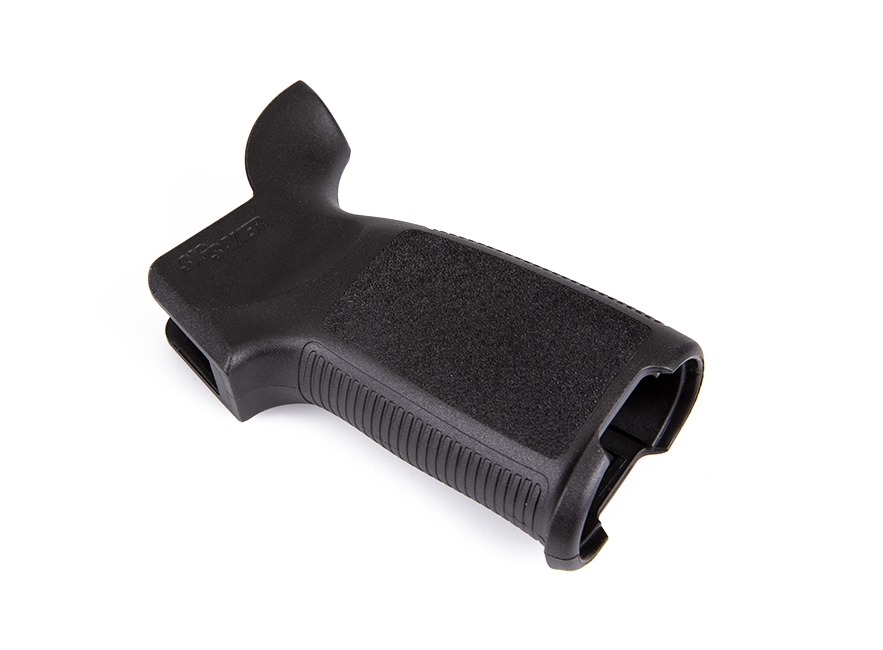
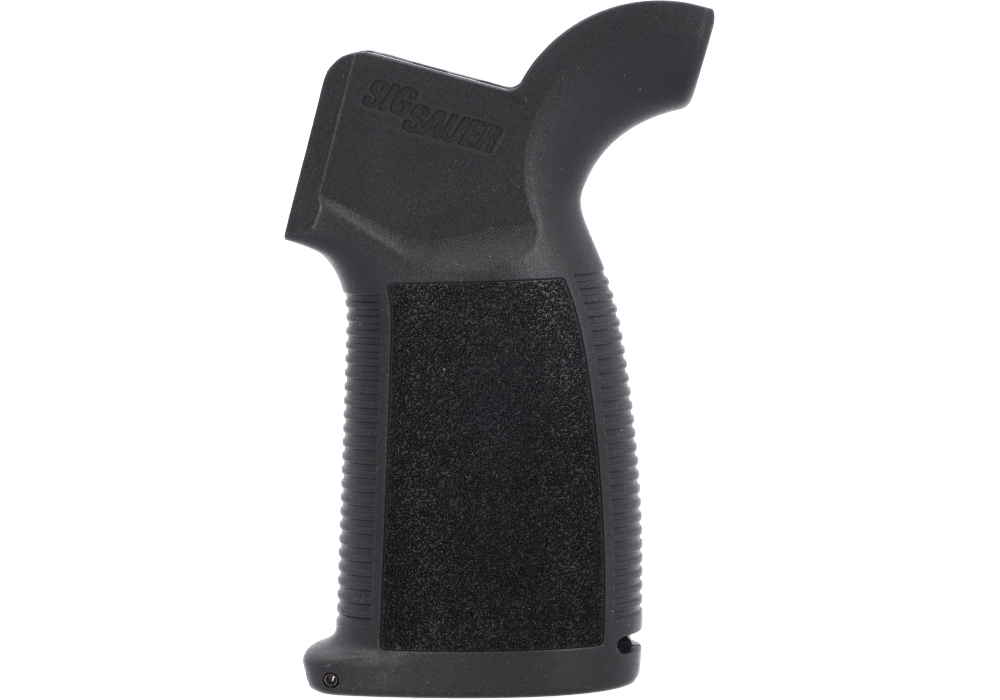
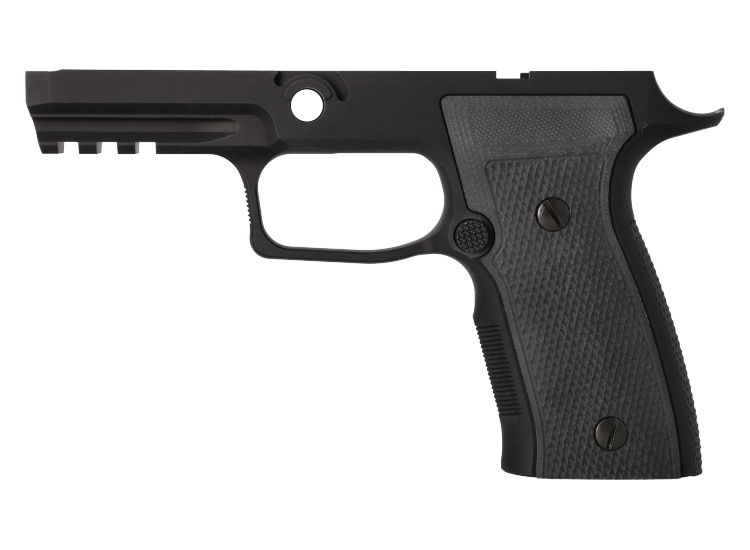
Pistol grip improvements can make a meaningful difference in how a handgun feels in the hand, especially when an owner is refining fit, traction, and control for range practice, training, or lawful personal protection. This category may include textured grip wraps, rubberized sleeves, replacement grip panels, interchangeable backstraps, beavertail-style extensions, and other accessories designed to help a shooter establish a more secure and repeatable hold. The right choice depends on the pistol’s exact make and model, the shooter’s hand size, and the conditions in which the firearm is used. A grip that feels comfortable during a relaxed indoor range session may feel very different with bare hands, gloves, perspiration, or cooler weather. Before purchasing, confirm frame dimensions, attachment points, included hardware, and compatibility with factory controls. It is also worth considering whether the accessory changes the overall circumference of the grip, affects storage fit, or interferes with a holster, magazine pouch, case, or safe. Shooters with smaller hands may prefer a slimmer profile or a shorter reach to the controls, while those with larger hands may benefit from added palm swell, more pronounced texturing, or a backstrap that fills the hand without creating pressure points. A well-fitted grip should support a consistent hold without forcing the fingers into an awkward position, and its texture should provide traction without becoming uncomfortable during longer practice sessions. For shoppers exploring handguns built around adaptable ergonomics, Pistols With Versatile Grip can provide useful context when comparing grip fit and configuration.
Grip accessories are often selected to improve traction and help the shooter maintain a stable relationship with the frame during recoil. A textured wrap or sleeve can add friction to smooth factory surfaces, helping the firing hand stay planted when conditions are warm or hands are damp. Replacement panels and backstraps can change the contour of the grip, allowing the shooter to fill the palm more naturally and reach the trigger without stretching or crowding the trigger finger. Some shooters look for a pronounced palm swell, while others prefer a flatter profile that makes it easier to reposition the hand or conceal the pistol. A beavertail-style feature may help protect the hand from slide movement and encourage a higher hold, but the fit should be evaluated carefully with the shooter’s normal grip and the firearm’s operating controls. During a proper two-handed hold, the web of the dominant hand generally sits as high as practical on the backstrap or beavertail, with the support hand covering exposed grip area and adding firm, even pressure from the sides. The lower three fingers of the dominant hand wrap around the front strap, while the support hand helps fill gaps and limit movement. Many shooters find that keeping the wrists firm, aligning the forearm behind the frame, and maintaining steady pressure throughout a string of fire helps reduce muzzle movement and improves consistency. These fundamentals are not substitutes for qualified instruction, and any grip accessory should be tested safely at a supervised range before being relied upon for defensive use. Pay close attention to whether the texture causes hot spots, whether the grip shifts during firing, and whether the accessory remains secure after repeated handling. Permanent work such as stippling, frame reshaping, or a trigger-guard undercut should be performed only by a qualified gunsmith, since altering the frame can affect function, safety, warranty coverage, and resale value.
Pistol grip improvements can suit a wide range of owners, from a new shooter building confidence with a properly fitted handgun to an experienced competitor fine-tuning the feel of a familiar platform. They can also make thoughtful gifts for a licensed firearm owner, range partner, or training student, provided the giver confirms the exact pistol model and the recipient’s preferences before ordering. Grip texture is highly personal: one shooter may value an aggressive surface that stays locked in during rapid strings, while another may favor a softer rubberized feel for comfortable practice during the cooler months. A replacement backstrap or grip panel can be a practical choice for someone whose hands have changed, who regularly wears gloves, or who wants a more consistent fit across different sessions. Wraps and sleeves are often appealing to owners who want a reversible adjustment without permanently modifying the firearm, while factory-compatible components may be preferable to those seeking a clean, integrated appearance. Consider how the accessory affects magazine changes, the reach to the magazine release and slide stop, the position of the trigger finger, and the ability to draw safely from the intended holster. Any installation should be completed with the firearm unloaded, the chamber and magazine well checked, and the owner’s manual available; after installation, inspect for loose edges, exposed fasteners, interference with controls, or movement between the accessory and frame. Firearms should always be handled in accordance with the owner’s manual and applicable laws, stored securely when not in use, and carried only in a suitable holster that protects the trigger guard. As the weather warms or during cooler range days, a grip that provides dependable traction and natural hand placement can help an owner practice with greater comfort and repeatability, making grip-focused accessories a practical part of a broader effort to find the right fit.