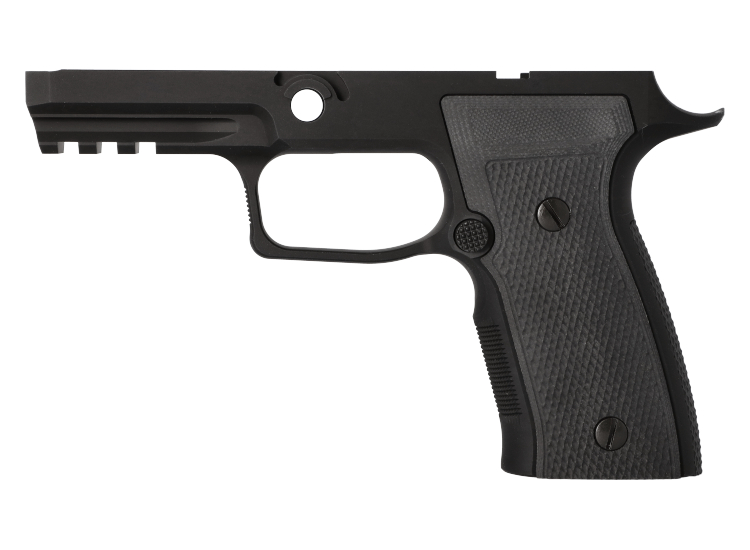
Pistol grip modules with improved recoil control bring together grip geometry, surface texture, and material weight to help a compatible pistol feel more settled in the hand. On modular pistol platforms, the grip module forms the exterior structure around the internal fire-control assembly, defining much of the firearm’s shape, balance, and contact with the shooter. Its contribution to recoil management comes from how securely and comfortably that structure fits the hand, along with the influence of its weight on the complete pistol. A thoughtfully shaped module can support consistent hand placement and limit unwanted movement between the palm and grip, while a heavier construction can change the perceived recoil impulse and overall balance. These benefits are not identical for every shooter: hand size, ammunition, pistol configuration, and technique all affect the result. Palm swells, backstrap contours, and the transition beneath the trigger guard deserve particular attention because they determine whether the grip feels naturally supported or creates pressure in a small area. A broad grip may fill a larger hand comfortably yet feel cumbersome to someone with shorter fingers. A slimmer profile may provide easier reach to the controls without delivering the same sense of support through the palm. Texture matters just as much as shape. Molded patterns, stippled surfaces, and machined textures provide different levels of traction, from understated surfaces suitable for frequent carry to more pronounced treatments favored for range use. The strongest texture is not automatically the best choice; comfort during an extended practice session and friction against clothing are practical considerations, too. For target shooters, recreational range visitors, and owners seeking a better-fitting modular pistol, recoil-focused grip modules offer a way to refine the interface between hand and firearm. The most useful distinction is not simply whether a module feels heavier or looks more sculpted, but whether its contours, texture, and balance suit the intended use without compromising access to controls or compatibility with the rest of the pistol.
Material selection gives recoil-control grip modules much of their individual character. Polymer typically keeps overall weight lower and offers considerable flexibility in molded contours and texture, which can appeal to owners who carry their pistol regularly or prefer a lighter range setup. Aluminum alloy modules provide a rigid structure and can add weight compared with lightweight polymer alternatives, although the actual difference depends on dimensions and construction. Their machined surfaces may also allow distinct contouring, defined texture patterns, and substantial contact areas. Weighted polymer formulations, including those incorporating dense materials such as tungsten, offer another approach, combining a polymer-based structure with additional mass. None of these materials guarantees a particular recoil reduction on its own. Weight distribution matters alongside total weight, and a module that feels reassuring on a range pistol may feel less comfortable during everyday carry. Surface finish is another consideration, especially around areas that contact holsters, clothing, and the hand. Repeated use can leave cosmetic wear on exposed edges without necessarily affecting function, while cracking, deformation, or damage around critical interfaces requires closer attention. Fit should take priority over any promised handling benefit. Grip modules are platform-dependent components, not universal replacements, and compatibility can vary with the fire-control assembly, slide configuration, magazine format, controls, and other parts of the complete firearm. A familiar outline or similar size is not enough to establish a match. Manufacturer specifications provide the appropriate basis for selection, with qualified assistance useful when a configuration is uncertain. External features deserve the same scrutiny. A wider grip, pronounced thumb ledge, altered trigger-guard shape, or flared magazine well may change how the pistol fits an existing holster or how comfortably it carries. Some designs include an accessory rail, but its dimensions and compatibility should be confirmed separately. Considering the complete setup helps avoid choosing a module whose attractive grip texture or added weight comes with an unexpected fit limitation elsewhere.
Choosing among pistol grip modules with improved recoil control is ultimately a matter of matching the product’s characteristics to the owner’s routine. Someone who spends most of a range visit practicing deliberate target shooting may appreciate a substantial grip with comfortable palm support and a balanced feel. A recreational competitor may favor defined texture and contours that remain comfortable through repeated handling, while an everyday carrier may place greater emphasis on restrained dimensions, manageable weight, and a surface that does not rub excessively against clothing. Owners with smaller hands often benefit from paying close attention to grip circumference and reach rather than assuming a larger module will offer better control. Those with larger hands may prefer additional room through the backstrap and palm, provided the controls remain accessible. Extended handling can reveal differences that are easy to miss at first: a sharp texture boundary beneath a finger, a swell that presses into the palm, or an edge that interferes with a comfortable hold. For shoppers who prefer familiar contours and understated styling, Classic Style Pistol Grip Modules provide a related category to explore alongside more pronounced recoil-focused designs. Long-term satisfaction also depends on straightforward care. Textured surfaces can collect lint, skin oils, and range residue, so cleaning should follow the manufacturer’s recommendations for the module’s material and finish. Aggressive solvents, abrasive tools, and unapproved surface alterations can harm finishes or change fit; routine inspection is a better approach than treating visible wear as a reason for improvised repairs. Any maintenance should take place with the firearm unloaded and in accordance with its manual. As a gift for a responsible firearm owner, a grip module calls for confirmed platform compatibility and a clear understanding of the recipient’s preferences, since grip shape is personal and existing accessories may influence the choice. A well-matched module combines durable construction, comfortable contact surfaces, suitable weight, and dependable fit, supporting a more consistent handling experience without relying on exaggerated promises about recoil.