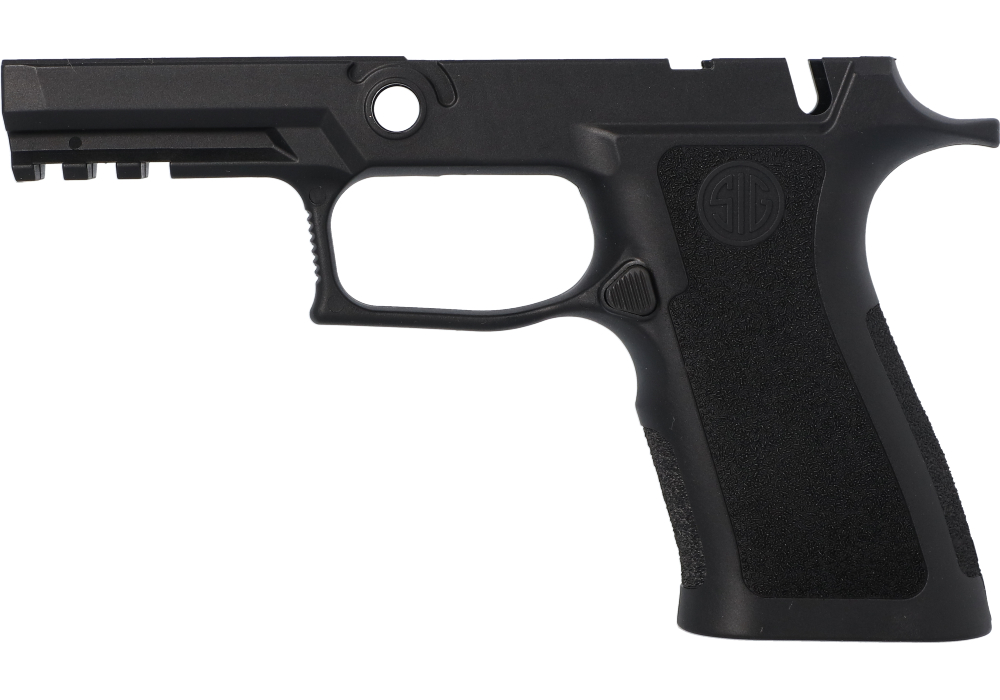
Pistol grip modules for fall hunting bring fit, surface texture, and field durability into focus for hunters who carry a compatible modular handgun. A damp glove, a rain-soaked jacket cuff, or a long walk beneath a loaded pack can make small differences in grip shape more noticeable than they seem at an indoor counter. On modular pistol designs, a grip module generally provides the external grip housing around a separate fire-control assembly, rather than functioning as a simple set of replacement grip panels. Its dimensions influence how the handgun rests in the hand, while its material and construction contribute to overall weight and balance. Palm shape, grip circumference, and backstrap contour deserve attention because a comfortable fit for one hunter may feel bulky or narrow to another. A broader palm swell can fill a larger hand, while a slimmer profile may better accommodate shorter fingers; neither shape is automatically preferable for every user. Fall hunting also introduces a practical consideration that bare-handed comparisons can miss: gloves change the relationship between the hand and the grip. Seams, insulation, and fabric thickness can affect comfort, so glove compatibility involves more than a textured surface. Texture should offer useful purchase without creating uncomfortable pressure points or catching excessively against clothing. Coarse patterns may feel secure through light gloves yet become abrasive against an uncovered hand over an extended outing. More restrained textures can be comfortable to carry, although their feel with wet gloves may differ. The contour beneath the trigger guard and along the upper rear of the grip also contributes to comfort. For hunters traveling between wooded trails, field edges, and sheltered stands, the most relevant features are those that suit the actual firearm, the user's hands, and the way the handgun will be carried. A grip module does not establish whether a handgun is suitable or lawful for hunting; that depends on the complete firearm, applicable regulations, and its intended role.
Material selection gives pistol grip modules distinct characteristics beyond appearance. Polymer is commonly associated with relatively low weight and resistance to corrosion in the module body, qualities that can matter during a long approach or repeated exposure to damp conditions. It still requires appropriate care: embedded grit, unsuitable solvents, and prolonged exposure to excessive heat can affect surfaces or materials. Aluminum brings a different feel and often additional weight compared with similarly sized unweighted polymer designs, although actual specifications matter more than broad material labels. A metal module can feel colder against bare skin in frosty conditions, while its protective finish may show wear where it repeatedly contacts a holster or other equipment. Weighted polymer constructions offer another combination of material feel and mass, but not every design uses the same composition or distributes weight in the same way. A heavier module changes the balance of the complete handgun and adds to the weight carried throughout the day; a lighter one reduces that burden without necessarily providing the same feel. Surface coatings, molded textures, and machined patterns also vary in how they respond to abrasion and routine cleaning. Muted colors can coordinate with field equipment, but color alone says little about durability or mechanical compatibility. Compatibility remains the deciding consideration. A familiar family name or similar exterior profile is not enough to establish fit across different handgun sizes, generations, chamberings, or configurations. Relevant specifications can include the compatible fire-control assembly, manual-safety provisions, slide and frame dimensions, magazine fit, and any requirements associated with the firearm's original configuration. A module intended for one arrangement should not be assumed to support another simply because the parts appear similar. Holster fit deserves separate attention, particularly when exterior contours, trigger-guard shape, or accessory-rail dimensions differ. The complete combination must remain compatible with the holster manufacturer's requirements. Clear technical specifications and manufacturer documentation are more useful than visual comparisons when evaluating a module for an existing hunting setup, especially when several similar configurations share the same general appearance.
Care after field use helps preserve the qualities that matter during the next outing. Fine soil from a trail, moisture carried inside a glove, and lint from layered clothing can settle into textured areas and exposed recesses. Grip modules with pronounced surface patterns may retain more visible debris, while smoother areas can reveal scuffs or finish wear sooner. Cleaning methods should follow the firearm and module manufacturers' instructions, with the firearm unloaded before inspection or maintenance. Appropriate cleaning materials matter because a solvent suitable for one metal component may not be appropriate for a polymer surface, painted marking, or protective coating. Thorough drying after exposure to rain or wet vegetation is important for the complete firearm, including metal components associated with the module. A corrosion-resistant grip body does not make every surrounding part resistant to moisture. Moving from a cold outdoor setting into a warm building can also introduce condensation, so attention to moisture remains relevant even when a hunt ends without rain. Regular inspection can reveal cracks, deformation, unusual wear, or changes in fit that warrant evaluation by the manufacturer or a qualified gunsmith. Worn or damaged components should not be treated as cosmetic concerns without that assessment. Related care considerations are covered in Pistol Grip Modules for Fall Firearm Maintenance. For hunters whose outings extend from autumn rain into frosty conditions, consistent care is more dependable than relying on a material label alone. These modules can also be a practical gift for an experienced handgun owner, provided the exact firearm configuration and the recipient's preferences are known beforehand. Hand size, preferred texture, glove use, and willingness to carry additional weight are personal considerations that cannot be settled by appearance. Whether intended for a hunter's own equipment or selected as a gift, a well-matched grip module combines documented compatibility, comfortable dimensions, suitable materials, and care requirements that fit its intended field use.