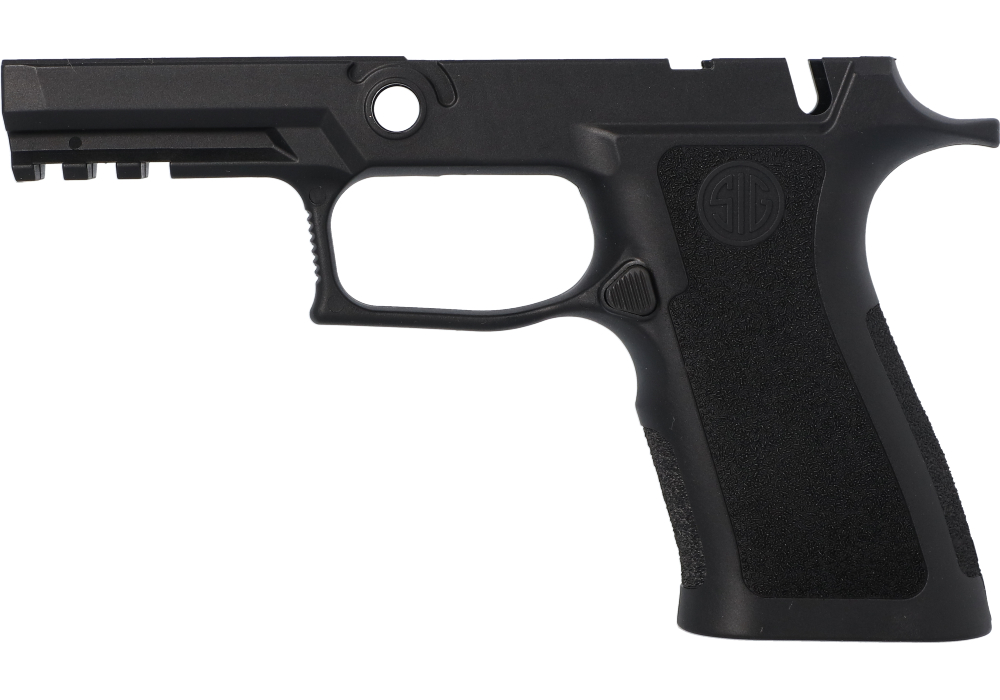
Pistol grip modules give firearm collectors a way to explore differences in feel, appearance, and balance within a compatible modular handgun platform. A grip module is the frame housing that provides the gripping surface and supports the fire control assembly in certain handgun designs. It is distinct from a grip panel, which attaches to an existing frame, and from a sleeve that fits over a grip. In some modular systems, the fire control unit is the serialized component, while the grip module is a separate housing; that distinction depends on the firearm design and applicable law. For a collector, interchangeable modules can bring variety to a familiar platform without treating every configuration as an entirely different handgun. One configuration might emphasize a clean, understated finish for display, while another offers a more pronounced texture for regular range practice. The value lies in the details: the shape of the backstrap, the contour beneath the trigger guard, the transition between textured and smooth surfaces, and the way the grip settles into the palm. Fit deserves more attention than appearance alone. Compatibility with a broad handgun family does not necessarily establish compatibility with every configuration in that family. Frame size, slide configuration, magazine dimensions, manual safety provisions, and manufacturer specifications all matter when comparing options. A shorter grip may suit someone who prefers a compact profile, while a longer gripping surface can provide additional room for the support hand. Neither automatically guarantees better comfort. Hand size, finger length, and the position of the controls influence whether a particular shape feels natural. A collector comparing modules for the same platform may notice that a fuller backstrap changes trigger reach or that a different contour affects access to the magazine release. Those differences are useful reasons to consider grip geometry alongside finish and material. Any change should remain within the configurations approved for the firearm, with manufacturer instructions and a qualified professional providing direction when compatibility or proper fit is uncertain.
Materials give pistol grip modules much of their character, both in the display case and during use. Polymer generally offers relatively light weight, resistance to corrosion, and the ability to incorporate complex contours and texture directly into the housing. Its appeal is not limited to practical shooting; subtle surface patterns, contrasting colors, and distinctive profiles can make polymer modules interesting additions to a collection. Aluminum offers a different tactile impression, with a rigid structure and a substantial feel that may appeal to collectors who appreciate machined surfaces and carefully defined edges. Tungsten-filled polymer and other weighted materials can add mass, changing the balance of a compatible handgun and potentially influencing how movement under recoil feels. Greater weight is not automatically the best choice, particularly when portability is part of the intended use. A module that feels satisfying during a range session may seem less comfortable during lawful everyday carry. Surface texture presents a similar tradeoff. Fine stippling can provide useful purchase without feeling especially coarse against the hand, while deeper patterns may feel more secure but less comfortable during extended handling or against clothing. The location of that texture matters as much as its intensity: a pronounced frontstrap and a smoother side surface create a different feel from a uniformly aggressive pattern. Finishes also deserve close inspection. Even color, clean transitions, and consistent surface treatment contribute to visual appeal, while coatings require care appropriate to their composition. Some frame designs accept separate grip panels, including wood or other decorative materials, but those features should never be assumed to apply to every module. For a collector who alternates between display and range use, practical details such as edges that feel comfortable in the hand and surfaces that are straightforward to clean can be just as important as a distinctive appearance. Durability comes from the suitability of the material, the quality of its construction, proper compatibility, and care over time rather than from weight or looks alone.
A collection of pistol grip modules benefits from the same thoughtful care given to the firearms they accompany. Handling leaves skin oils on surfaces, textured areas can retain debris, and repeated use may reveal wear at contact points. Cleaning methods should follow the manufacturer’s recommendations for the particular material and finish. A treatment suitable for a metal surface may not be appropriate for polymer, a decorative coating, or a wood panel. Gentle cleaning with approved products helps preserve texture and appearance without exposing the module to unnecessary abrasion or incompatible solvents. Before maintenance or any configuration change, the firearm should be unloaded and handled according to its manufacturer’s safety instructions. Installation and inspection should follow the instructions for the exact platform, with professional assistance when needed. Cracks, distortion, loose components, or damage around attachment and contact areas warrant attention rather than cosmetic concealment. Storage matters, too. Keeping modules clean, dry, and separated from abrasive objects helps protect their surfaces, while individual labels can prevent confusion between similar-looking configurations. For collectors who retain several options, recording the compatible platform, material, finish, and intended configuration provides useful context long after the original packaging has been opened. Keeping the original module and documentation can also preserve the history of a handgun’s configuration. Collectors can explore Pistol Grip Modules for Fall Firearm Maintenance when considering replacement options as part of a maintenance routine. As a gift for an experienced firearm enthusiast, a grip module is most meaningful when the recipient’s exact platform and preferences are already known. A visually striking finish may suit a display-focused collection, while a familiar contour and moderate texture may better serve someone who spends more time at the range. Guessing at compatibility or hand fit can undermine an otherwise thoughtful choice. The strongest additions to a collection combine a clear purpose with careful attention to detail: a shape that suits the user, a material appropriate to the intended use, and a finish that remains appealing through responsible handling and consistent care.