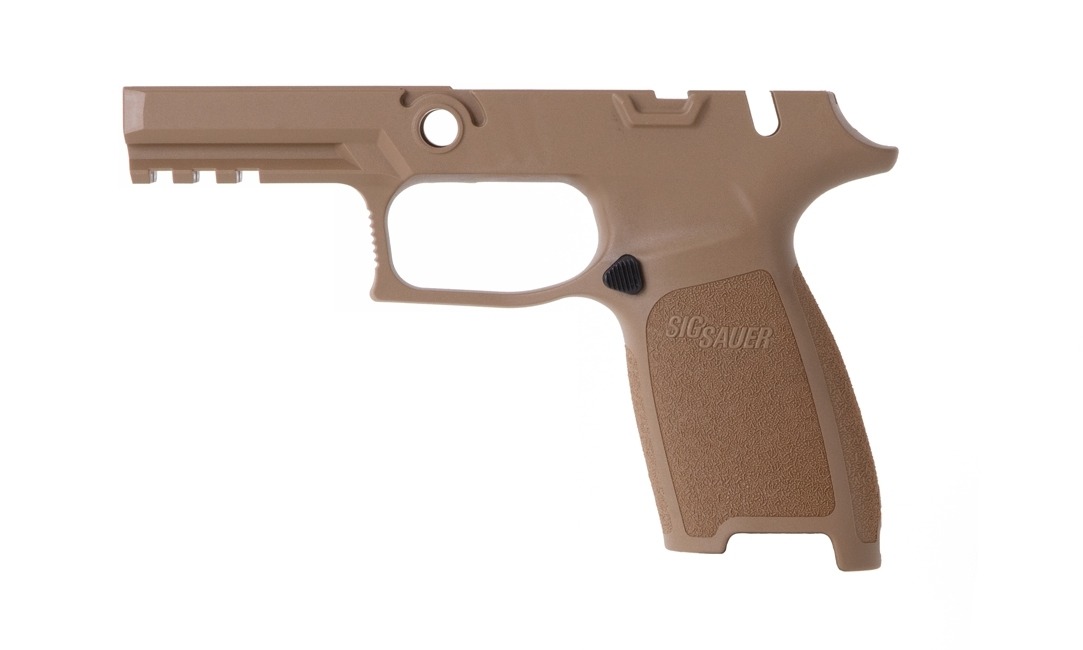
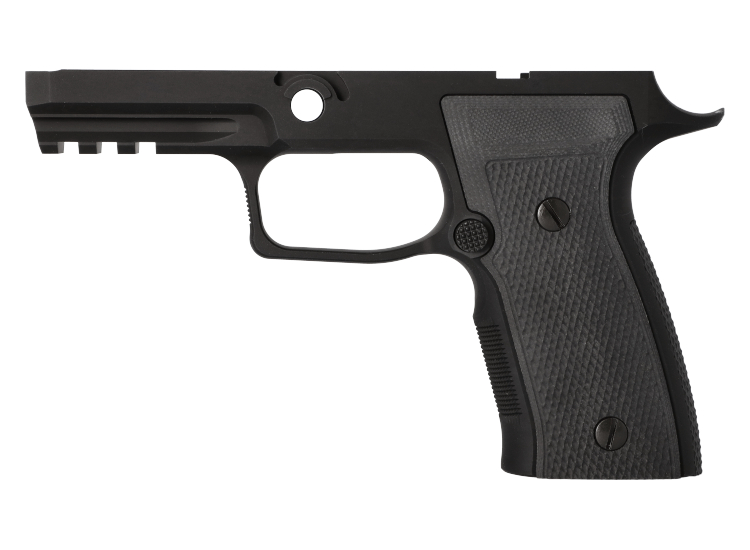
Pistol grip modules for fall firearm projects offer a practical way to revisit the fit, feel, and appearance of a compatible modular handgun without treating every project as a complete rebuild. The grip module forms the housing held in the hand, influencing palm support, finger placement, and the way the handgun rests against the body when carried in an appropriate holster. On some modular platforms, this housing is separate from the internal operating assembly, allowing owners to choose among compatible grip shapes, materials, and finishes. That flexibility can be useful when a familiar handgun feels too narrow through the palm, when a textured surface proves uncomfortable against clothing, or when a range-focused setup feels cumbersome for everyday carry. Compatibility remains the starting point: modules that look similar can differ in their intended platform, frame dimensions, magazine fit, control openings, and safety configuration. A match should follow the firearm manufacturer’s specifications rather than appearance alone. Grip length also deserves attention because it affects hand support, magazine compatibility, and the overall profile of the handgun. A shorter grip can occupy less space beneath clothing, while a longer grip may provide a fuller resting surface for the hand; neither shape is automatically the better choice for every owner. Fall projects often bring another consideration into focus: the difference between handling a handgun with bare hands at an indoor range and handling it with suitable gloves during an outdoor session. Palm coverage, texture, and clearance around the controls can feel noticeably different between those settings. A useful grip choice accommodates the intended use without relying on extra bulk or unusually aggressive texturing to compensate for poor fit. For owners refining an established setup, the most meaningful change may be a more comfortable contour rather than a dramatic visual transformation. A module should suit the person using it and remain compatible with the surrounding equipment, including the holster, magazines, and any manufacturer-approved accessories already in use.
Materials contribute to that experience in ways that extend beyond appearance. Polymer grip modules generally offer relatively low weight and can incorporate molded textures, rounded edges, and distinct palm contours within the housing itself. For a handgun carried for extended periods, that lighter construction can be an important consideration, especially when the complete setup also includes a holster and spare magazines. Metal modules, including aluminum designs, typically bring a different sense of heft and surface feel, although actual weight varies with dimensions and construction. Some owners prefer that more substantial feel for recreational range use; others value keeping their carry equipment lighter. Material alone does not determine comfort or durability. Wall thickness, geometry, finish, and the quality of the interface with the intended firearm all contribute to how a module holds up over time. Texture deserves equally careful attention. A pronounced pattern may feel reassuring in a gloved hand but abrasive where it contacts an undershirt, while a smoother surface can feel comfortable against the body yet offer a different sensation when damp. The best balance depends on the contact points that matter most during normal use. Imagine an autumn range visit with a light jacket, a damp shooting bench, and gloves that come off between strings: the grip should remain comfortable across those ordinary changes rather than suit only one brief handling impression. Color and finish can also help establish the character of a project, whether the preference is a restrained, uniform look or a contrasting grip against the rest of the handgun. Finishes still require appropriate care. Cleaning methods should follow the module and firearm manufacturers’ recommendations, since strong solvents, abrasive tools, and incompatible treatments can affect polymer surfaces or protective coatings. Routine inspection can reveal worn texture, cracks, damaged edges, or an uneven fit before those conditions become more serious concerns. After exposure to moisture, dirt, or perspiration, suitable cleaning and drying help preserve the grip’s condition. A durable module is not a maintenance-free component; it is a part whose material, finish, and upkeep suit the demands placed on it.
The intended use gives a fall firearm project its direction. A recreational shooter may prioritize a comfortable grip for repeated range visits, while a lawful carry owner may place greater emphasis on clothing contact, holster compatibility, and overall dimensions. Someone preparing equipment for time outdoors may think first about gloves, exposure to moisture, and the ease of keeping textured surfaces clean after travel along dusty trails or muddy access roads. For that field-oriented context, Pistol Grip Modules for Fall Hunting provides a related selection centered on the hunting season. A grip change does not need to serve every setting equally well, but it should reflect the situations in which the handgun will actually be used. The module that feels comfortable during a brief inspection may feel different after a long drive, several hours of holstered carry, or an extended range session. Clothing is part of that equation too: a textured panel that sits comfortably beside a heavy outer layer may contact the body differently beneath a thinner shirt. These everyday details often matter more than a finish that looks striking in isolation. For a gift recipient who already owns a compatible modular handgun, a grip module can be a thoughtful addition to an established interest in equipment care and personalization, provided the exact platform and preferred configuration are known. Fit is personal, and a recipient’s hand size, existing magazines, holster, and material preferences are more reliable starting points than a guess based on appearance. Projects planned around fall range trips can remain useful well into winter when the emphasis stays on sound compatibility and lasting comfort. Any installation or evaluation should follow the firearm manufacturer’s instructions, with the firearm unloaded and ammunition kept separate from the work area. A qualified gunsmith is an appropriate resource when compatibility or fit is uncertain. The result should be a coherent setup rather than a collection of unrelated changes: a grip that belongs on the intended platform, feels comfortable in the owner’s hand, works with the surrounding equipment, and can be cared for without unnecessary complication.