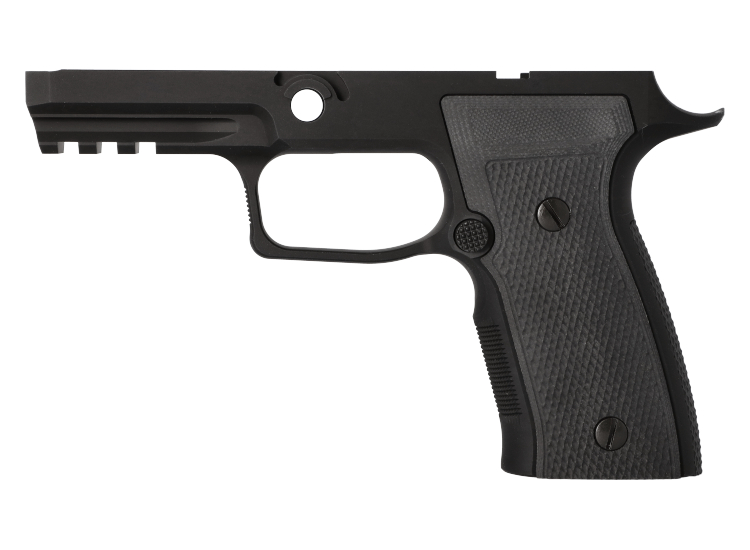
Pistol grip modules are interchangeable grip-and-frame housings for compatible modular handguns, typically constructed from polymer or metal alloys and designed to accommodate a separate fire control unit. They form much of the surface the hand contacts, so their dimensions, contours, and texture have a direct influence on comfort and fit. Unlike grip panels or sleeves, a module can change the shape of the grip body itself, although compatibility depends on the handgun platform and its particular configuration. Pistol grip modules for fall firearm maintenance bring these considerations into a seasonal equipment review, especially when a handgun moves between range sessions, outdoor carry, and storage. A grip that feels comfortable with bare hands may feel noticeably different beneath a pair of gloves, while a pronounced texture can feel different against a jacket lining than against a lightweight shirt. Palm width, finger length, and the distance around the grip all matter more than appearance alone. A fuller backstrap may suit one hand, while a narrower profile may feel less crowded to another. The transition beneath the trigger guard, the contour along the back of the grip, and the shape near the magazine opening also contribute to how naturally the housing sits in the hand. For someone who spends an afternoon at the range, a small pressure point can become more noticeable over time; for someone carrying outdoors, friction against clothing may be the more immediate concern. These are practical distinctions rather than signs that one shape is universally better. Gloves add another variable because their seams, insulation, and palm material affect the space available around the grip and controls. Evaluating those relationships means considering the actual clothing and equipment associated with the handgun, not simply choosing the most aggressive surface or the largest profile. A well-matched module balances the owner's hand dimensions, the firearm's documented requirements, and the intended setting, whether that involves routine practice, lawful carry, or time in the field.
Material and surface finish help distinguish grip modules that otherwise appear similar. Reinforced polymer is common because it combines relatively low weight with resistance to many everyday handling conditions, while metal-alloy housings generally bring greater weight and a different feel in the hand. Neither category is automatically the better choice for every owner. Polymer formulations, alloy specifications, coatings, and construction details vary, and the manufacturer's descriptions provide the most useful basis for comparing them. A lighter housing may appeal to someone who carries for extended periods, while another owner may prefer the substantial feel of an alloy design. In chilly conditions, exposed metal can feel colder against bare skin than polymer, making glove preferences part of the material decision. Texture matters just as much: broad molded patterns, fine stippling, and more pronounced surface treatments each create a different contact surface. Deeper recesses can collect lint, dust, dried mud, or residue from regular handling, while sharper textures may rub against clothing or feel abrasive during prolonged contact. Fall maintenance is a natural occasion to pay attention to those surfaces, particularly after outdoor use involving damp leaves, wet gear, or dusty trails. Care requirements should follow the module manufacturer's guidance, including restrictions on solvents, lubricants, brushes, and other cleaning materials. A product suitable for one firearm component is not necessarily appropriate for a polymer housing, a painted marking, or a protective finish. Durability also involves more than visible scratches. Cracks, distortion, damaged attachment areas, or changes in fit warrant assessment by a qualified professional rather than cosmetic treatment. Ordinary surface wear and structural damage are not interchangeable concerns. Storage conditions deserve similar attention, since moisture trapped in a case or holster can affect the complete firearm even when the grip housing itself resists corrosion. A clean, dry module with intact contact surfaces supports straightforward condition checks and helps keep seasonal maintenance focused on the actual state of the equipment rather than its appearance alone.
Compatibility remains the central consideration when comparing pistol grip modules. Similar outlines do not establish interchangeability, and a familiar platform name may encompass several sizes or generations with different requirements. Relevant specifications can include the fire control unit, slide and barrel configuration, magazine dimensions, manual safety arrangement, and other model-dependent features. Some housings also change the external dimensions that matter to holster fit. A holster that accommodates one grip configuration should not be assumed suitable for another without confirmation from the relevant manufacturers, particularly where retention and clearance are concerned. Magazine fit likewise depends on the complete configuration, including the relationship between the grip opening and the magazine base. Manufacturer documentation, rather than visual resemblance, is the appropriate reference for those details, and installation or fit concerns belong with a qualified professional. For the owner organizing a fall maintenance session, this makes the grip module part of a broader equipment system rather than an isolated accessory. Range users may prioritize a comfortable contour through repeated practice sessions; people who carry may place greater emphasis on bulk, clothing contact, and holster compatibility. Hunters and other outdoor users may also consider glove feel, exposure to dirt, and how easily the exterior can be inspected after a day outside. The related selection of Pistol Grip Modules for Fall Hunting connects these material and fit considerations with seasonal field use. A module can also be a thoughtful gift for an experienced firearm owner when the exact handgun configuration and the recipient's preferences are known, though grip shape is personal enough that assumptions can miss the mark. Across these uses, the most relevant qualities are consistent: documented compatibility, suitable materials, comfortable dimensions, a manageable texture, and care requirements that fit the owner's routine. Those details give pistol grip modules their practical place in fall firearm maintenance and remain useful as equipment moves from autumn outings into winter storage or continued range use.