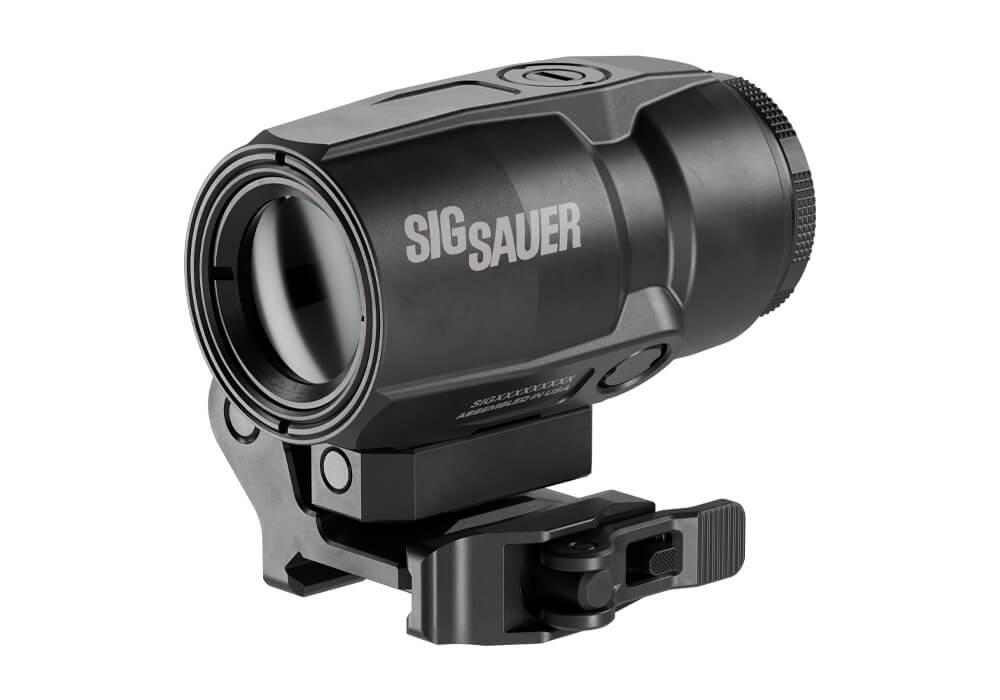
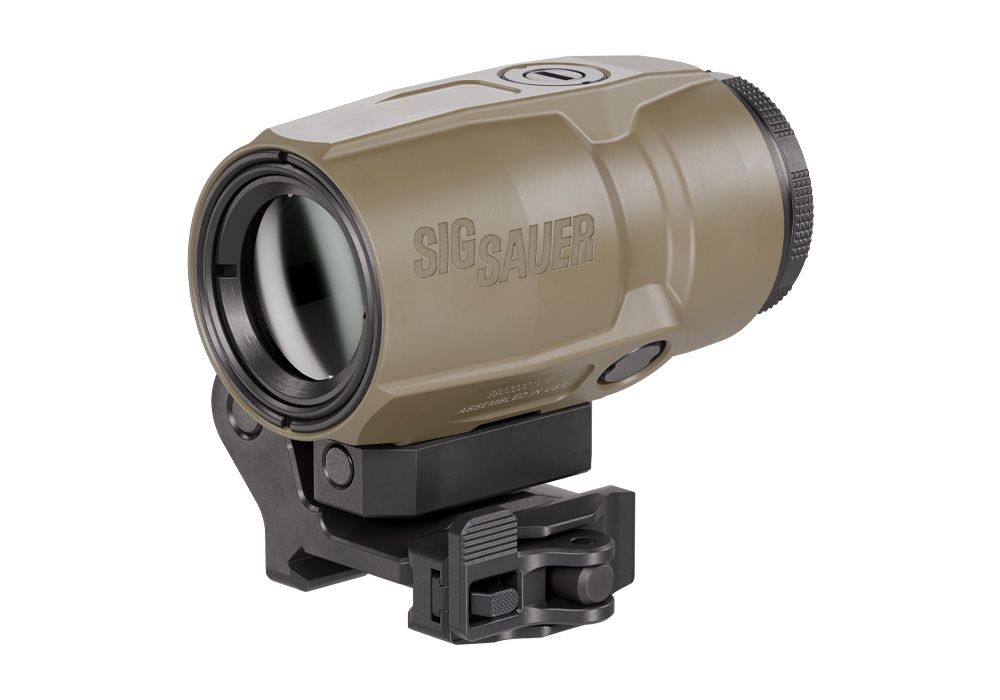
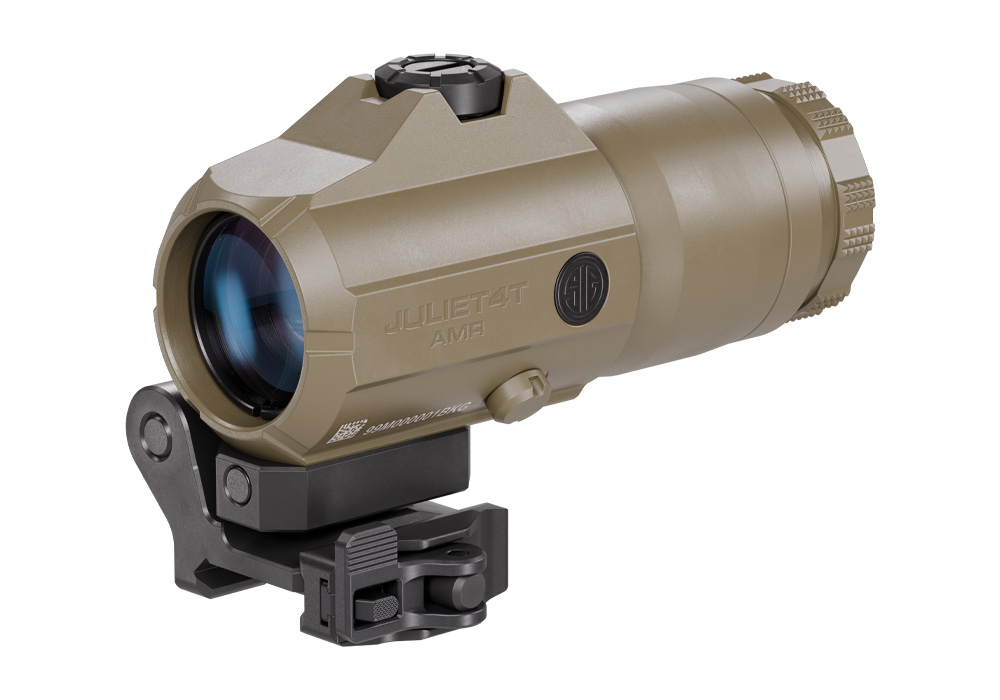
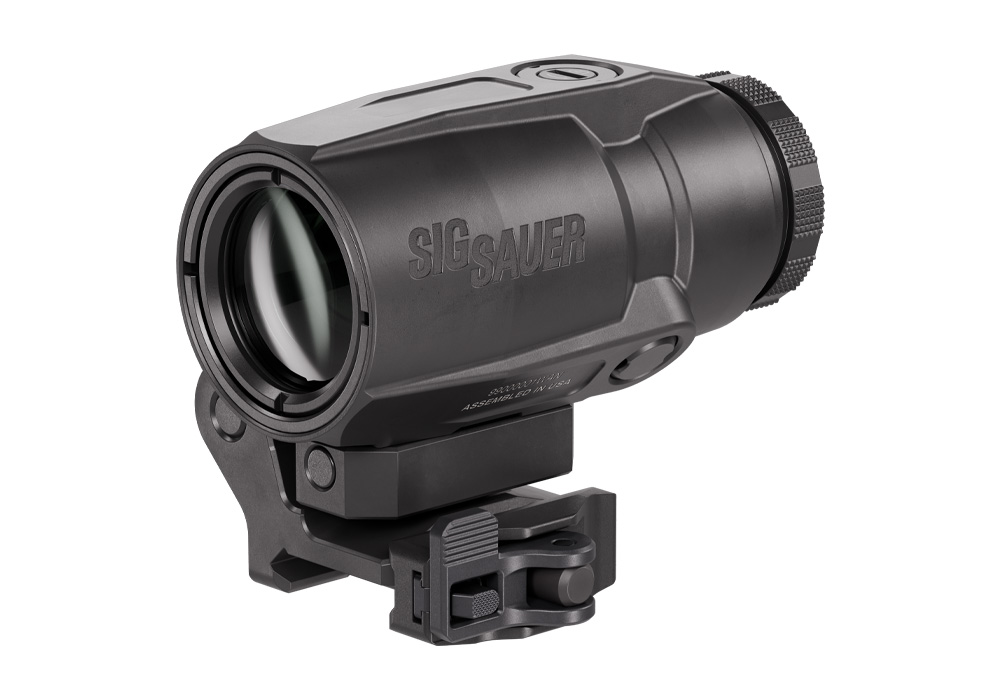
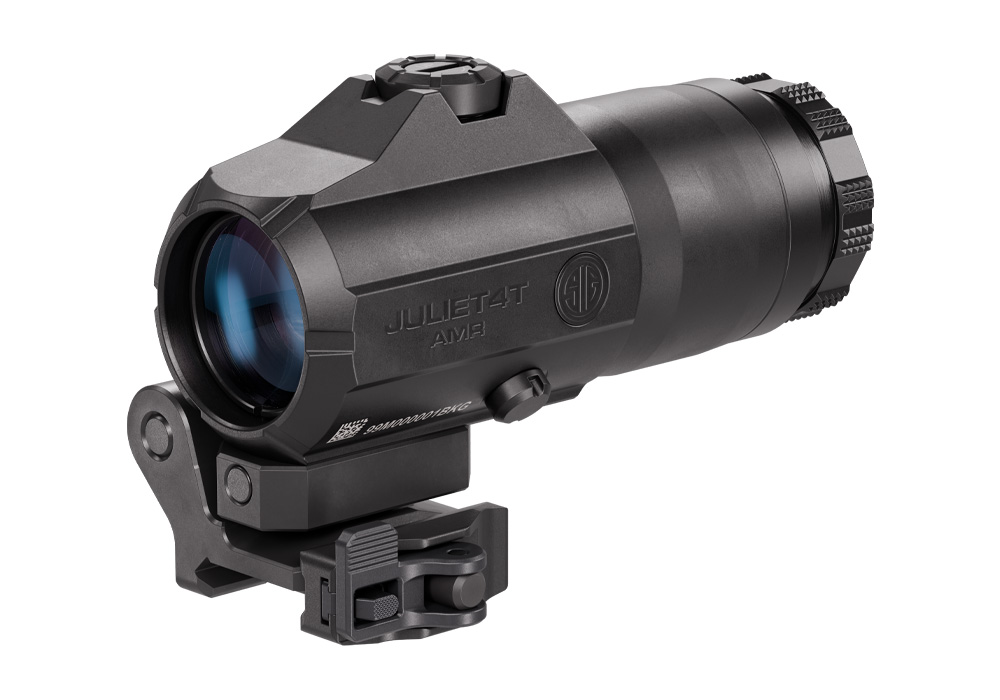
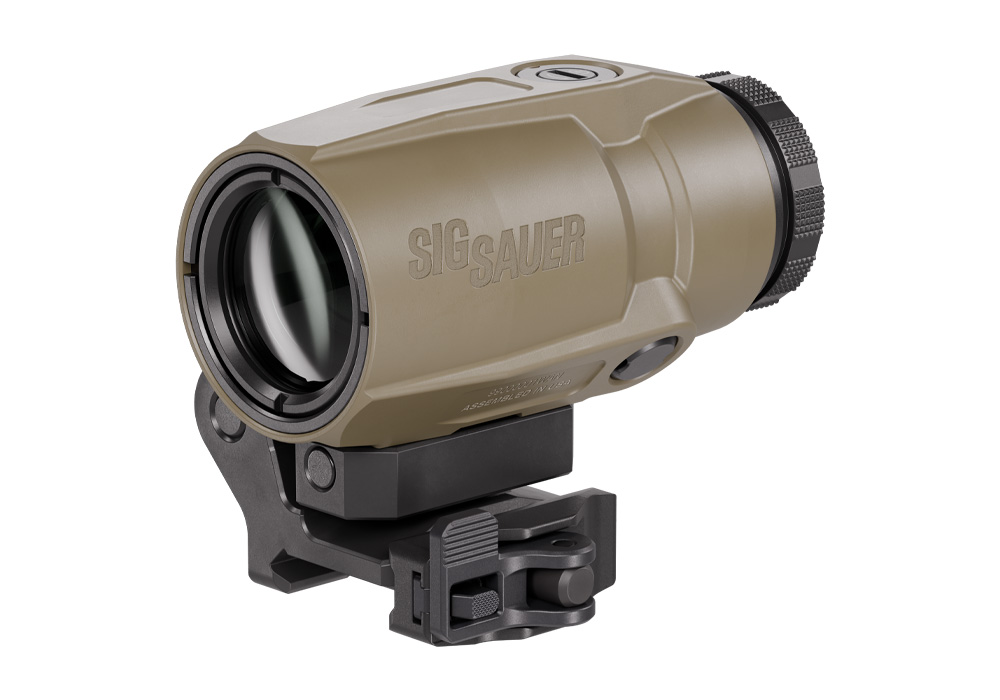
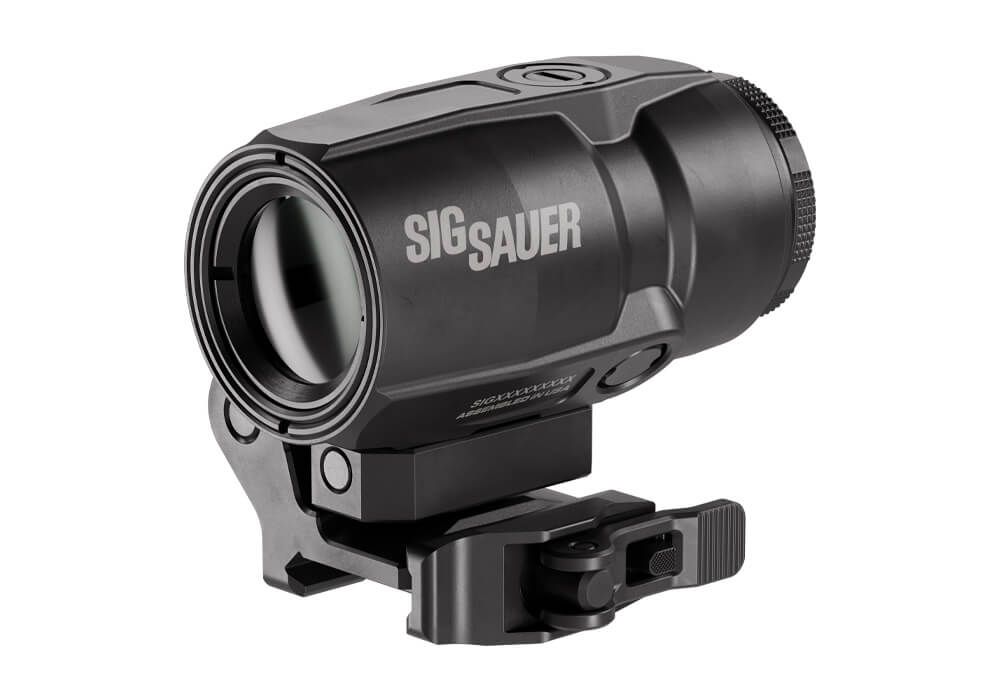
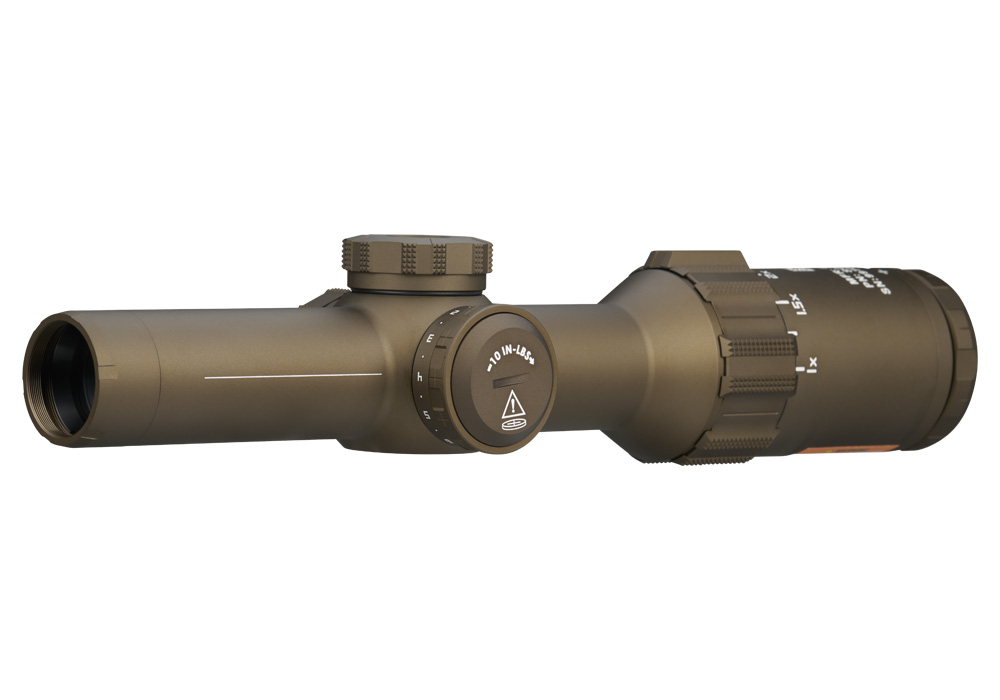
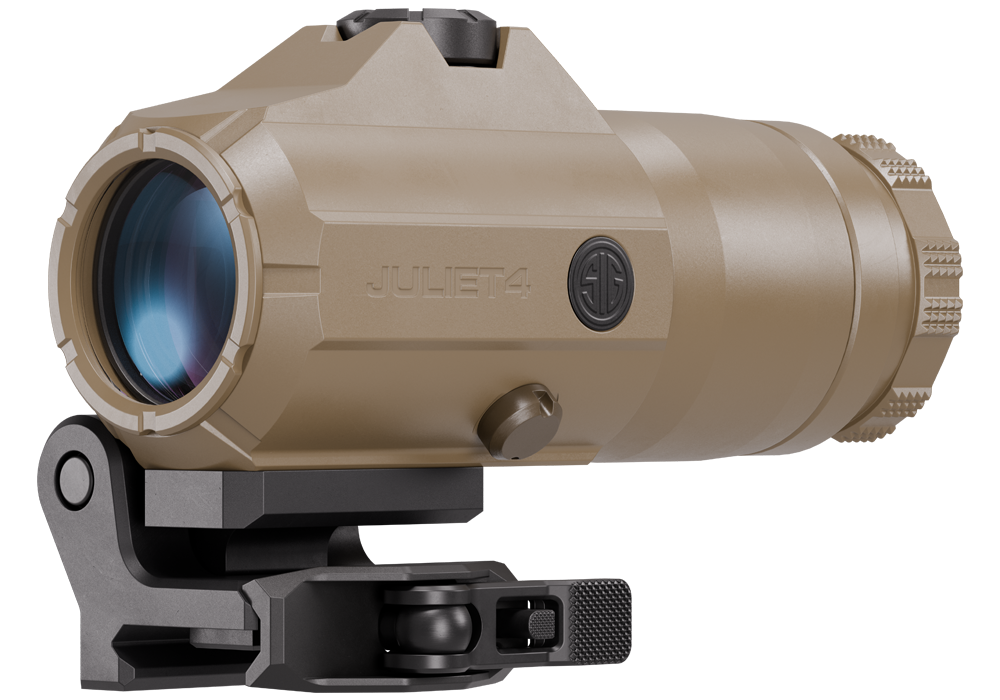
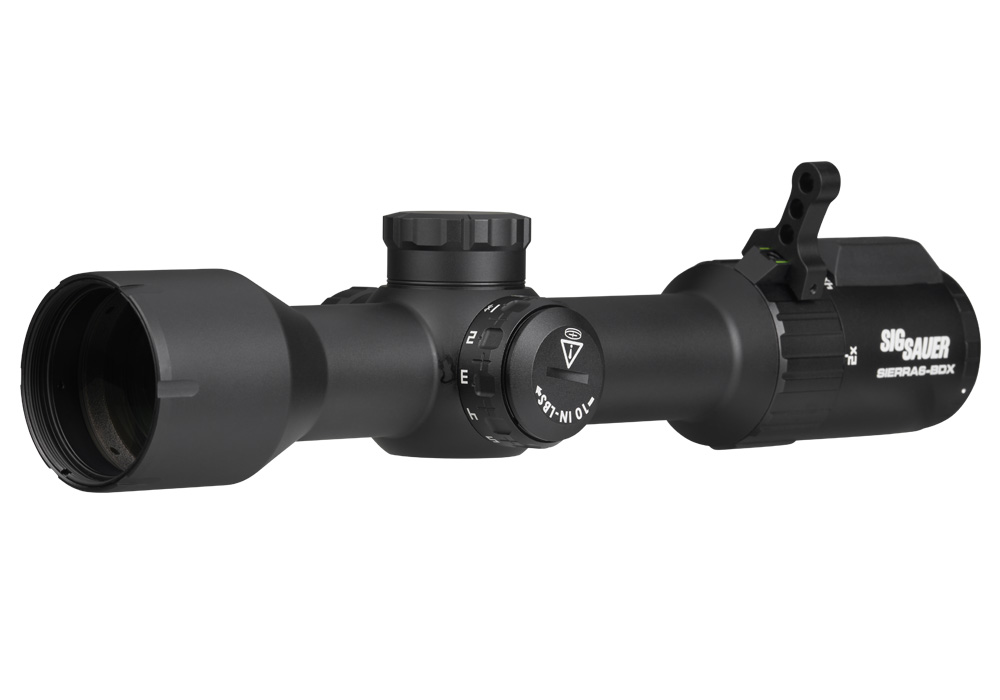
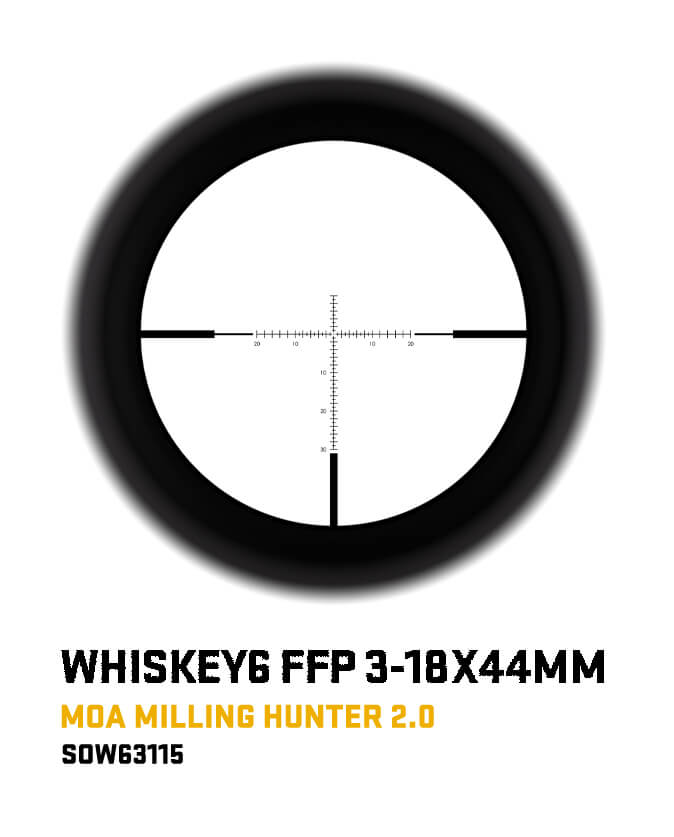
Light transmission magnifiers for rifles are designed to add practical magnification behind a 1x red dot or holographic sight without replacing the fast, uncluttered aiming experience that makes those optics so useful. Common magnification levels range from approximately 3x to 6x, giving shooters a clearer view of targets at extended distances while preserving the option to return to a true 1x sight picture for close-range use. In a typical setup, the red dot remains the primary aiming optic and the magnifier sits behind it on the rifle’s top rail. When the magnifier is aligned with the sight, the dot appears enlarged and can be used for more precise aiming. A flip-to-side mount makes the transition straightforward: move the magnifier into position when additional detail is helpful, then move it aside when speed, peripheral vision, or a wider field of view matters more. This arrangement can be useful on a rifle used for range practice, recreational shooting, training, property observation where lawful, or competition, especially when distances and lighting conditions change during a single session. A carefully selected optic from the Light Transmission Magnifier Optics collection can help make that transition feel natural, provided it is matched to the rifle, primary sight, mounting height, and intended use.
The term light transmission refers to how efficiently an optic passes available light through its lenses to the shooter’s eye. Fully multi-coated lenses are an important consideration because their coatings can reduce reflections, glare, and distracting flare while helping preserve brightness, contrast, and color through the optical system. That performance becomes especially noticeable during the softer light of early morning, overcast afternoons, or the cooler months when a range session may begin beneath a pale sky and end near dusk. Clear glass is only one part of the selection process. Compare the magnifier’s eye relief, field of view, focus range, adjustment system, weight, length, and overall profile. Eye relief affects how easily a shooter can establish a full sight picture, particularly when the rifle is shouldered quickly or used from different positions. A wider field of view can make it easier to locate a target before refining the aim, while a compact, lightweight design may preserve the rifle’s balance and reduce fatigue during extended practice. Diopter focus allows the user to sharpen the reticle as it appears through the magnifier, turning a soft or slightly distorted dot into a more defined point of aim. Many magnifiers also include windage and elevation adjustments for internal alignment with the primary optic. These adjustments are intended to center the magnified image around the dot rather than replace the red dot’s zero, so the primary sight generally does not need to be re-zeroed simply because a properly aligned magnifier has been added. Mount quality matters just as much: quick-detach mounts support removal when the rifle will be used at 1x, while flip-to-side mounts offer a fast change between magnified and unmagnified viewing. Check that the mount height matches the optic, that the rail and mounting hardware are compatible, and that the finished setup leaves enough room for a comfortable cheek weld and an unobstructed view.
Choosing among light transmission magnifiers often comes down to the balance between optical performance, physical size, and the way the rifle is handled. A shooter who spends most of a session moving between close and intermediate distances may value a smooth, secure flip-to-side mechanism and a broad field of view. Someone building a compact carbine may prefer a smaller magnifier that adds useful reach without making the rifle feel front-heavy. Shooters who practice in mixed lighting should pay close attention to lens coatings, contrast, and edge clarity rather than judging an optic only by its magnification number. A durable housing, sealed construction, protective lens caps, and dependable adjustment controls can also be worthwhile for equipment that travels between the safe, range bag, and shooting bench. These optics can make thoughtful gifts for a rifle owner, competitive shooter, outdoors enthusiast, or someone beginning a structured marksmanship program, provided the recipient’s red dot or holographic sight, mounting height, and rail system are known in advance. Before purchasing, confirm the magnifier’s optical axis, eye-relief requirements, mount configuration, and compatibility with the existing rifle setup. Use the equipment only in accordance with applicable laws and range rules, and take time to confirm zero and practice the transition between magnified and 1x viewing from supported and standing positions. As the weather warms or turns cooler, a well-matched magnifier can provide a brighter, more informative sight picture when changing light makes fine details harder to distinguish, while still allowing the quick, unobstructed handling that makes a 1x optic valuable.