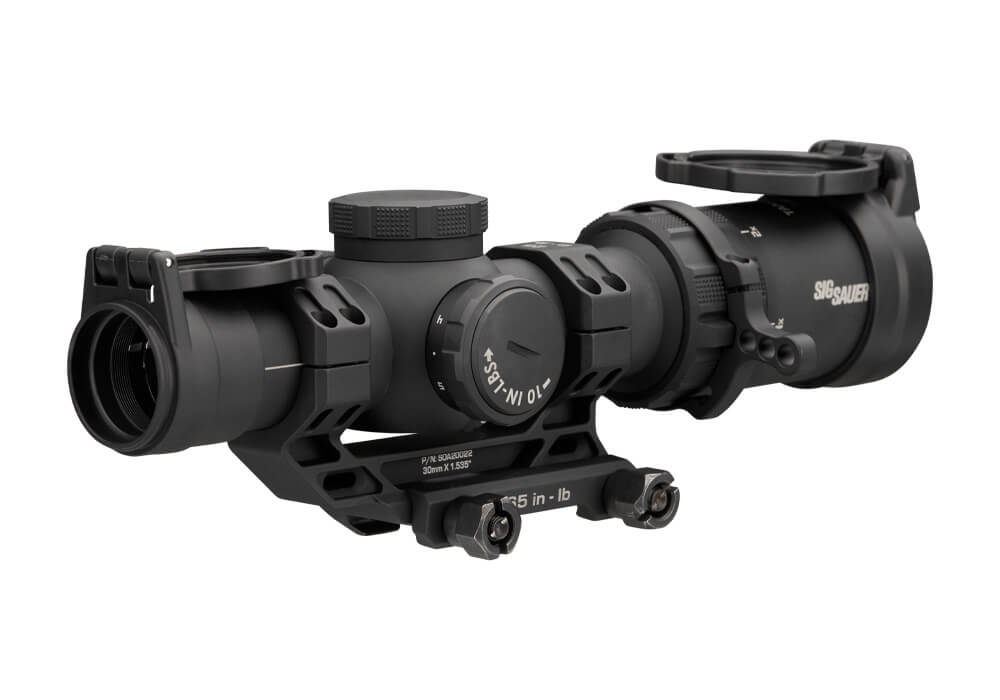
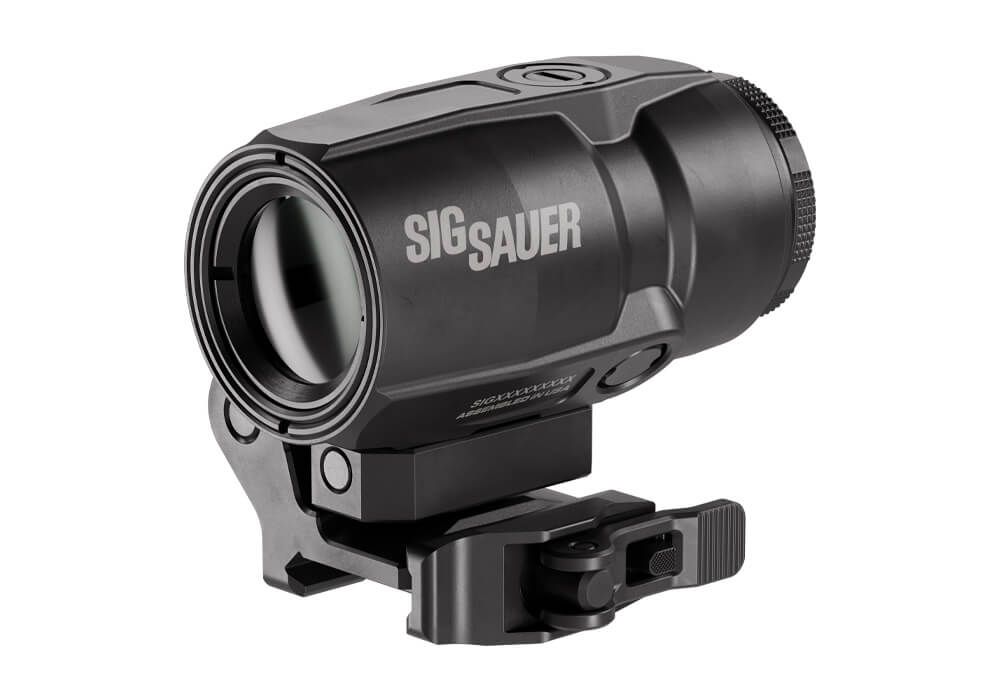
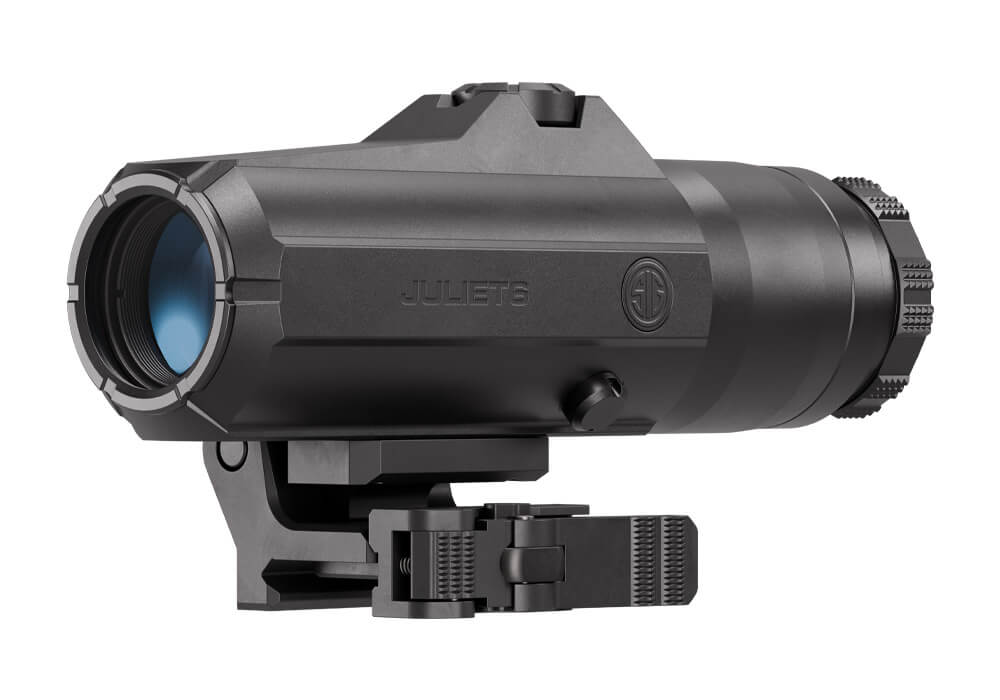
Low light magnifier optics for rifles can help extend the practical usefulness of a daytime sight as daylight fades, but it is important to understand what a magnifier can and cannot do. A standard flip-to-side red dot magnifier enlarges the image produced by the optic in front of it; it does not create additional light, provide night vision, or turn a red dot into a dedicated low-light scope. Because the magnifier adds another set of lenses and typically uses a relatively small objective lens, some light transmission is lost and the sight picture may appear dimmer during the last minutes of daylight. This is especially noticeable in deep shade, wooded terrain, or the transition between dusk and darkness. A magnifier can still be a practical choice for shooters who want a single rifle setup that supports both close-range viewing and greater detail at intermediate distances. With the magnifier swung out of the optical path, the rifle remains configured for rapid, unmagnified aiming. With it aligned behind the red dot, distant targets, field features, and aiming references appear larger and easier to distinguish. This flexible arrangement suits range users, hunters operating during legal shooting light, and rifle owners who value a compact setup that can shift between short and moderate distances without changing the primary sight. Before choosing, compare the magnifier’s magnification level, field of view, eye relief, optical clarity, adjustment range, and mounting height with the red dot or holographic sight already installed. The optical centers should align closely, and the mount should provide a firm lock in both positions. A flip-to-side mount is convenient when the rifle may move between close and intermediate engagements, while a fixed mount can be appropriate when magnification will remain in use for most of a session. Check the rail system, mounting footprint, and available space around charging handles, backup sights, and other accessories. A few minutes spent confirming compatibility can make the difference between a smooth transition and a cramped, awkward setup on the firing line.
Low-light performance depends on more than magnification alone. Objective lens size, lens coatings, glass quality, exit pupil, reticle design, and the amount of ambient light all influence how clearly an image reaches the eye. A magnifier with an 18mm to 24mm objective lens generally has a smaller light-gathering opening than a dedicated rifle scope with a 50mm or 56mm objective, so it should not be selected with the expectation that it will outperform a purpose-built low-light optic. Extra-low dispersion glass can help preserve contrast and color separation, particularly when a dark animal or distant object blends into a background of brush and shadow. Fully multi-coated lenses can reduce glare and improve light transmission, although no coating can eliminate the basic limitations imposed by a small objective or added optical elements. Eye relief deserves equal attention. In a steady bench position, a forgiving eye box may seem like a minor convenience; on uneven ground, in cold weather, or while wearing layered clothing, it becomes much more important. An illuminated reticle or center aiming point can remain visible against a dark target, but brightness should be adjusted carefully. Excessive illumination can create glare, obscure fine details, or cause the aiming point to appear larger than intended. Shooters with astigmatism may also see a red dot as a starburst, smear, or irregular shape, and magnification can make that distortion more apparent rather than correcting it. Confirm the sight picture with your own eye at the distances and lighting conditions where the rifle will be used. As the weather warms or during the cooler months, a short session at first light or near sunset can reveal practical differences in contrast, glare, eye relief, and reticle visibility that are difficult to judge under bright midday conditions. For additional options that emphasize optical efficiency, explore Light Transmission Magnifiers for Rifles while comparing specifications instead of relying on magnification numbers alone.
For situations where visibility continues to decline after ordinary shooting light, a dedicated low-light scope, low-power variable optic, digital night-vision system, or thermal clip-on may be a better match than a conventional red dot magnifier. A low-power variable optic with an illuminated center point can offer a broader range of adjustment and a larger objective lens, giving the shooter more flexibility when moving from close targets to longer shots while retaining useful light collection. Dedicated low-light scopes often use larger objectives, carefully designed reticles, and optical systems intended for twilight viewing. Night-vision devices amplify available ambient light, while thermal systems display heat differences and can function when visible-light conditions are poor or absent; each technology has different mounting, power, identification, training, and legal considerations. Clip-on systems may be installed ahead of or behind a primary optic, but compatibility, alignment, weight, rail space, and image quality should be verified before purchase. Regardless of the optic type, responsible use begins with knowing local laws, confirming the permitted hours and methods for hunting or recreational shooting, and identifying targets and what lies beyond them before pressing the trigger. A magnifier can be a thoughtful gift for a rifle owner who already has a compatible red dot, maintains a standard configuration, and wants more detail without replacing the primary sight. It may be less suitable for someone who primarily shoots in near-total darkness or needs a large, bright sight picture at extended distances. Consider the recipient’s rifle platform, mounting height, dominant eye, typical terrain, shooting distance, and existing accessories before choosing. The most useful setup is not necessarily the one with the greatest magnification; it is the one that provides a clear, repeatable sight picture, transitions smoothly, holds zero, and matches the light and conditions in which the rifle will actually be used.