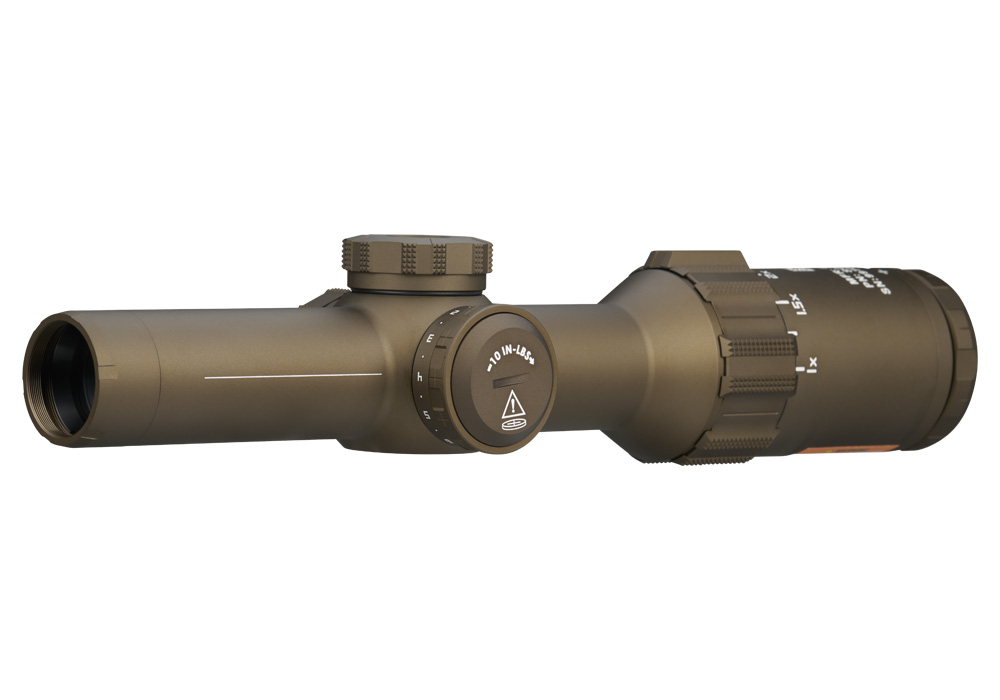
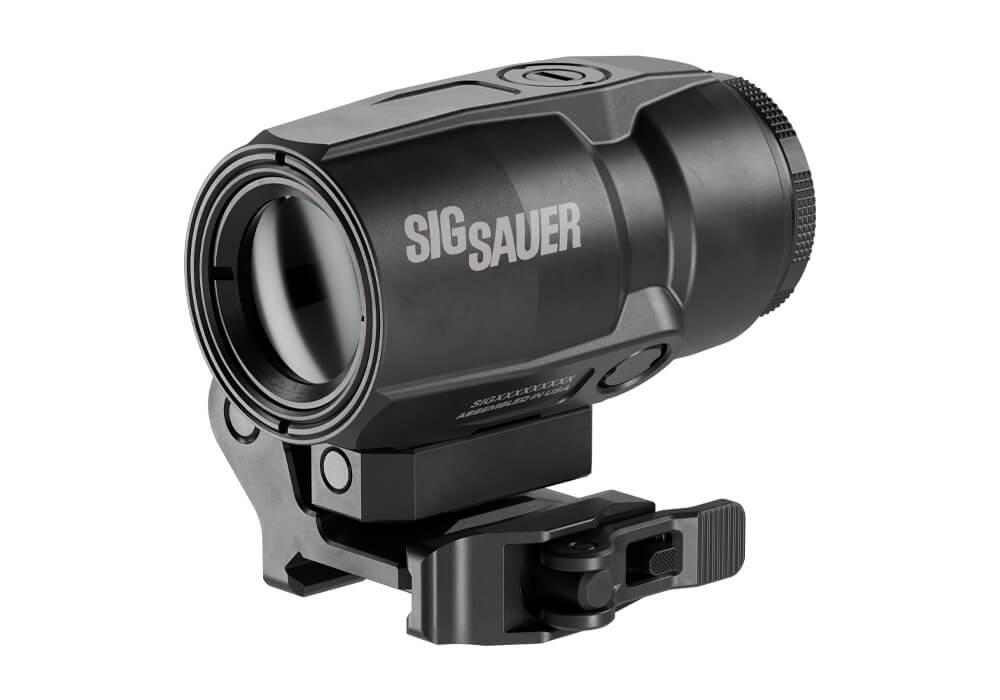
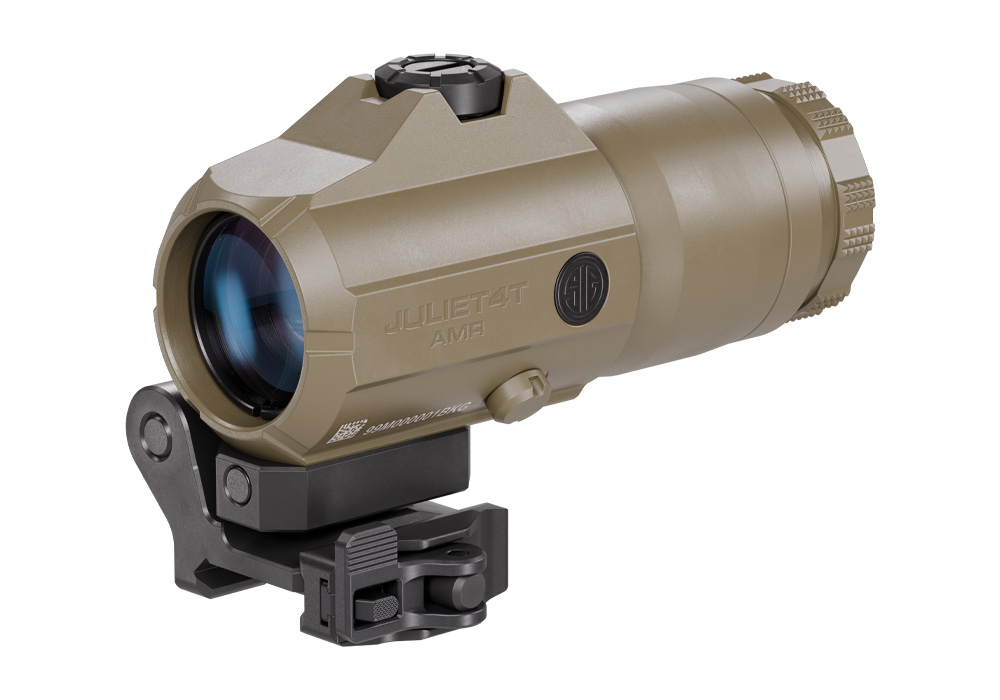
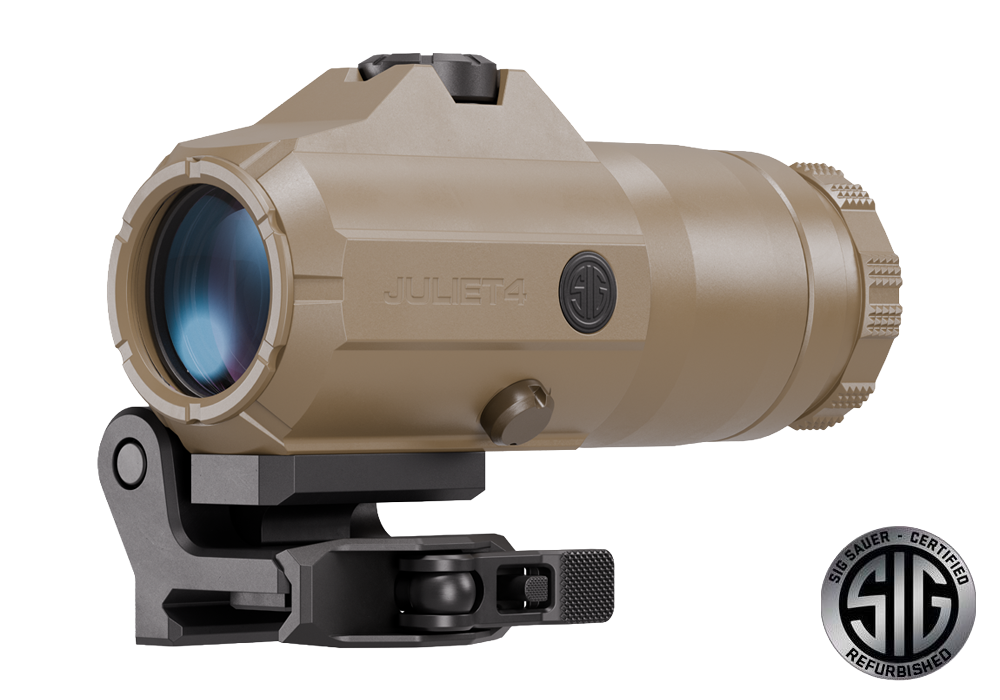
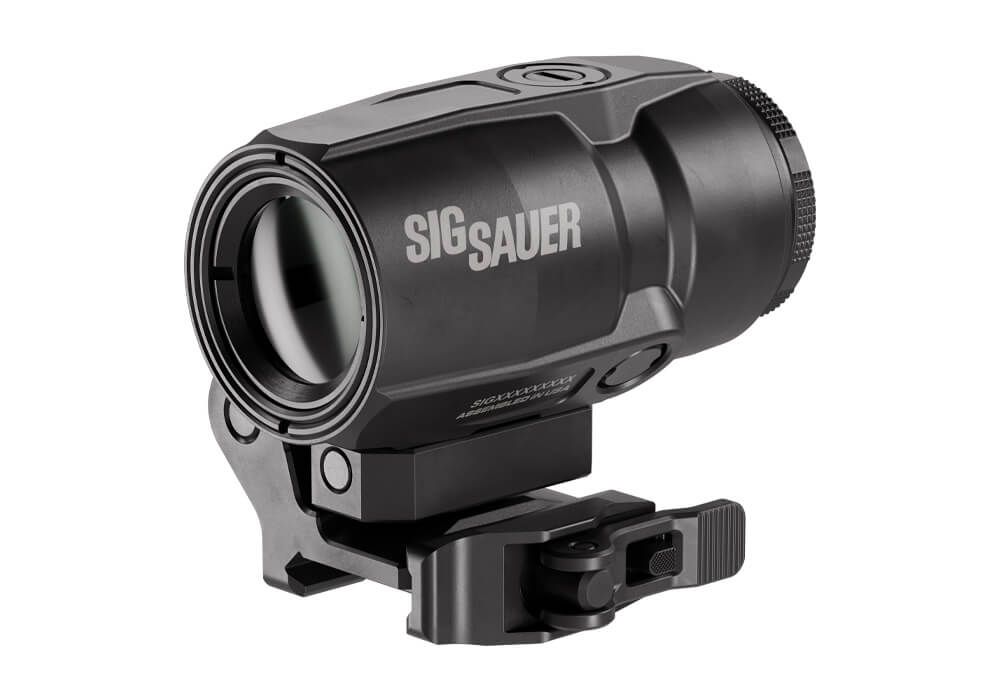
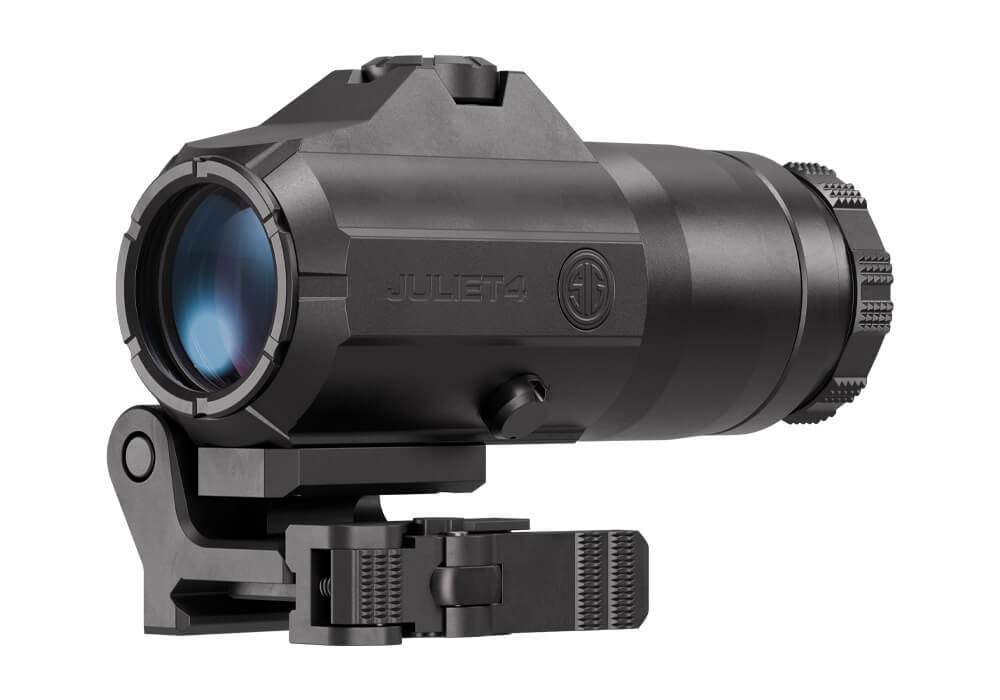
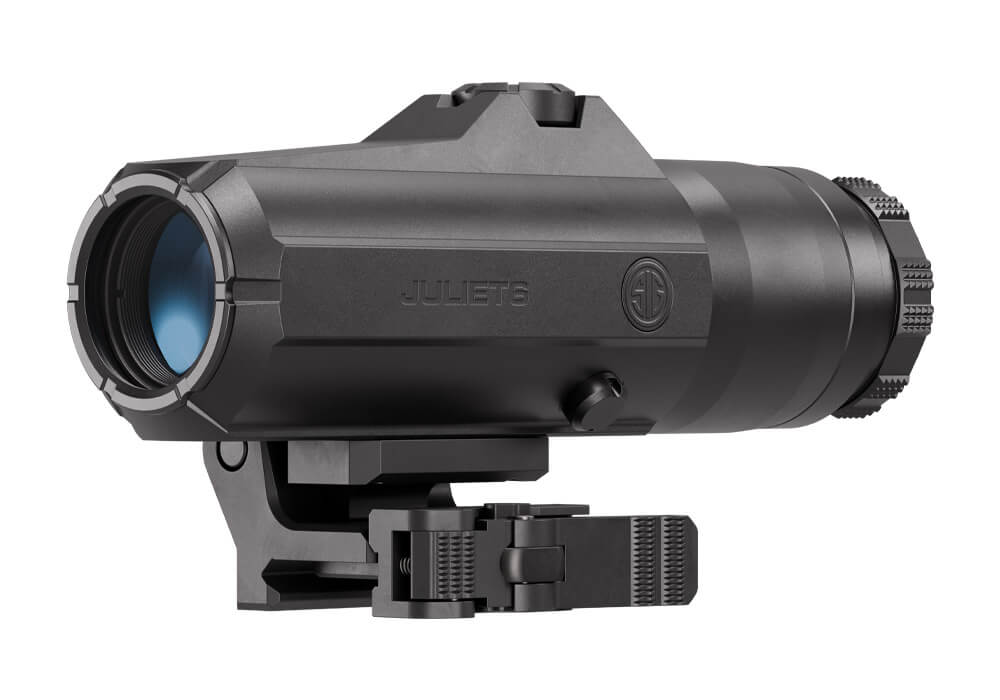
Magnifiers for AR platform rifles give a familiar red dot or holographic sight added versatility without replacing the speed of a true 1x aiming setup. Mounted behind the primary optic, a magnifier provides a clearer, enlarged view of targets at moderate distances while preserving the option to return to an unmagnified sight picture for closer work. This combination is useful for recreational range sessions, practical rifle training, competition, property observation where lawful, and other shooting activities that call for a quick transition between broad situational awareness and more precise aiming. A 3x magnifier is a common all-around choice because it offers a meaningful increase in target detail while maintaining a relatively generous field of view and manageable size. Models with 5x or 6x magnification can provide additional reach and definition, but greater magnification generally means a narrower field of view, a more noticeable need for steady positioning, and a slower transition when scanning or engaging targets at changing distances. The right choice depends on the rifle’s role, the primary optic, typical shooting distances, and how much weight and bulk the user is comfortable adding to the rail. Someone setting up a lightweight carbine for informal range use may prefer a compact magnifier, while a shooter who spends more time from supported positions may value a larger viewing window and additional magnification. For those comparing optics for different rifle platforms, our selection of Magnifiers for Deer Hunting Rifles offers another useful point of reference.
A flip-to-side mount is one of the most important features to consider when shopping for magnifiers for AR platform rifles. With this style of mount, the magnifier can sit behind the red dot for an enlarged sight picture or move laterally out of the optical path when an unobstructed 1x view is preferred. That transition should feel deliberate and repeatable, with enough clearance for the charging handle, rear backup sight, and other accessories. Fixed mounts are also available and can be appropriate when magnification is expected to remain in use, but they do not provide the same immediate changeover between sight pictures. Mount height must match the height of the primary optic; common configurations include absolute co-witness and lower-third arrangements. If the magnifier and red dot are not aligned correctly, the user may see a distorted or partially obstructed image, making a compatible mount or height-adjustable solution especially important. Eye relief deserves equal attention. It is the distance between the rear lens and the shooter’s eye at which the full image remains visible, and it affects comfort, speed, and consistency. Shorter eye relief can work well on a compact AR platform rifle when the stock position is repeatable, while more generous eye relief may be preferable for users who change shooting positions or wear eye protection. A diopter adjustment at the eyepiece allows the magnifier to be focused for the individual user’s eyesight. Taking time to set this adjustment properly can turn a fuzzy reticle and soft target into a sharp, easy-to-read sight picture. Parallax, glass clarity, light transmission, field of view, and the size of the exit pupil also influence the experience, especially during the low-angle light and changing visibility that can come with the cooler months.
Compatibility and handling are just as important as optical specifications. Before purchasing a magnifier, confirm the rail interface, mount footprint, optic height, direction of the flip mechanism, and available space on the upper receiver. The combined length of the red dot, magnifier, and mount should leave room for a comfortable cheek weld and normal manipulation of the rifle. Weight can affect balance, so a compact setup may be valuable for anyone carrying the rifle between benches, moving through a training course, or spending a long afternoon outdoors. Durability matters as well: look for a secure mount, positive locking action, protected adjustment controls, and construction suited to repeated recoil, transport, and ordinary field use. A magnifier should be zeroed as part of the overall optic setup, even though it does not have an independent point of aim in the same way a standalone riflescope does. After installation, verify that the red dot remains properly zeroed, adjust the diopter while viewing a stable background, and confirm the sight picture at the distances where the rifle will be used. Practice moving between magnified and unmagnified views so the motion becomes familiar rather than disruptive. Magnifiers can also make thoughtful gifts for a shooter who already owns a compatible red dot sight and wants greater flexibility without rebuilding an entire rifle. They are particularly practical for someone refining a range setup, preparing for seasonal outdoor shooting, or looking for a straightforward way to make a familiar AR platform rifle more adaptable. As with all firearm accessories, use the rifle responsibly, follow applicable laws and range rules, wear appropriate eye and ear protection, and verify that every component is securely installed before use.