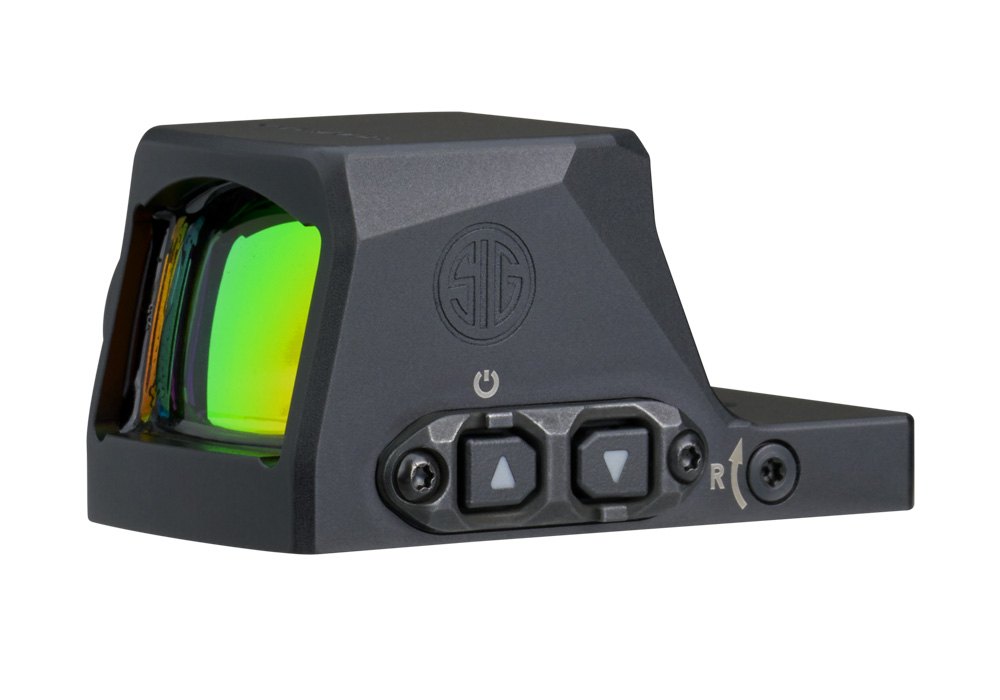
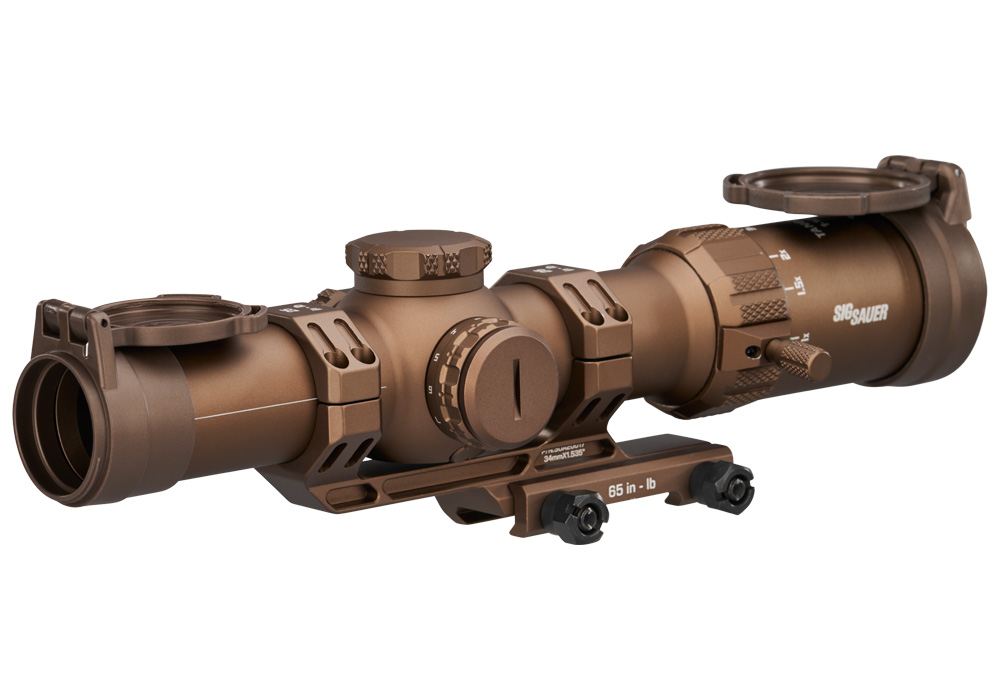
Lightweight compact optics are sighting and observation tools that reduce bulk while preserving the features needed for a clear, usable view. The category spans miniature reflex sights, compact prism sights, shorter variable-power scopes, and portable observation optics, with each format serving a different purpose. For a handgun or a streamlined carbine, an unmagnified red dot sight provides an illuminated aiming point without adding the length of a traditional scope. These sights generally allow flexible eye positioning, although window size, housing shape, and brightness settings influence how easily the aiming point remains visible. A larger window can feel less restrictive during range practice, while a smaller housing may better suit a firearm with limited mounting space. Open-emitter designs leave the light source exposed within the sight assembly; enclosed-emitter designs place it inside a protective housing that helps keep dust and debris away from the optical path. Compact prism sights use a different optical system and often incorporate an etched reticle, which can remain visible without illumination. Some shooters who see an illuminated dot as a smear or starburst find an etched reticle easier to distinguish, though individual vision and reticle design matter. Compact variable-power scopes provide adjustable magnification for activities that call for both a wider view and a closer look at distant details. Their usefulness depends on more than their zoom range: eye relief, field of view, reticle visibility, and the ease of finding a full sight picture all shape the experience. A lightweight hunting rifle carried over uneven ground places different demands on an optic than a carbine used primarily for target practice. Portable monoculars and small observation scopes serve another role, helping users examine distant features without mounting an optic to a firearm. Across these categories, compact size is most valuable when it supports the activity rather than simply reducing dimensions. A sight that feels unobtrusive on the firearm still needs controls that can be reached comfortably and a view that works with the shooter’s eyesight.
Fit is the starting point for choosing a compact firearm optic. Two sights with similar dimensions can use different mounting footprints, and a handgun slide cut does not necessarily accept every miniature reflex sight. Compatibility can depend on the footprint, mounting plate, screw specifications, and clearance around the sight housing. Manufacturer documentation should confirm the complete combination before installation, with the firearm unloaded and handled according to its safety instructions. On a handgun, optic height also affects the relationship between the optical window and the iron sights; a compatible mounting system does not automatically provide the preferred view of both. On a rifle or carbine, rail compatibility, mount height, and available mounting space influence whether the setup feels natural when shouldered. A magnified optic needs appropriate eye relief and enough clearance for its objective housing, adjustment controls, and any nearby accessories. Positioning that works comfortably at low magnification may feel more restrictive at the upper end of the zoom range, so the entire viewing range deserves attention. Weight comparisons are more useful when they include the mount, plates, battery, and other required components rather than the optic housing alone. An especially light sight paired with a substantial mount may offer less overall weight savings than expected. Materials help explain how compact designs balance strength and handling. Aluminum housings are common because they combine relatively low weight with useful structural rigidity, while steel hardware can reinforce mounting connections. Protective finishes help resist surface wear, and lens coatings can improve light transmission or reduce distracting reflections. Neither a small housing nor a particular material guarantees durability; construction, mounting integrity, and the manufacturer’s stated testing are more meaningful indicators. Protective contours around the lens, accessible controls, and secure adjustment mechanisms can make a compact optic easier to live with through repeated use. For another selection centered on space-conscious firearm sighting options, explore Compact Tactical Optics. The most useful comparison remains the complete setup: its balance, viewing comfort, mounting requirements, and suitability for the intended activity.
Care for lightweight compact optics begins with protecting the glass and keeping the mounting system secure. Fine grit should be removed with an appropriate lens brush or air blower before wiping, since rubbing particles across a lens can damage its surface or coatings. A clean lens cloth and a cleaner approved by the manufacturer are better choices than a shirt sleeve or an unfamiliar household solution. Cleaning products used elsewhere on a firearm should stay away from lenses, seals, and electronics unless the optic manufacturer specifically permits contact. Lens covers or a protective case can help prevent scratches during transport, especially when range equipment shares a bag with tools and other hard objects. Battery-powered sights also benefit from a consistent maintenance routine. Battery type, expected runtime, illumination setting, and automatic activation features vary by design, so published runtime figures should be read alongside the conditions under which they were measured. Battery access matters in everyday ownership: some compartments can be opened while the optic stays mounted, while other arrangements may require removal and a subsequent zero check. Controls should be straightforward enough to adjust without losing track of the setting, and brightness should suit the viewing environment without making the aiming point appear unnecessarily large or indistinct. Periodic inspection can reveal loose hardware, lens damage, or changes in function before they interrupt a range session. Mounting hardware should be checked according to the relevant manufacturer specifications rather than tightened by feel. After installation, remounting, or a significant impact, confirm that the sight remains secure and verify its zero through appropriate range practice. These considerations suit recreational target shooters, hunters seeking a less cumbersome rifle, and experienced handgun owners who value a streamlined setup. A compact optic can also be a thoughtful gift for someone with an established shooting or observation hobby, provided the recipient’s firearm compatibility, preferred sight type, and visual needs are known. Matching those details is more important than choosing the smallest housing. Lightweight construction earns its place when the optic remains comfortable to use, straightforward to maintain, and well matched to the equipment it accompanies.