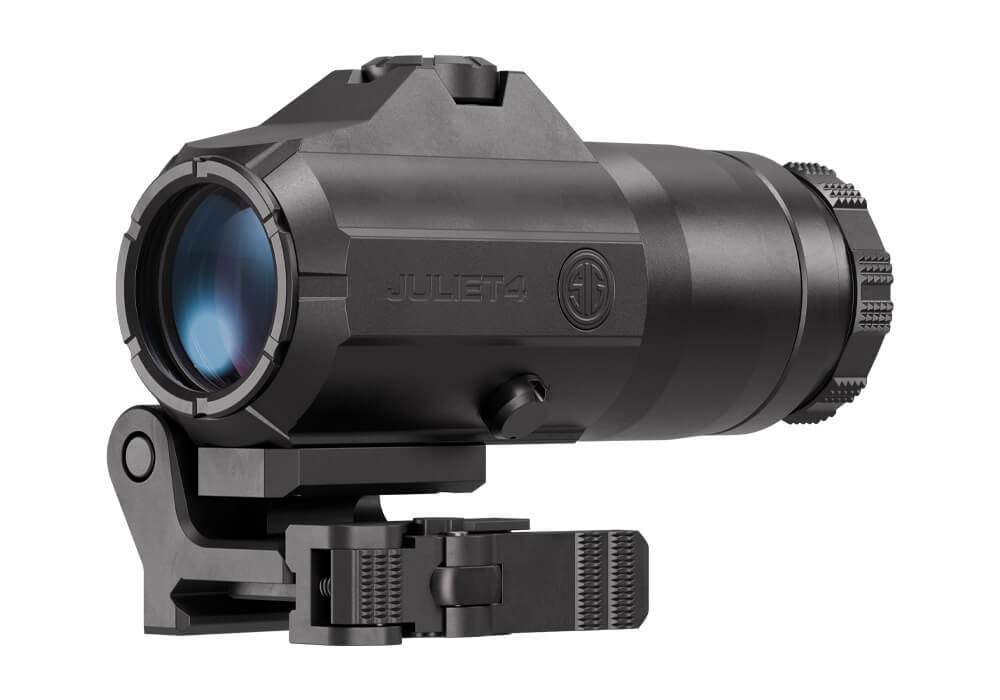
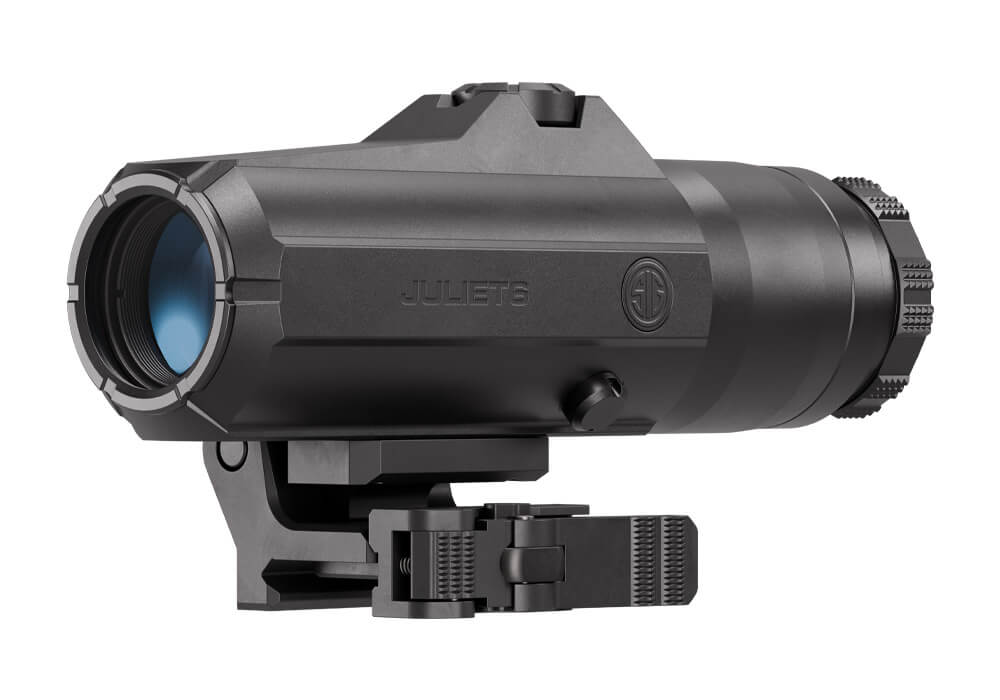
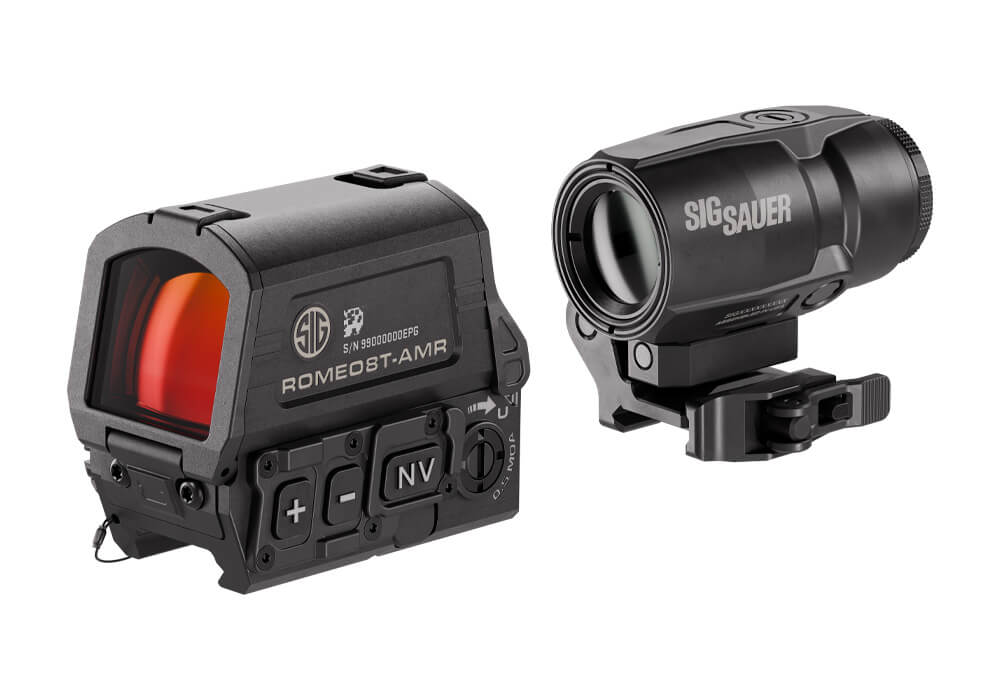
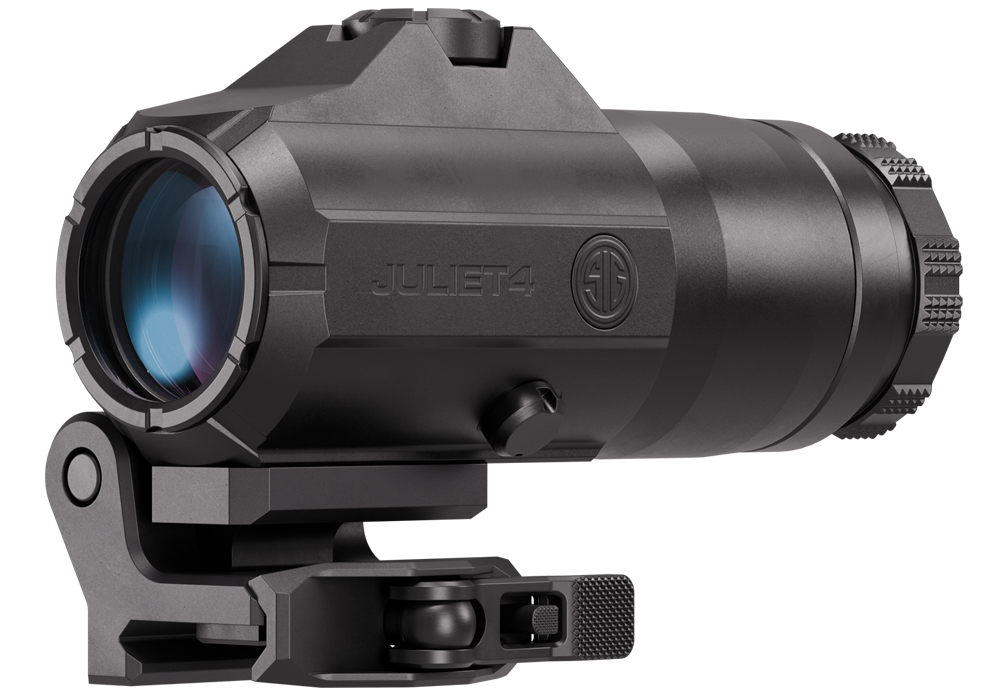
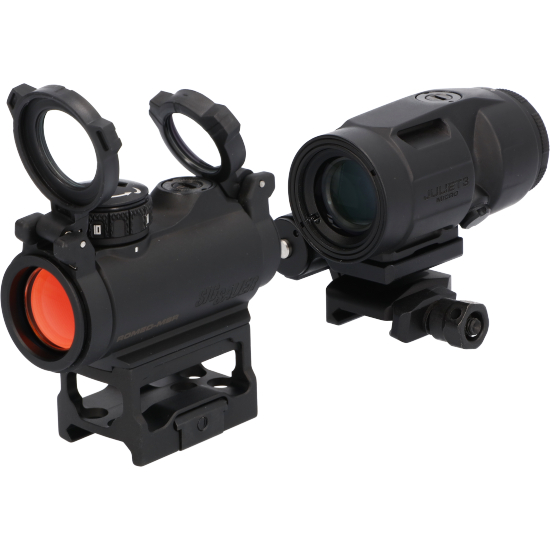
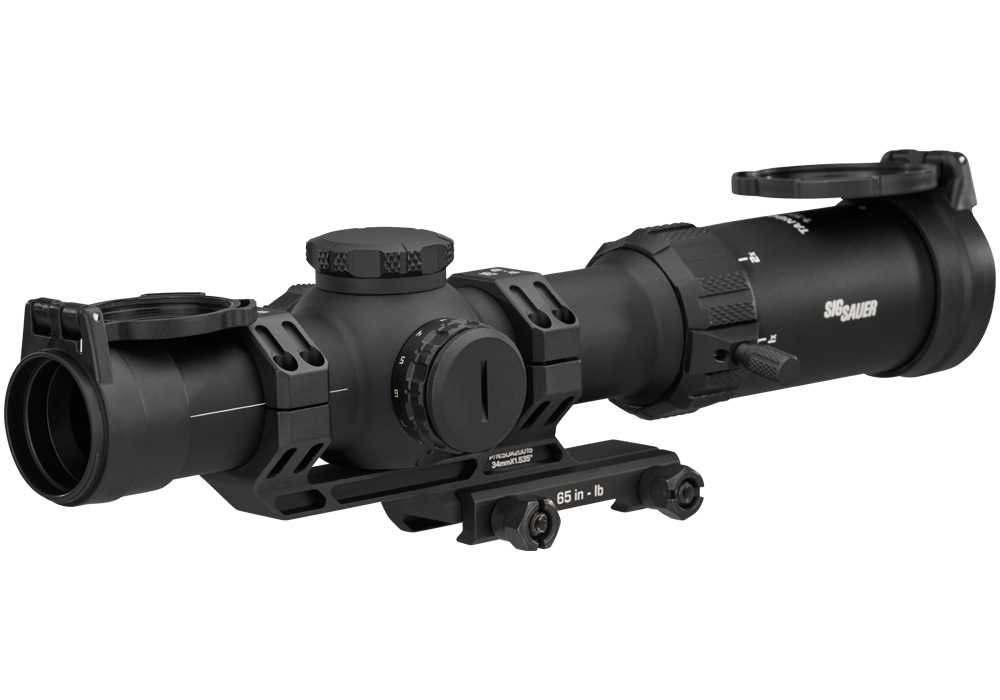
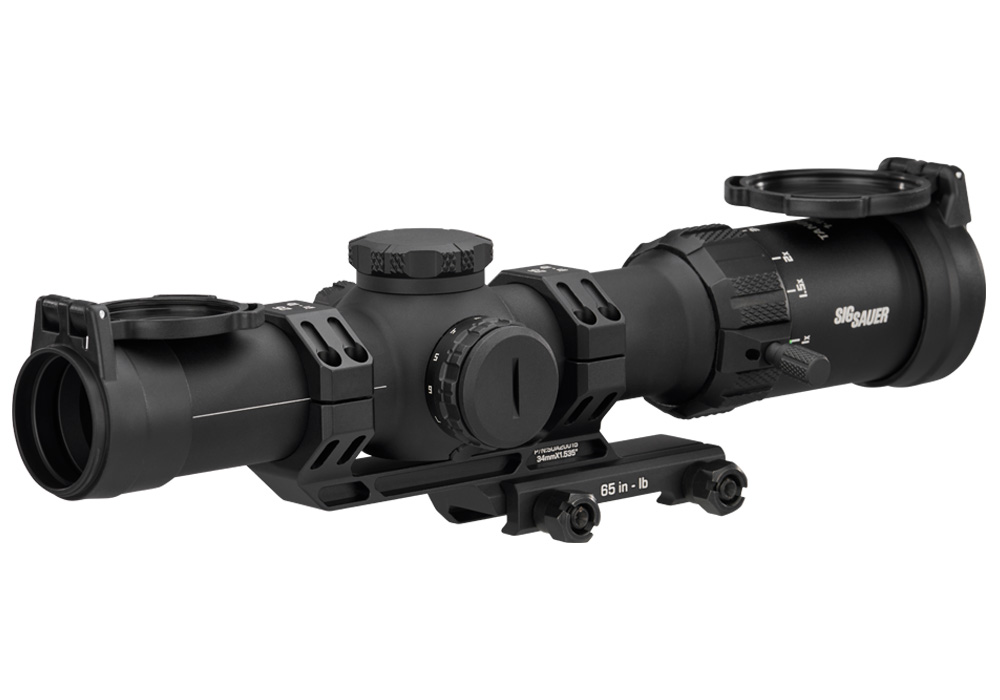
Compact tactical magnifier optics provide a practical way to extend the versatility of a rifle equipped with a 1x red dot or holographic sight. Positioned behind the primary optic, a magnifier typically offers 3x to 6x viewing power, helping the shooter identify details and place accurate shots at medium distances while preserving the quick sight picture associated with a non-magnified optic. This combination is especially useful for range sessions, training, property observation, and other lawful applications where engagement distances can vary. At close range, the magnifier can move out of the optical path on a flip-to-side mount, allowing the shooter to return to an unobstructed 1x view. When additional reach is helpful, the magnifier swings back into alignment behind the dot or holographic sight. This fast transition is the defining feature of a compact setup: one rifle can support rapid target acquisition nearby and a more refined sight picture farther away without replacing the primary optic. Browse Magnifiers for Tactical Optics Setups to compare configurations suited to different rail layouts, optic heights, and shooting preferences. Compact designs are valuable when rail space, balance, and overall handling matter. A shorter body can leave room for backup sights or other accessories, while a lighter profile helps keep the rifle comfortable during extended training. The ideal magnifier should complement the existing sight rather than overwhelm it, so consider the optic’s mounting height, the available rail space, the direction of the mount, and whether the rifle’s stock or brace position provides a consistent cheek weld. Magnification is only helpful when the shooter can establish a repeatable position behind the glass, and generous eye relief can make that process more forgiving during movement or from less formal shooting positions.
Choosing a compact tactical magnifier begins with the relationship between the magnifier and the primary optic. Check that both devices share a compatible centerline height, since even a small mismatch can prevent a clear sight picture or make alignment uncomfortable. Absolute and lower-third co-witness arrangements are common, and the correct choice depends on the height of the existing red dot or holographic sight and the mount system selected for the magnifier. A flip-to-side mount should lock firmly in both positions, operate smoothly with one hand, and leave enough clearance for nearby controls, backup sights, and the rifle’s charging handle. Magnification level also deserves careful thought. A 3x magnifier often offers a broad field of view and a compact footprint, making it a balanced choice for varied distances. Higher magnification can reveal more detail at extended range, though it may narrow the field of view and require more precise eye placement. Glass clarity, light transmission, reticle visibility, eye relief, adjustment range, and overall weight all affect the experience on the range. Many magnifiers are designed to work with the existing zero of the primary optic, meaning the dot itself generally does not need a separate zero after the magnifier is placed behind it; however, confirm alignment, follow the manufacturer’s instructions, and verify the complete setup at the range before relying on it. A careful zero check also helps identify mount movement, eye-position issues, or a height mismatch before a longer practice session. These optics can be a thoughtful gift for a shooter who already owns a compatible red dot or holographic sight, particularly during the cooler months when time at an outdoor range may involve layered clothing, gloves, and changing light. A compact magnifier adds capability without requiring an entirely different sighting system, but compatibility should always be confirmed before purchase. Look for the primary optic’s footprint and height, the rifle’s available rail length, the preferred magnification, and the mount’s swing direction. With a secure installation, a consistent cheek weld, and regular practice transitioning between magnified and unmagnified views, a compact tactical magnifier can become a natural part of a well-organized rifle setup. Follow all applicable laws, use appropriate eye and ear protection, keep the firearm pointed in a safe direction, and handle every firearm as though it is loaded.