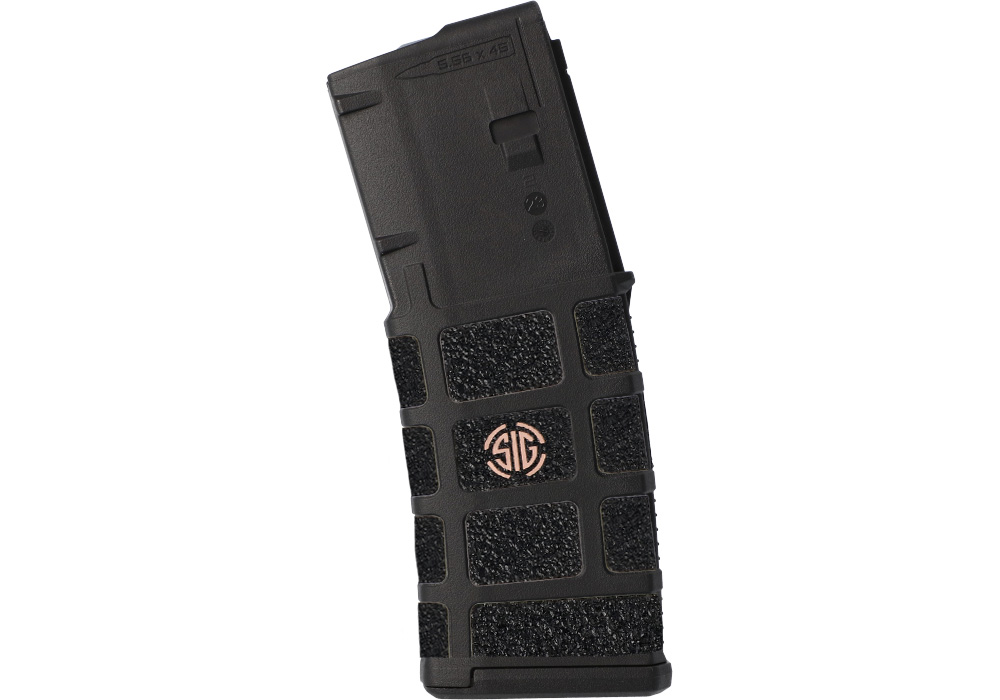
Magazine grip tools bring practical control and maintenance support to one of the most frequently handled components of a firearm. The category generally includes tools for magazine disassembly, magazine release service, base plate removal, and grip-oriented accessories that help establish a more secure hand position during loading, unloading, and reloads. A well-chosen tool can make routine work cleaner and more predictable, especially when a magazine’s base plate, locking plate, or spring requires attention. Rather than relying on a pocketknife, screwdriver, or other improvised object, a purpose-built tool is shaped for the job and can help reduce the chance of gouging polymer, marring metal, pinching fingers, or sending a spring across the workbench. Before beginning any maintenance, unload the firearm and magazines completely, separate ammunition from the work area, and follow the firearm and magazine manufacturer’s instructions. A clear bench, good lighting, and a small tray for springs and retainers can turn a frustrating task into a straightforward part of regular care. Magazine grip tools may be useful for new firearm owners learning basic equipment maintenance, experienced shooters preparing several magazines for practice, instructors organizing training equipment, and range users who want a dependable solution in a cleaning kit or range bag. They can also make thoughtful gifts for a responsible firearm owner, particularly when the recipient already has the essentials and would appreciate a compact accessory that solves a real maintenance or handling need.
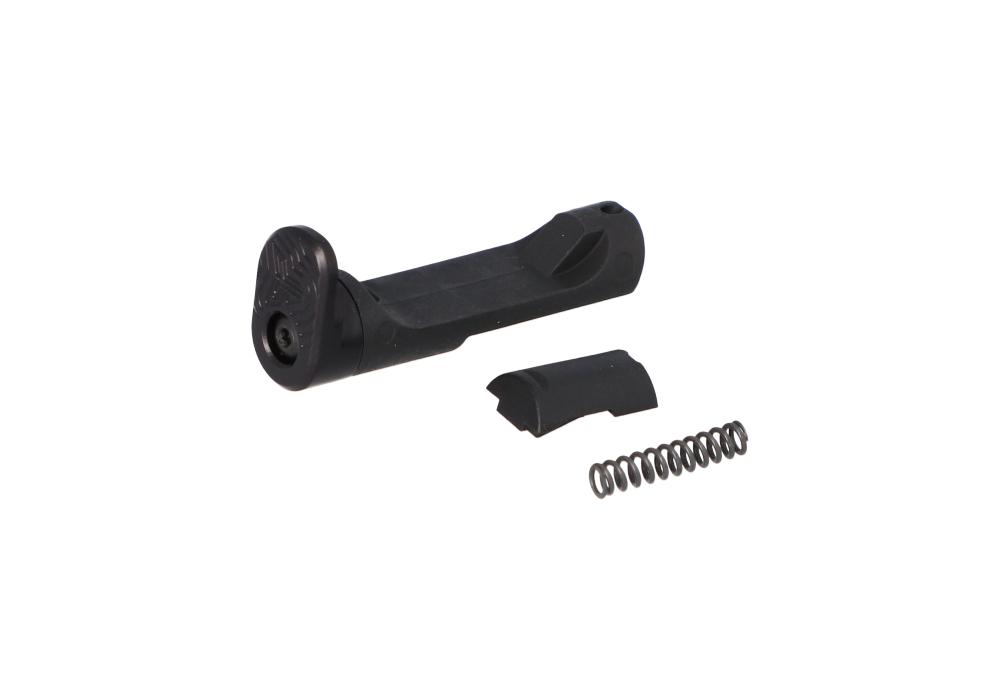
When selecting a magazine grip tool, compatibility should come first. Magazine construction, base plate design, locking mechanism, caliber, and firearm model can all affect fit, so compare the tool’s intended applications with the magazines you own rather than assuming one design will work with every platform. Some tools are made to compress a magazine body or release internal components, while others help slide a base plate from the magazine body during cleaning or spring replacement. A magazine release tool may be shaped for access to a particular release spring or retaining feature, and a grip-oriented accessory may be intended to improve finger placement at the base of a magazine or add a more consistent interface with the hand. Pay attention to the materials and construction as well. Steel tools can provide firm contact for demanding service tasks, while aluminum or polymer options may offer a lightweight choice for a range kit. Smooth edges, controlled leverage, and a shape that keeps the hand away from moving parts are valuable details. For shooters who train outdoors during the cooler months, a more defined magazine grip can be especially useful when gloves, damp hands, or reduced dexterity make small components harder to manage. Likewise, someone who practices reloads in a dim indoor range may benefit from a more recognizable base or improved tactile reference point. Those considering a grip-focused accessory can browse Magazine Grip Enhancers to explore options designed to support handling and finger placement, while those shopping for a maintenance tool should verify whether the design is intended for standard or extended capacity magazines and whether it supports the exact base plate style in use.
The best magazine grip tools become part of a simple, repeatable routine. After a training session, a shooter might wipe away dust and residue, inspect feed lips and the magazine body, check that the spring and follower move freely, and use the appropriate tool only when deeper disassembly is needed. Avoid forcing a component that does not move as expected; resistance may indicate an incorrect procedure, a captured spring, or a compatibility issue. A tool should provide control, not replace careful attention to the magazine’s construction. Handling accessories also benefit from realistic practice. A grip aid may help guide the fingers to a consistent position, support faster magazine changes, or make a compact magazine easier to index without adding unnecessary bulk, but it should not interfere with insertion, retention, seating, or removal. Confirm that the accessory remains secure and does not obstruct the magazine catch, floor plate, or firearm controls. Keep tools clean and dry, inspect them for burrs or damage, and store small pieces where they can be found quickly when the range bag is packed for a cooler day outdoors. Whether purchased for personal use, added to a home maintenance kit, or given as a practical gift to a recreational shooter, magazine grip tools are useful because they address ordinary moments that matter: opening a magazine without damaging it, restoring a reliable spring and follower, or finding a steady grip during a practiced reload. Selecting the right design for the intended magazine helps keep those tasks efficient, controlled, and repeatable.