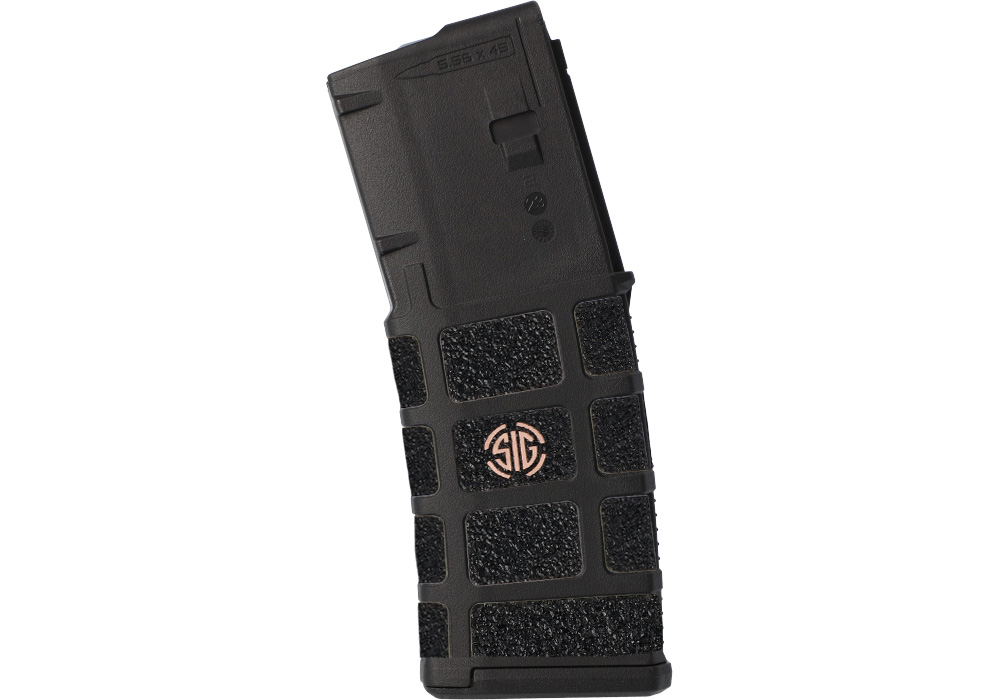
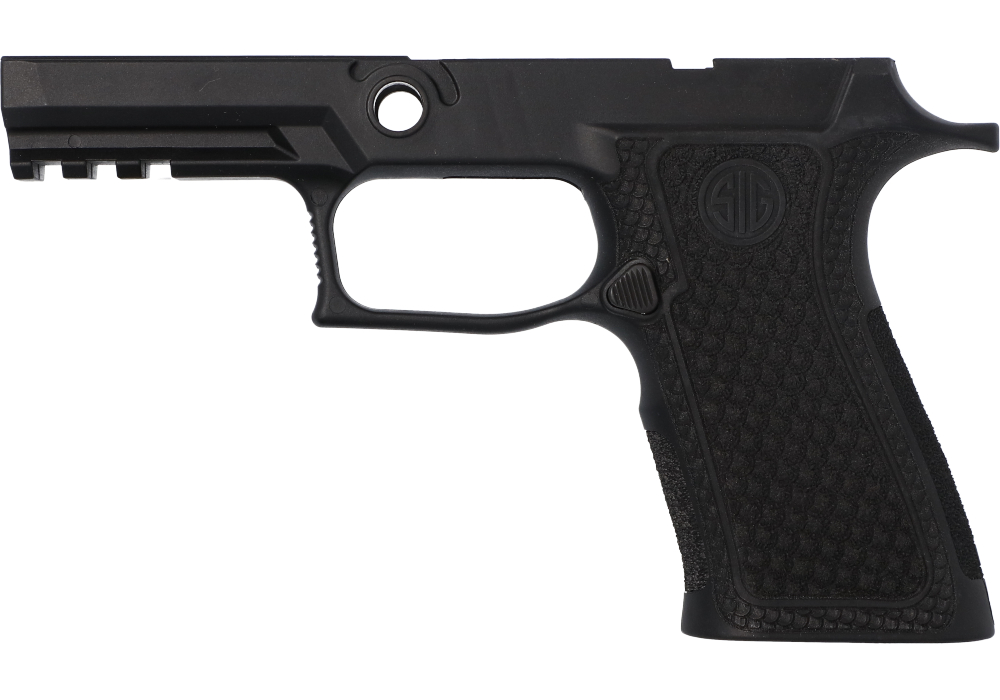
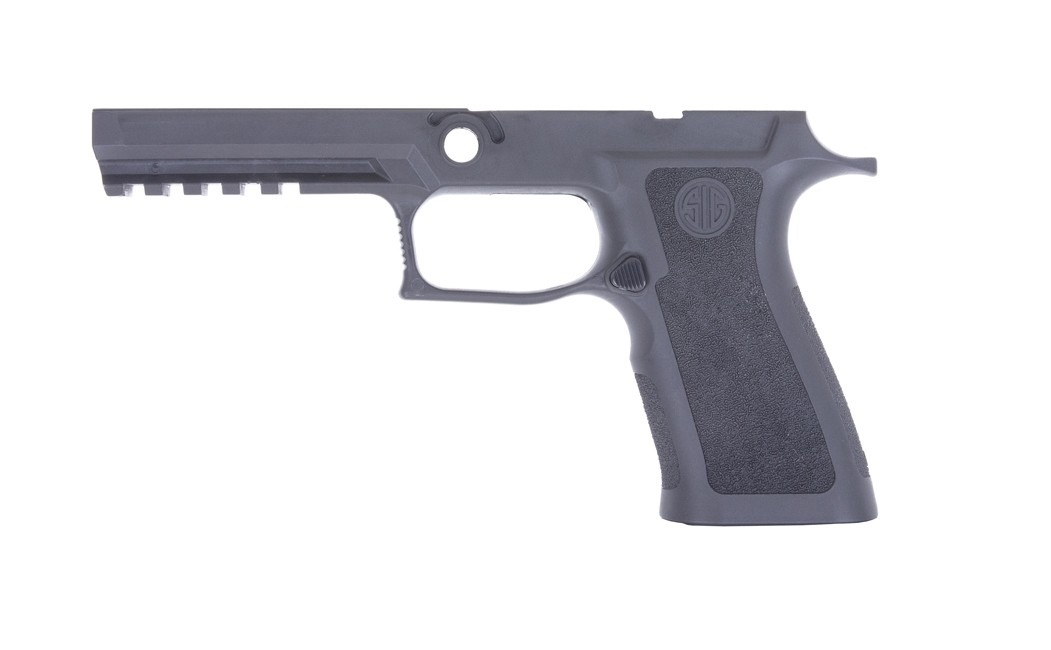
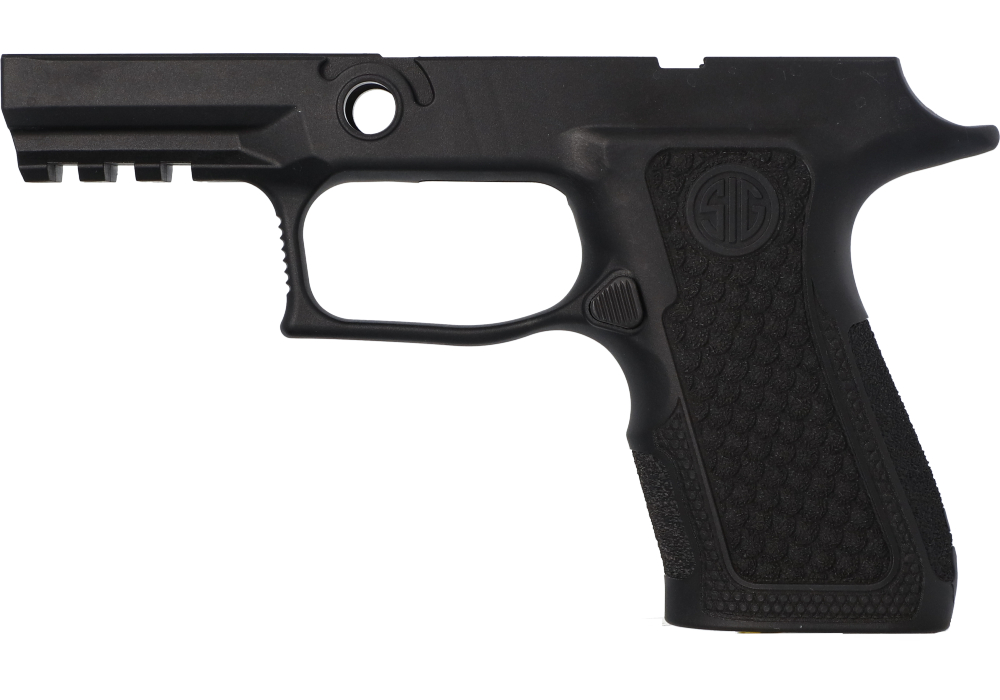
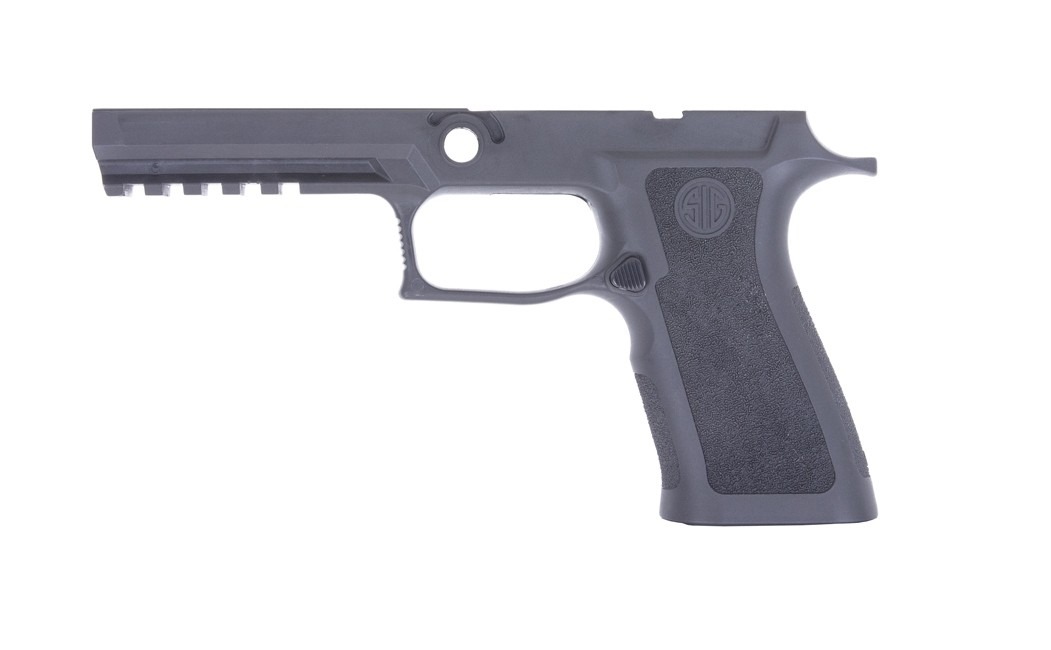
Magazine grip enhancements are designed to improve the way a magazine feels in the hand and interfaces with a firearm, especially when a standard magazine leaves the lower part of the grip feeling short, narrow, or difficult to control. This category includes grip sleeves and adapters that bridge the transition between an extended magazine and a compact or subcompact frame, finger extensions and replacement baseplates that give the pinky a more secure resting point, and textured adhesive wraps that add traction to the magazine body or base. Some designs also combine an extended ergonomic profile with additional ammunition capacity, while others are intended strictly to improve comfort without changing the magazine’s standard capacity. The right choice depends on the firearm model, magazine type, grip dimensions, and the way the firearm is carried or used. A person who spends long afternoons at the range may appreciate a fuller gripping surface that makes repeated practice more comfortable, while someone who carries concealed may prefer a low-profile baseplate or a thin texture that adds control without creating unnecessary bulk. Shooters with larger hands often notice the benefit immediately when the little finger no longer hangs below the grip, and newer shooters may find that a more stable purchase makes it easier to maintain consistent hand placement. These enhancements can also be useful for anyone outfitting a training firearm, refining a competition setup, or preparing a thoughtful accessory gift for an experienced shooter. Before purchasing, confirm the exact firearm and magazine compatibility, since small differences in frame size, magazine generation, baseplate geometry, and release design can affect fit. For owners exploring a particular platform, the selection of P320 Grip Enhancements can provide a useful example of how grip-focused accessories are organized by firearm family.
The most suitable magazine grip enhancement usually comes down to the balance between added control, overall dimensions, and the intended application. A grip sleeve or adapter can create a more continuous contour when an extended magazine is used in a shorter frame, helping the magazine feel less like a separate component and more like a natural continuation of the grip. This can be especially appealing for range use, practice sessions, or shooters who prefer a full-hand feel. A finger extension or pinky extension offers a similar benefit in a more compact form, adding just enough surface area for the lower fingers without substantially lengthening the magazine. Replacement baseplates may provide a wider ledge for handling, a more rounded edge for comfort, or a shape that supports consistent magazine seating and removal. Adhesive grip wraps are another option for those who want additional texture rather than extra length; rubberized or granulated surfaces can make a magazine easier to hold when hands are damp, gloves are worn, or conditions become less forgiving during outdoor practice. In each case, the enhancement should complement the shooter’s natural grip rather than force the hand into an awkward position. Added length can improve purchase but may also increase the chance of the firearm or magazine printing beneath clothing during concealed carry. A larger baseplate can add useful protection to the magazine’s lower edge, yet it may introduce additional weight or alter how the magazine fits in a pouch. Capacity-adding extensions can provide the convenience of extended capacity and an improved contour, but buyers should consider local laws, storage requirements, carry comfort, and whether the added length serves a real purpose for their setup. For concealed carry, a slim and smoothly finished design is often easier to live with through the cooler months, when heavier layers may conceal additional length more readily; for range use, comfort and handling may take priority over the smallest possible profile.
Good fit and dependable function matter more than appearance alone. Before installing any magazine grip enhancement, make sure the firearm is unloaded, the magazine is removed, and the work area is clear of ammunition. Follow the accessory manufacturer’s installation directions and check that the baseplate, sleeve, or wrap sits evenly without interfering with the magazine body, spring, follower, or locking features. After installation, inspect the magazine for smooth insertion and removal, verify that the grip surface does not catch on clothing or equipment, and test the setup during controlled practice with the firearm pointed in a safe direction and handled according to established safety rules. Pay attention to changes in concealment, holster compatibility, magazine pouch fit, and the ability to establish the same grip each time. An enhancement that feels excellent on a stationary bench may behave differently during movement, while wearing gloves, or when transitioning between magazines. It is also wise to inspect adhesive wraps and polymer components periodically for lifting edges, cracks, or excessive wear, particularly when magazines are dropped onto hard surfaces during training. These accessories can be practical gifts for a shooter who has already identified a preferred firearm but wants a more comfortable or secure grip, although a gift card or a conversation about the exact model may be preferable when compatibility is uncertain. Whether the goal is improved recoil management, a steadier hand position, more confident reload handling, or a more seamless transition between a compact frame and an extended magazine, magazine grip enhancements offer a simple way to tailor equipment to the individual shooter. Select the profile, texture, and capacity configuration that match the firearm, the carry method, and the conditions in which the magazine will actually be used.