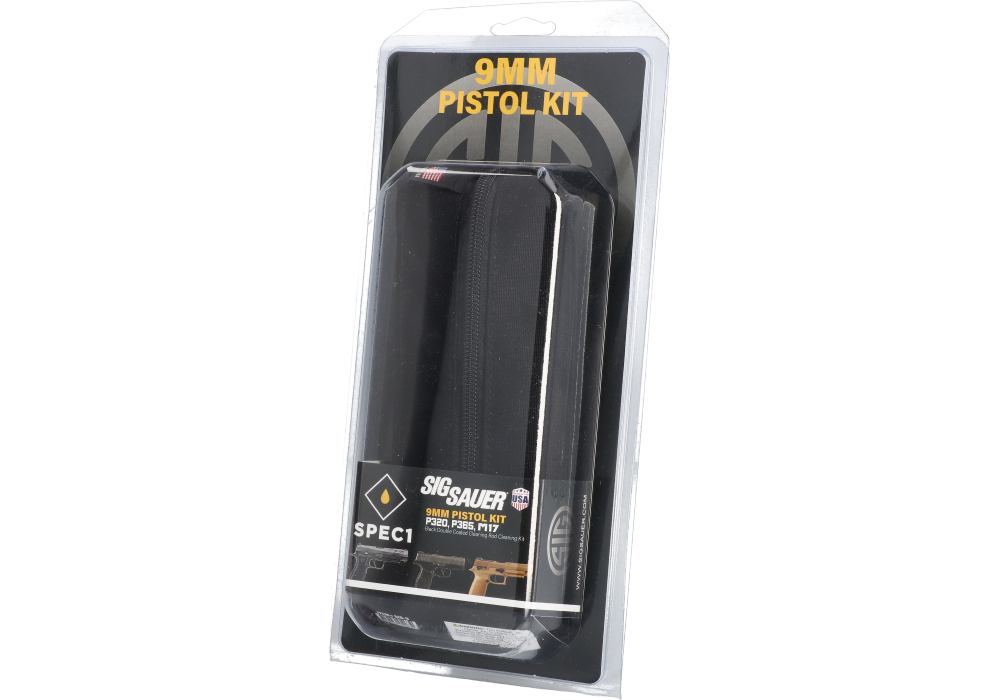
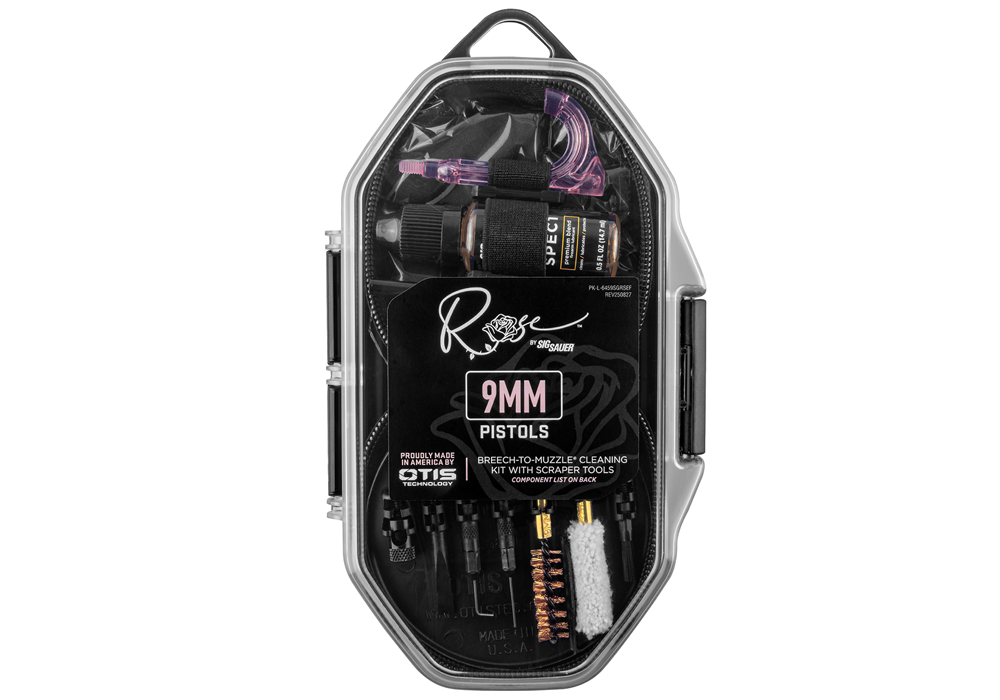
Maintenance kits for gun collectors help turn routine care into a consistent part of preserving a valued collection. Whether the collection includes modern sporting firearms, heirloom pieces, competition guns, or historical arms, the right assortment of tools and protective materials makes it easier to remove dust, residue, fingerprints, and moisture before they contribute to wear. Collectors often use these kits at a dedicated workbench, in a safe room, or at the range before a firearm returns to storage. A well-organized kit may include coated or brass cleaning rods, bore guides, jags, brushes, cotton patches, lint-free cloths, nylon detailing brushes, non-marring picks, screwdrivers, and applicators for controlled use of oil or protective wax. The goal is careful, measured maintenance rather than aggressive scrubbing. A soft brush can lift dust from checkering and engraving, while a clean flannel cloth can remove the invisible film left by handling. For a collector who has spent years searching for a particular finish, stock, or configuration, those small habits can make a meaningful difference. Maintenance supplies are also practical gifts for new collectors, range regulars, family members maintaining inherited firearms, and experienced enthusiasts who prefer to keep a separate kit for each case, safe, or work area. When selecting a kit, consider the materials it is designed to contact, the level of organization it provides, and whether the contents suit occasional inspection or frequent use. A compact kit can travel easily between a home bench and a range bag, while a more complete setup may be better suited to a collector who maintains several firearms and wants every tool in one place.
Collectors caring for older or especially delicate firearms should pay close attention to compatibility. Historical finishes, bluing, plated surfaces, worn patina, varnished stocks, and fine checkering may respond poorly to harsh solvents, abrasive polishes, or stiff metal tools. Soft nylon or horsehair brushes are useful for lifting dust and old residue from detailed surfaces without leaving marks, and brass or polymer picks can help reach recesses while reducing the chance of scratching softer metals. Acid-free oils and gentle corrosion-inhibiting treatments can provide a protective barrier, while microcrystalline or carnauba-based waxes may be appropriate for sealing certain clean, dry metal or wood surfaces. Products should always be used according to their labels and tested in an inconspicuous area when finish compatibility is uncertain. Cotton flannel patches and clean microfiber or lint-free cloths are helpful for wiping away fingerprints and applying a light, even layer of protectant; excess oil should not be allowed to collect in wood pores, recesses, or enclosed areas. For barrel care, a properly aligned bore guide and a smooth, one-piece coated rod can help protect the crown and rifling from unnecessary contact during cleaning. Collectors working on rare, modified, or historically significant firearms may choose to consult a qualified gunsmith before disassembly or treatment, particularly when the firearm has an unknown finish, fragile markings, loose parts, or evidence of previous restoration. Firearms should be unloaded and pointed in a safe direction before maintenance begins, with ammunition kept separate from the work area and the owner’s manual available for model-specific procedures. Those who want tools for more involved mechanical work can also explore Kits For Gunsmithing, while keeping preservation-focused supplies on hand for routine collector care.
Storage conditions are just as important as the maintenance kit itself. During the warmer, more humid part of the year, moisture can settle on cool metal when a firearm moves between air-conditioned rooms and outdoor conditions, making a final wipe-down especially valuable. During cooler months, heated indoor air and changing temperatures can affect wood stocks, leather accessories, and other materials stored nearby. A clean, dry storage environment, stable temperature, appropriate humidity control, and a protective case or rack can help reduce the effects of condensation and airborne dust. Collectors often establish a simple inspection rhythm: verify that each firearm is unloaded, examine the metal and stock under good light, remove dust with a soft cloth or brush, apply only the amount of protectant needed, and return the firearm to storage once surfaces are dry and clean. Keeping separate cloths and applicators for wood, metal, and bore care can prevent cross-contamination, while labeling supplies helps identify which treatments are suitable for antique finishes and which are intended for modern materials. A maintenance kit can be especially thoughtful as a birthday, retirement, housewarming, or holiday gift when paired with a storage case, display accessory, or a handwritten note about the recipient’s collection. The most useful kit is not necessarily the largest; it is the one with dependable, non-marring tools and compatible cleaning and preservation materials that encourage careful, repeatable habits. For collectors, that routine is part of ownership: the quiet sound of a cloth passing over polished metal, the soft brush working dust from fine checkering, and the satisfaction of returning a valued firearm to its case ready for the next inspection.