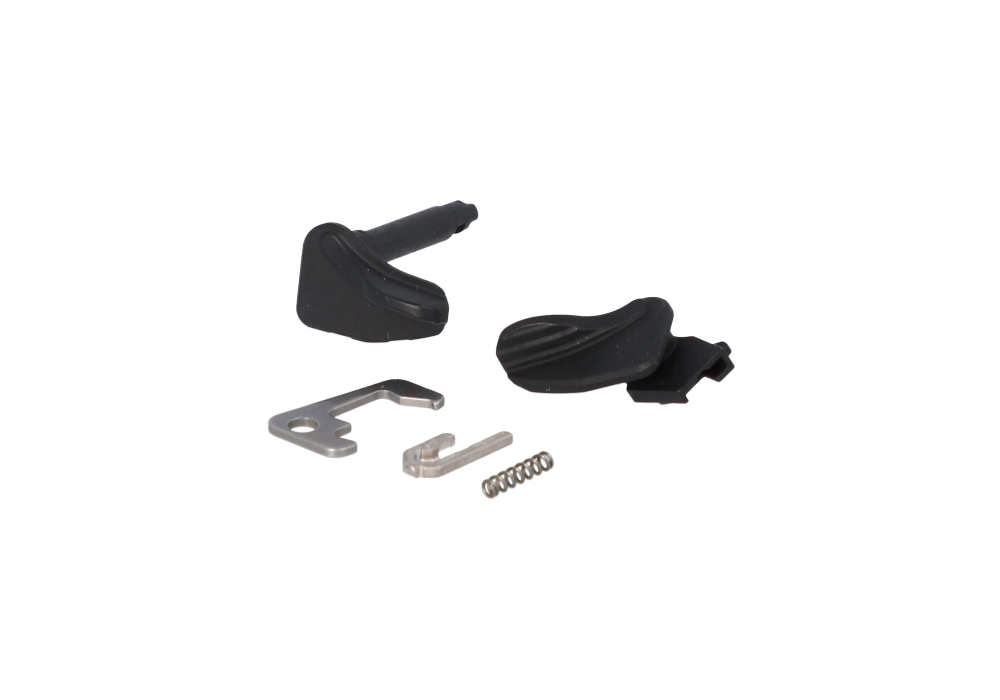
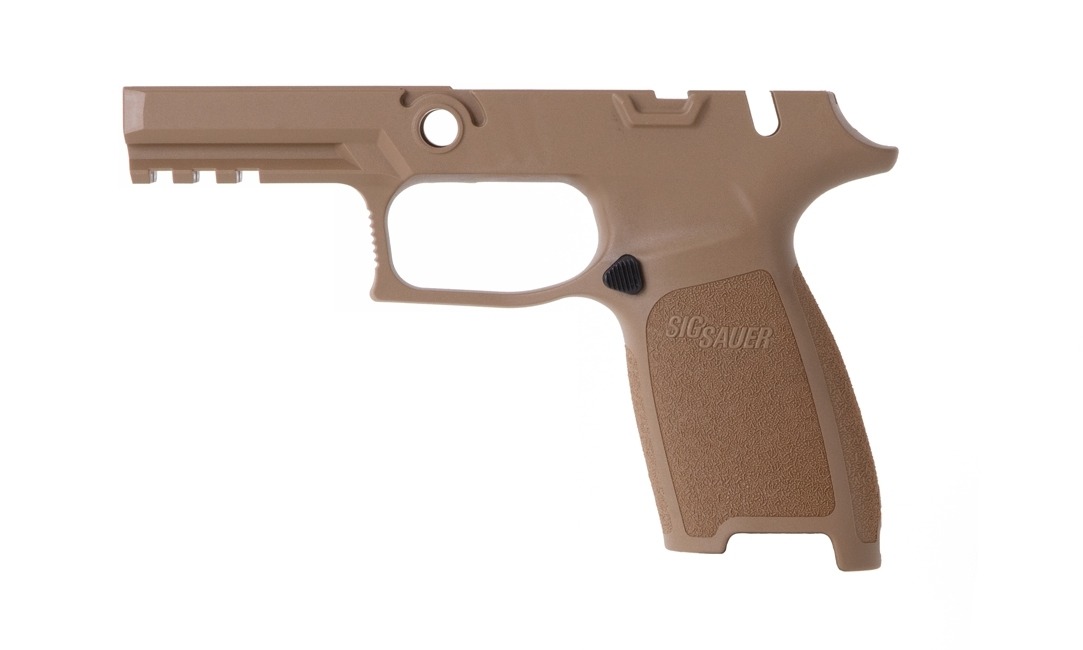
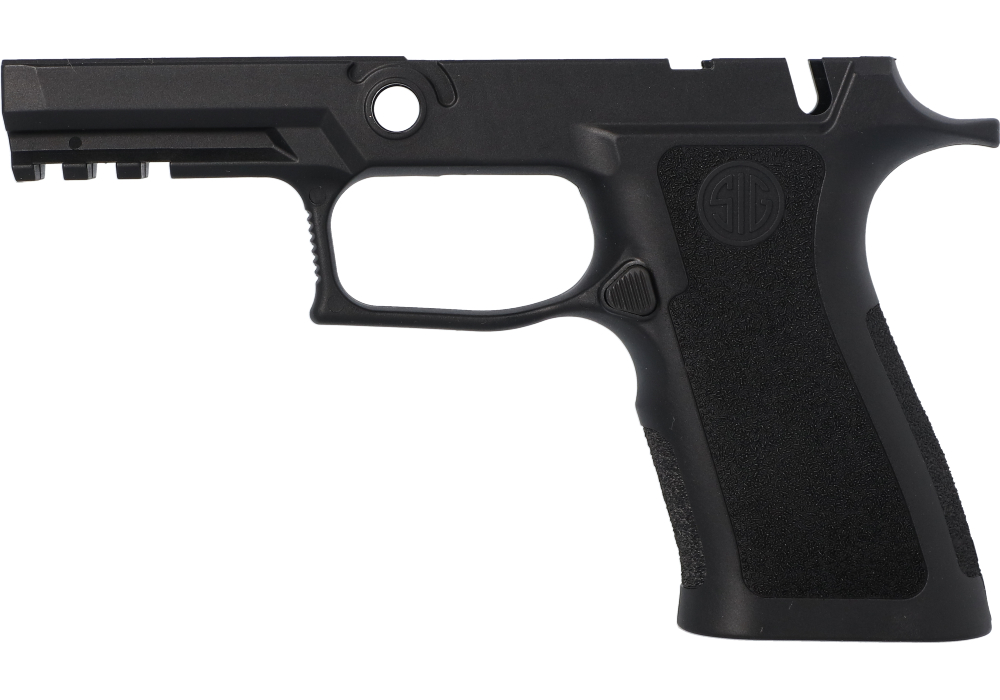
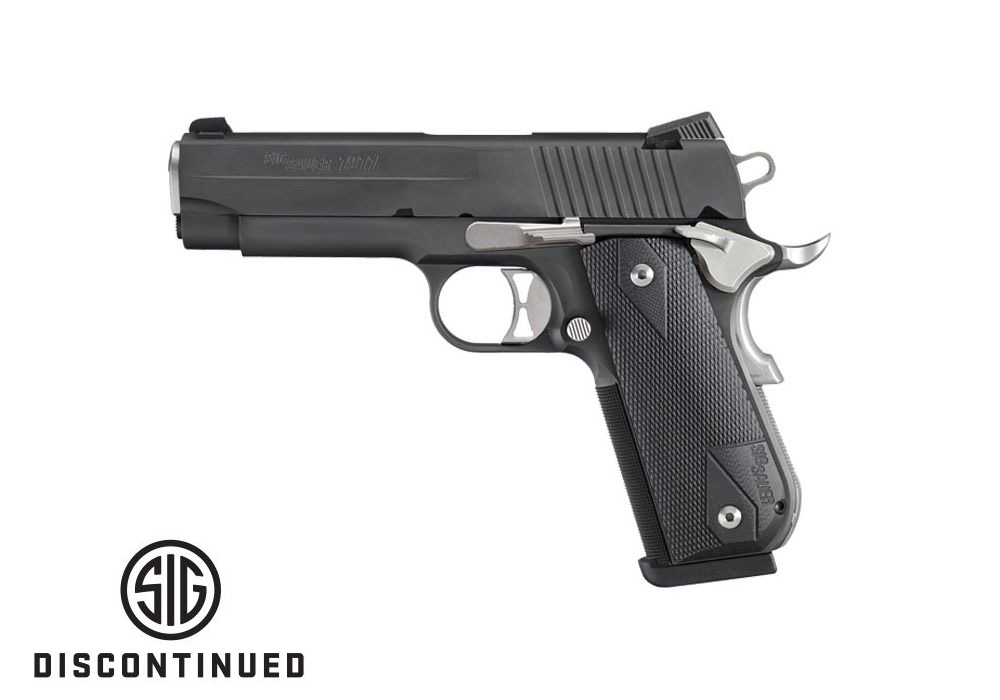
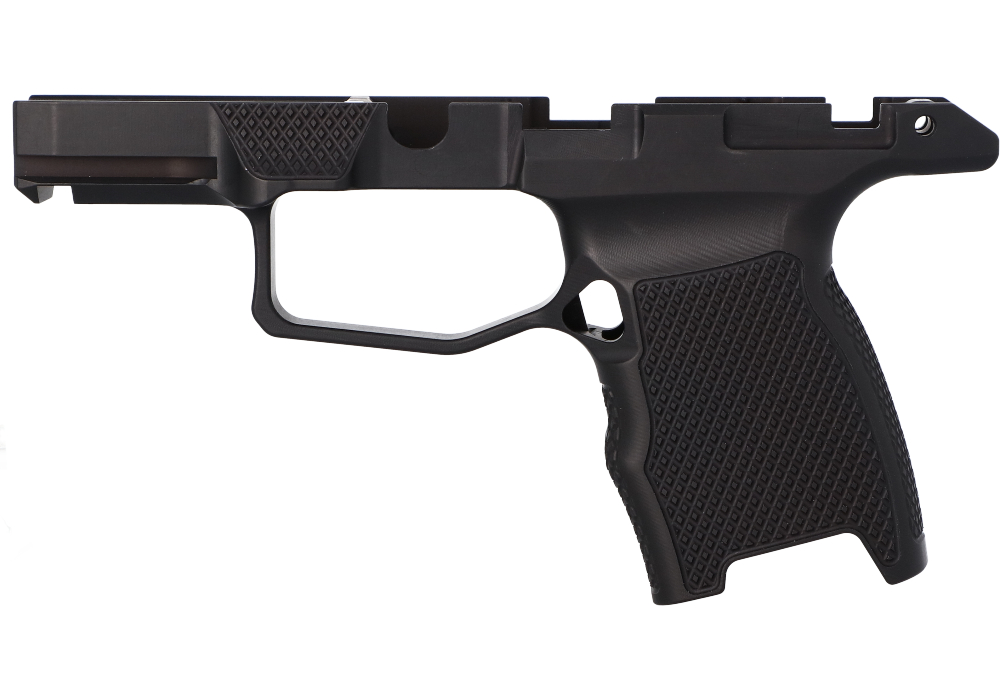
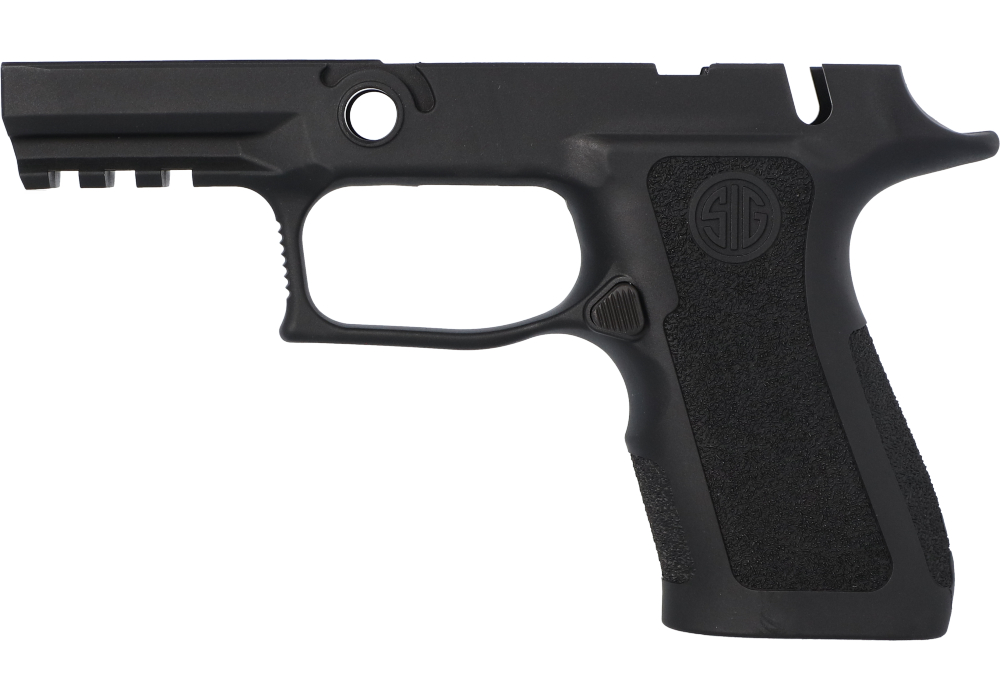
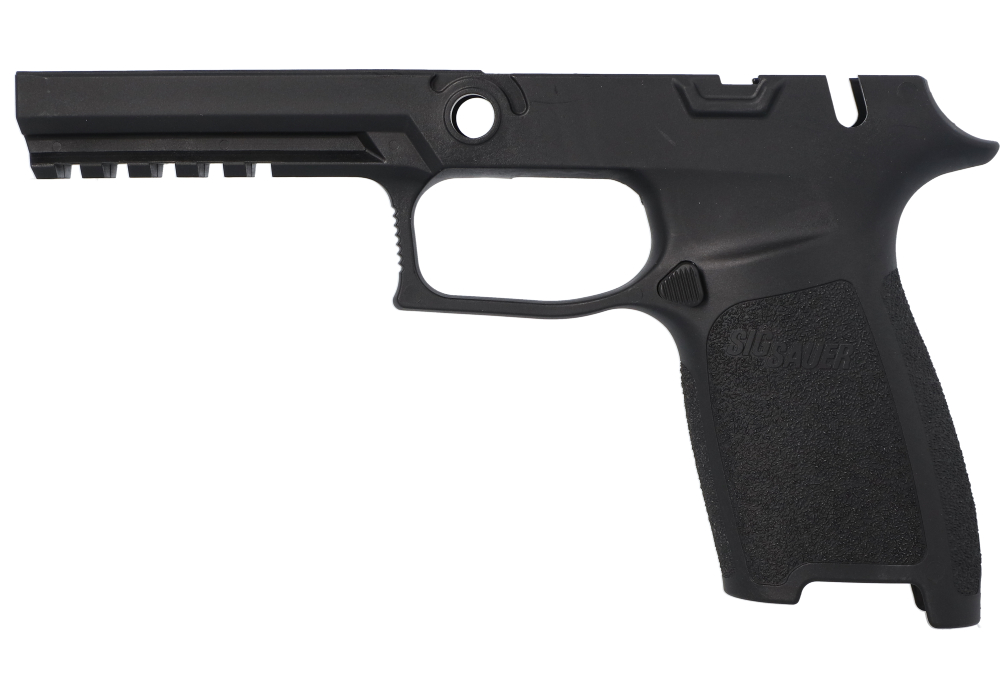
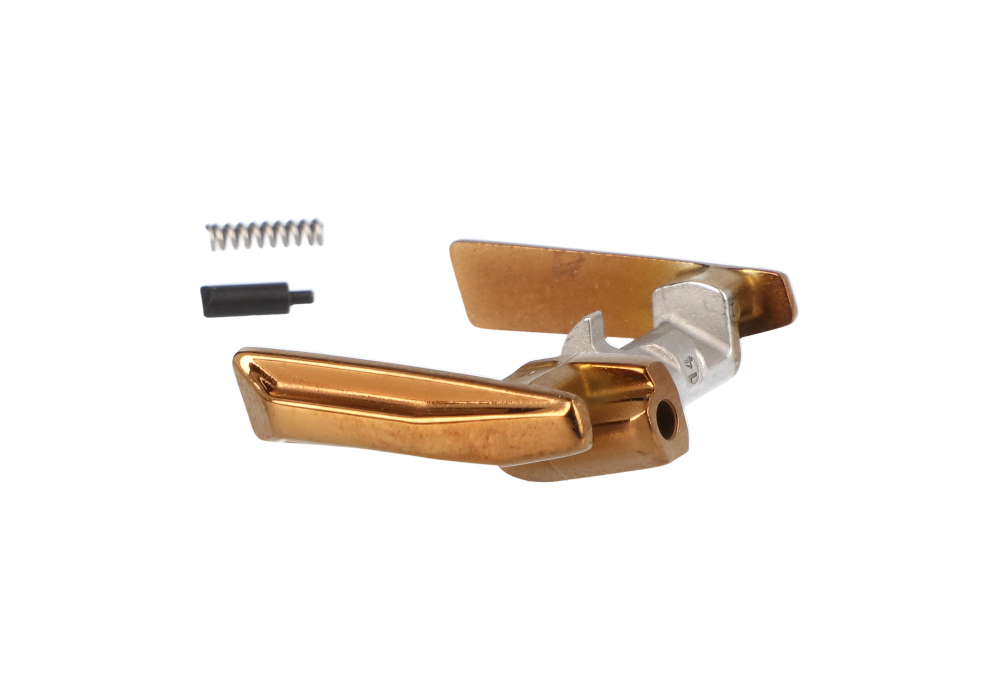
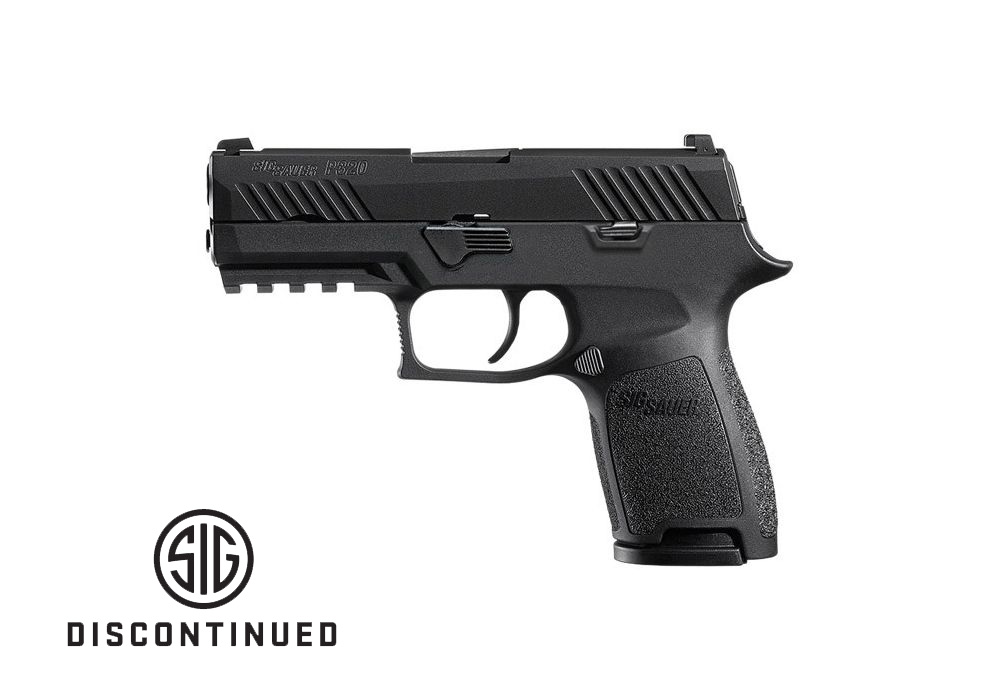
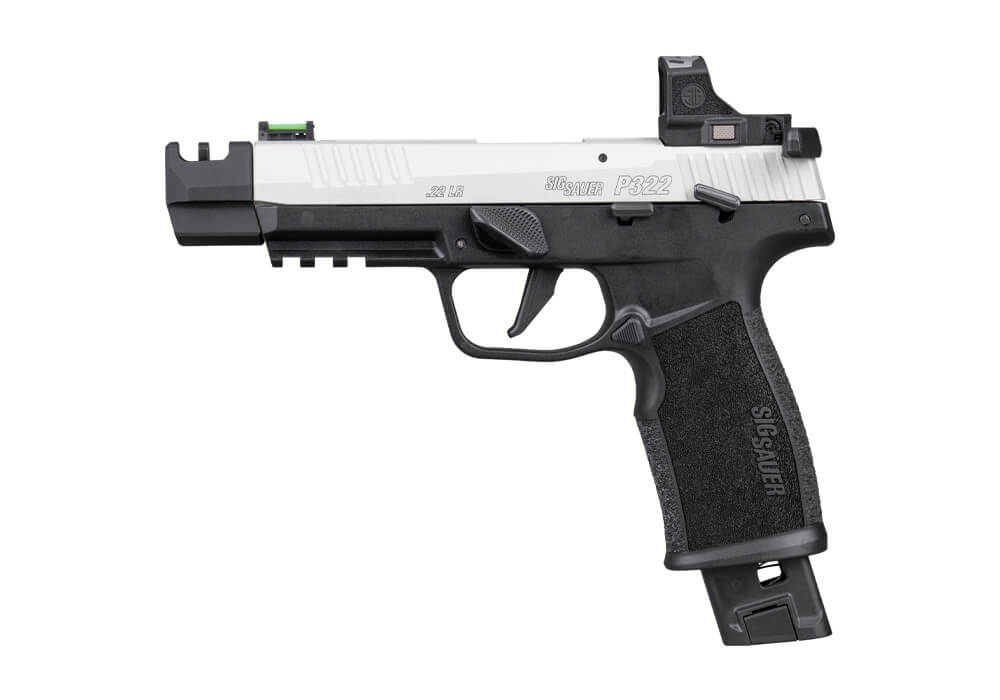
Manual safety controls can be a thoughtful upgrade for concealed carry owners who prefer an additional, deliberately operated control between the holstered firearm and the trigger. These components are designed for compatible handgun platforms and may include ambidextrous levers, safety bars, detents, springs, and grip modules or frames prepared to accept the control. The right setup depends first on the exact firearm configuration, since a manual safety is not a universal accessory and cannot be added to every model or frame without confirming compatibility. Before choosing a part, compare the manufacturer’s specifications with the handgun’s generation, fire control unit, grip size, frame style, and existing controls. A low-profile lever may help reduce printing and snag potential beneath a covering garment, while a broader or more pronounced lever may be easier to locate with the thumb during a consistent draw. Left-handed and right-handed users may also appreciate ambidextrous controls, especially when a concealed carry routine includes drawing from either side, working around an injury, or handling a firearm with the support hand. Appearance matters less than a clean fit, positive engagement, and a control that can be operated without shifting the firing grip. During the cooler months, when jackets, sweatshirts, and layered clothing become part of a daily carry system, even small changes in grip texture or lever shape can affect how naturally the handgun clears a covering garment. A manual safety control should complement the entire carry setup rather than compete with it, including the holster, belt, clothing, and the owner’s established handling habits. For related ways to refine a defensive handgun while preserving dependable function, explore Handgun Reliability Upgrades.
Installation is an important consideration because many manual safety conversions involve more than simply replacing an external lever. On compatible modular designs, the work may require a grip module or frame with the correct safety cut, along with internal safety components that interface with the fire control assembly. Some owners choose a factory-prepared frame or module to avoid altering an existing component; others may consider an aftermarket part when it is clearly listed for the precise configuration and installed according to the maker’s instructions. Cutting or modifying a frame without the proper tools, measurements, and experience can affect fit, function, and safe operation, so professional installation by a qualified gunsmith is the prudent choice when a conversion requires internal disassembly or permanent modification. The firearm should be unloaded, ammunition should be removed from the work area, and the owner should follow all applicable laws and manufacturer guidance. After installation, a competent inspection should confirm that the safety engages and disengages as intended, the trigger operates only under the proper conditions, and the handgun remains compatible with the selected holster. A suitable holster should fully protect the trigger guard, retain the firearm securely, and leave the manual safety accessible without allowing clothing, straps, or other objects to interfere with it. It is also worth checking whether the new control changes the way the handgun seats in the holster or affects concealment beneath a tucked shirt, coat, or other everyday garment. A well-chosen upgrade feels deliberate and predictable: the lever moves with a clear, positive action, the grip remains stable, and the handgun returns to the same position each time it is carried. Parts marketed for a similar-looking firearm are not necessarily interchangeable, making exact model and configuration verification one of the most important steps before purchase.
The most meaningful part of a manual safety upgrade is the training that follows. Anyone who adds a manual safety should build a consistent thumb-sweep motion into the draw stroke and practice it slowly before increasing speed. The motion should become as familiar as establishing the firing grip, clearing the covering garment, and presenting the handgun toward the intended direction. Dry practice can help reinforce the sequence when performed with an unloaded firearm in a safe environment, with live ammunition stored separately and all local safety procedures observed. Range practice should then confirm that the control can be disengaged smoothly without disturbing the sights or grip, including from realistic concealed positions and with the clothing commonly worn during daily carry. A useful range session may reveal details that are easy to miss at a workbench: a lever can feel comfortable with the handgun exposed but become difficult to reach beneath a jacket, or a grip module can seem ideal until gloves change the way the thumb contacts the control. Like any defensive handgun change, a manual safety should be evaluated through repetition rather than assumed to be ready after installation. New owners may appreciate these upgrades as part of a carefully assembled carry system, while an experienced carrier might select one to match a familiar manual of arms across multiple compatible handguns. These components can also be a considerate gift for a knowledgeable firearm owner, but only when the exact model, preferred control style, and willingness to use a manual safety are already known; an accessory chosen without that information may not fit or suit the recipient. A safer gift option is to let the owner select the compatible part or arrange professional installation. Whether preparing for everyday errands, travel within applicable regulations, or a return to regular practice as the weather changes, the goal is a control system that is easy to verify, comfortable to carry, and reliable under familiar, practiced handling.