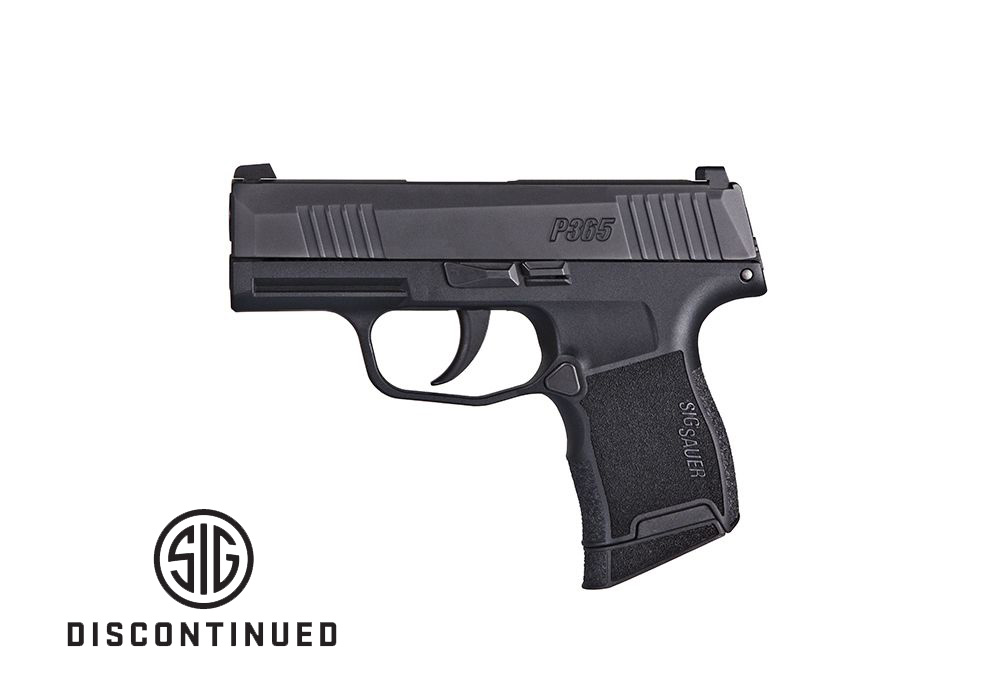
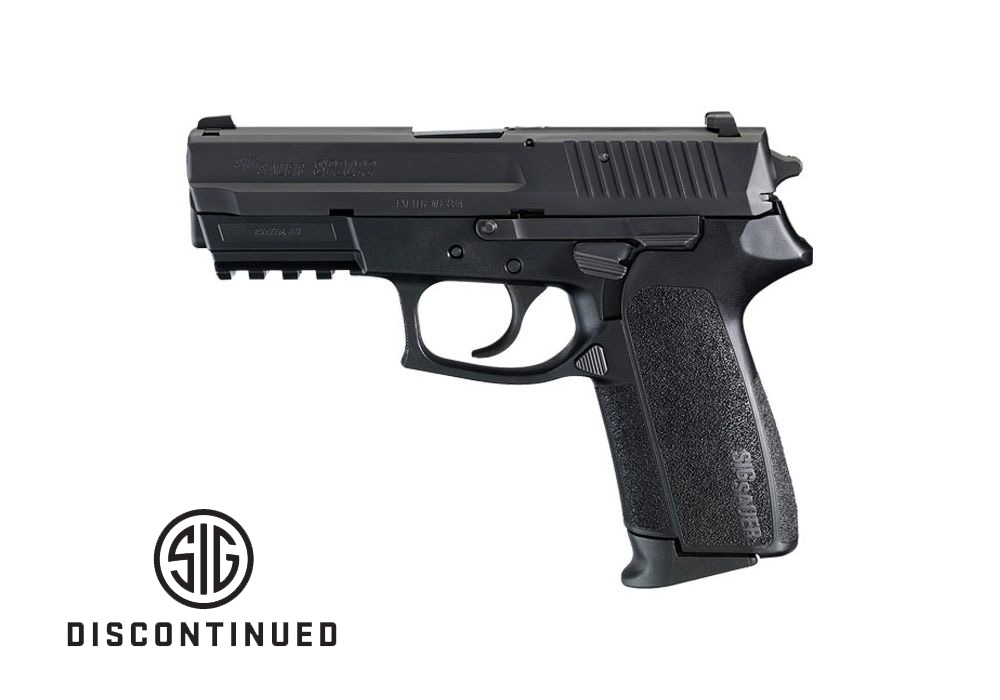
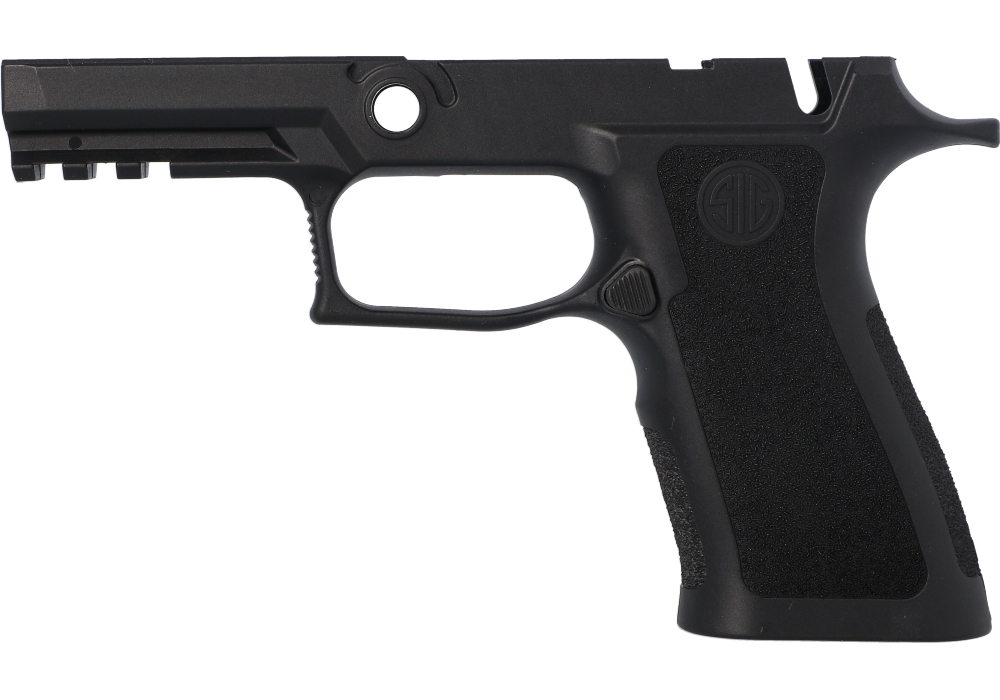
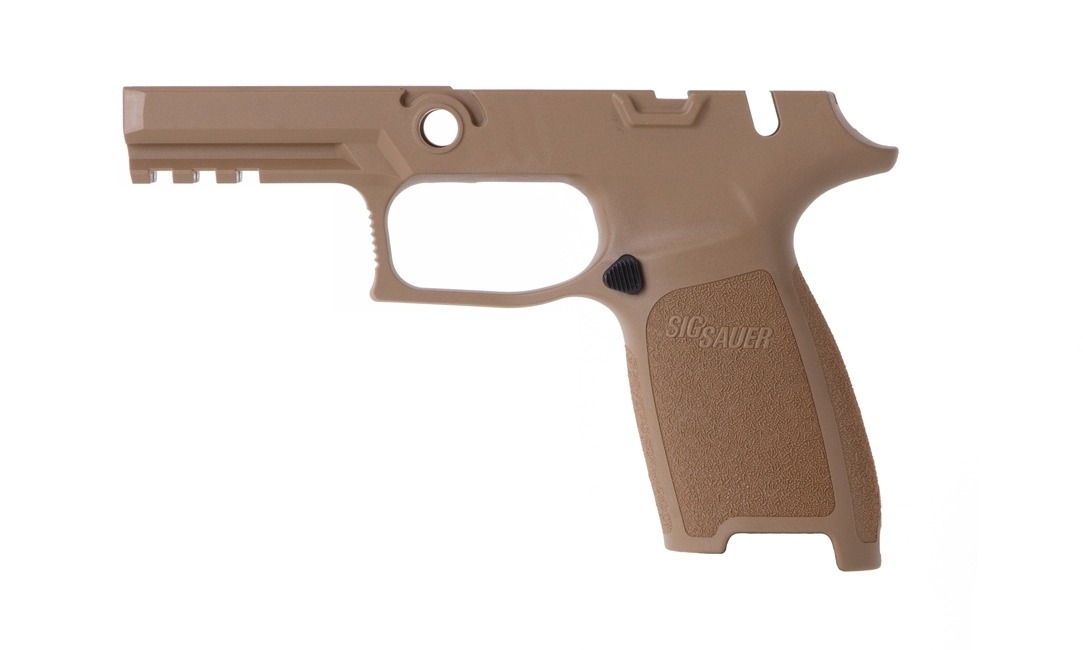
Manual safety controls for everyday carry pistols give the user an additional, deliberate step before the firearm can be fired. Depending on the pistol design, that control may be a thumb-operated lever mounted on the frame or slide, a grip safety built into the backstrap, or a combined safety and decocker that helps place the pistol in a safer condition while lowering the hammer. These features work alongside internal passive safeties, such as trigger blocks, firing pin blocks, and drop safeties, rather than replacing them. For many people who carry during daily routines, a manual safety provides added confidence when the pistol is being handled, holstered, stored, or carried close to the body. It can help reduce the chance of an unintended trigger press caused by clothing, a drawstring, a seat belt, or another object entering the trigger guard, particularly when the pistol is returned to its holster. It may also provide an extra physical barrier during a struggle over the firearm. At the same time, a manual safety is not a substitute for a rigid, properly fitted holster, safe muzzle awareness, or disciplined handling. Every control introduces a responsibility: the carrier must know its position, understand how it operates, and practice using it consistently. Shoppers comparing options in this category should consider the location and shape of the safety lever, the amount of pressure needed to operate it, whether it can be engaged and disengaged without shifting the firing grip, and whether the control is easy to identify by touch. A low-profile lever may reduce the chance of snagging on clothing, while a more pronounced control may be easier to find during a careful draw stroke. Grip safeties can appeal to carriers who prefer a passive external feature that activates when the pistol is held correctly, while a thumb safety may suit someone who wants a clearly defined manual action. Firearm fit, hand size, carry position, and the user’s ability to make the same motion repeatedly are all important considerations. The right choice is the one that supports safe, consistent handling rather than adding a control the owner does not understand or intend to use.
Manual safety pistols can be a practical choice for responsible concealed carriers, home defenders, range users, and new owners who appreciate a clear status check before handling a firearm. They may also be considered as a meaningful gift for an experienced shooter, provided the recipient can legally receive the firearm or accessory and has an opportunity to select the size, configuration, and controls that fit their needs. Because preferences vary, gift buyers may be better served by giving a certificate, arranging a lawful purchase, or discussing the recipient’s intended carry method rather than choosing a configuration based only on appearance. A pistol carried during warmer weather may be exposed to lighter garments, frequent movement, and more direct contact with a holster, while cooler months can bring layered clothing, coats, gloves, and cuffs that require additional attention around the trigger area and safety control. In either case, the pistol should remain secured in a purpose-built holster that fully covers the trigger guard and holds the firearm in a stable position. A manual safety should be treated as one part of a complete carry system that includes a suitable belt, secure storage when the pistol is not being carried, and a clear plan for keeping the firearm away from unauthorized users. Before purchasing, review the owner’s manual and applicable laws, including requirements for transport, concealed carry, storage, and training. Some users prefer a thumb safety for appendix carry or other positions where they want a positive control during movement and reholstering. Others prefer a grip safety or a safety-and-decocker arrangement that matches the way they have trained. Neither approach is universally correct. The important factors are mechanical familiarity, safe administrative handling, and the ability to maintain control of the pistol from the moment it is removed from storage until it is secured again. A new owner should have the firearm inspected and explained by a qualified professional, confirm that the controls function as intended, and practice only with an unloaded firearm in a safe environment before visiting the range. For additional options and related configurations, explore Manual Safety Pistols for Firearm Safety.
Training is especially important because a manual safety adds a user-operated action that must become familiar without becoming careless or rushed. With the firearm unloaded, the owner can practice a consistent draw stroke under qualified instruction, including a smooth thumb sweep that disengages the safety only when the sights are coming toward the intended target and the decision to fire has been made. The motion should be repeatable with the chosen holster, belt, clothing, and carry position. Dry-fire practice should follow the manufacturer’s instructions and take place in a controlled area with no ammunition present, after the firearm has been verified clear and all other people are away from the practice space. Live-fire training can then confirm that the safety can be operated without disturbing the firing grip, shifting the sights, or creating hesitation. Re-engaging the manual safety before reholstering is a useful habit for designs intended to be carried in that condition, but the exact sequence should always follow the firearm’s operating instructions and the owner’s training. Reholstering deserves particular care: move slowly, keep the trigger finger straight and outside the trigger guard, look the pistol into the holster when appropriate, and stop immediately if clothing or equipment interferes. Owners should also learn how the safety behaves when the slide is cycled, the hammer is cocked or lowered, or the magazine is removed, since these details differ by design. Regular inspection helps identify loose controls, damaged holsters, worn springs, or debris that could affect operation. A manual safety is most valuable when it supports habits that remain dependable during ordinary routines, from getting into a vehicle to moving through a crowded store during the warmer season or wearing heavier layers during cooler weather. Responsible carriers should continue building proficiency with qualified instruction, safe storage, and realistic but lawful practice, remembering that every safety feature works best when paired with attention, preparation, and respect for the firearm.