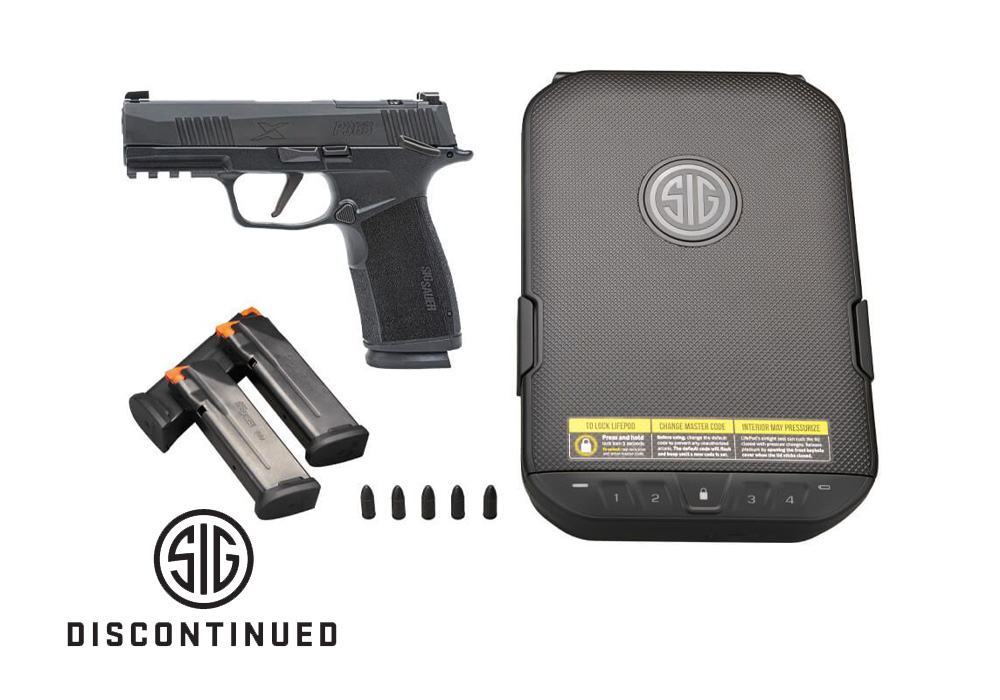
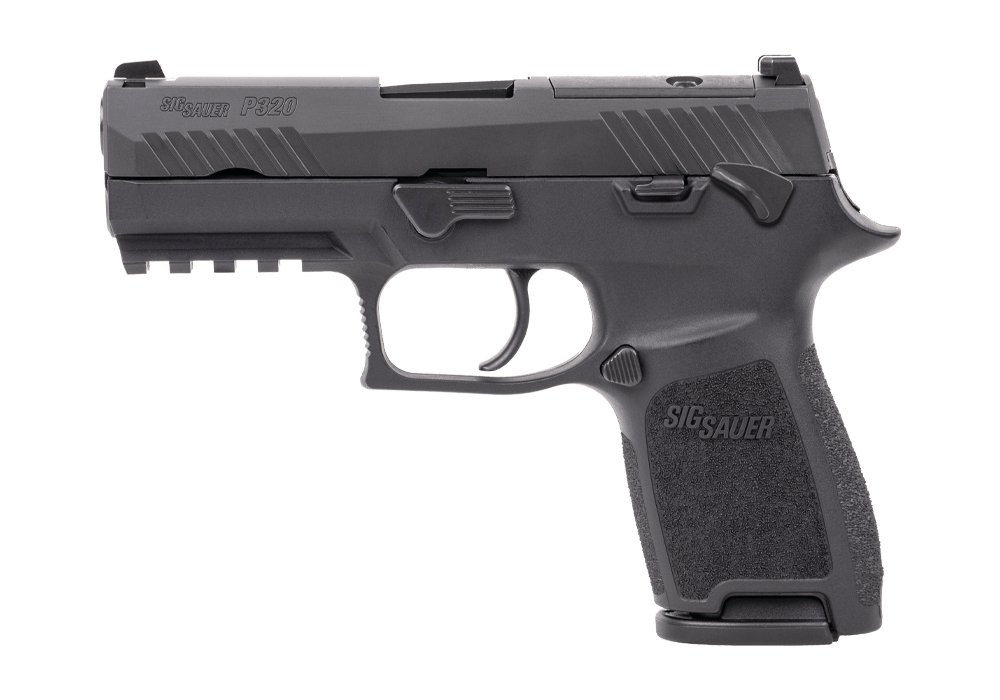
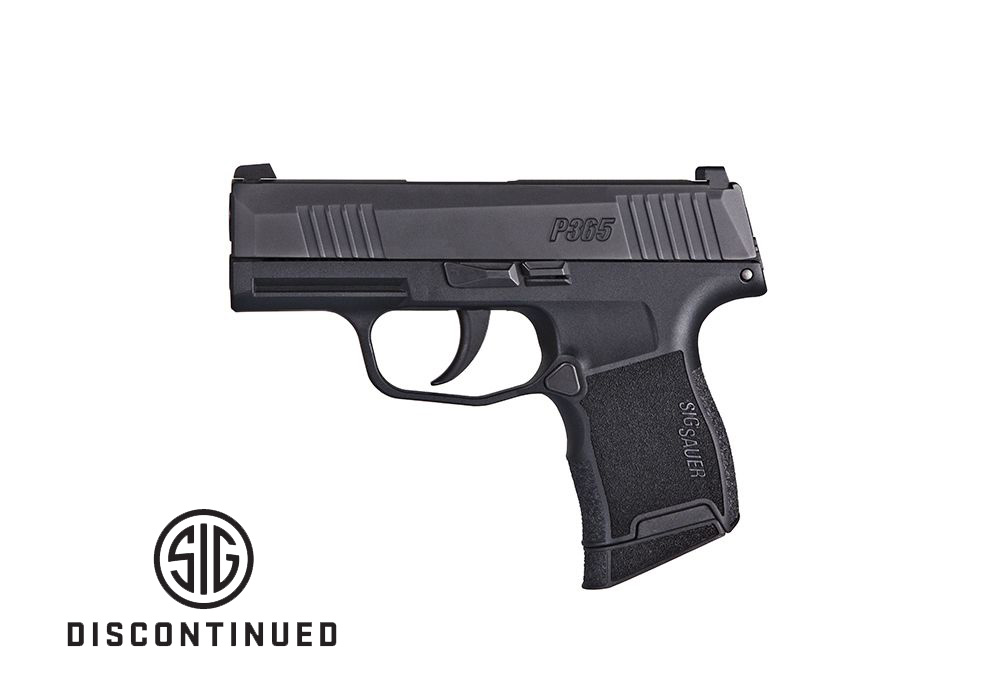
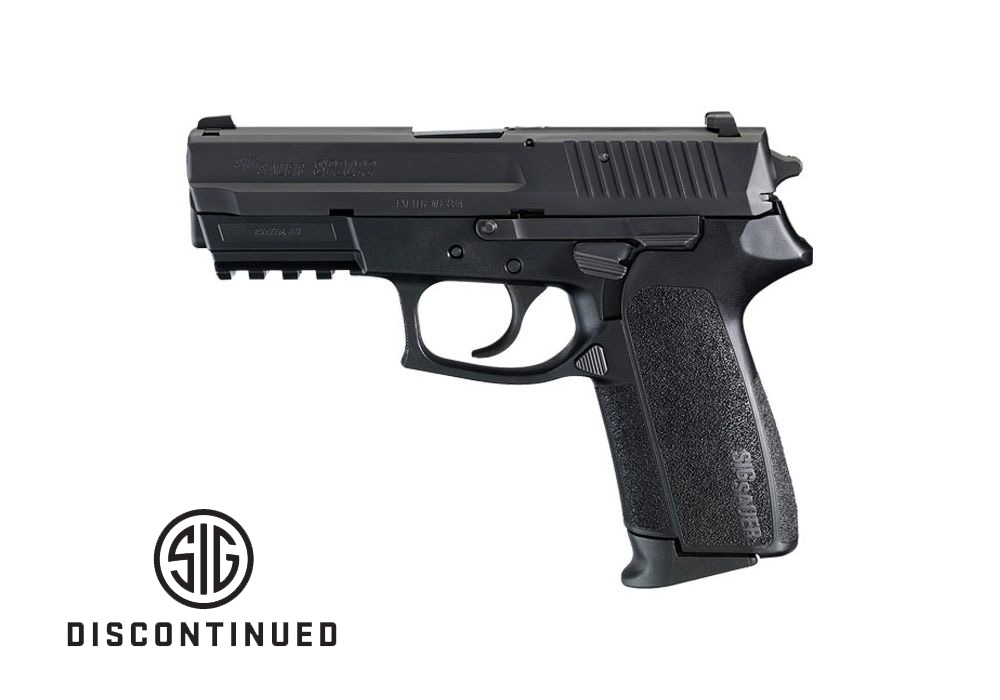
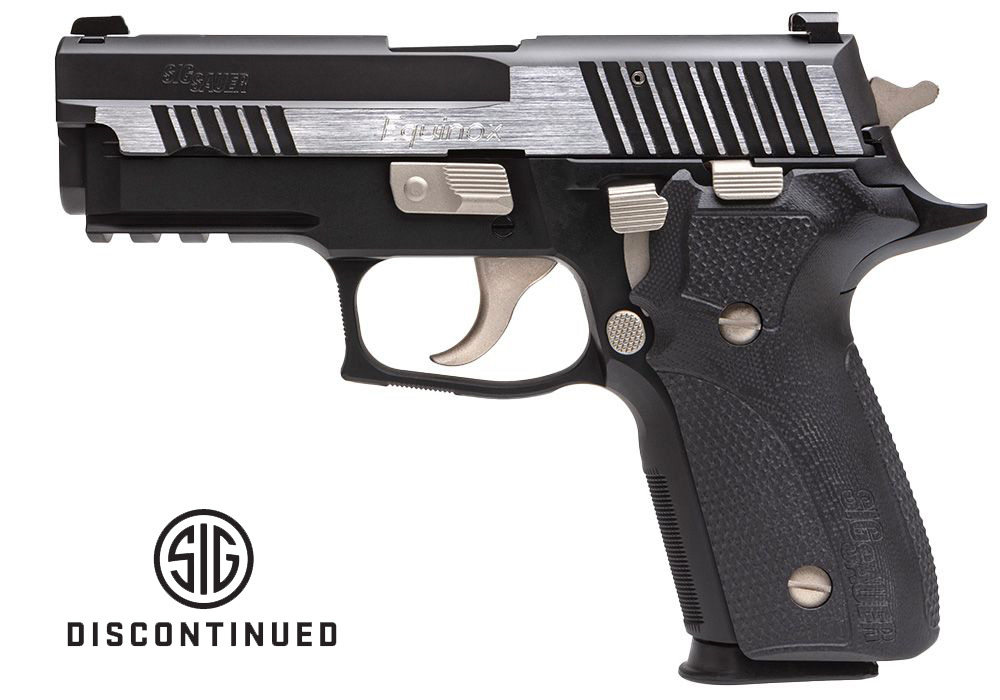
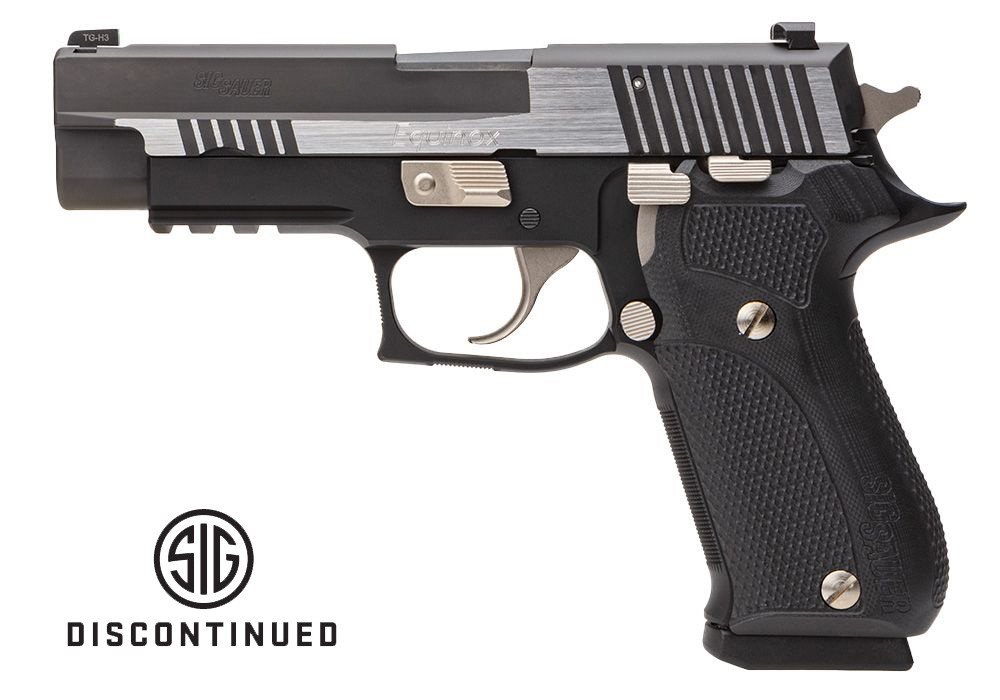
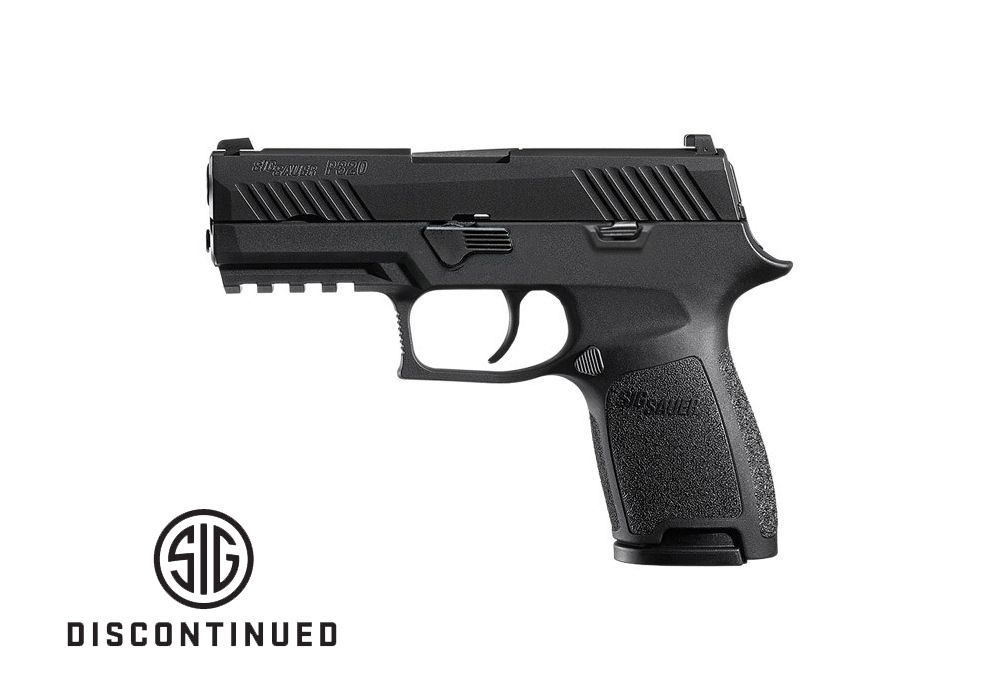
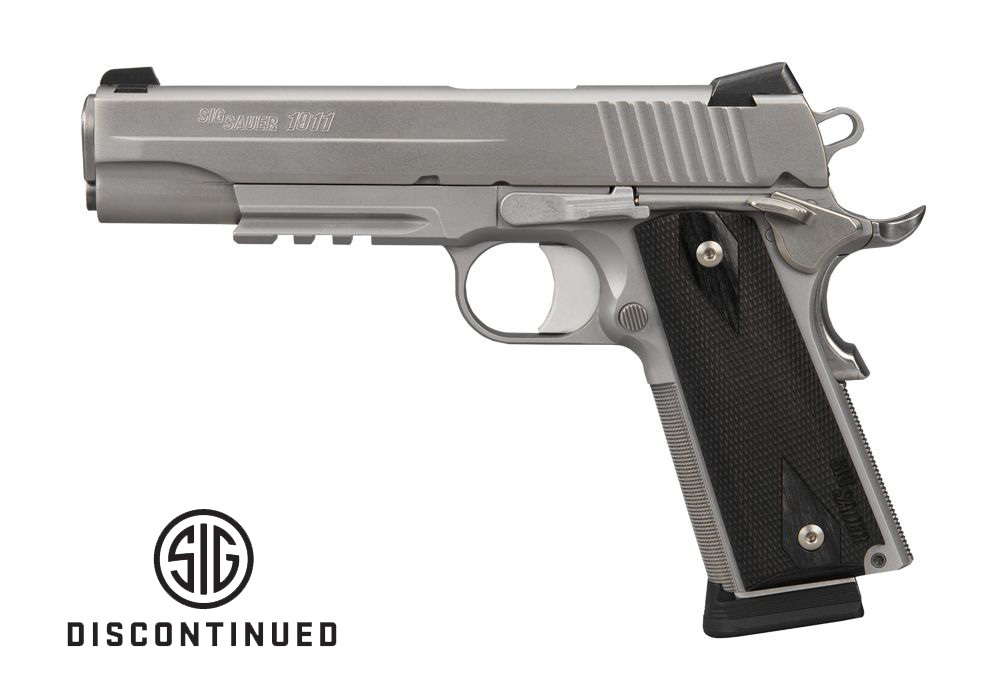
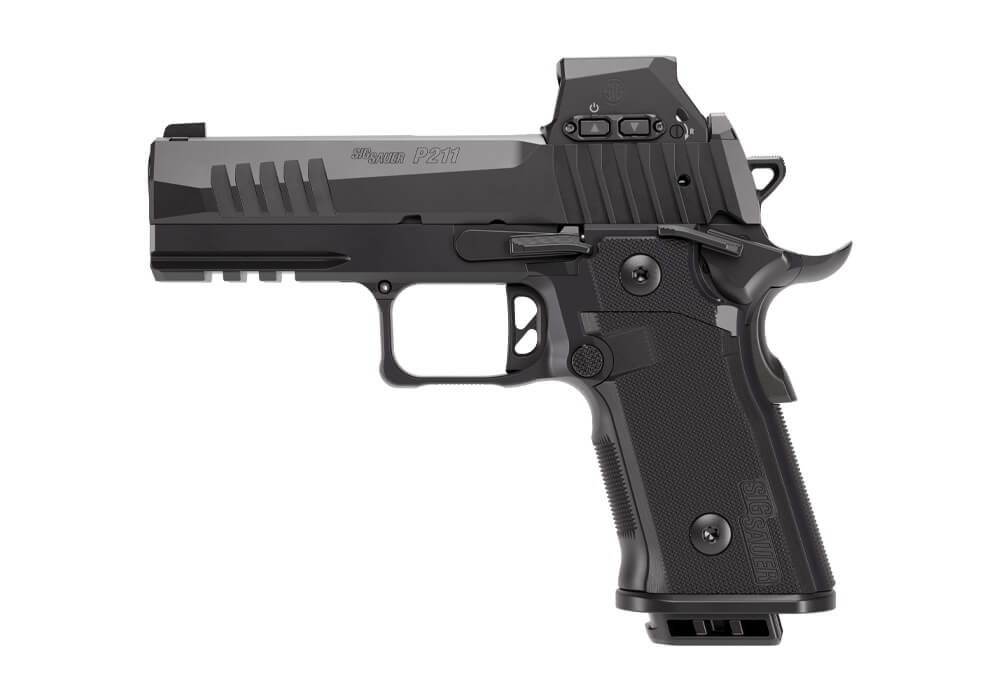
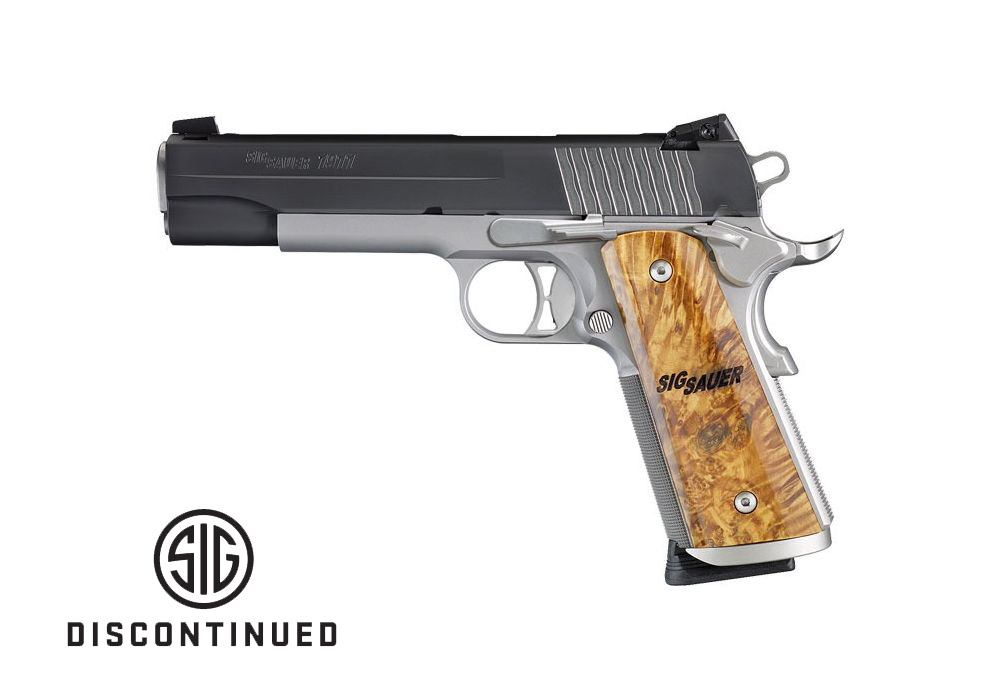
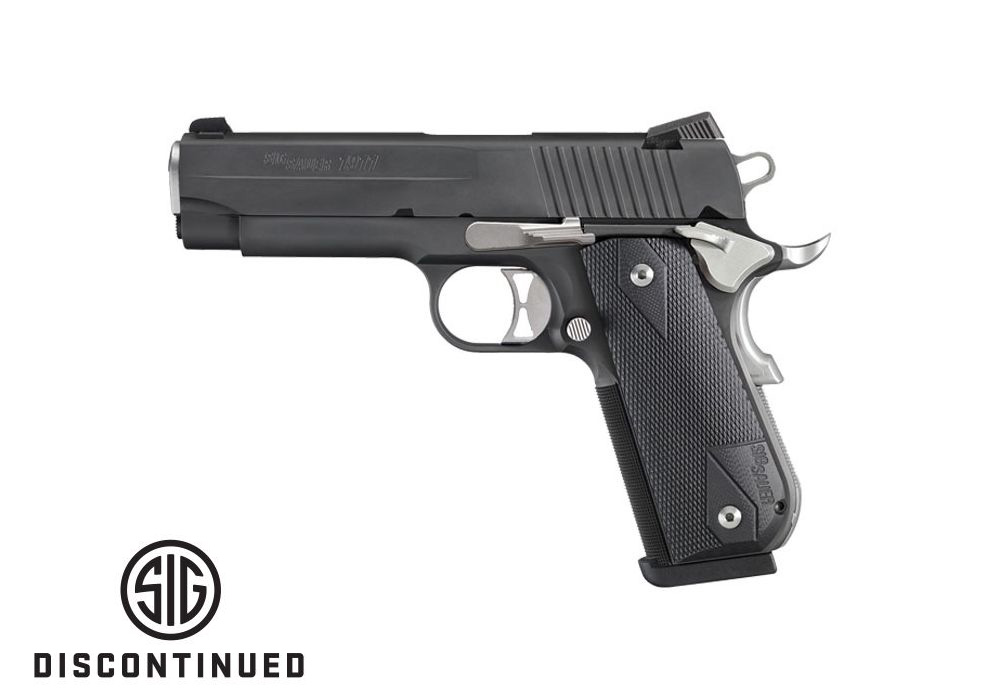
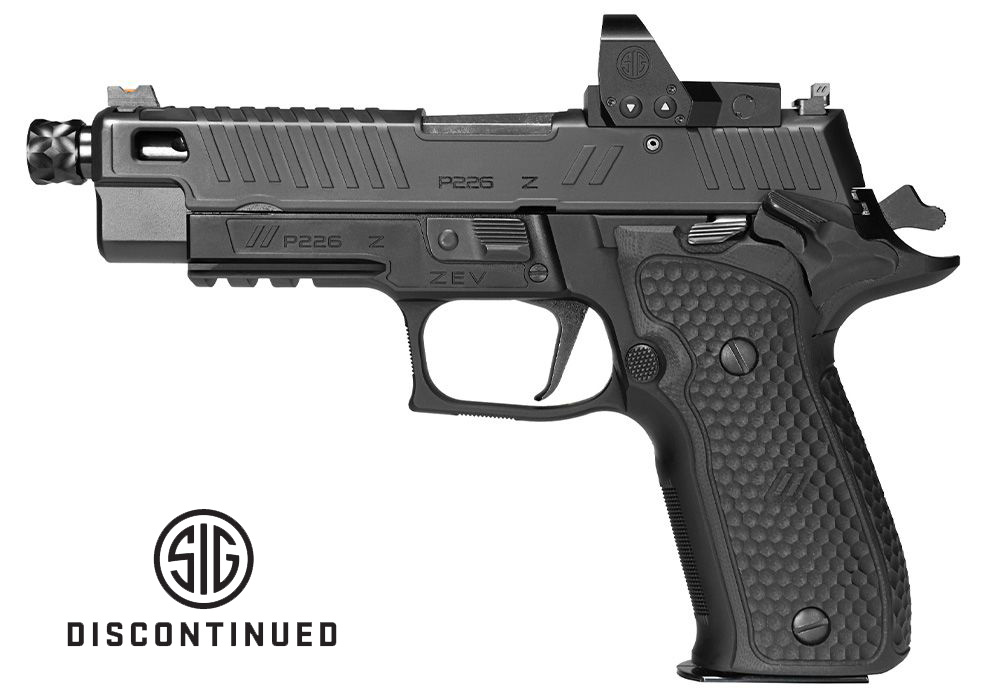
Manual safety pistols add a user-operated control to the firearm’s existing safety systems, giving the shooter an additional step intended to help prevent an unintentional discharge. Depending on the design, a manual safety may block the trigger, sear, hammer, or firing mechanism until it is deliberately moved to the fire position. The most familiar style is a thumb-operated lever located along the frame, while some pistols use a grip safety that must be naturally depressed by a proper firing grip. A trigger safety, such as a hinged or inner trigger blade, is a different feature: it helps prevent the trigger from moving unless pressure is applied to the intended contact surface, but it is not always considered a manual safety because it operates automatically rather than through a separate user-controlled lever. A decocker is another distinct control that safely lowers a cocked hammer; on some designs, it may also serve as or be paired with a manual safety. Understanding these differences makes it easier to compare pistols based on how their controls function rather than relying on terminology alone. A manual safety can provide added reassurance during handling, holstering, storage preparation, or a physical struggle over the firearm, particularly when the trigger is protected by a properly fitted holster. It does not replace the fundamental rules of firearm safety: treat every firearm as loaded, keep the muzzle pointed in a safe direction, keep the trigger finger straight and outside the trigger guard until ready to fire, and be certain of the target and what lies beyond it. Safe handling remains essential whether the safety lever is engaged or disengaged.
When comparing manual safety pistols, start with the controls and how naturally they fit the intended user’s hand. The safety should be easy to identify by touch, provide a clear on-and-off movement, and remain accessible without forcing the shooter to shift the grip. Ambidextrous controls can be useful for left-handed shooters or households where more than one person may train with the same firearm. A grip safety may appeal to those who prefer a system that disengages as part of a consistent firing grip, while a frame-mounted thumb safety may suit shooters who want a clearly visible and deliberate control. The choice between a hammer-fired or striker-fired action, a compact or full-size frame, standard or extended capacity, and different sight configurations also affects how a pistol feels and performs. Grip texture, reach to the trigger, recoil, overall weight, and the ability to operate the controls while wearing gloves are practical considerations that become apparent during supervised range sessions. Concealed-carry users should select a holster designed for the exact pistol and equipped to protect the entire trigger guard, while home-defense users may place greater emphasis on secure storage, intuitive controls, and dependable access by an authorized adult. A manual safety is only helpful when its operation is familiar. Under stress, an unfamiliar extra step can lead to a failure to disengage the safety or uncertainty about the pistol’s status, so practice should include confirming the safety position, establishing a safe grip, pressing the trigger only when appropriate, and returning the pistol to a safe condition. Dry practice with an unloaded firearm, conducted in accordance with the owner’s manual and away from ammunition, can reinforce these movements; live-fire training should take place at a suitable range under responsible supervision. Shooters exploring seasonal range time can also review Manual Safety Pistols for Fall Shooting when preparing for changing light, cooler temperatures, or layered clothing.
Manual safety pistols may be appropriate for new shooters who value an additional visible control, experienced owners who prefer a particular operating system, or anyone seeking a handgun for range practice, lawful carry, or secured home protection. They can also be a thoughtful gift for a responsible adult who has expressed a clear interest in firearm ownership, provided the purchase, transfer, background-check requirements, waiting periods, and other regulations are followed in the recipient’s jurisdiction. A firearm should never be presented as a surprise to someone who has not chosen the type of pistol, learned the local laws, or agreed to take responsibility for secure storage and training. Before purchasing, confirm that the recipient can comfortably reach the controls, manage recoil, and use the pistol safely with the selected ammunition and holster. Every owner should have a lockable storage solution that prevents unauthorized access, especially in homes with children or visitors, and should keep ammunition secured separately when appropriate under local law and household safety preferences. Regular inspection, cleaning, and maintenance should follow the manufacturer’s instructions, with particular attention to the safety mechanism, magazines, sights, and any holster or storage device. During the warmer seasons and into the cooler months, changing clothing, hand position, and outdoor conditions can affect access and handling, making periodic practice valuable. The goal is not simply to own a pistol with a manual safety, but to build a consistent routine in which safe storage, careful handling, deliberate control operation, and responsible training work together. Choosing a pistol that feels natural in the hand and supports those habits can make ownership more comfortable, more predictable, and better suited to the shooter’s lawful purpose.