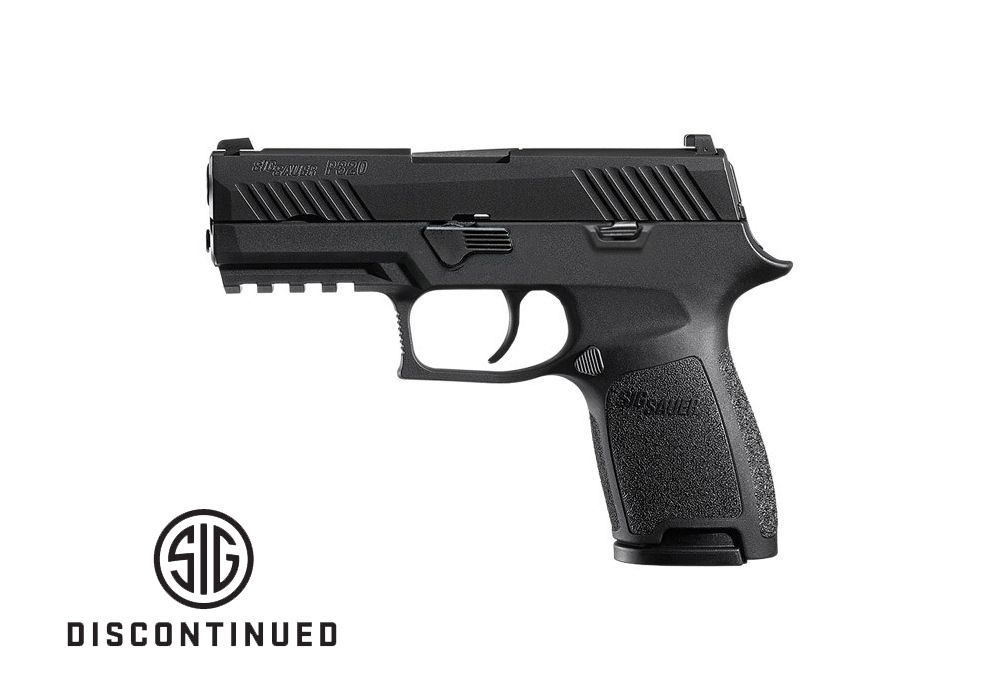
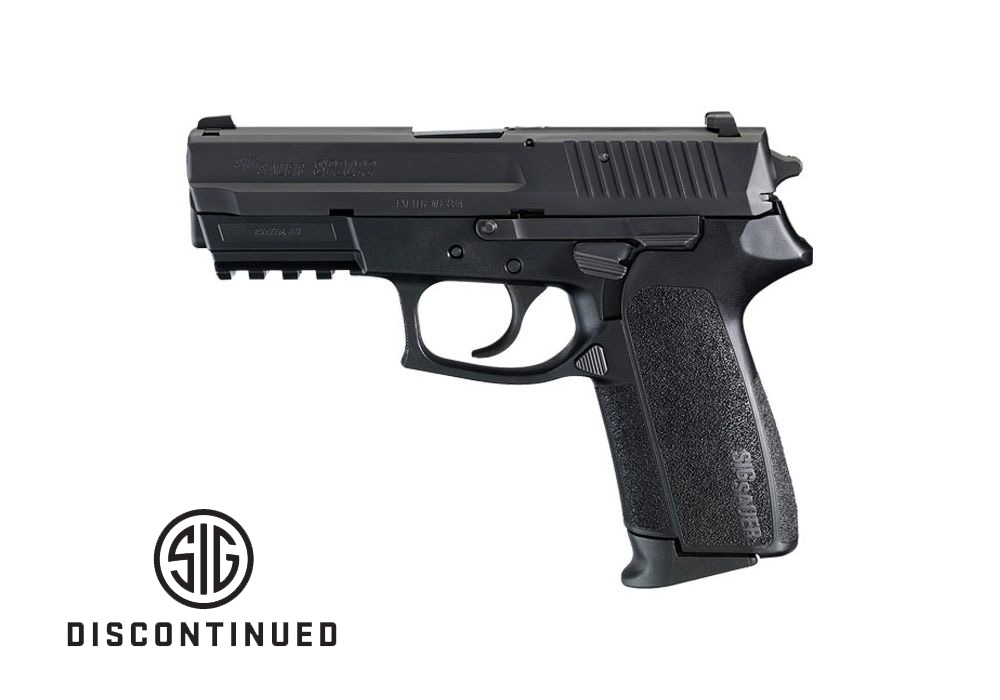
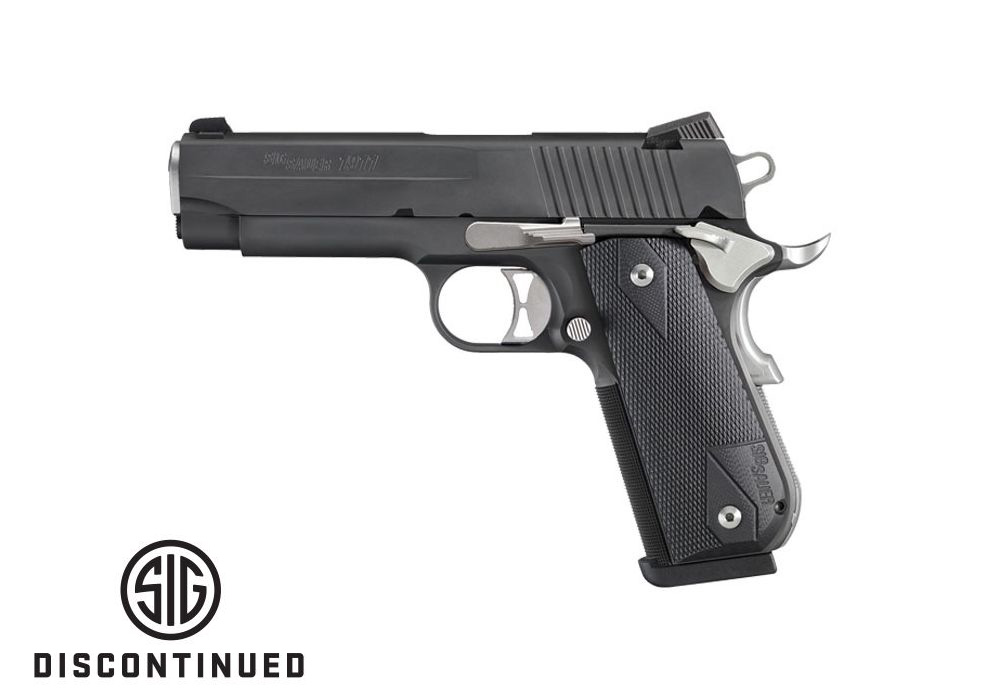
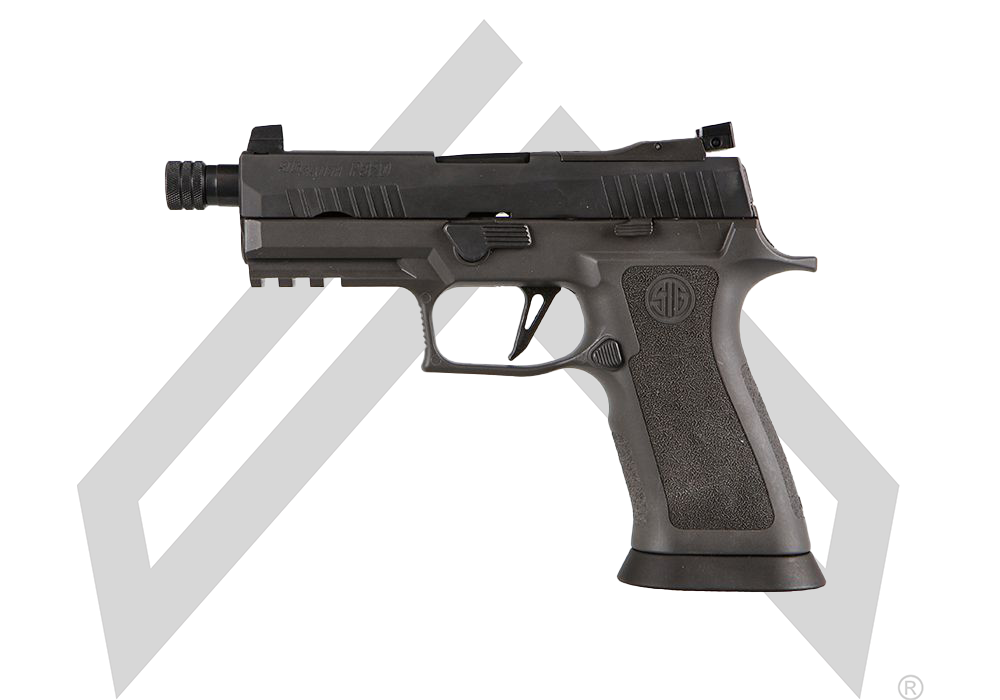
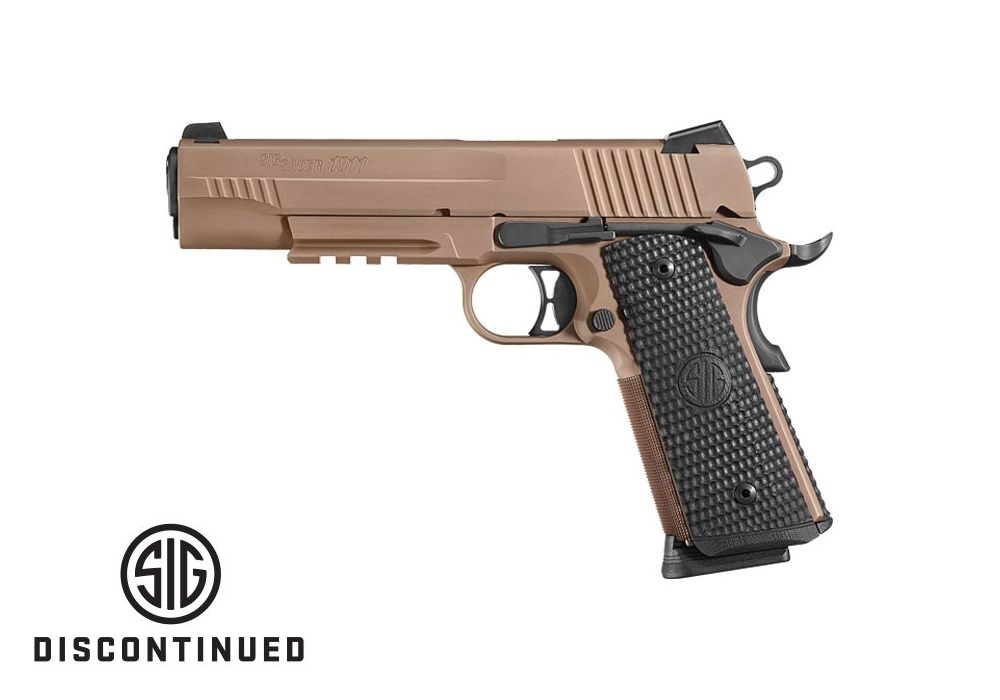
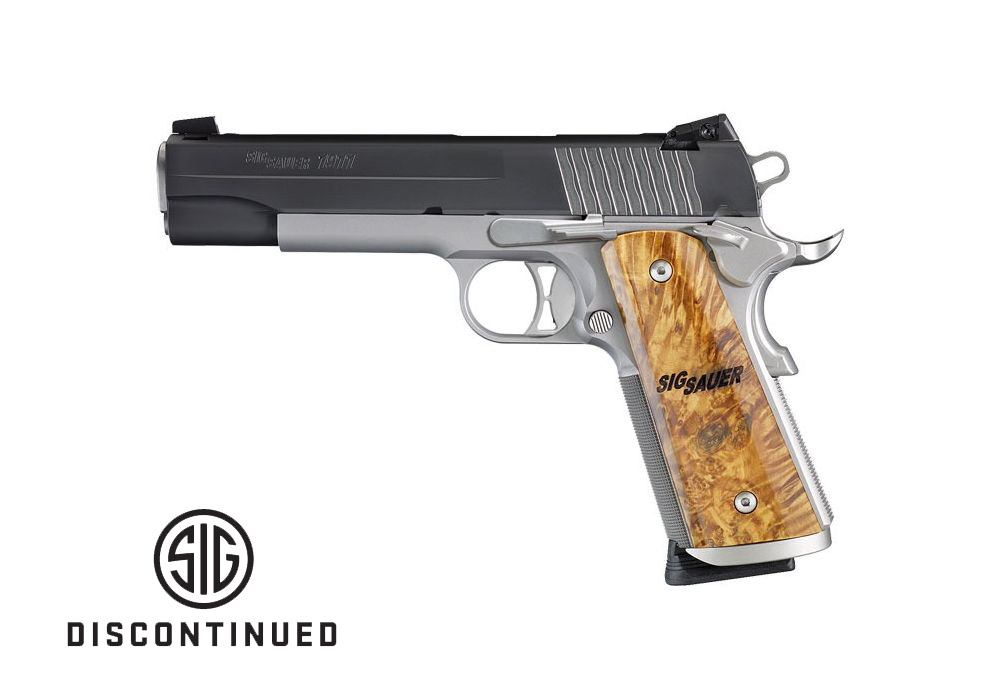
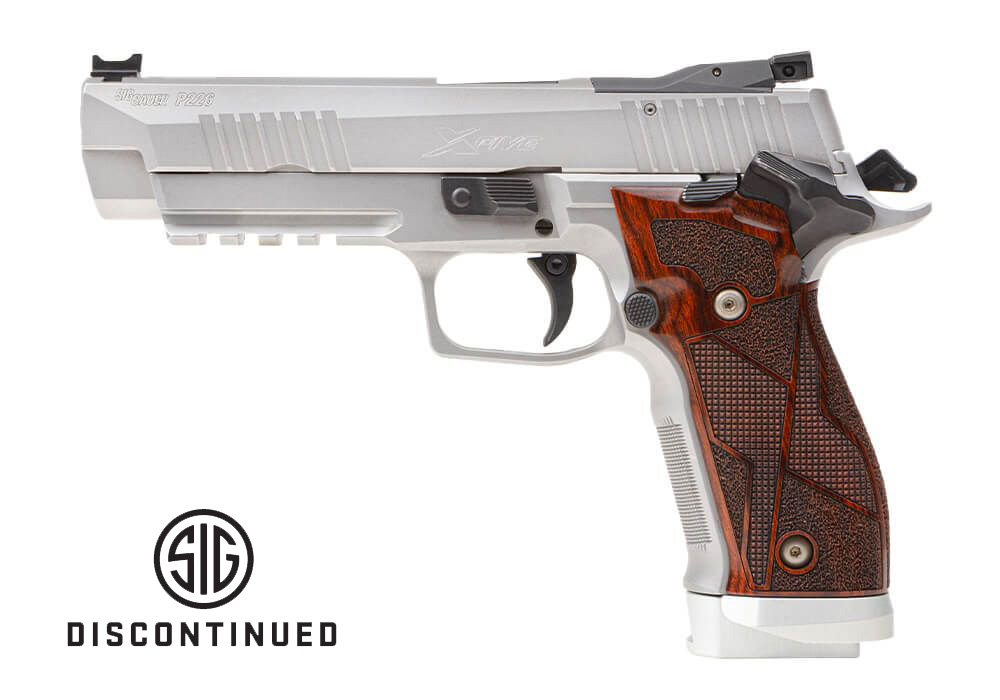
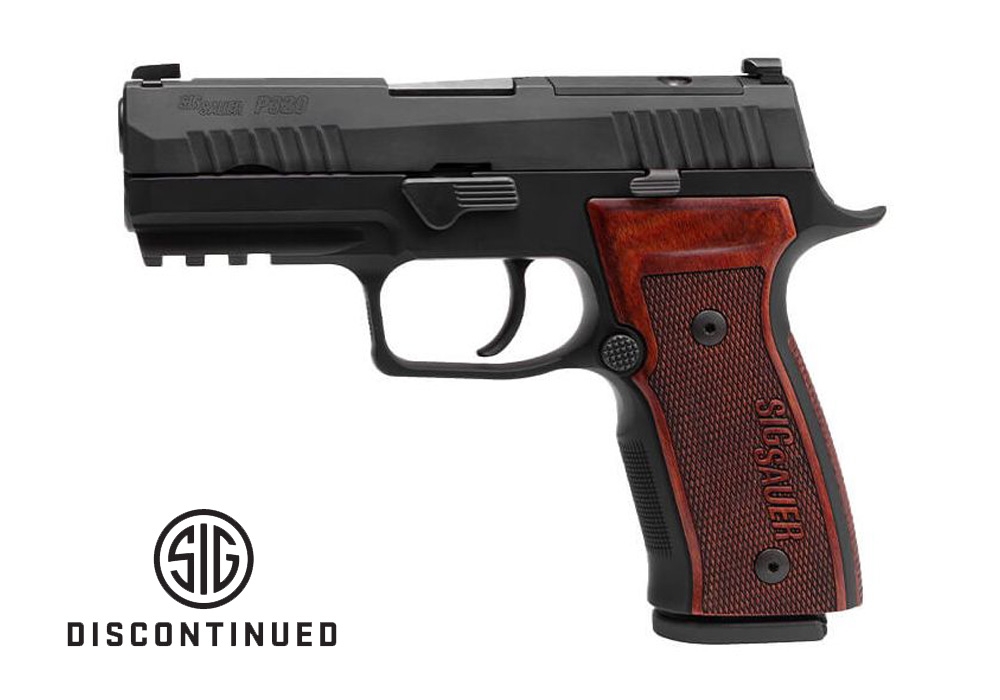
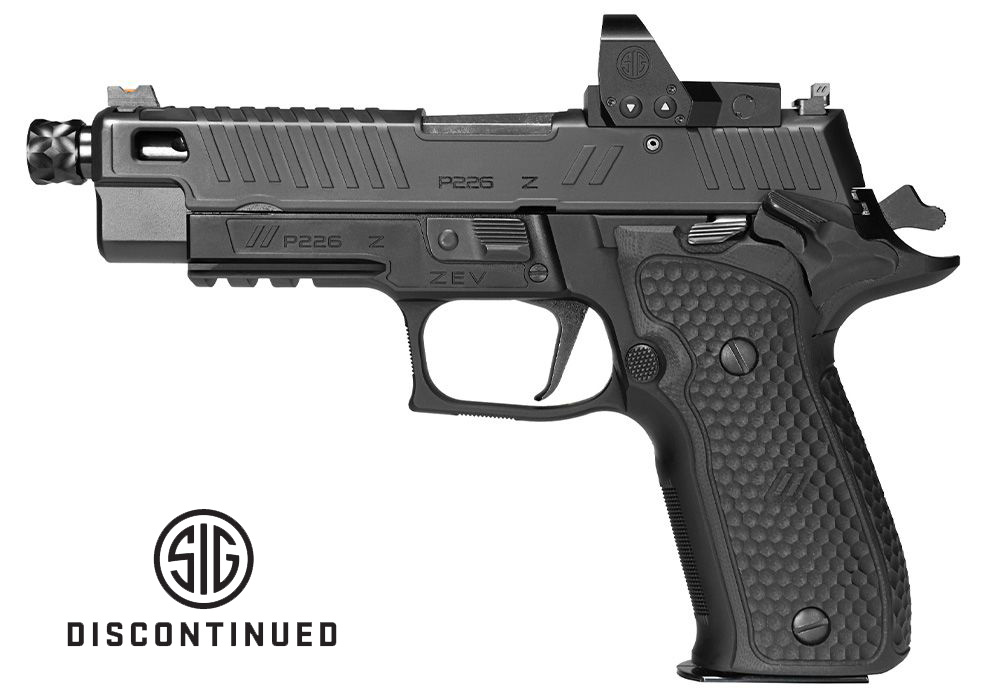
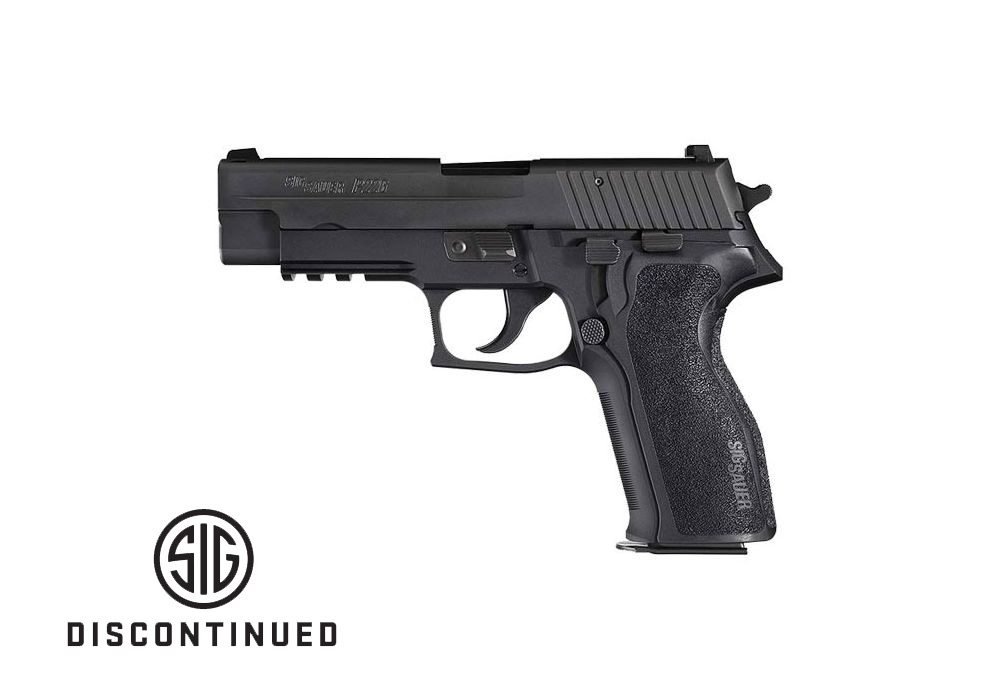
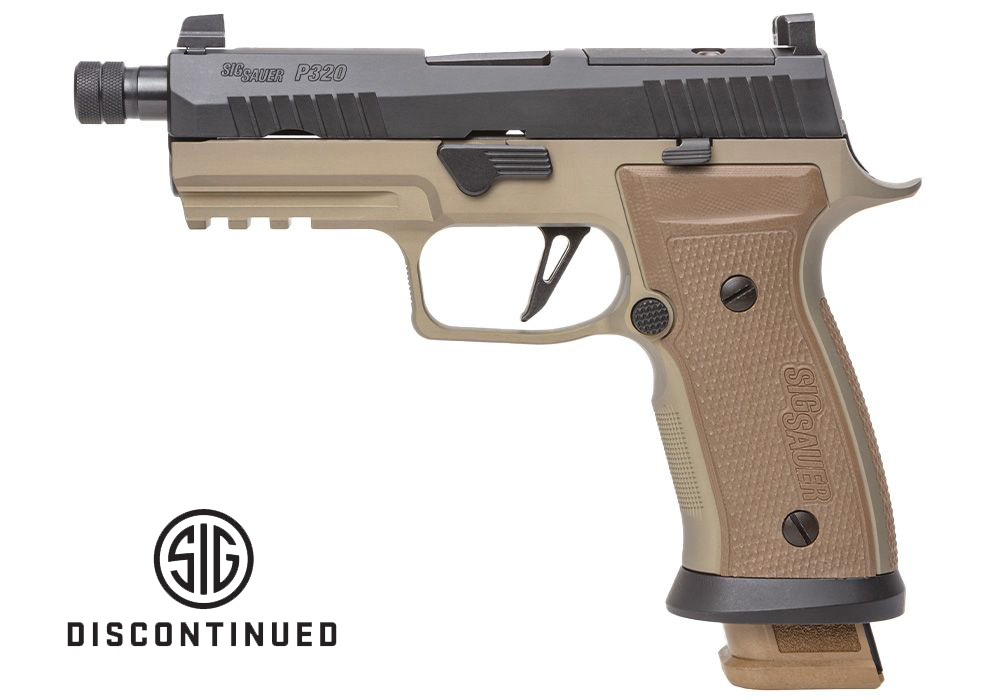
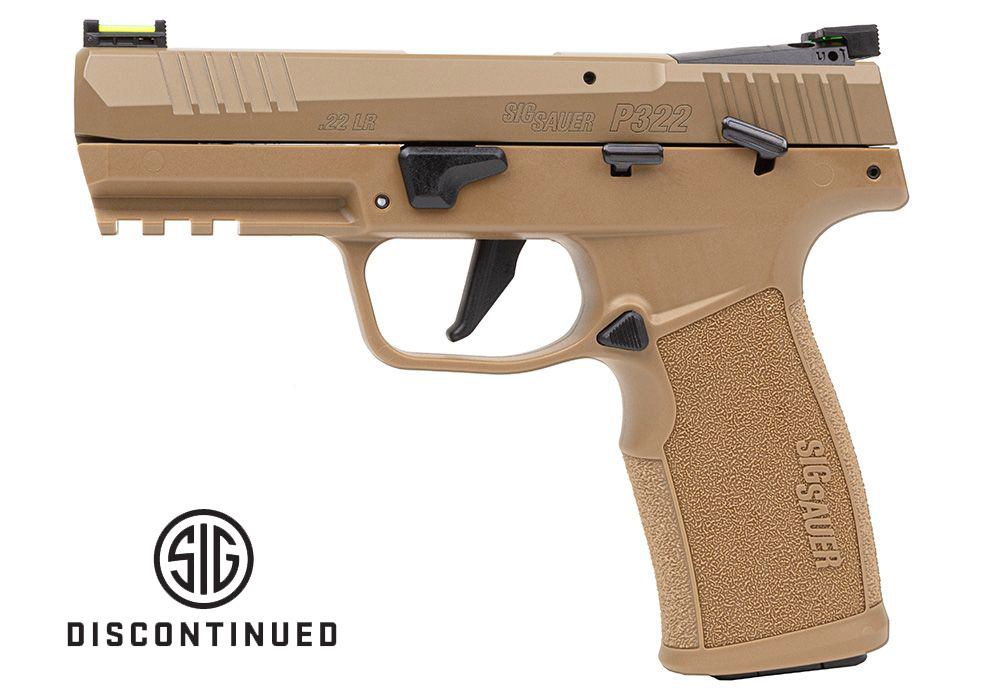
Manual safety pistols can be a thoughtful choice for fall shooting, when changing temperatures bring heavier clothing, light gloves, and a different rhythm to outdoor range sessions. A manual safety adds a deliberate mechanical control that can help some shooters feel more confident while handling, holstering, and presenting a handgun, provided they train to use it consistently. The control may be mounted on the frame or integrated into the grip area, and its operation can vary from one design to another, so shoppers should look for a lever that is easy to identify by feel and positive enough to confirm its position without guesswork. Ambidextrous controls can be especially useful for left-handed shooters, those who practice from either side, or anyone who prefers the flexibility of operating the pistol with either hand. During the warmer days at the beginning of the season, a manual safety pistol may be used for familiarization drills, target practice, or casual range outings. As the weather cools, the same features become more relevant when a shooter is wearing a fleece, overshirt, insulated vest, or jacket. The right choice depends on hand size, grip style, trigger reach, sight picture, recoil preference, and how naturally the safety can be manipulated without changing the firing grip. A pistol intended for professional duty, training, or organized practice may have different priorities than one selected for a private range session, and shoppers comparing service-oriented options can also explore Manual Safety Pistols for Law Enforcement for additional context.
Glove compatibility deserves particular attention during fall shooting. A glove that feels thin and flexible while walking outdoors may still bunch inside the trigger guard, reduce tactile feedback, or make it difficult to sweep the safety with the thumb. Before settling on a pistol, check that the trigger finger can remain straight and outside the trigger guard while the handgun is being handled, and confirm that the thumb can move the safety positively without forcing the hand to shift. It is also useful to consider the shape and texture of the safety lever: a low-profile control may be less likely to catch on clothing, while a more pronounced ledge may be easier to locate when fine motor skills are reduced by cold hands or thicker gloves. Shooters who use a high-thumb grip should pay attention to whether the thumb naturally rests on or near the safety and whether recoil changes its position during a string of fire. On some designs, maintaining consistent thumb placement helps prevent the lever from being unintentionally moved; on others, the controls may require a slightly different grip. These details are best evaluated with an unloaded pistol under safe conditions before live fire. At the range, practice loading and unloading according to the owner’s manual, confirming the safety status visually and by touch, and presenting from a secure holster while wearing the same outer layers used outdoors. A few slow, deliberate repetitions can reveal whether a jacket hem blocks access, whether a glove catches on the lever, or whether the shooter tends to alter grip while disengaging the safety. The goal is a familiar motion built through careful repetition, not speed for its own sake. Every shooter should follow all applicable laws and range rules, keep the muzzle pointed in a safe direction, keep the trigger finger indexed until ready to fire, and store the pistol unloaded and secured when it is not in use.
Manual safety pistols may appeal to first-time buyers seeking an additional layer of deliberate control, experienced shooters who prefer a traditional operating system, or families looking for a responsibly selected gift for an adult who already understands firearm safety and intends to complete appropriate training. They can also suit range users who enjoy comparing different action types, grip profiles, and control layouts during cooler months, when outdoor practice often rewards patience and preparation. A pistol with a crisp, familiar safety movement can become part of a dependable routine: inspect the handgun before leaving home, dress for the conditions, confirm the holster and belt are secure, and spend the first few minutes at the range working through safe handling fundamentals before concentrating on accuracy. For a gift, accessories such as a properly fitted holster, eye and ear protection, a sturdy locking case, or a professional training session may be more useful than choosing a firearm without the recipient’s input. Fit matters more than appearance, and the intended user should be able to reach the controls, establish a stable grip, align the sights, and manage recoil comfortably. Fall conditions also make finish, visibility, and maintenance worth considering. Dust, moisture, fallen leaves, and condensation can find their way into outdoor equipment, so routine inspection and cleaning should follow the manufacturer’s instructions. Whether selected for structured practice, seasonal target shooting, or a carefully considered personal collection, a manual safety pistol should support calm, repeatable handling. The strongest match is the one whose safety operation, ergonomics, sights, trigger, and storage plan align with the shooter’s training, clothing, environment, and lawful use.