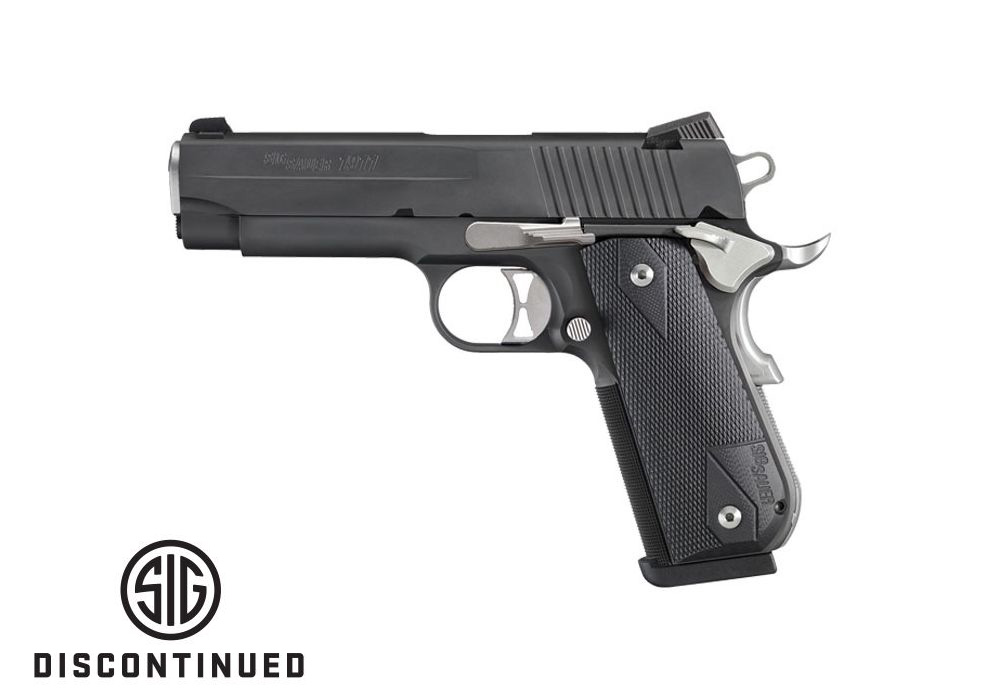
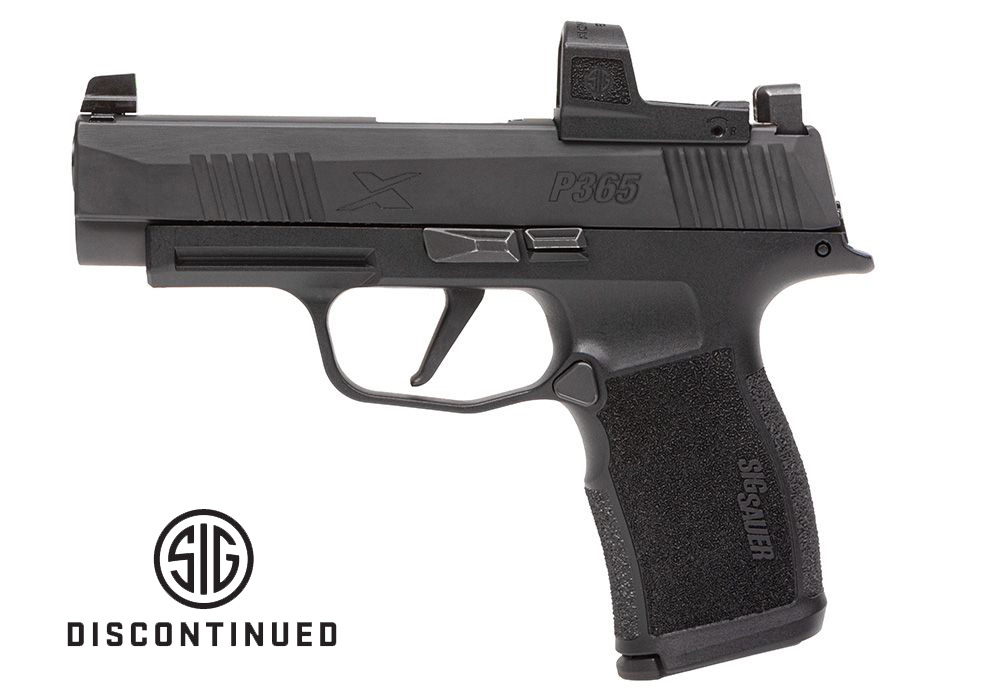
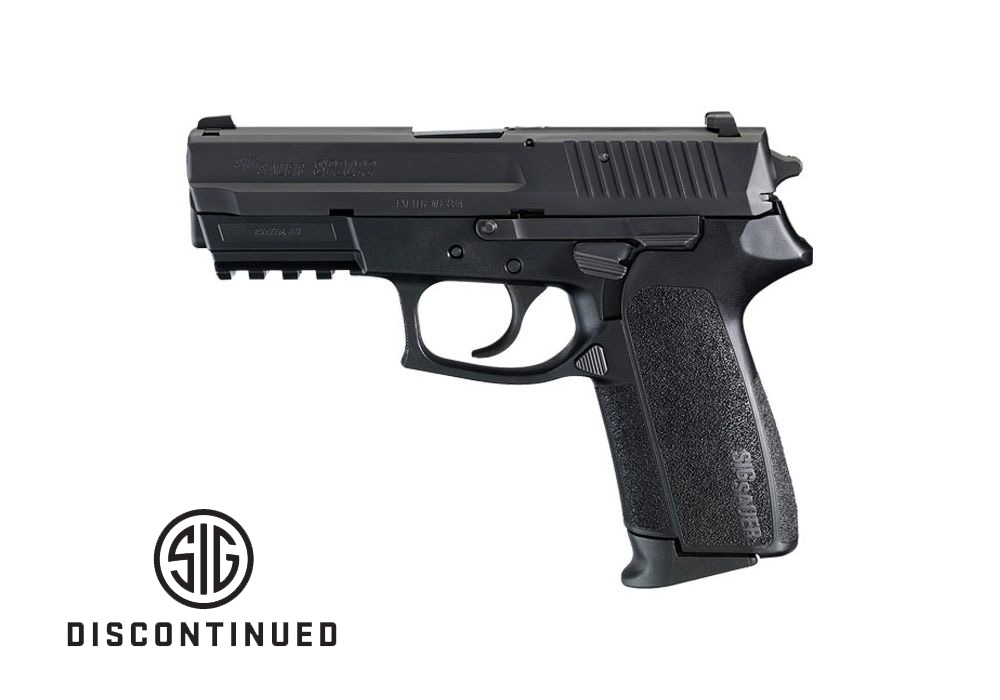
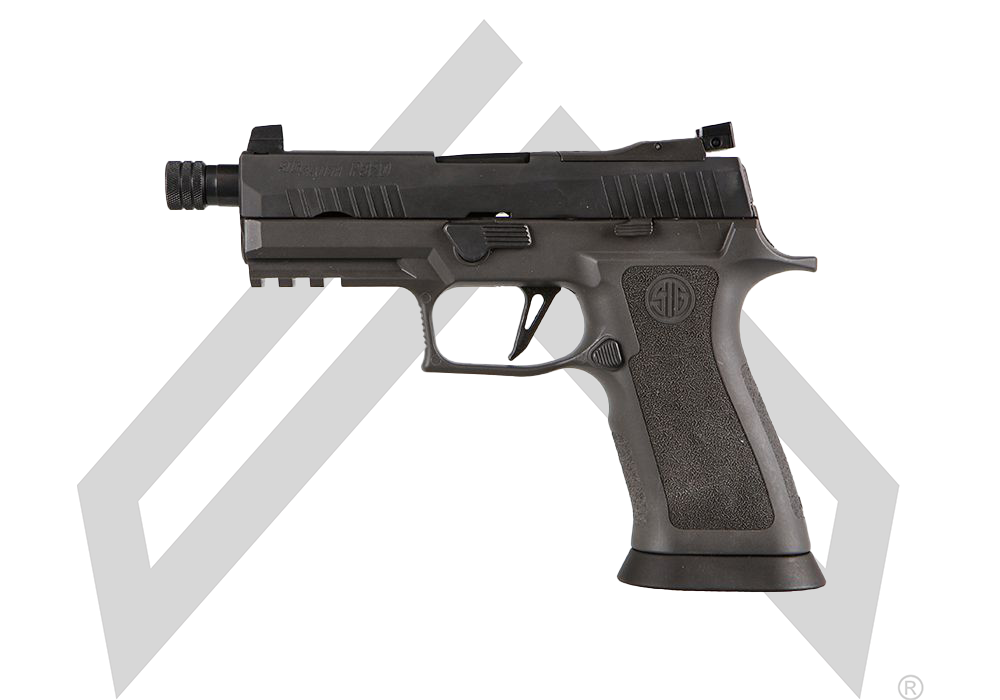
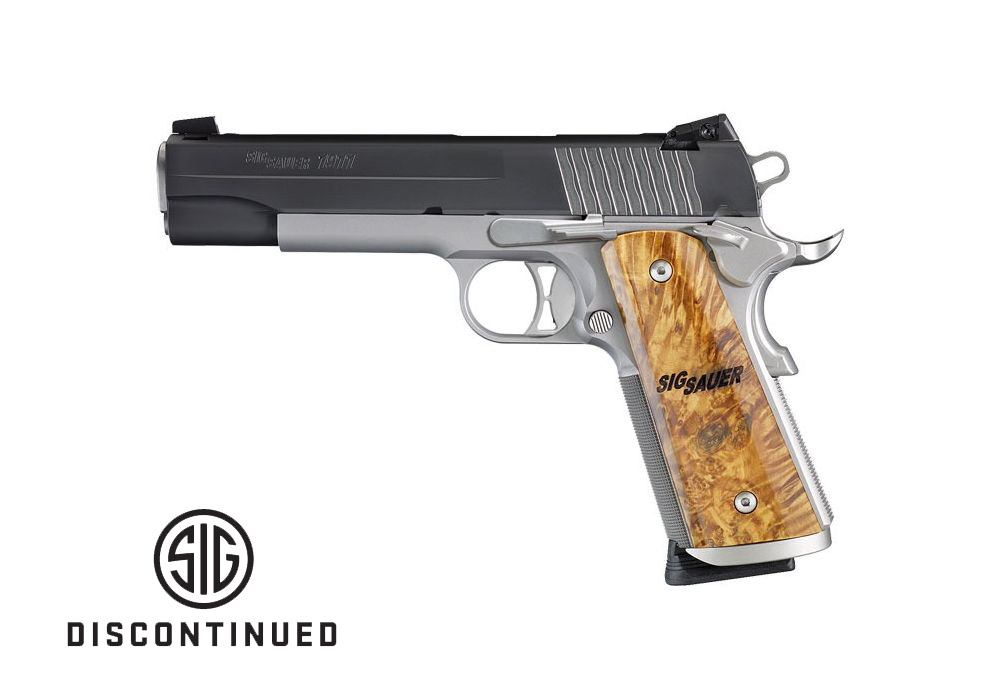
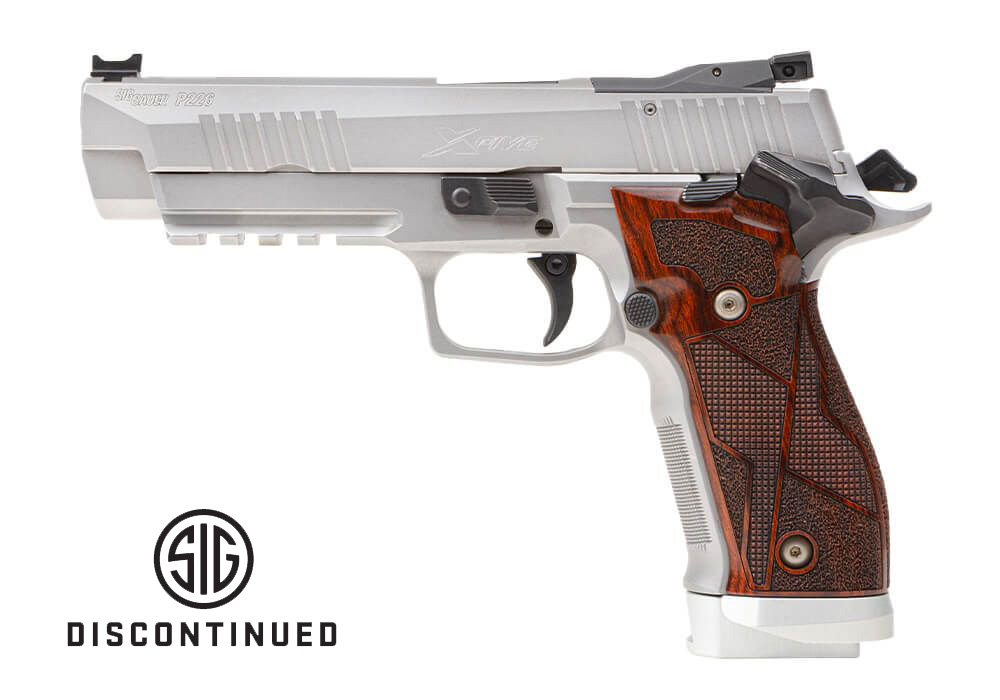
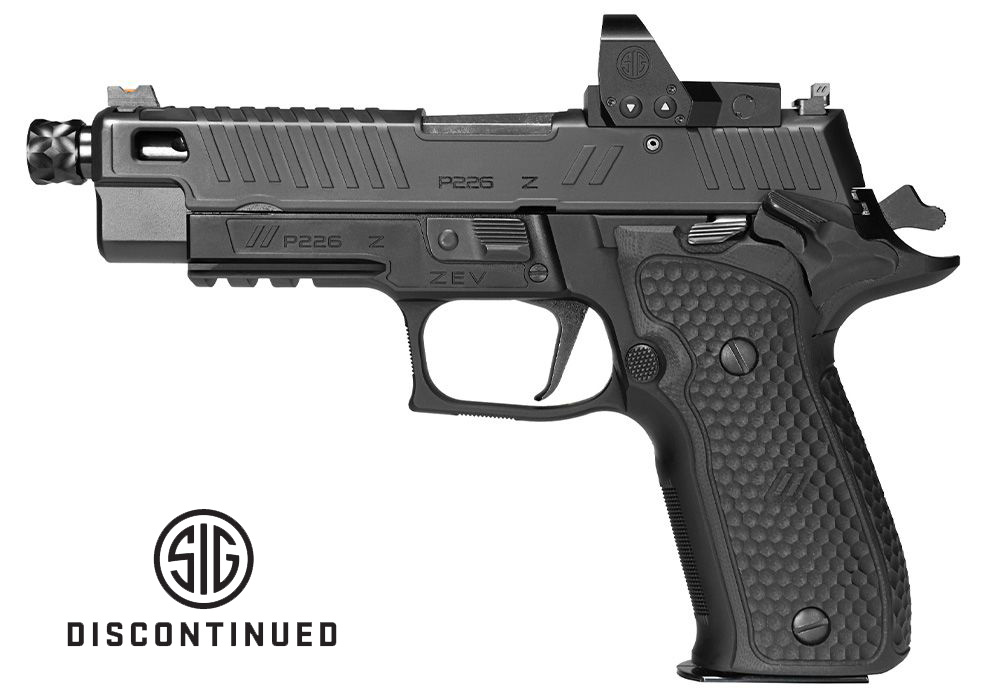
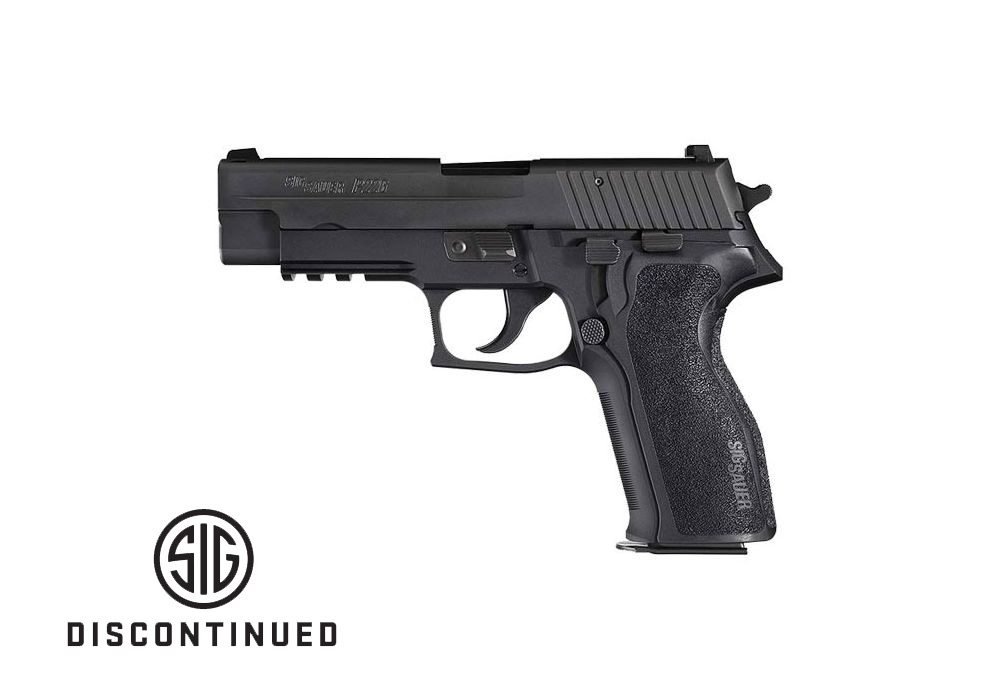
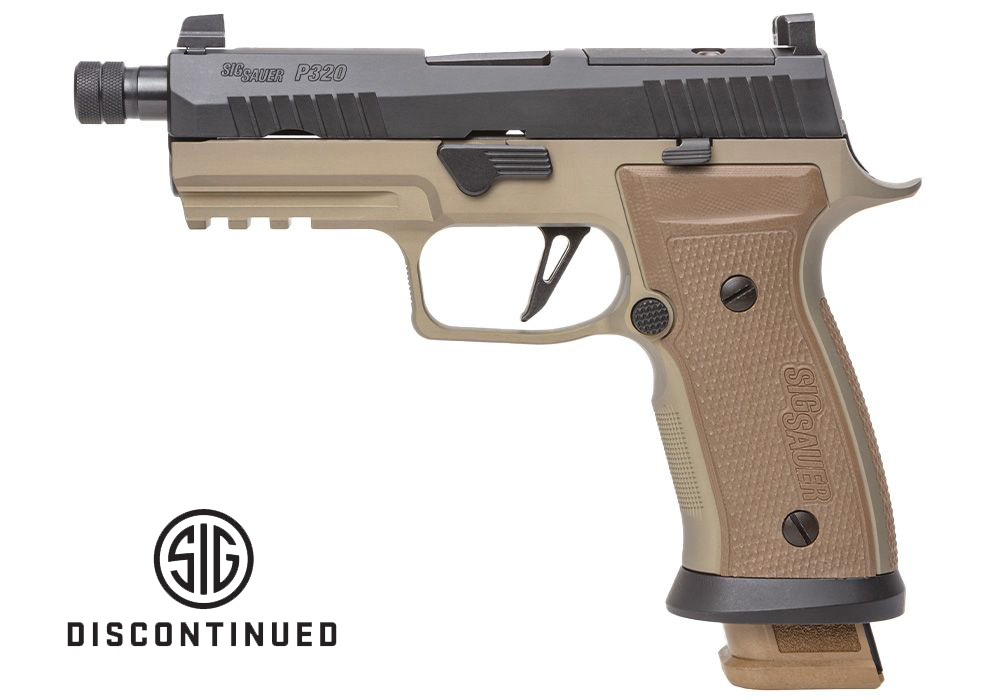
Manual safety pistols for law enforcement are selected for a specific balance of control, readiness, training requirements, and department policy. Unlike pistols that rely exclusively on passive internal safeties and a protected trigger, these models include an external lever or frame-mounted safety that can create a deliberate mechanical barrier to trigger movement when engaged. That added layer may be important for agencies with written requirements for an external safety, officers transitioning from traditional single-action platforms, or specialized units operating under procedures that call for an additional administrative safeguard. Depending on the design, the safety may be mounted on the slide or frame and may be ambidextrous, low profile, or positioned for manipulation with the firing-hand thumb. The right configuration should be evaluated alongside the department’s approved equipment list, holster requirements, ammunition authorization, qualification course, and maintenance procedures. A pistol with a manual safety is not automatically safer or more suitable for every officer; it is most effective when the mechanism, holster, and training program work together as one consistent system. Agencies and individual purchasers should also confirm applicable federal, state, and local laws, complete any required background checks or transfer procedures, and purchase only through lawful channels. Because these are duty-oriented firearms rather than casual gifts, a responsible gift purchaser should first confirm that the recipient is legally eligible, properly trained, and authorized to possess the firearm, then allow the recipient and their agency to determine whether the configuration fits established policy.
A manual safety changes the way an officer handles the pistol throughout the entire duty cycle, from loading and administrative handling to the draw, re-holstering, and storage at the end of a shift. Officers who choose this configuration must build a repeatable habit of disengaging the safety during the presentation when policy and circumstances require the pistol to be ready, then re-engaging it during appropriate administrative handling or before holstering when directed by training. That sequence should be practiced under qualified instruction until it is consistent, controlled, and compatible with the officer’s assigned holster. Stress, gloves, altered grip positions, physical contact, and reduced fine-motor precision can all affect how easily a small lever is manipulated, which is why agencies should evaluate the controls with the same gloves, duty belt, retention holster, and protective equipment used on patrol. A properly fitted Level II or Level III retention holster can help protect the trigger guard and reduce unauthorized access, but it does not replace safe handling or policy-based training. Officers should also understand the difference between a manual safety, a decocker, a trigger safety, and internal drop safeties, since these systems perform different functions and are operated differently. A thorough inspection by a qualified armorer can confirm that the controls function as intended, while routine cleaning, lubrication, and inspection help preserve reliable operation. During qualification and refresher training, instructors can assess whether the officer consistently recognizes the safety’s position, maintains trigger-finger discipline, establishes a secure grip, and returns the pistol to the holster in a controlled manner without rushing.
Selecting a manual safety pistol for duty use also involves practical details that are easy to overlook when comparing specifications alone. Grip dimensions, reach to the safety lever, control texture, sight visibility, overall weight, recoil characteristics, and compatibility with issued magazines can influence how comfortably an officer operates the pistol during long shifts and changing conditions. Magazine options, including standard or extended capacity configurations where lawful and authorized, should be compatible with department equipment and tested with the approved duty ammunition. A service pistol should function reliably with its assigned ammunition, fit securely in the approved retention holster, and remain accessible when worn with body armor, outer carriers, winter layers, or other seasonal equipment. As the weather warms or during the cooler months, changes in clothing and gloves can subtly affect access to controls and the consistency of the draw stroke, making periodic practice particularly valuable. Agencies may also consider whether a common manual-safety configuration can simplify armorer support, spare-parts management, inventory control, and qualification standards across a department. Individual officers should seek guidance from their firearms instructor, armorer, and command staff before making a change from an issued platform. For additional seasonal selection considerations, explore Manual Safety Pistols for Fall Shooting. The most suitable choice is the one that satisfies policy, fits the officer’s hand and equipment, performs reliably with authorized ammunition, and supports safe, consistent handling through every stage of lawful duty use.