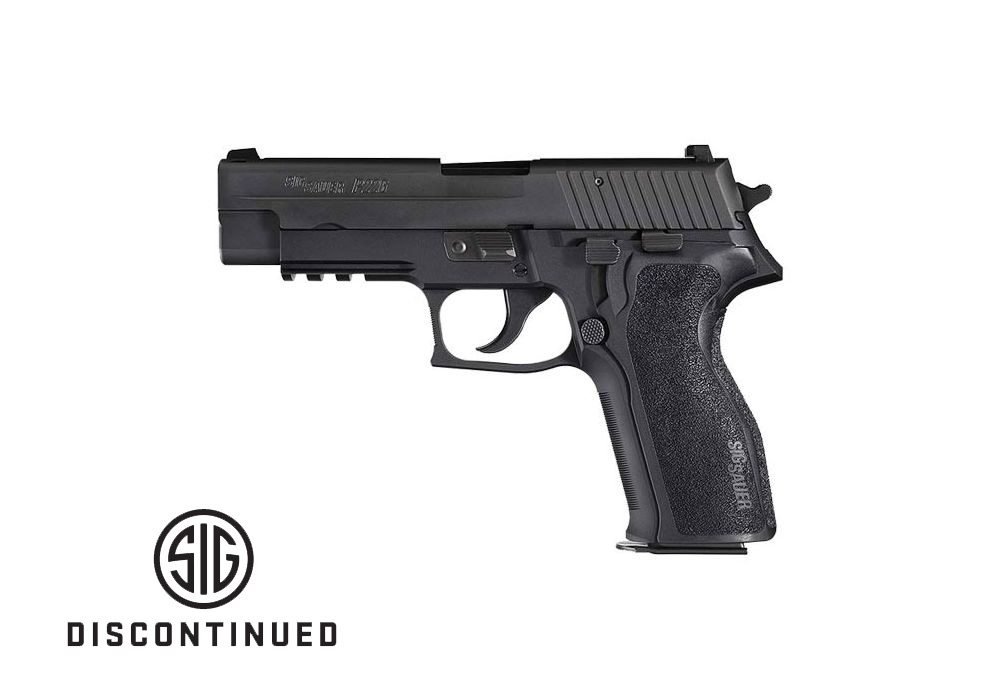
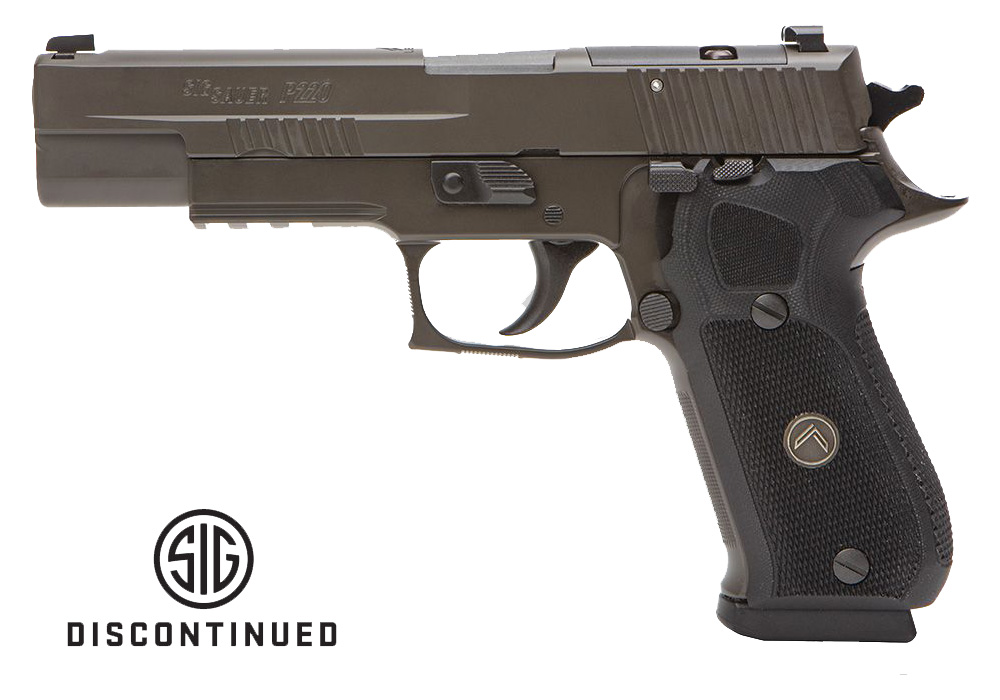
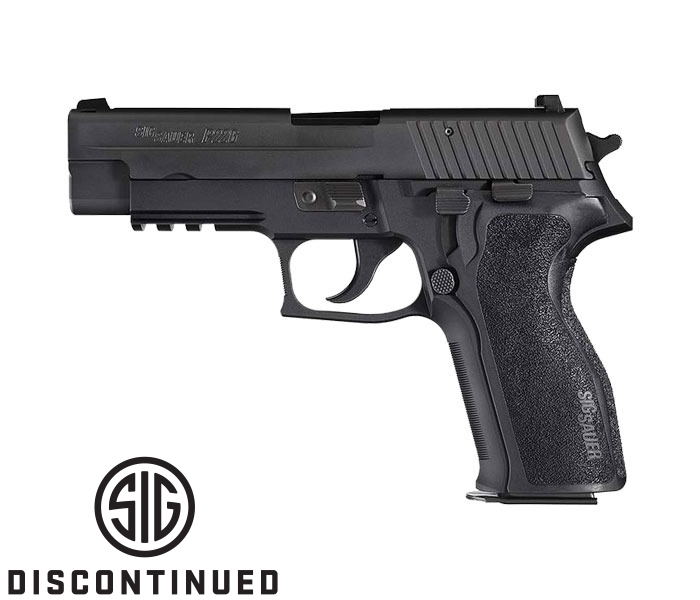
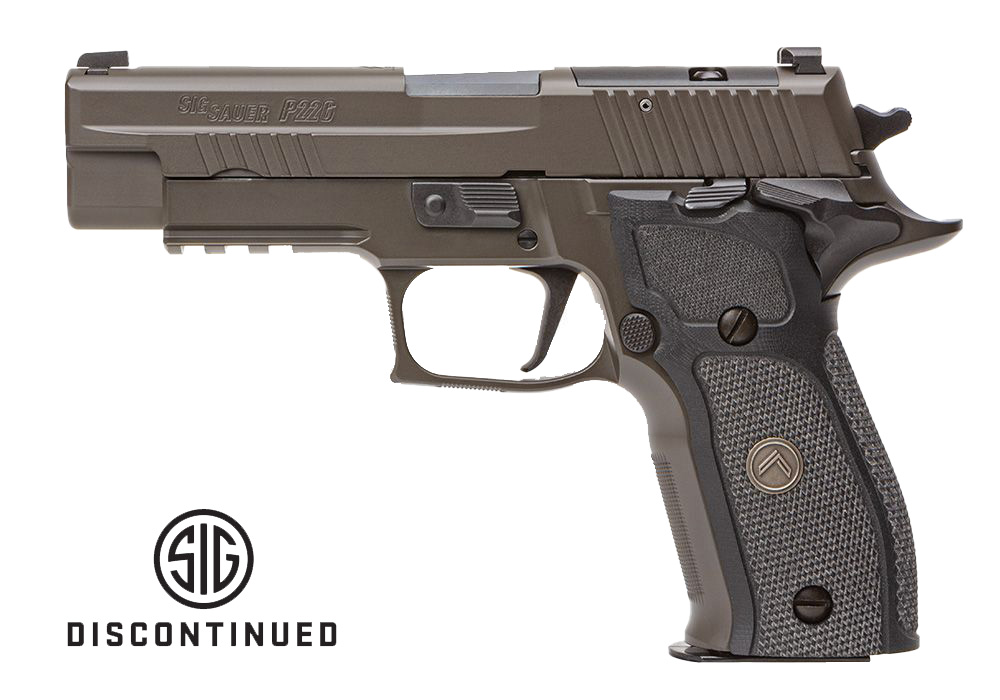
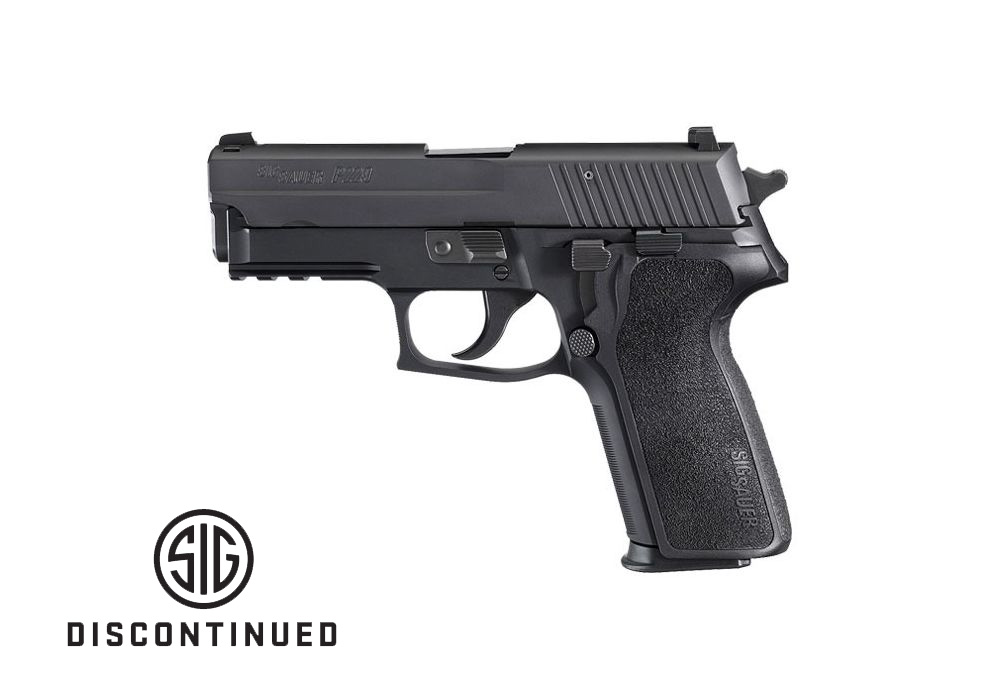
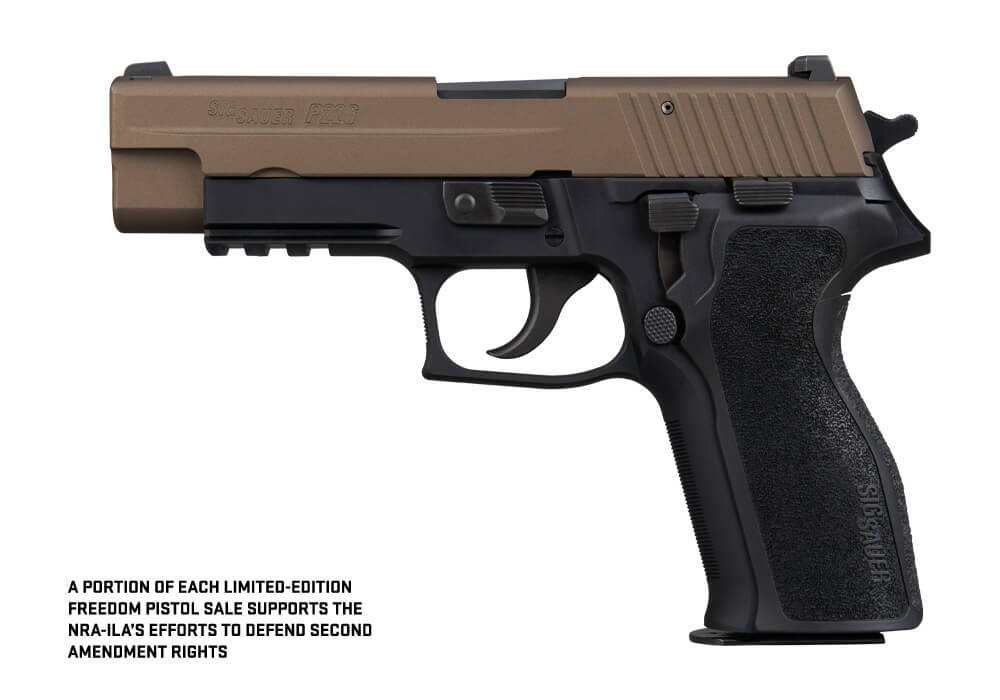
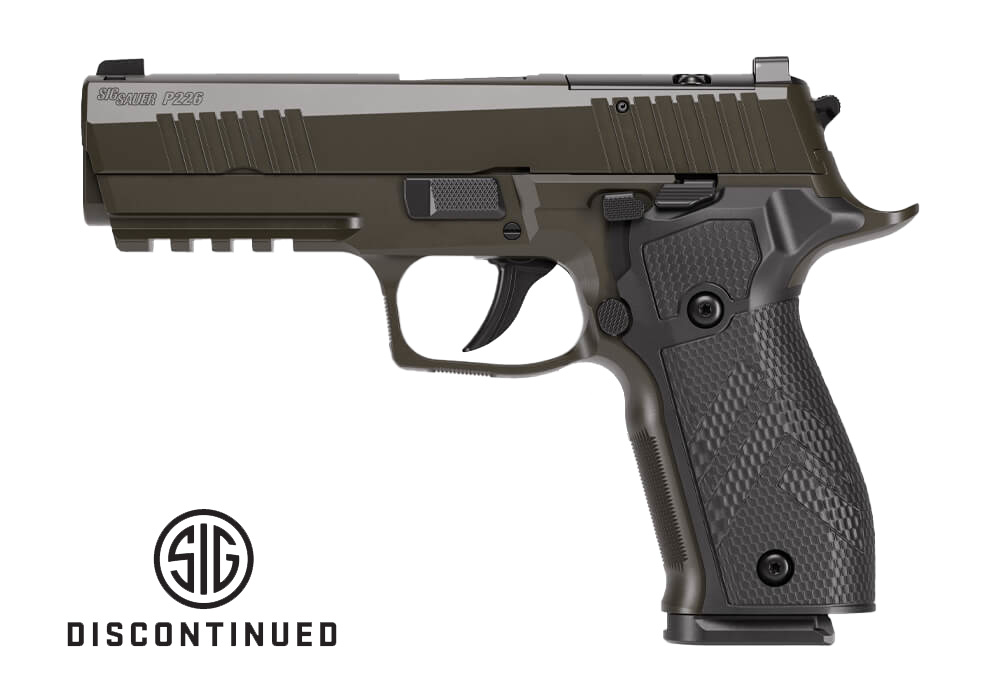
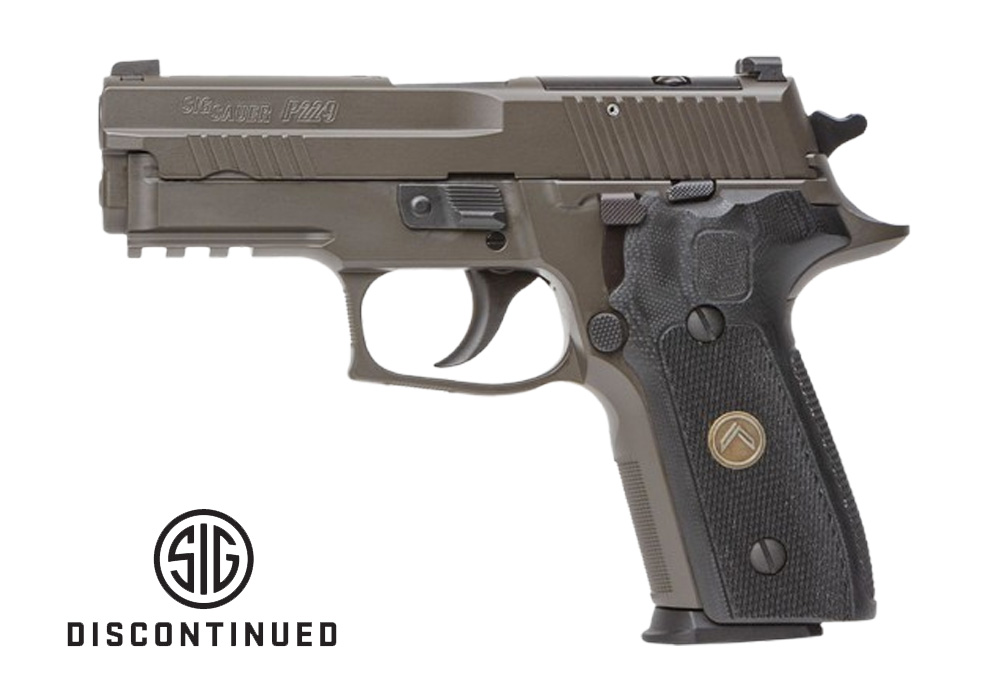
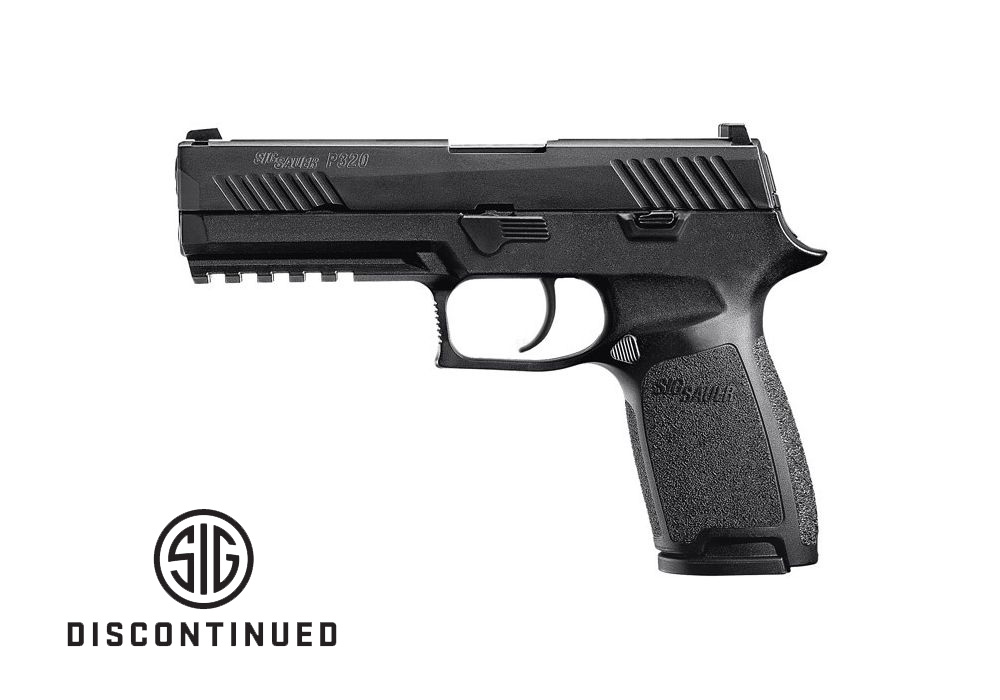
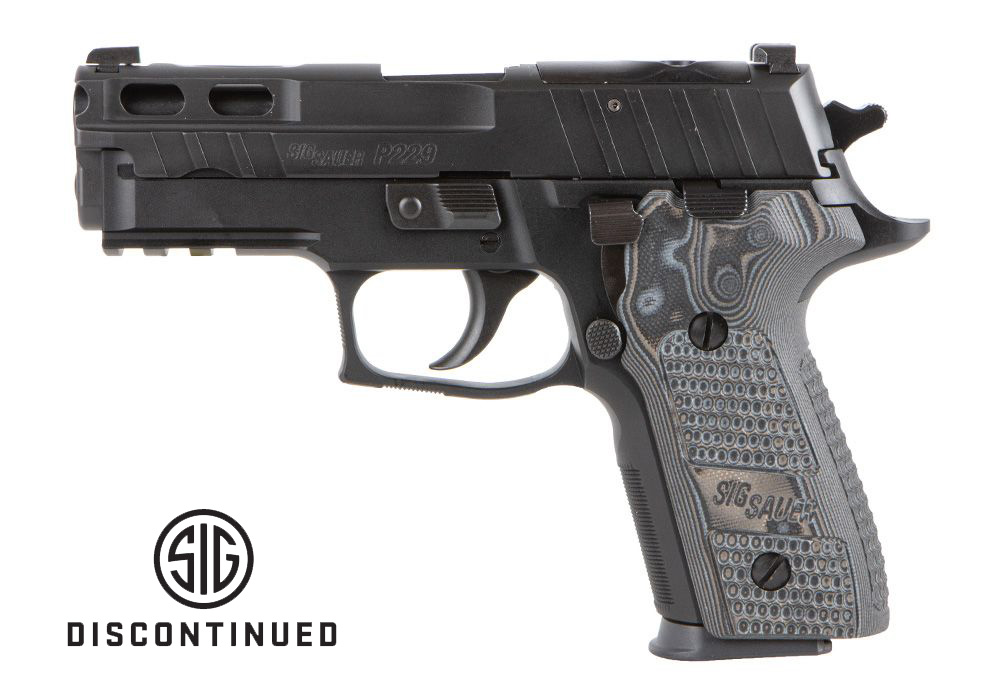
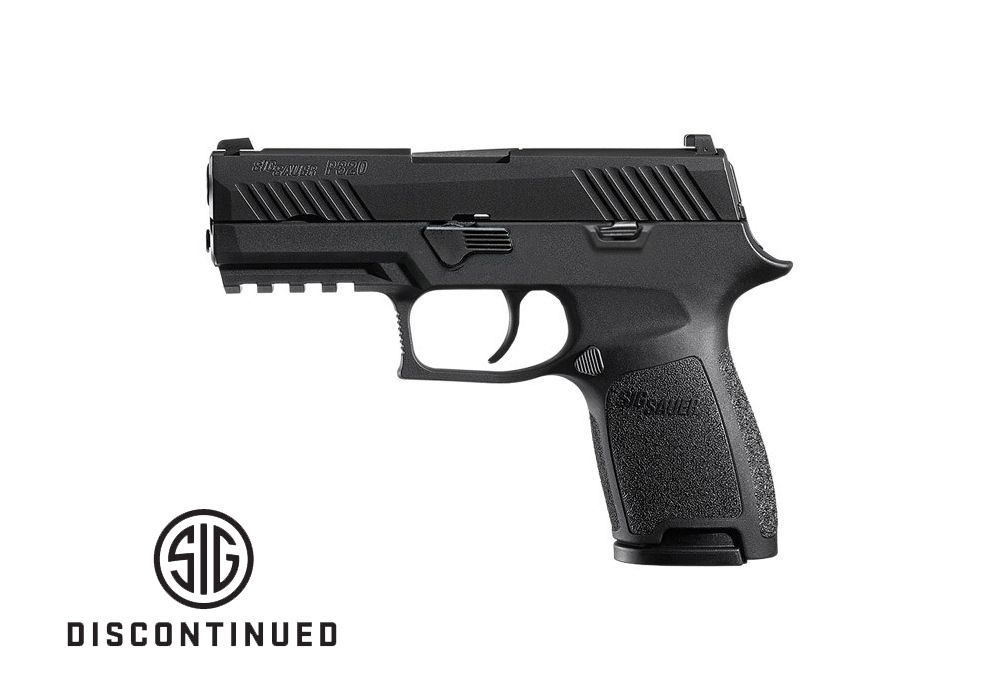
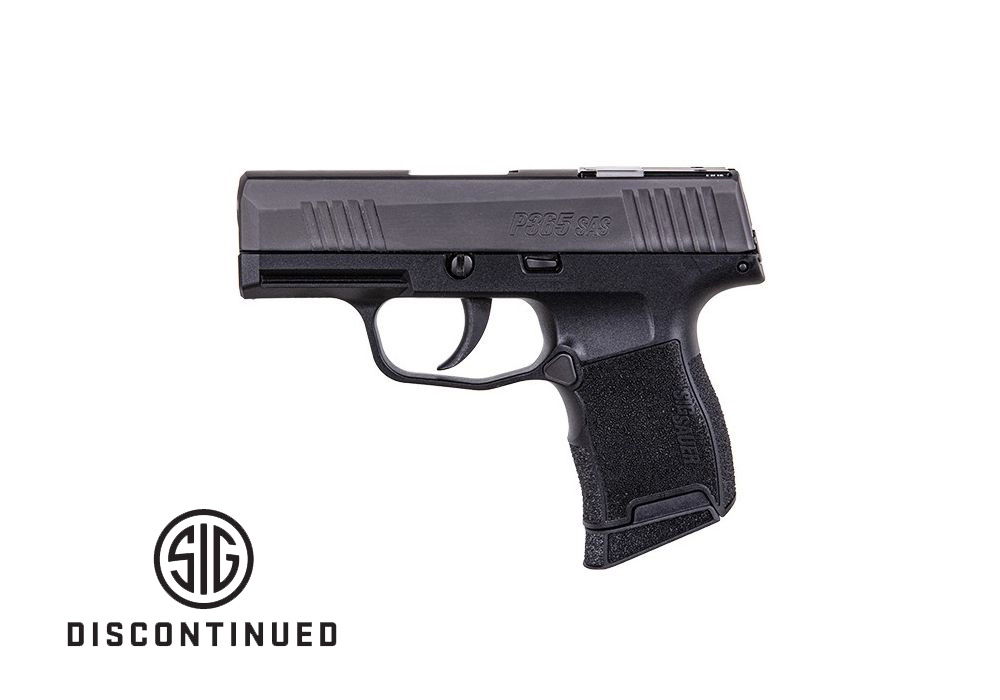
Medium-grip double-action pistols offer a practical balance of control, shootability, and everyday versatility for people who prefer a handgun that fits naturally in an average-sized hand. The term “medium grip” generally refers to a frame and grip profile that sit between a compact carry pistol and a full-size service handgun, providing enough surface area for a secure hold without feeling overly bulky. This balanced size can be useful for range practice, home-defense preparation, duty-style training, and lawful concealed carry, depending on the specific model, local regulations, holster selection, and the user’s experience. Double-action pistols are often selected for their distinctive trigger system: the first shot uses a longer, heavier double-action pull, while subsequent shots typically use a shorter and lighter single-action pull. That transition is an important part of the platform’s character and should be considered before making a purchase. A medium grip can help many shooters maintain consistent contact with the frame while managing both trigger pulls, especially during longer practice sessions when a very small grip may feel cramped or a full-size grip may be difficult to conceal. Those who already appreciate traditional service-pistol ergonomics may find this format familiar, while newer shooters can benefit from learning a clear, consistent manual of arms under the supervision of a qualified instructor. For shoppers comparing medium-grip options, attention to grip circumference, reach to the trigger, texture, beavertail shape, and the position of controls can matter as much as overall length or weight. A pistol that feels comfortable when held in a store may feel different after repeated presentations from a holster or after several magazines at the range, so fit should be judged with a proper grip and a safe, unloaded handling process whenever possible.
The double-action/single-action operating system also brings specific controls and handling considerations. Many pistols in this category include a decocker, allowing the hammer to be safely lowered without manually pressing the trigger, while others may combine decocking and a manual safety in a different arrangement. Control placement should be easy to locate without shifting the shooting hand, but it should also be distinct enough to reduce the chance of confusion during practice. Shooters should become thoroughly familiar with the manufacturer’s instructions, safe loading and unloading procedures, and the exact behavior of the selected pistol before carrying or relying on it. The first double-action pull may feel deliberate and substantial, followed by a crisp single-action pull that requires a different rhythm and trigger discipline. Dry practice with an unloaded firearm, in a secure setting and with ammunition stored separately, can help build familiarity, but live-fire instruction remains valuable for confirming grip, stance, sight alignment, recoil management, and follow-up shot control. Medium-grip designs are often comfortable for a broad range of hand sizes, yet small changes can make a meaningful difference. Interchangeable grip panels, backstraps, or slimmer aftermarket options may allow a shooter to refine the fit, while textured surfaces can provide confidence during cooler-weather range sessions or when hands are gloved. Metal-frame pistols may offer a steady feel and help absorb some perceived recoil, while polymer-frame choices can reduce overall weight for those who expect to carry for extended periods. Caliber is another central consideration. 9mm is widely chosen for its manageable recoil, broad ammunition availability, and suitability for practice, carry, and defensive applications; shoppers interested in that combination may also wish to explore Medium Grip 9mm Compact Pistols. Regardless of caliber, selecting reliable factory ammunition and confirming that the pistol functions properly with the chosen load are important steps before any serious use.
A medium-grip double-action pistol may suit an experienced owner looking for a dependable training companion, a new shooter working toward a well-supported first handgun, or a household seeking a firearm for defensive readiness with appropriate instruction and secure storage. It can also be a thoughtful gift for an adult family member or close friend who has expressed a genuine interest in responsible firearm ownership, although a firearm should never be given casually or transferred without confirming all applicable laws, eligibility requirements, and the recipient’s informed consent. Fit is personal, and the intended user should have an opportunity to handle the firearm safely, compare grip dimensions, and receive professional guidance rather than being surprised by an unsuitable choice. For home use, a lockbox or secured safe, a consistent storage routine, and restricted access are essential, particularly in homes with children or visitors. For lawful carry, the pistol should be paired with a purpose-built holster that fully protects the trigger guard, remains secure during movement, and works with the user’s clothing and daily routine. During the warmer part of the year, lighter clothing can make concealment and comfort more challenging; as the weather cools, jackets and layered garments may offer additional options, but they also require practice to ensure the firearm remains covered and the draw remains controlled. At the range, medium-grip double-action pistols reward patient repetition. Many shooters notice that a smooth first pull, a consistent return to the sights, and a relaxed but firm grip become more natural over time, much like settling into a familiar tool after regular use. Before choosing, compare dimensions, unloaded weight, sight arrangement, controls, grip options, magazine availability, warranty support, and the cost of practice ammunition. Above all, select a configuration that the intended user can operate safely, carry responsibly where lawful, and practice with consistently.