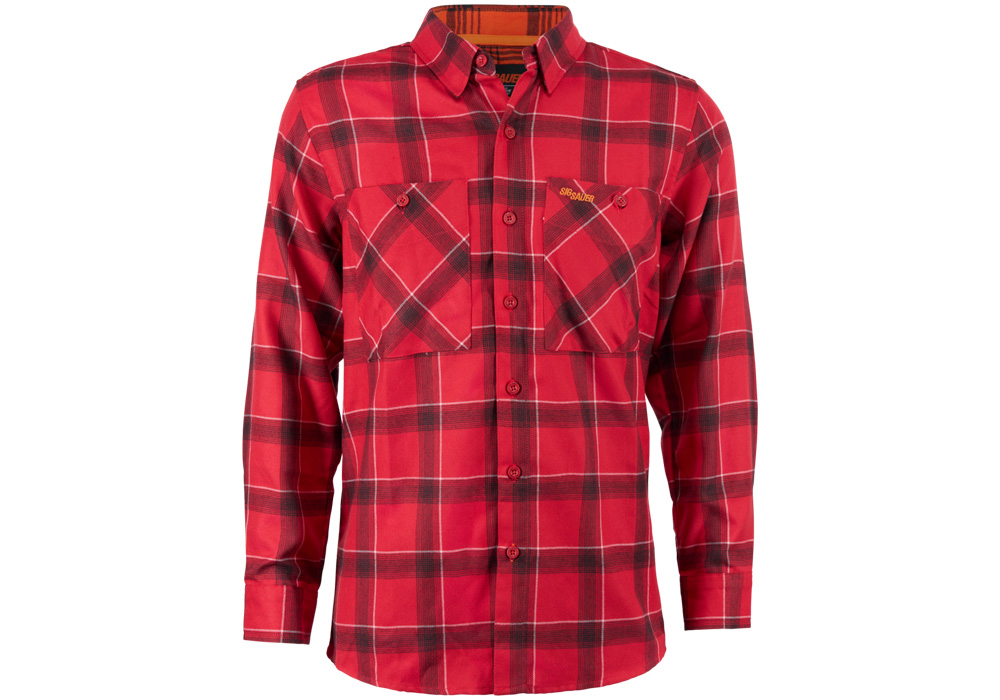
Men’s button-up shirts feature a front opening secured with buttons, offering an adjustable fit at the neck and a versatile look for work, everyday wear, travel, and casual gatherings. The terms button-up and button-down are often used interchangeably, but they describe different details: button-up refers to the front closure, while button-down refers to a collar with points that fasten to the shirt. A button-down collar tends to stay neatly in place, while an unfastened point or spread collar can suit either a relaxed outfit or a more polished setting. Fabric, cut, and finishing details determine much of a shirt’s character. Cotton offers a familiar feel against the skin, with textures ranging from smooth poplin to more substantial oxford cloth. Twill has a diagonal weave that gives the surface depth, while chambray delivers a textured appearance without the weight often associated with denim. Linen has a distinctive texture and an intentionally relaxed appearance, including natural creasing. Cotton blends can balance softness with easier care, and polyester or nylon blends may offer quicker drying or improved resistance to wrinkles, depending on their construction. A small amount of stretch can add flexibility through the shoulders and elbows without turning a woven shirt into a close-fitting athletic top. Fabric weight matters, too: a lighter cloth generally feels less substantial, while a denser weave can offer more structure and coverage. Color and pattern affect how easily a shirt fits into an existing wardrobe. Solid colors work well with patterned trousers or textured layers, while checks, stripes, and small repeating patterns add interest alongside plain jeans or chinos. Details such as the collar shape, pocket placement, button color, and surface texture help distinguish a shirt intended for a relaxed setting from one that feels more suited to the office or dinner out. The most versatile options balance these elements rather than relying on a single feature, giving the wearer room to change the overall look with different pants, shoes, and layers.
Fit is especially important in a men’s button-up shirt because the front placket, shoulder seams, and sleeves reveal where the garment sits comfortably and where it pulls. A regular fit generally leaves more room through the chest and waist, while a slim fit follows the torso more closely; relaxed cuts provide additional ease for movement or layering over a T-shirt. Those labels are not standardized, so actual garment measurements are more useful than the fit name alone. Shoulder seams that sit near the edge of the shoulder help sleeves hang cleanly, and enough space across the upper back allows comfortable reaching, driving, and sitting at a desk. The front should rest smoothly when buttoned rather than forming pronounced gaps or tension lines across the chest. Sleeve length influences both appearance and comfort: cuffs should meet the wrist without covering much of the hand, and the sleeve should allow a natural bend at the elbow. An adjustable cuff can help accommodate different wrist sizes or a watch. Hem length also changes how a shirt functions. Longer, curved hems are generally easier to keep tucked, while shorter hems can look more balanced worn untucked. For someone moving between a desk, a workshop, and an evening meal, that balance of coverage and mobility can matter more than a sharply fitted outline. Construction contributes to long-term wear as well. Even stitching, neatly finished interior seams, securely attached buttons, and reinforced stress points are useful signs of careful assembly. Pocket corners, sleeve openings, and the areas around buttonholes deserve particular attention because they receive repeated handling. A chest pocket can keep a small notepad within reach, although its placement and size should suit the wearer’s routine. Smooth seams and restrained detailing can feel more comfortable beneath another layer, while a firmer collar and cuffs help preserve a tidy shape. Together, these practical details influence whether a shirt feels easy to wear for a few hours or remains comfortable through a full day.
Intended use helps bring fabric, fit, and construction into focus. An office shirt may prioritize a smooth finish and a collar that sits neatly beneath a jacket, while a casual shirt may place more emphasis on texture, an untucked hem, and freedom of movement. Travel can favor fabrics that resist persistent creasing and care routines that do not require extensive pressing. For recreational shooting, comfort through the shoulders and upper back matters when reaching forward, and cuffs that remain secure can keep loose fabric from interfering with routine movements. A close enough fit to control excess fabric, without binding across the chest, can be useful around equipment and during supervised training. For a closer look at clothing suited to that setting, Men's Shirts For Range Days provides a related collection. Care requirements are another part of everyday practicality. Fiber content, dyes, trims, and fabric finishes can call for different treatment, so the care label remains the best reference for washing, drying, and ironing. Promptly treating a mark with a method appropriate to the fabric can help prevent it from becoming harder to remove. Overloading the washer can increase friction and leave shirts tightly creased, while excessive dryer heat may affect size, texture, or stretch recovery. Removing a shirt promptly after the recommended drying cycle and smoothing the collar, placket, and cuffs can reduce the need for extensive ironing. Buttons and seams also benefit from occasional attention; a loose button is easier to secure before it separates from the fabric. For gifting, button-up shirts suit fathers, partners, brothers, and friends who appreciate clothing that can move between different parts of daily life. A familiar color, a known fit, and a manageable care routine are often more meaningful than an unfamiliar pattern or elaborate detail. Matching the recipient’s usual neckline, sleeve length, and preference for tucked or untucked styling helps the gift feel personal, practical, and ready to become part of a regular wardrobe.