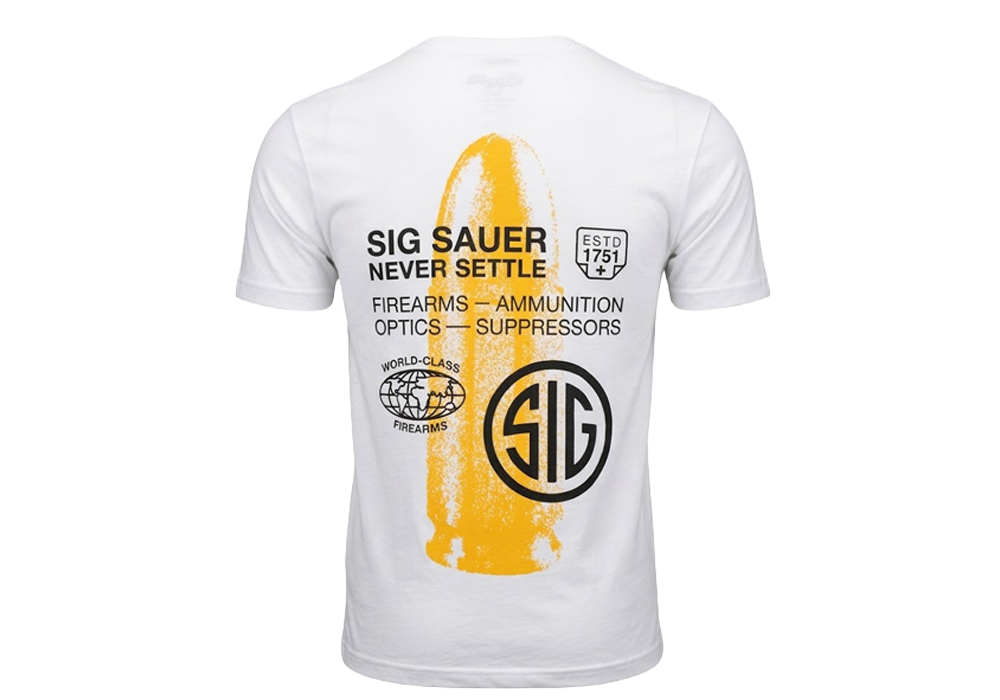
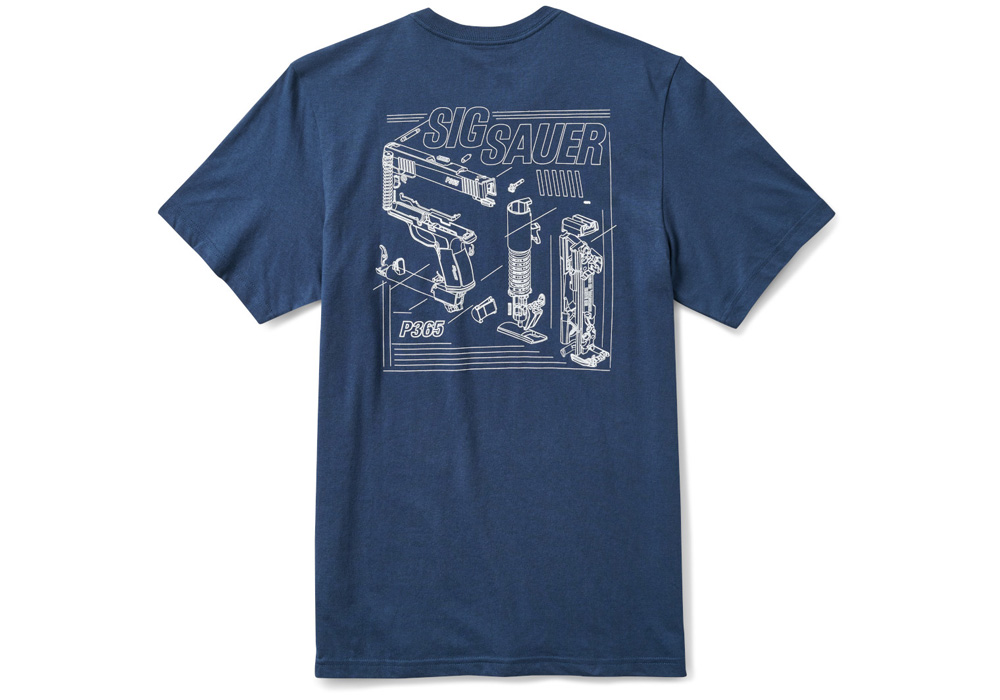
Men’s shirts for range days balance comfortable fabrics, dependable construction, and a fit that leaves room for natural movement around a shooting bench or firing line. The right shirt feels comfortable through a practice session without bunching beneath a sling, pulling across the shoulders, or getting in the way of other equipment. Cotton, blended fabrics, and performance knits each bring different qualities to that experience. Cotton offers a familiar, soft feel that works well for casual practice and everyday wear, while cotton blends can add stretch, shape retention, or easier care, depending on their fiber content. Performance fabrics with moisture-wicking properties help move perspiration away from the skin, although drying time and overall comfort depend on the fabric’s construction as well as its composition. A lightweight knit may feel less bulky beneath equipment, while a more substantial fabric can offer a firmer drape and a less clingy feel. Neither fabric weight nor fiber content tells the whole story: the texture against the skin, the placement of seams, and the amount of stretch all affect how a shirt wears during repeated movement. Smooth interior seams and a comfortable neckline are especially noticeable over a longer session, when small irritations can become distracting. For someone alternating between bench work, standing practice, and time spent reviewing targets, a shirt that moves easily through the upper back can be more useful than an oversized silhouette. Short sleeves offer an uncomplicated fit around the arms, while long sleeves provide additional coverage and may suit personal preferences or range requirements. A polo adds a more structured neckline, and a classic crewneck keeps the overall look simple. These differences give range shirts a place beyond practice, too: the same comfortable cut can work for errands, equipment preparation, or a relaxed gathering after a session. The most useful choice reflects how the shirt will actually be worn rather than how technical its description sounds.
Fit becomes particularly important when a shirt shares space with a belt, holster, sling, or other range equipment. Enough room across the chest and shoulders supports comfortable movement, but excess fabric can gather beneath straps or hang loosely around equipment. A shirt that feels comfortable with the arms at rest can feel quite different while reaching toward a target stand, leaning over a bench, or bringing the hands together in front of the body. Shoulder seams that sit comfortably, sleeves that do not bind, and a hem that stays in place all contribute to a less distracting experience. For an untucked fit, length matters as much as width: a very long hem can bunch around belt-mounted equipment, while a short one may ride up during ordinary reaching. A tucked shirt needs enough length to stay secure without creating unnecessary bulk at the waist. Collar shape deserves similar attention. A closer neckline can help limit gaps where ejected brass might enter, though an ordinary shirt is not protective equipment and does not replace eye protection, hearing protection, or range safety requirements. Sleeve openings and cuffs should feel comfortable without loose fabric interfering with movement or equipment. When a sling rests across the shoulder, a bulky seam or raised decoration may create a pressure point that is barely noticeable during casual wear. Flat, unobtrusive details can be easier to live with through a longer practice session. Range officers, instructors, recreational shooters, and people attending an introductory class may have different preferences for appearance, but each can benefit from a shirt that stays comfortable through repeated activity. A clean polo can suit a more structured setting, while a straightforward T-shirt fits naturally into an informal practice routine. Range dress requirements take priority over style preferences, and some settings may call for particular necklines or sleeve coverage. A familiar fit often offers more value than unfamiliar features, especially when attention belongs on the session rather than constant clothing adjustments.
Durability shows up in the small details after repeated wear: a collar that holds its shape, seams that remain smooth, and fabric that continues to feel comfortable after laundering. Reinforced stitching at frequently stressed areas can be useful, but fabric quality, seam construction, and proper care all contribute to a shirt’s working life. Contact with sling webbing, bench edges, and equipment straps can cause localized wear, so a fabric’s resistance to abrasion matters alongside softness. Stretch can improve freedom of movement, but good recovery is what helps the shirt return to its original shape instead of feeling loose through the elbows or neckline. Care labels provide the best direction for washing and drying because cotton, synthetic fibers, stretch blends, printed artwork, and embroidery do not all respond the same way. Separating shirts from exposed hook-and-loop fasteners and rough hardware during laundering helps reduce unnecessary snagging. Turning decorated shirts inside out can help protect their surface, while avoiding more dryer heat than the label permits can support fit and fabric longevity. Letting a worn shirt dry before placing it in a closed gear bag also helps keep routine care manageable. Appearance still has a place in a practical range wardrobe. A restrained graphic, a solid color, or a simple collared profile can suit different tastes without requiring a shirt reserved only for shooting. For an additional casual layer, the Hoodies For Range Days collection complements the same emphasis on comfortable, easy-to-wear apparel. Range shirts can also be thoughtful gifts for recreational shooters, instructors, or friends who regularly meet for practice, particularly when the recipient’s preferred size, sleeve length, and fit are familiar. A shirt that matches an existing favorite is often a more personal choice than an unfamiliar technical style. Comfortable fabric, sensible proportions, and straightforward care give it lasting usefulness, whether it is worn at the range or throughout an ordinary day.