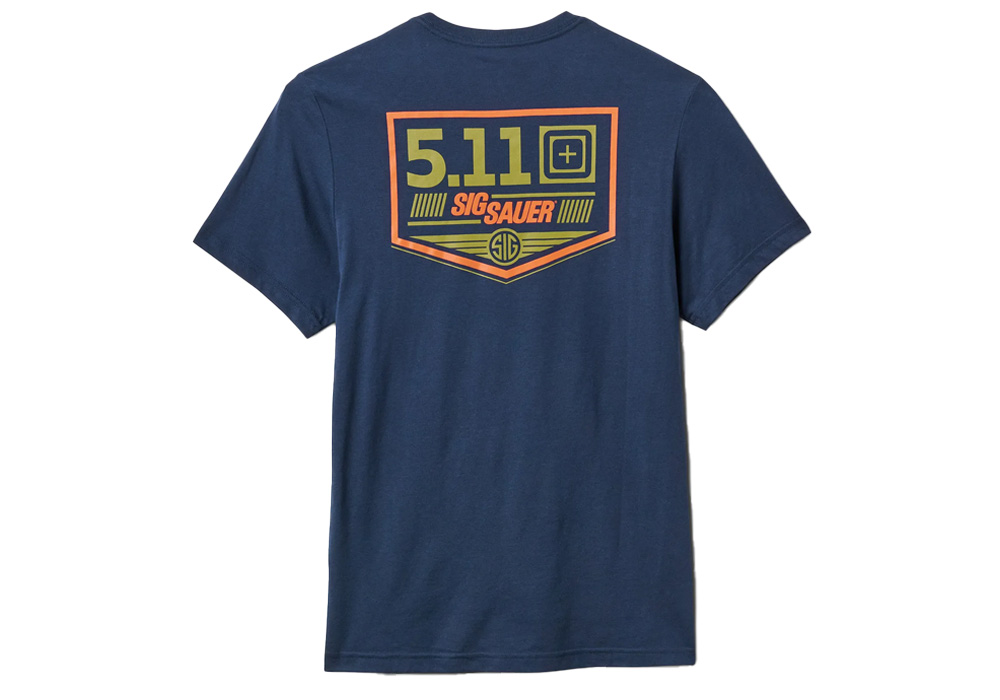
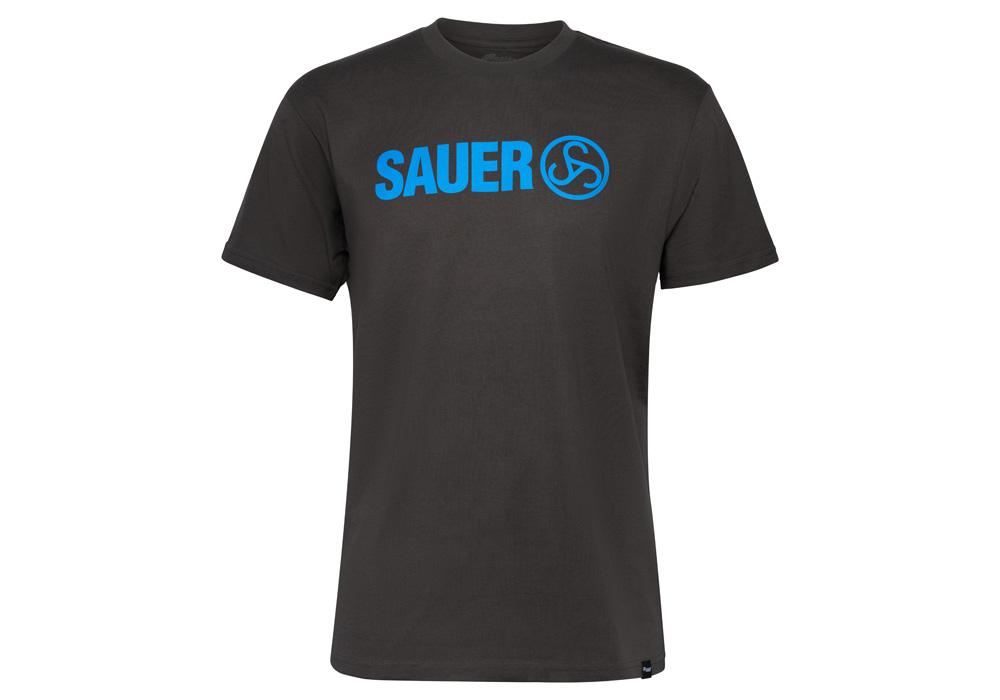
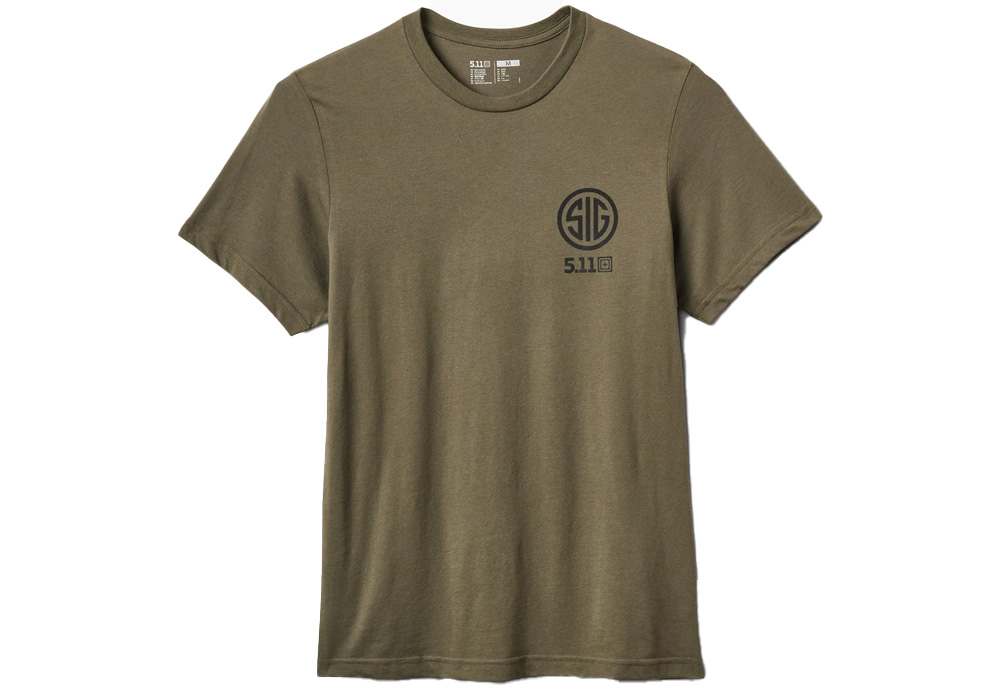
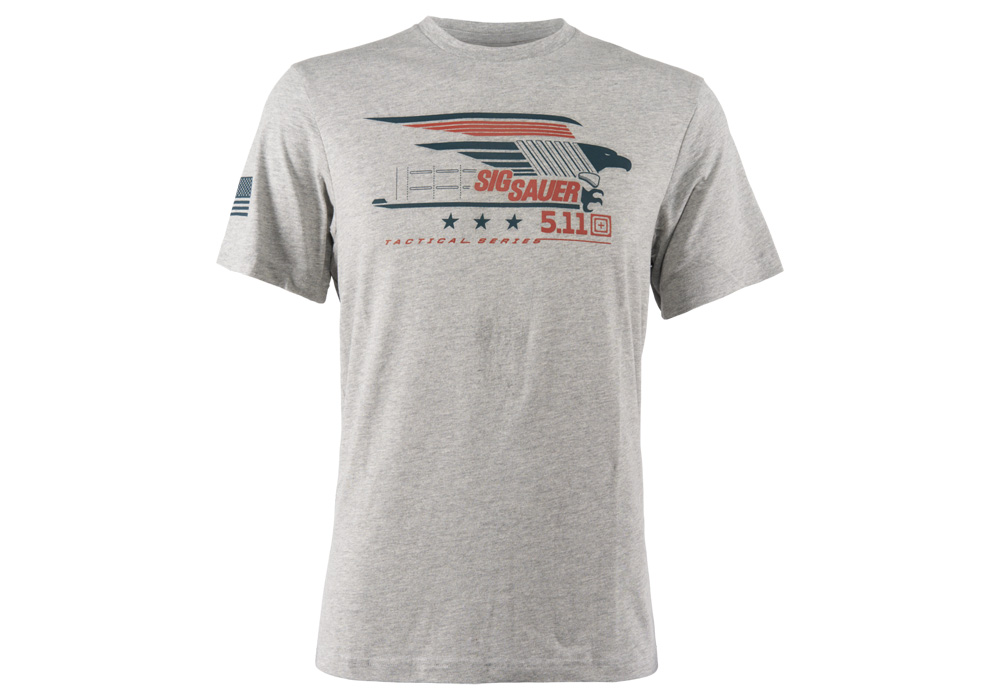
Shirts for the range bring together everyday comfort, freedom of movement, and a fit that works alongside shooting equipment. The most useful qualities are often straightforward: fabric that feels comfortable through repeated movement, seams that sit smoothly beneath a sling, and a neckline that stays close without feeling restrictive. A range session can involve standing at a shooting bench, sitting between turns, carrying equipment, and moving through supervised exercises, so a shirt needs to do more than look good in a mirror. Cotton offers a familiar, soft feel that suits casual practice and everyday wear, while cotton blends can add stretch, shape retention, or quicker drying, depending on their composition. Polyester and nylon blends are common choices for performance-oriented apparel because they can provide lightweight durability and help manage perspiration. Elastane adds flexibility, particularly when reaching forward or raising the arms. Fiber content alone does not tell the entire story, though. Knit structure, fabric weight, and finishing treatments also affect how a shirt feels and performs. Moisture-wicking fabric helps move perspiration away from the skin, but that benefit should be identified in the garment’s description rather than assumed from an athletic appearance. Breathable construction can help a shirt feel less clammy beneath equipment, while a smooth interior reduces the roughness that becomes noticeable after hours of wear. A heavier cotton shirt may appeal to someone who values a substantial feel; a lighter stretch blend may suit someone who spends more time moving between stations. Neither approach is automatically better for every shooter. The right balance depends on the pace of the session, the equipment involved, and personal comfort. Range-focused shirts also fit naturally into the rest of the day, from loading a gear bag before practice to stopping for lunch afterward. Simple silhouettes and graphics offer an easy connection to the shooting sports without requiring a full tactical outfit. For recreational shooters, frequent practice partners, instructors, and club members, this category bridges practical range clothing and familiar everyday apparel.
Fit becomes especially noticeable when a shirt is worn with a belt, sling, or other equipment. A comfortable range shirt allows the shoulders and upper back to move without pulling sharply across the chest or bunching beneath the arms. The sleeve opening matters, too: a very narrow opening can bind during movement, while excess fabric can gather beneath straps. Shoulder seams that sit appropriately for the intended cut help the garment settle naturally instead of twisting each time the arms extend. A relaxed silhouette offers room without needing to be oversized, and an athletic silhouette can provide a closer fit without feeling compressed. The distinction is worth considering because everyday size preferences do not always translate between cuts. Garment measurements, when provided, offer a more useful comparison than a size label alone. Length is another practical detail. A hem that stays comfortably in place through reaching and sitting feels different from one that repeatedly rides upward, and the preferred length may change depending on whether the shirt is worn tucked or untucked. Necklines deserve attention for more than appearance. A crew neck or another close-fitting neckline leaves less open space around the chest than a deep or loose opening, which can help limit opportunities for spent brass to enter clothing. No shirt guarantees protection, and apparel remains separate from required eye and hearing protection. Short sleeves offer an uncomplicated fit with fewer layers of fabric around the arms; long sleeves provide additional coverage where forearms contact benches or equipment. Smooth cuffs and unobtrusive seams can make that coverage more comfortable. Shoppers comparing women’s cuts can explore Women's Shirts For Range Days for related range-focused apparel. Differences in shoulder width, torso shaping, sleeve length, and hem proportions can matter more than the size printed inside the collar. The goal is a shirt that feels settled during ordinary movement, rather than one that needs frequent pulling, smoothing, or adjustment throughout a session.
Durability in range apparel is usually less about a rugged appearance than about how the fabric, stitching, and shape hold up to repeated use. A sling crossing the shoulder, the edge of a bench, or the straps of an equipment bag can create recurring friction in the same places. Reinforced areas, when specified, can help address that wear, but sturdy stitching and a suitable fabric weight matter even in a simple T-shirt. Neat seams, a collar that retains its shape, and fabric that resists excessive pilling contribute to a shirt that remains comfortable beyond its first few outings. Printed graphics introduce another consideration: a soft, flexible print may feel different from a large, dense design, especially where fabric folds or equipment rests against the torso. Care plays a role in preserving both comfort and appearance. The garment’s care label is the best reference for washing and drying, since cotton, synthetic blends, stretch fibers, and decorative finishes can have different requirements. Turning printed apparel inside out can help reduce abrasion during laundering, and separating it from rough fasteners or heavily soiled gear helps avoid unnecessary wear. Fabric softener can affect some performance finishes, so the label should determine whether it belongs in the wash. Following the recommended drying method helps protect stretch, fit, and graphics; repeated laundering should not leave a favorite shirt feeling noticeably tighter or misshapen. These everyday details also make range shirts approachable gifts. A birthday, a training-course graduation, or a shooting-club milestone can be a fitting occasion for apparel that reflects the recipient’s interests without requiring the technical preferences involved in selecting shooting equipment. Familiar sizing, preferred sleeve length, and the recipient’s taste in graphics provide useful starting points. Some shooters prefer understated clothing that works anywhere, while others enjoy a visible expression of their enthusiasm for range time. Whether worn for a first supervised session, regular practice, or time spent with a favorite shooting partner, a well-fitting shirt adds comfort without asking for attention. Soft fabric, dependable construction, and an easy-to-wear silhouette are the details that turn range apparel into a regular part of the wardrobe.