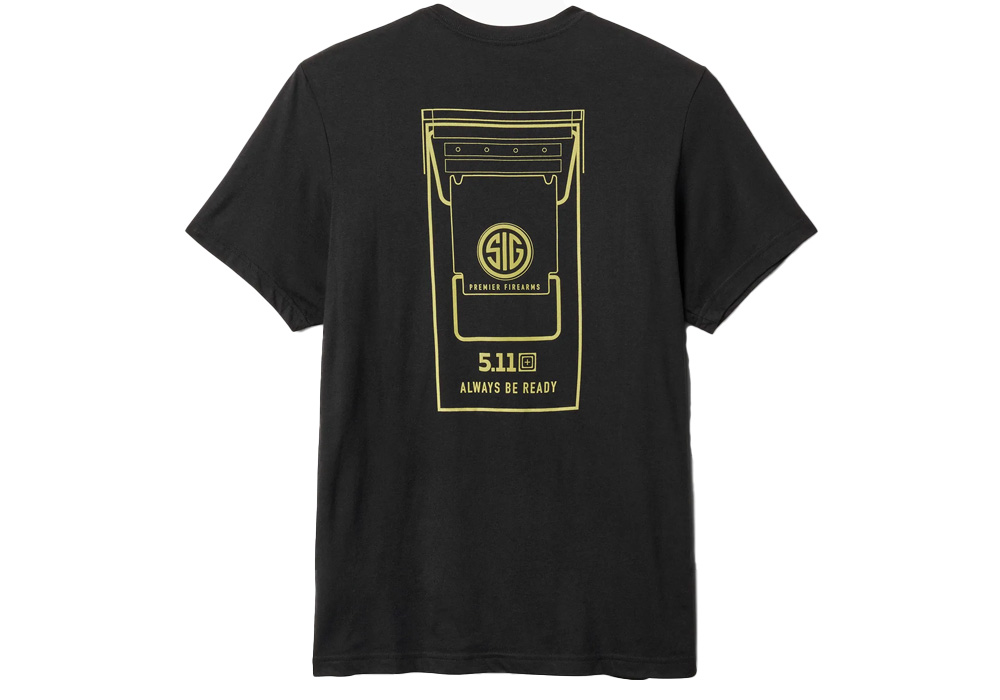
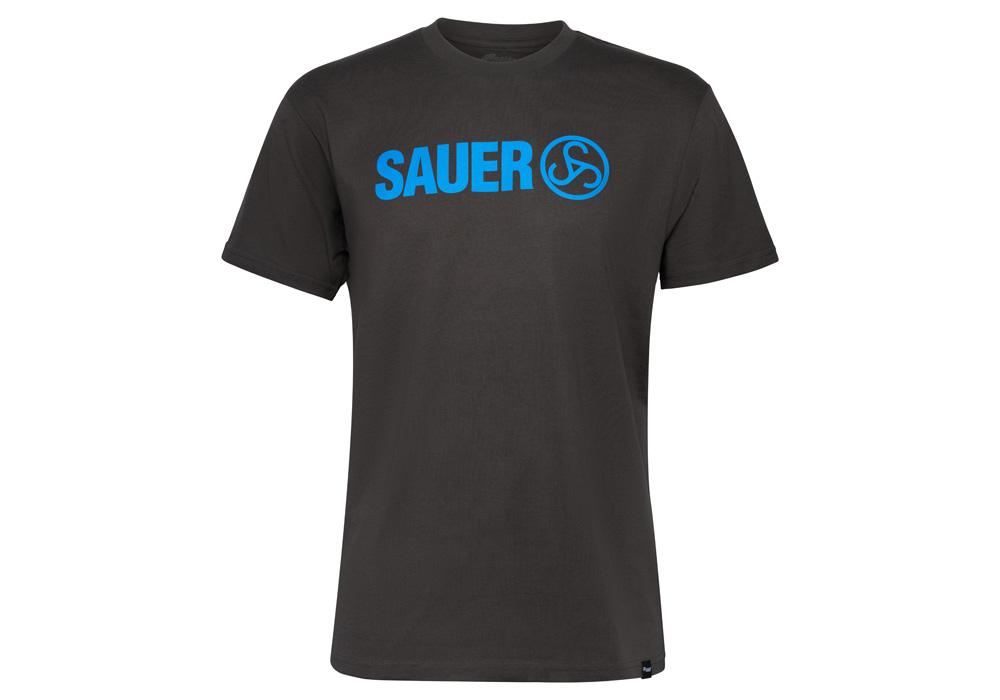
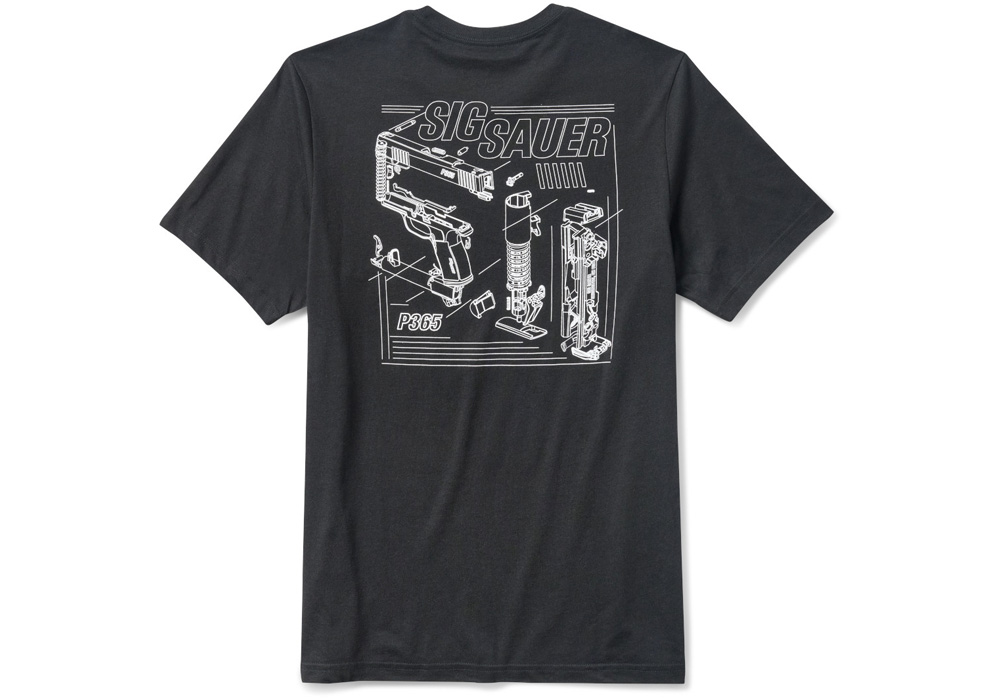
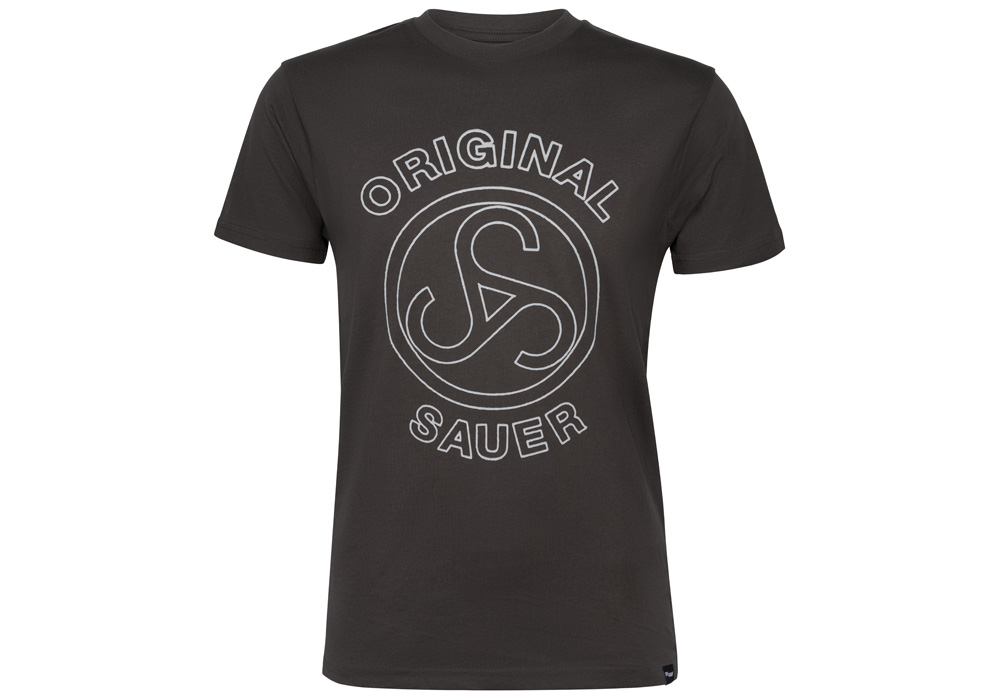
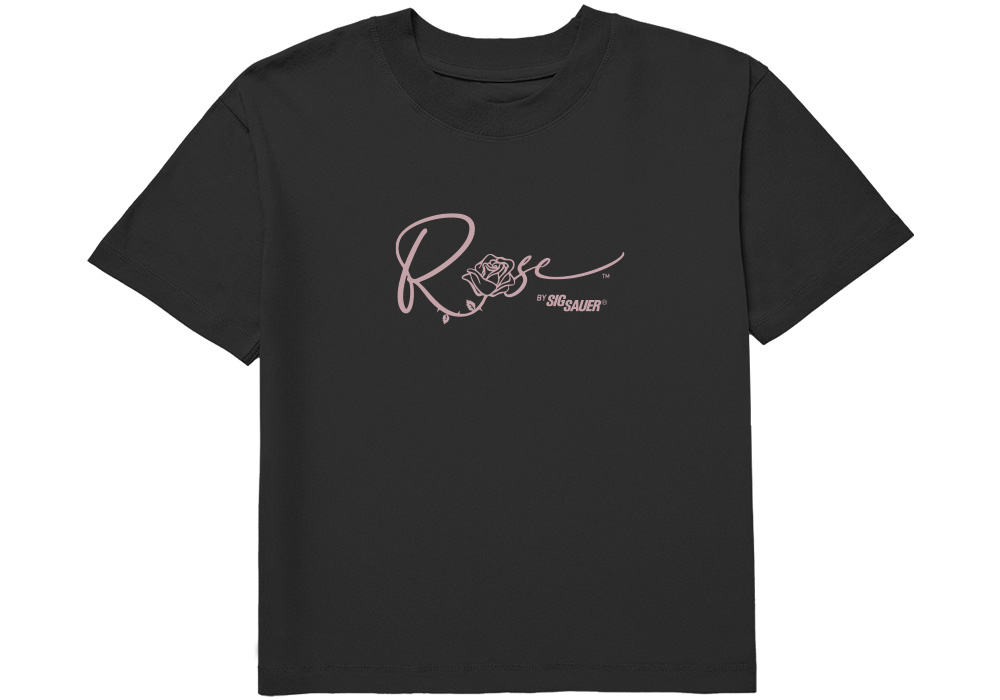
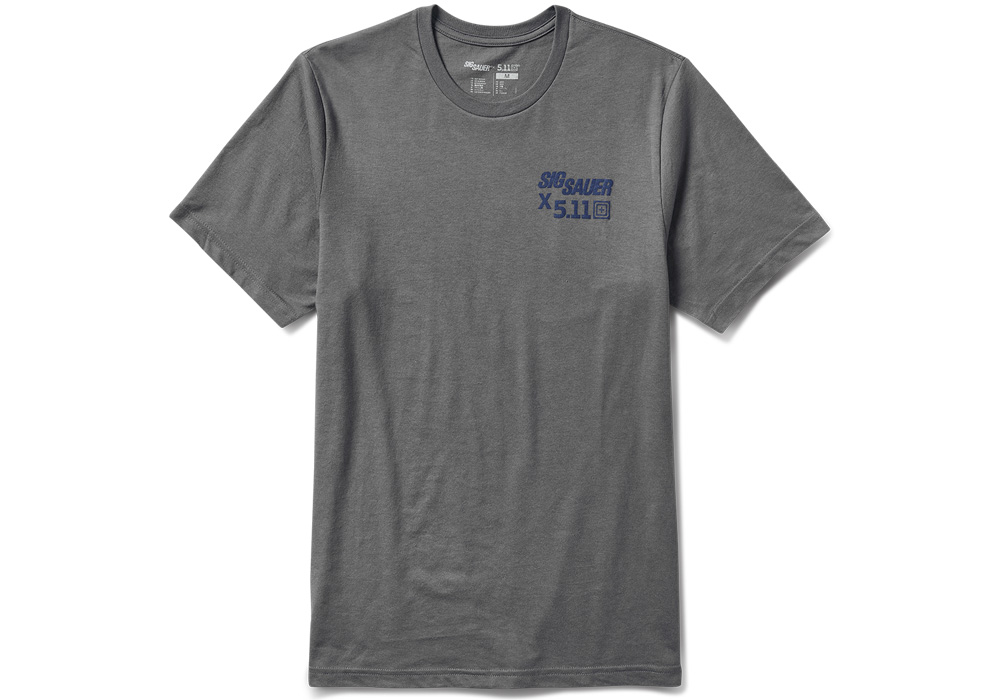
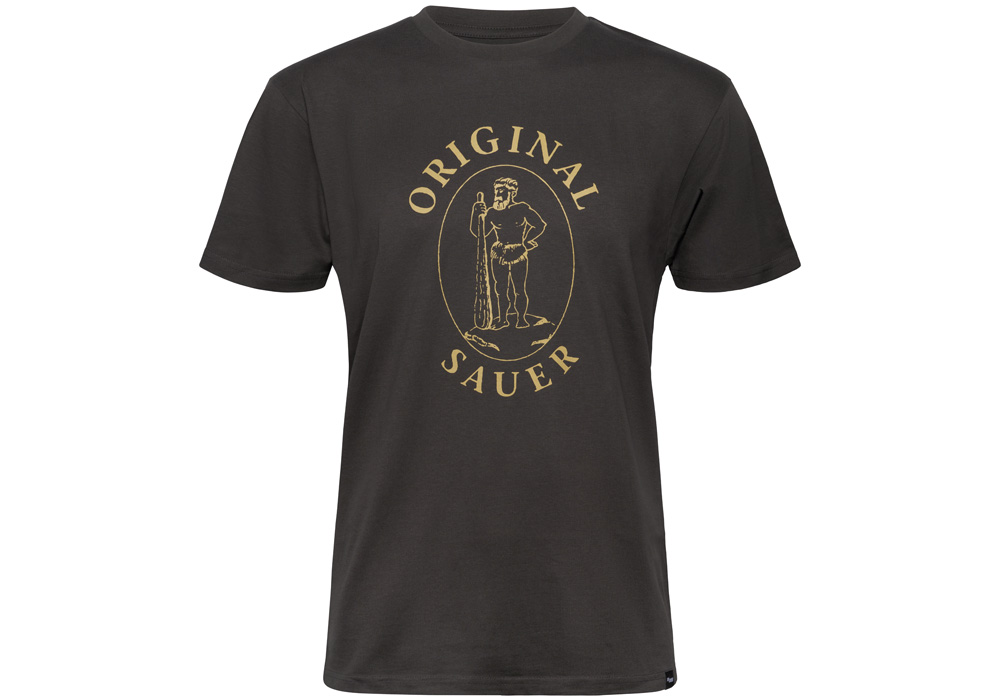
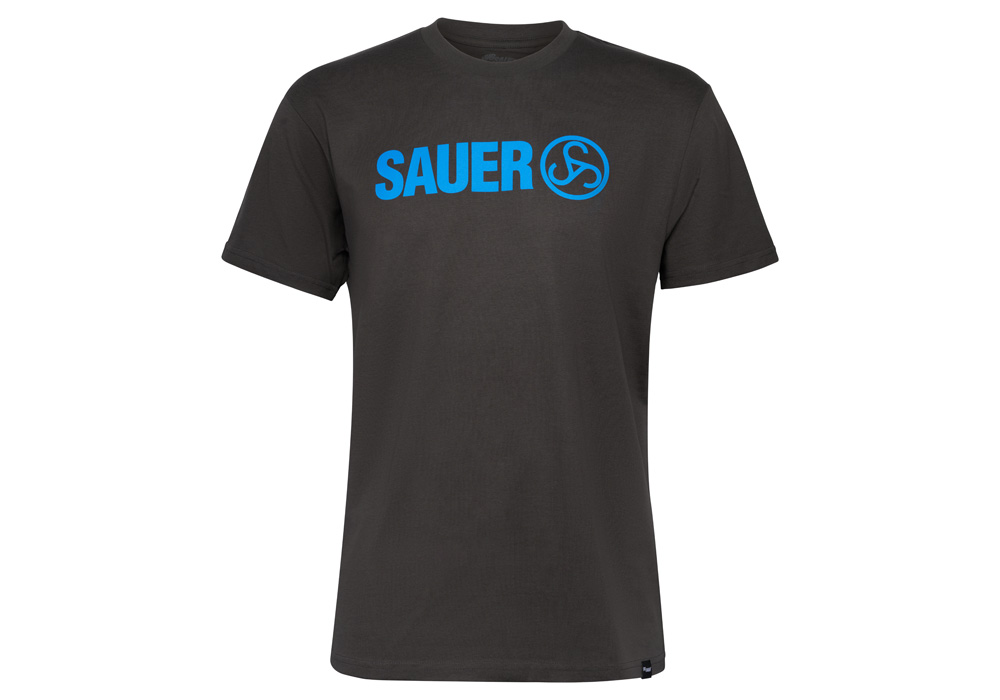
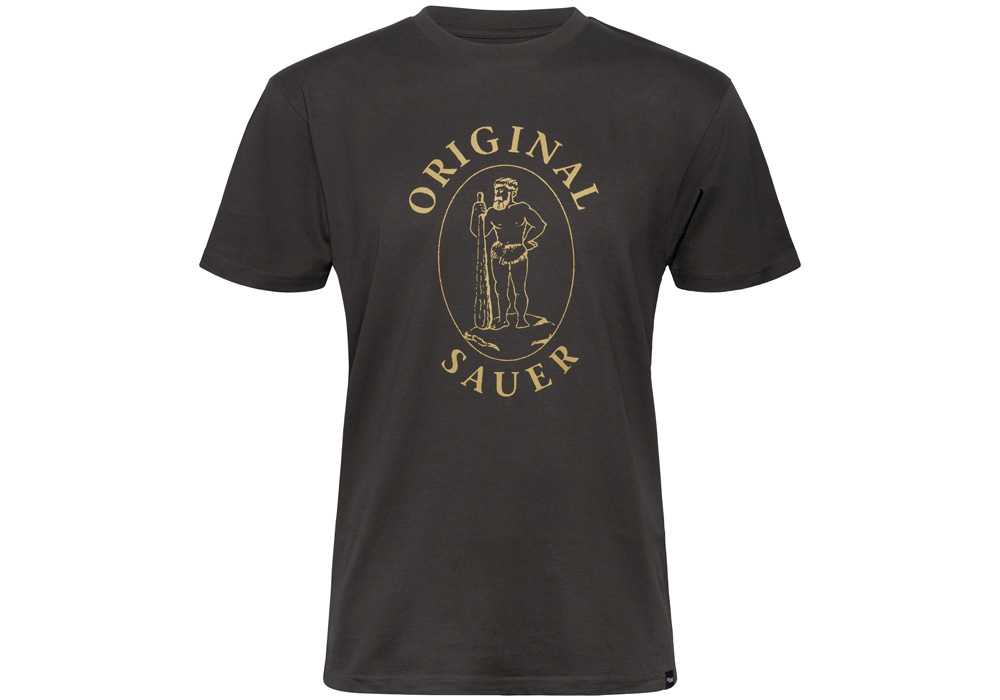
Black t-shirts for the shooting range offer an understated look, comfortable movement, and easy coordination with the rest of a range-day outfit. A black tee works with range pants, jeans, or shorts without competing with the equipment worn over it, and the dark fabric can make small carbon marks and oil specks less noticeable. That visual benefit does not mean a shirt is clean; range residue still calls for appropriate laundering and handling. Fabric is one of the most useful differences to consider when comparing shooting-range t-shirts. Cotton has a familiar, soft feel and generally allows air to pass through the fabric, making it appealing for everyday wear as well as practice sessions. Ring-spun cotton typically has a smoother hand because of the way its yarn is spun, although fabric weight, knit structure, and finishing also influence how the shirt feels and wears. Polyester and cotton blends can balance softness with shape retention and drying performance. Performance fabrics with moisture-wicking properties help move perspiration away from the skin, while a small amount of stretch can support comfortable movement through the shoulders and torso. These qualities depend on the actual fabric construction, so fiber percentages and stated features are more useful than broad performance claims. A lightweight tee may feel less bulky beneath additional equipment, while a more substantial knit can offer greater coverage and a firmer feel. Neither weight is automatically better for every shooter. Someone spending an hour at an indoor lane may value a soft, uncomplicated cotton shirt; someone moving between shooting positions during a training session may prefer a flexible blend that dries readily. Plain black styles have a quiet, versatile appearance, while printed designs add personality without changing the basic function of the garment. For either style, a comfortable fabric and a dependable fit matter more than decoration once the session begins.
Fit has a direct effect on how a black range t-shirt feels during ordinary shooting movements. A useful fit leaves enough room to extend both arms, bring the hands together, and reach forward without pulling sharply across the upper back. Shoulder seams that sit comfortably near the shoulder edge can help the sleeves move naturally, while sleeves that bind around the upper arm may become distracting during repeated practice. Excess fabric is not necessarily more comfortable: a very loose torso or oversized sleeve can bunch beneath a sling or other equipment. A close-fitting crew neckline leaves less open space for spent brass to enter than a deep neckline, though no shirt prevents every contact with a hot casing or replaces required eye and hearing protection. The collar should rest comfortably rather than press against the throat, especially when the wearer leans forward at a shooting bench. Hem length also deserves attention. A shirt that stays covered at the waist when reaching, sitting, or bending is easier to wear through a full session, and sufficient length helps a tucked shirt remain in place. For an untucked fit, a straight hem with adequate coverage can look clean without creating a bulky fold around the waist. These details are especially noticeable when a shooter changes from standing practice to seated bench work or wears the shirt beneath equipment for several hours. Smooth interior seams, a comfortable neck label, and a collar that returns to shape contribute to the experience just as much as the overall silhouette. Repeated sling contact can rub the shoulder area, so fabric structure and stitching are useful considerations for that intended use; an ordinary tee should not be assumed to have reinforced panels. Black shooting-range t-shirts suit new shooters, regular range visitors, competitors, and instructors who prefer casual clothing with a low-key appearance. Their usefulness also extends beyond the firing line, from organizing equipment before a session to stopping for a meal afterward, provided the garment is clean and appropriate for the setting.
Durability is best judged through a combination of fabric, stitching, and care rather than color alone. Even stitching around the sleeves and hem, secure shoulder seams, and a collar that lies flat are practical qualities in a shirt expected to see repeated wear. Stretch fabrics should recover after movement instead of leaving the elbows, sleeves, or torso looking loose, and a comfortable shirt should retain its general proportions after laundering according to its label. Black fabric can show fading, lint, and detergent marks, so thoughtful care helps preserve its appearance. Turning a printed shirt inside out can reduce friction against its design, and following the recommended wash and drying settings helps limit unnecessary wear. High dryer heat can be hard on some fibers, elastic components, and prints; the garment’s care label is the appropriate reference. Firearm cleaning solvents and lubricants are not clothing cleaners and can affect fabric or graphics. Range clothing also deserves attention beyond ordinary perspiration. Lead-containing residue may be present in shooting environments, so facility guidance on clothing handling and hygiene matters even when a dark shirt looks unmarked. Washing hands after range activity and keeping potentially contaminated clothing away from food preparation areas are sensible parts of a clean routine. For gifting, black t-shirts offer a familiar color that works with many existing wardrobes, but the recipient’s preferred fit is more important than guessing from a usual size alone. Garment measurements, shoulder room, and shirt length help distinguish a relaxed everyday fit from a closer athletic fit. A frequent range visitor may appreciate dependable basics for regular practice, while a newer shooter may value a comfortable tee that also feels natural away from the range. Those comparing neutral colors can also explore Gray Outdoor Shooting T-Shirts for a lighter alternative to black. The strongest choice is ultimately a shirt whose fabric, neckline, movement, and care requirements suit the way it will actually be worn.