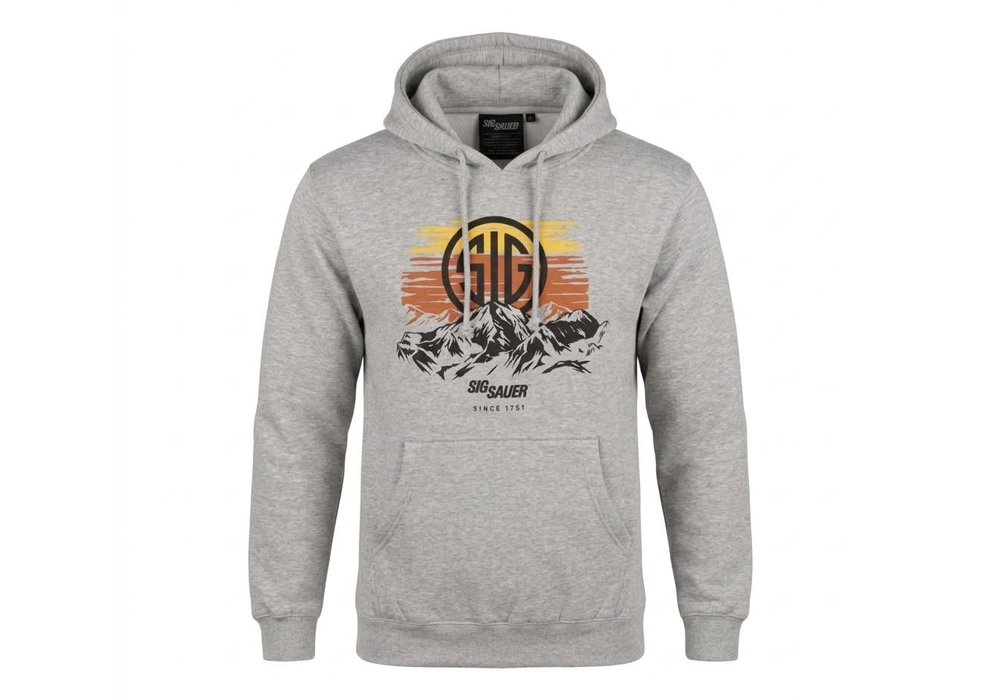
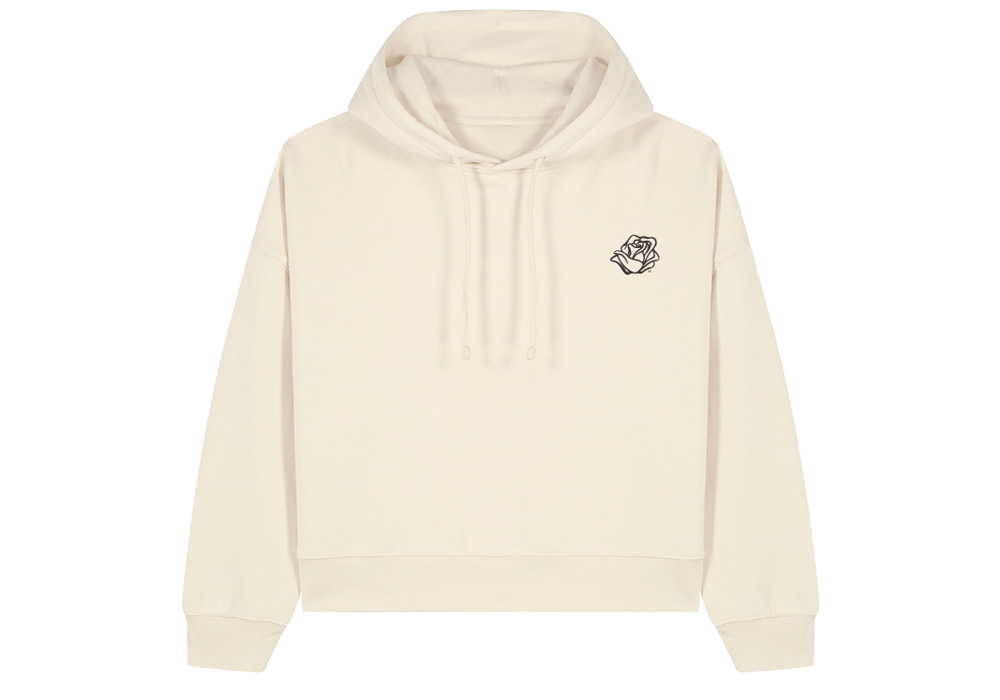
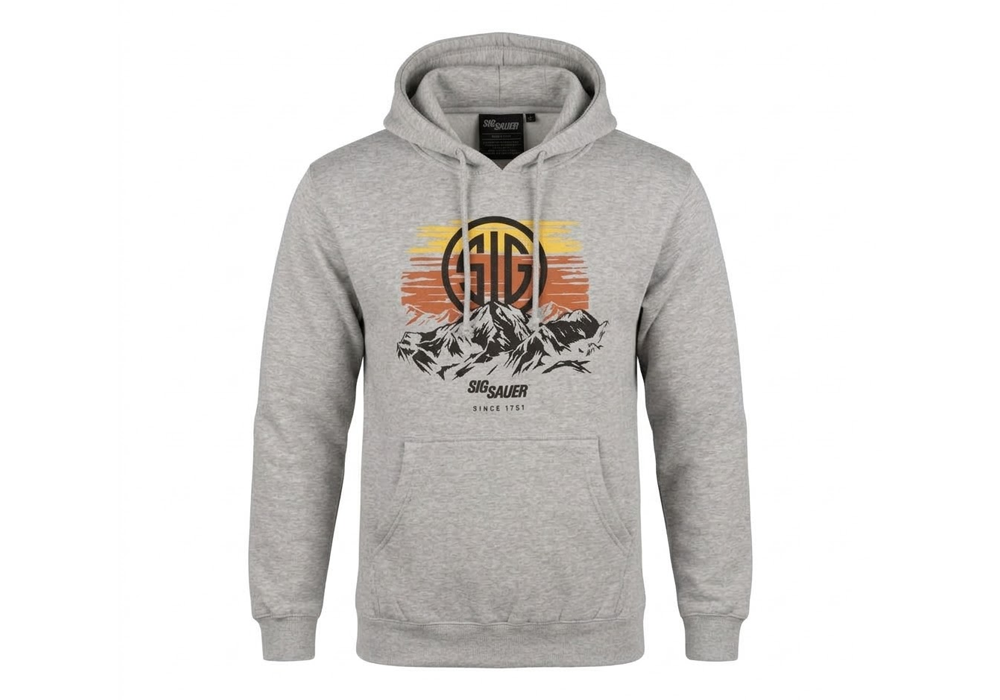
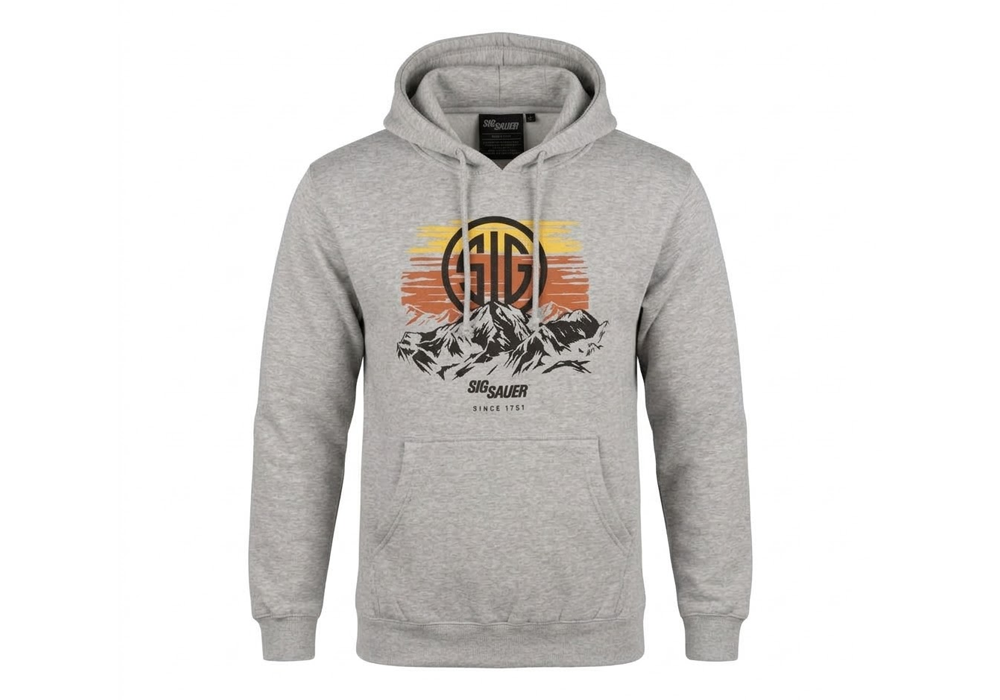
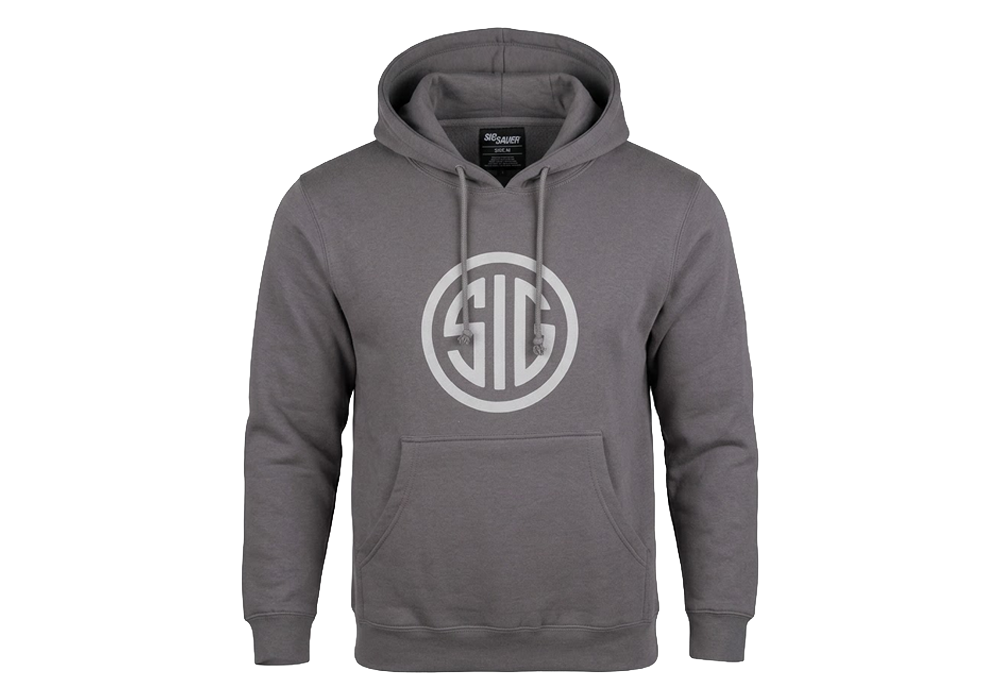
The most useful hoodies for range days balance freedom of movement, comfortable fabric, and a fit that stays clear of the hands and equipment. They suit the familiar rhythm of a range visit: carrying a gear bag from the parking area, checking in at the counter, organizing a shooting station, and heading out afterward without needing a complete change of clothes. A range hoodie does not need an elaborate tactical appearance to feel right for those routines. The details that matter are often quieter, such as sleeves that move easily, a neckline that lies comfortably, and seams that do not rub beneath a bag strap. Cotton-rich fleece offers a soft, familiar sweatshirt feel, while cotton-polyester blends can combine that comfort with shape retention and manageable everyday care. A brushed interior has a plush texture against a shirt; loopback fabric has a less fuzzy inner surface that some wearers prefer for active use. Fabric weight also changes the experience. A substantial knit can feel structured and reassuring, while a lighter construction takes up less room in a range bag and may feel less restrictive during a long visit. Stretch can come from the knit itself or from added elastic fibers, so fabric composition and construction are more useful indicators than appearance alone. Breathability and moisture management are worth considering for anyone who spends much of a visit standing, walking, or carrying equipment. Those qualities vary by fabric, and a soft fleece surface does not automatically indicate quick-drying performance. Pullover styles keep the front simple, with fewer hardware details, while full-zip hoodies offer flexibility when getting dressed or adjusting layers between activities. Neither style is universally better. The right choice depends on personal comfort, how the hoodie fits with other clothing, and whether its pockets, cuffs, and hood feel practical throughout an ordinary range day.
Fit becomes especially noticeable when a hoodie is worn with the rest of a range outfit rather than tried on over a thin shirt alone. Shoulder room, sleeve length, and torso shape all influence whether the garment feels easy or distracting. A close fit can reduce loose fabric, but it should not pull across the upper back or tighten through the elbows during normal movement. A relaxed fit leaves room for a shirt underneath, although excess material around the wrists or waist can become cumbersome. Well-proportioned sleeves allow the arms to bend without drawing the cuffs far up the forearms, and a hem that stays in place reduces repeated tugging and readjusting. Ribbed cuffs and waistbands can help maintain that shape, provided they feel comfortable rather than restrictive. Hood construction deserves attention, too. A bulky hood can bunch behind the neck, particularly when layered with another garment, while a flatter profile may sit more comfortably. When worn up, the hood should not obstruct vision or interfere with the fit of hearing protection. Drawcords and zipper pulls are small details, but their length and placement affect how neatly the garment sits around other equipment. A hoodie remains everyday apparel, not a replacement for appropriate eye and hearing protection. Pocket design adds another practical distinction. A front pouch offers an easy resting place for the hands, while separate pockets on a zip-front style keep the center opening accessible. Pocket depth and closure type matter for personal belongings, since an open sweatshirt pocket is not secure storage for keys or a phone during movement. Smooth interior seams and a comfortable zipper backing can also make a difference over several hours. A compatible first layer helps the whole outfit feel less bulky; Men's Shirts For Range Days provides a related starting point for pairing comfortable necklines and sleeve shapes with an outer sweatshirt. Together, the layers should move naturally without bunching at the shoulders, elbows, or waist.
Durability shows up in the places that receive repeated attention: cuffs pulled over the hands, pocket openings used throughout the day, and shoulders beneath the straps of a frequently carried bag. Consistent stitching, neatly finished seams, and fabric that recovers its shape after stretching contribute to a hoodie that remains comfortable through regular wear. A denser knit may feel substantial, but weight alone does not establish quality; construction and care play equally important roles. Ribbing that rebounds rather than staying stretched helps preserve the fit, while a zipper that travels smoothly makes a full-zip style more pleasant to wear. Surface texture is another consideration, especially for anyone who prefers a tidy appearance beyond the range. Some fleece fabrics develop small pills through friction, and rough hook-and-loop surfaces on nearby gear can catch softer knits. Care that follows the garment label helps protect both fabric and decoration. Turning a hoodie inside out before washing can limit abrasion against its outer surface, and keeping fasteners secured can reduce snagging in a mixed load. Drying instructions deserve the same attention as washing instructions, since excessive heat can affect fit, elastic fibers, and printed details. A completely dry hoodie is also more pleasant to store in a bag between outings. For frequent range visitors, instructors, and shooting-sports enthusiasts, an easy-care sweatshirt can become part of a dependable rotation rather than an occasional statement piece. It can also be a thoughtful birthday or thank-you gift for someone who enjoys range time, especially when the fit and styling match clothing that person already wears. Familiar sizing, a preferred pullover or zip-front design, and an understated or more expressive look are useful clues to personal taste. The lasting appeal of a range hoodie comes from that combination of purpose and familiarity: enough room to move, fabric that feels good through repeated wear, and practical details that remain comfortable from the first stop at the range to the rest of the day.