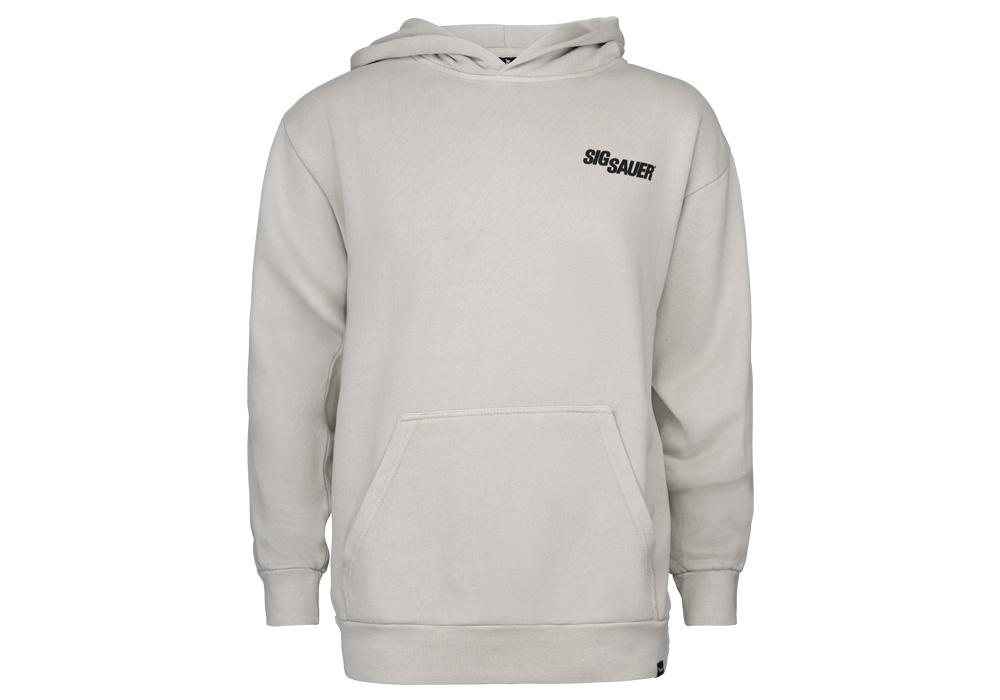
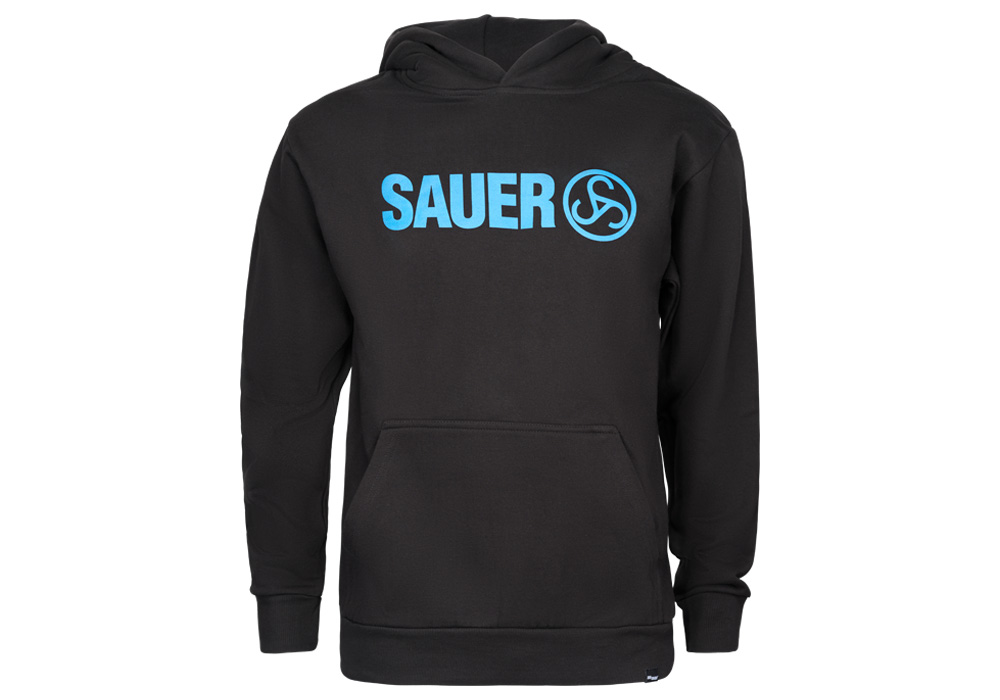
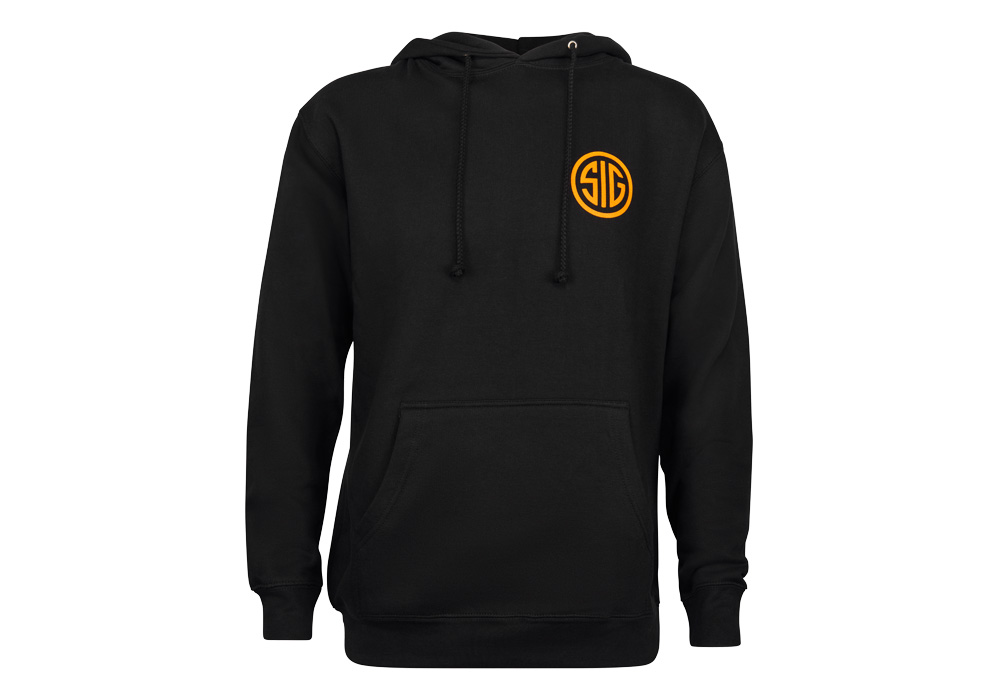
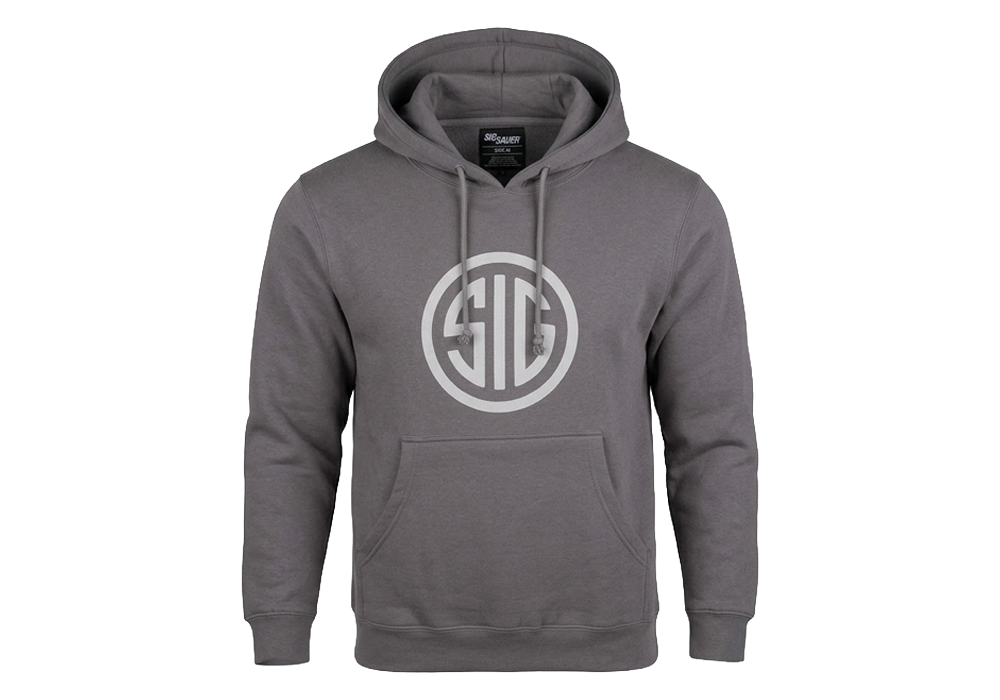
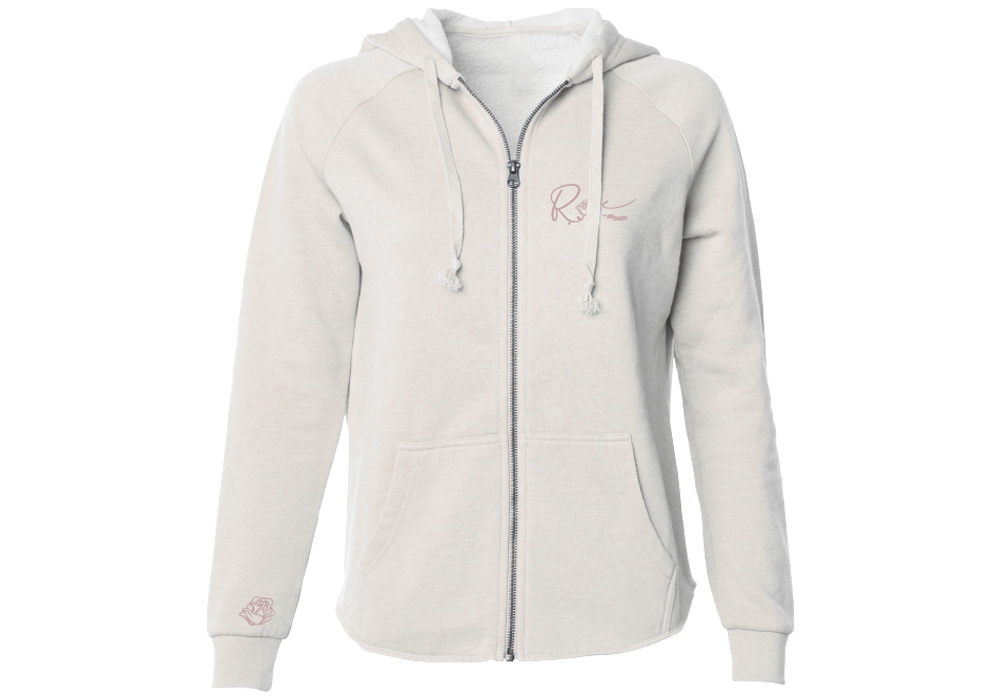
Hoodies for everyday wear balance soft fabric, an easy fit, and durable construction that holds up to regular washing and repeated use. They belong in the familiar parts of a routine: pulling on something comfortable before breakfast, heading out for errands, settling into a long drive, or meeting friends for a casual lunch. The fabric plays a large part in how a hoodie feels throughout those moments. Cotton brings a naturally soft touch and an absorbent feel, while cotton-polyester blends can offer a balance of softness, shape retention, and quicker drying than comparable all-cotton fabrics. Fabric construction matters just as much as fiber content. Brushed fleece has a plush interior that feels gentle against the skin; French terry typically has small loops on the inside, giving it a different texture with less loft. A smoother jersey construction can feel less bulky beneath another layer. Fabric weight also affects the way a hooded sweatshirt hangs: lighter fabrics tend to move more freely, while heavier fabrics often create a more substantial silhouette. Neither is automatically better for daily use. The right feel depends on whether the hoodie spends most of its time at a desk, in a travel bag, or in steady rotation between home and errands. Construction details help distinguish a dependable everyday layer from one that loses its appeal after a few washes. Even stitching, neatly finished seams, and ribbed cuffs that recover their shape contribute to lasting comfort. A hood should rest comfortably behind the neck without tugging at the neckline, and pocket openings should sit where hands reach naturally. Pullover designs offer a simple, uninterrupted front, while zip-front styles allow the garment to be worn open and are easier to remove without pulling it over the head. These everyday details often matter more over time than an elaborate design or an oversized graphic.
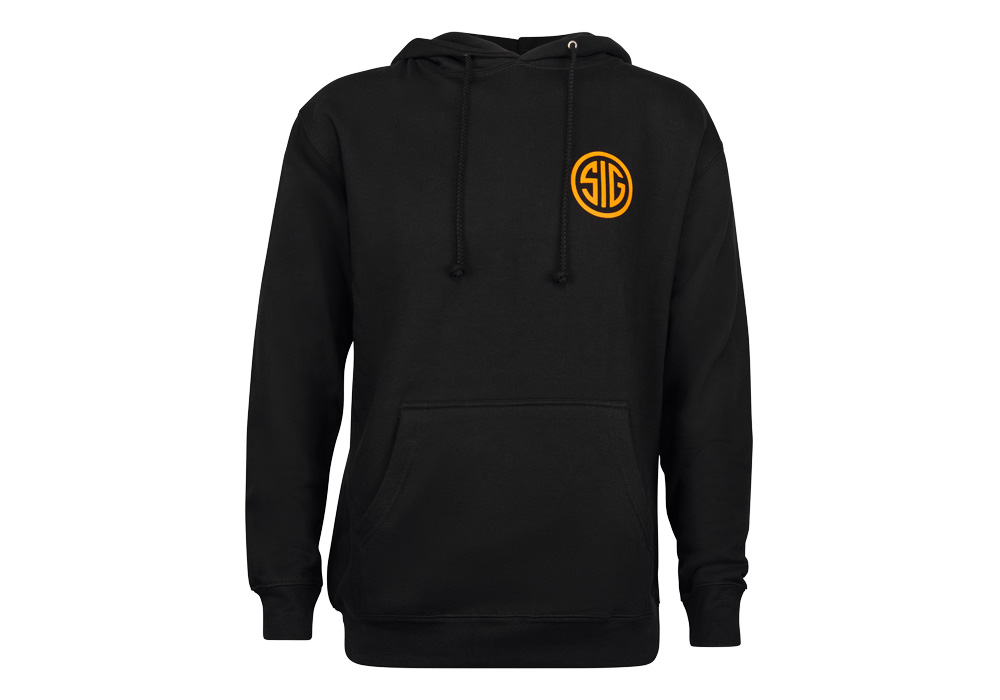
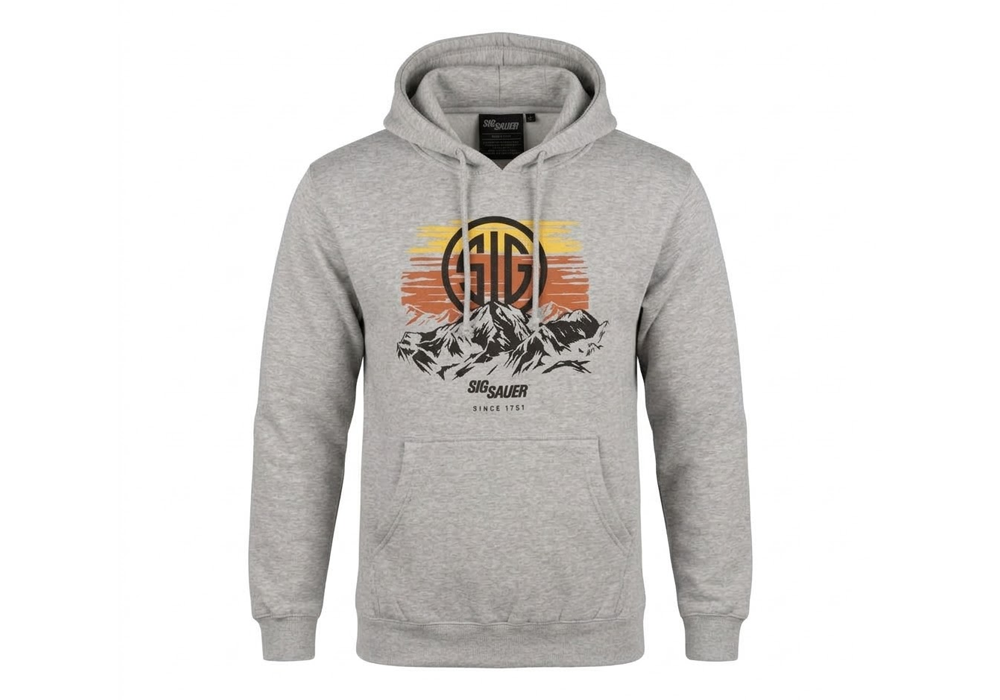
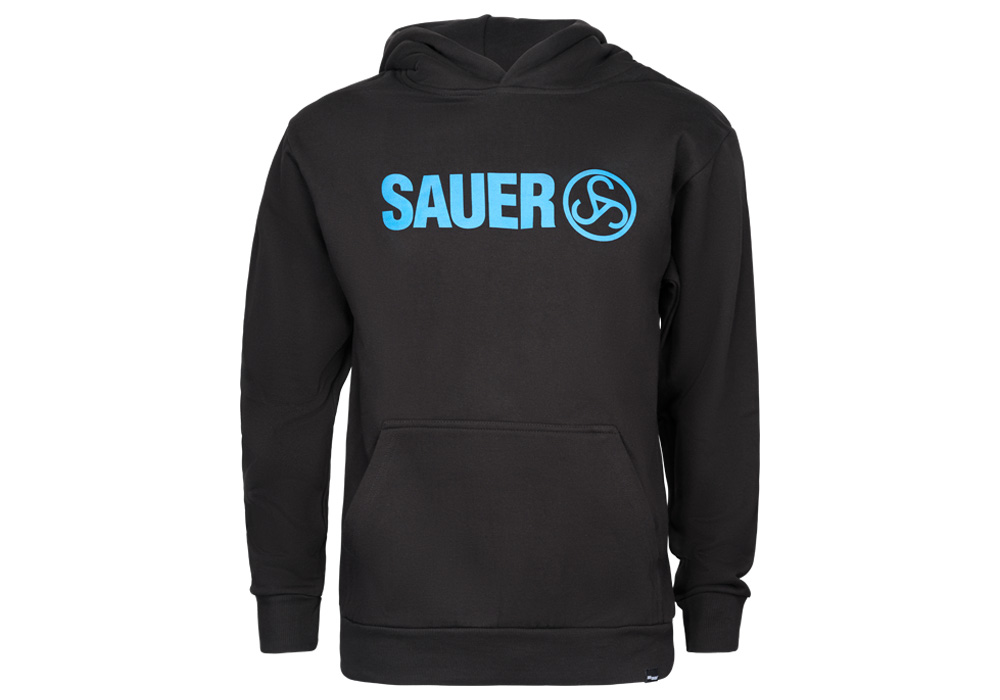
Fit determines whether a hoodie feels like a dependable favorite or something that needs constant adjusting. An everyday fit leaves enough room to reach forward, bend at the elbows, and sit comfortably without the fabric pulling across the upper back or collecting excessively around the waist. A closer silhouette can work well with tailored casual pants or beneath a jacket, while a relaxed shape pairs naturally with jeans, joggers, or leggings. Oversized styling is a deliberate proportion rather than simply extra length everywhere: shoulder placement, sleeve volume, and the position of the hem all influence the result. Size labels alone do not tell that whole story. Chest measurements, garment length, and sleeve measurements provide a clearer picture, especially when comparing different cuts or unisex sizing. A favorite sweatshirt laid flat can serve as a useful reference for those dimensions. Cuffs should sit comfortably at the wrist, and a hem should stay where it belongs during ordinary movement rather than needing repeated adjustment. The way a hoodie works with the rest of a wardrobe is equally practical. Solid colors keep an outfit understated and allow texture, shape, and footwear to do more of the work; graphic designs give casual clothing a stronger focal point. Dark neutrals are particularly easy to repeat with different pants and accessories, and Black Hoodies for Women offer a straightforward direction for anyone drawn to a versatile, low-key look. Tonal combinations create a cohesive outfit, while contrasting pants can make the sweatshirt’s outline more distinct. For travel days, a comfortable hood and sleeves that stay in place can be welcome through hours of sitting and walking. For a casual workplace, a clean silhouette and restrained detailing may suit the setting when the dress code permits. The best everyday styling feels natural to the person wearing it, without requiring an entirely different wardrobe around a single garment.
Regular care helps preserve the comfort, color, and proportions that give a hoodie its everyday appeal. The care label takes priority because fiber blends, surface finishes, printed artwork, and decorative details can require different treatment. Turning a sweatshirt inside out before washing can reduce direct rubbing against its outer surface, particularly around printed designs. Washing it with similar colors and fabrics also limits unnecessary abrasion from rough textiles or exposed hardware. Zip-front hoodies generally benefit from having the zipper closed before laundering, while drawstrings should remain positioned according to the garment’s care directions. Detergent residue can affect the feel of a fabric, so using the recommended amount is more useful than assuming extra detergent means a better clean. Drying deserves similar attention. Excessive dryer heat can contribute to shrinkage or affect certain printed finishes; a permitted lower-heat setting or air-drying method can be gentler. Reshaping the garment before it dries helps keep seams, sleeves, and the hem aligned. A folded hoodie is often easier to store without stretching the shoulders, particularly when the fabric is substantial. Over time, the areas that see the most friction—under the arms, along pocket edges, and near cuffs—may show wear first. Surface pilling can occur with repeated rubbing and does not necessarily mean the entire garment has lost its usefulness; any fabric-care tool should be suitable for the material and used carefully. Keeping a small rotation of frequently worn sweatshirts can also give each one time between wears and washes. As a gift, an everyday hoodie suits someone who values comfortable, practical clothing, whether for a birthday, a personal milestone, or a simple thank-you. Familiar sizing, preferred fabric feel, and the recipient’s usual style are better starting points than a guess based on appearance alone. A hoodie earns its place through those ordinary details: comfortable sleeves, a reliable fit, fabric that feels good against the skin, and care requirements that fit comfortably into daily life.