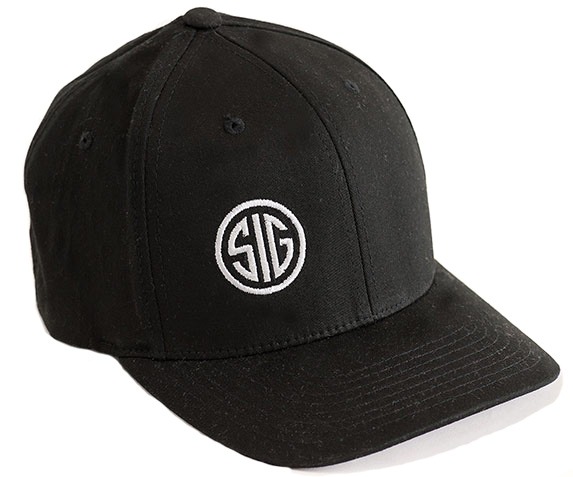
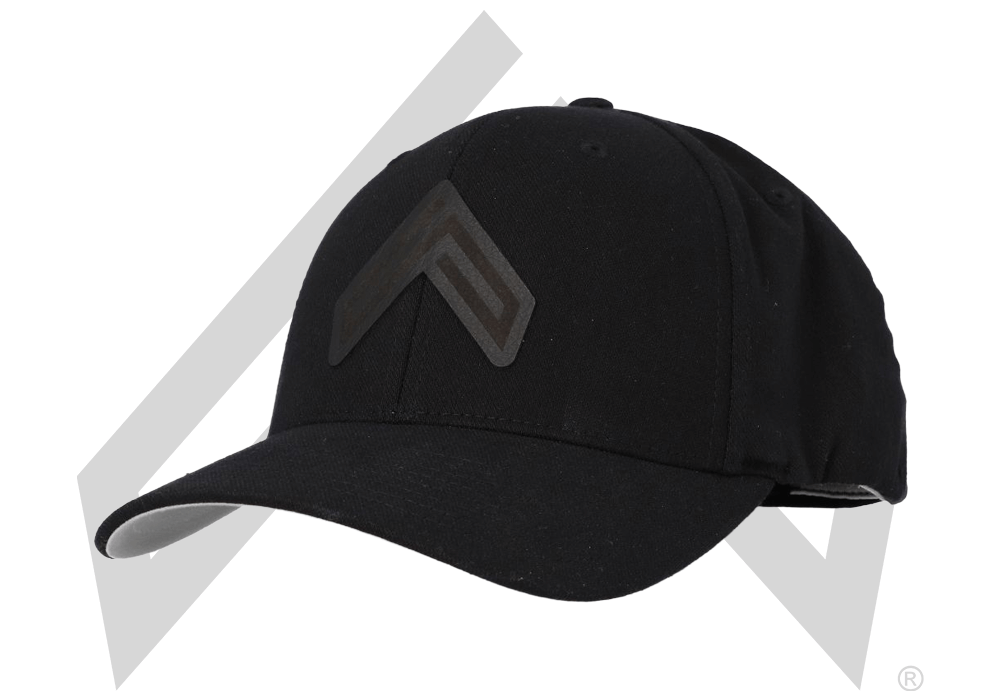
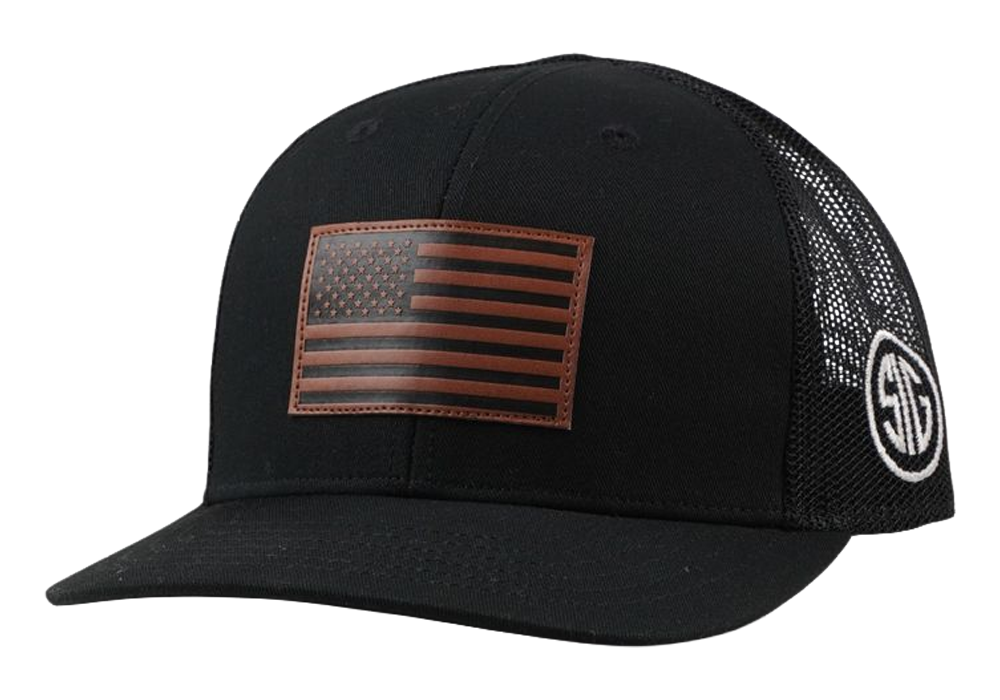
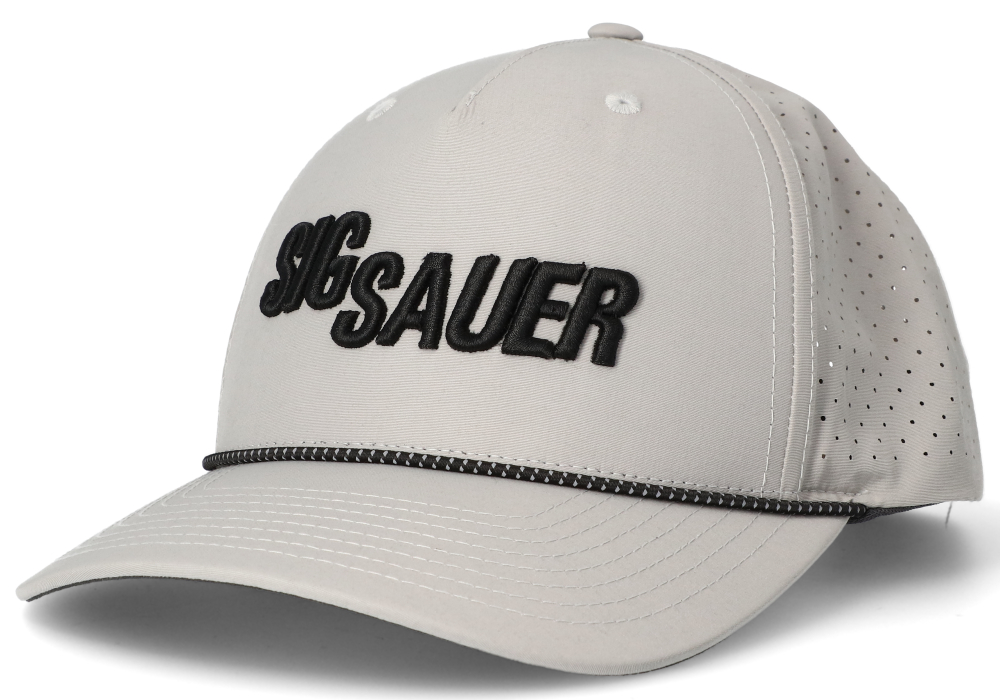
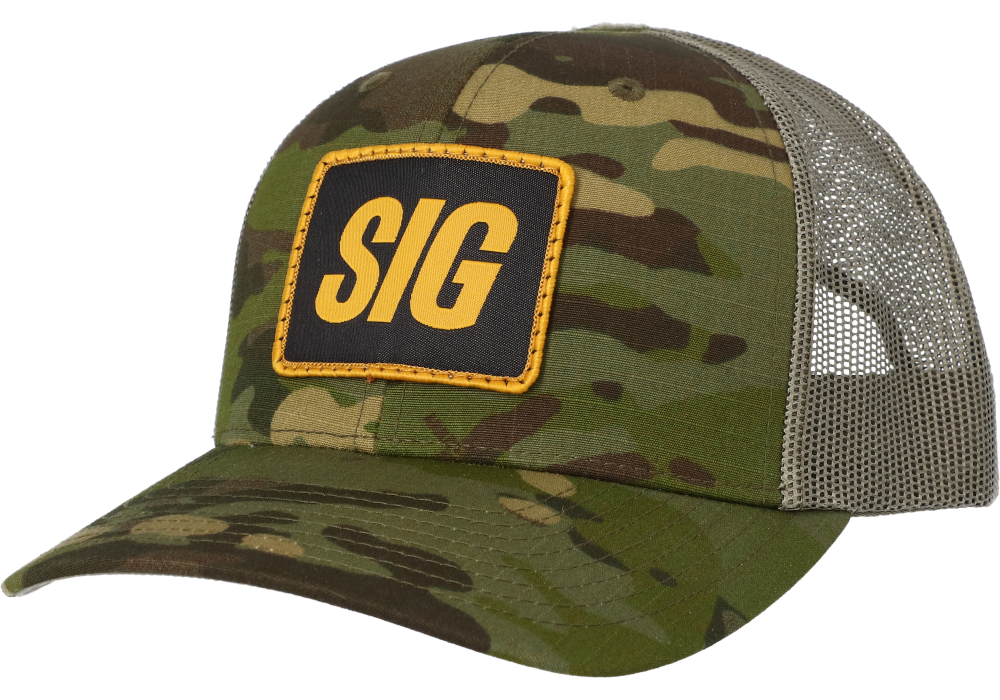
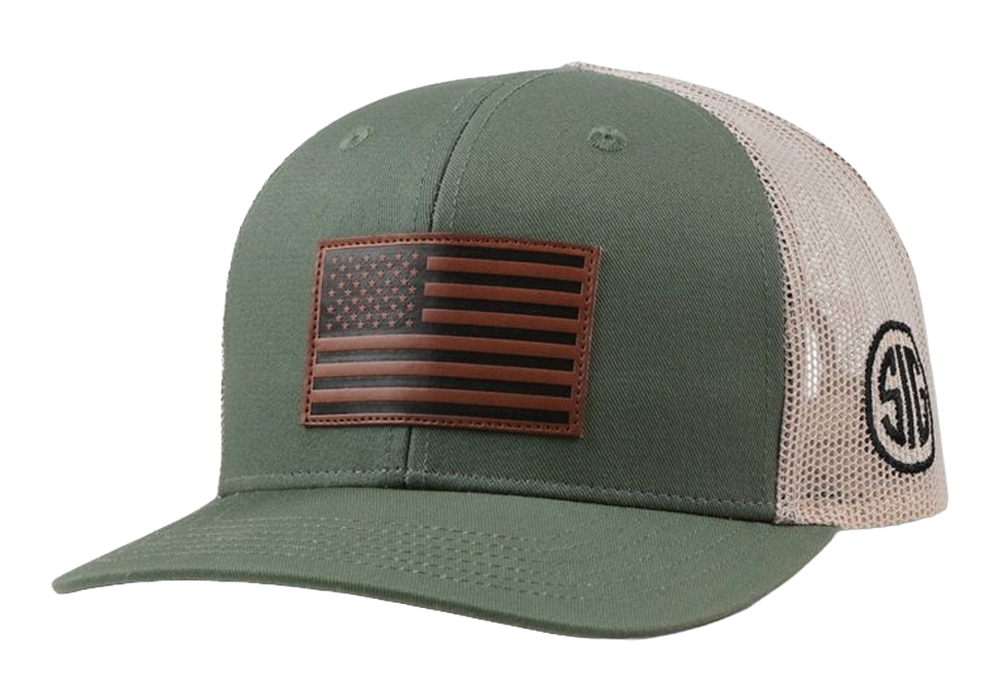
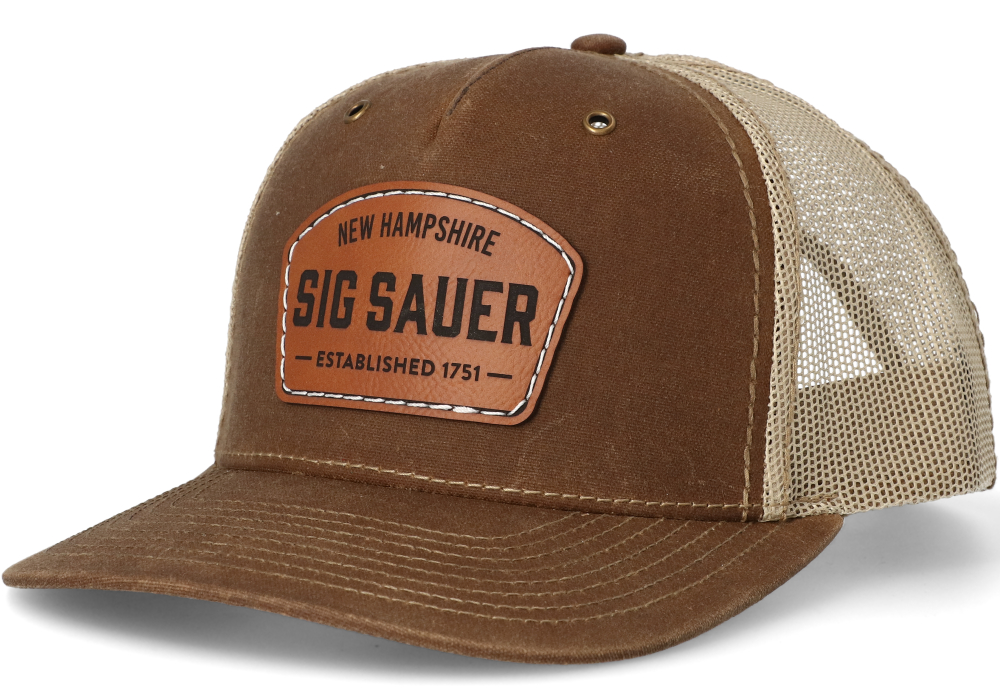
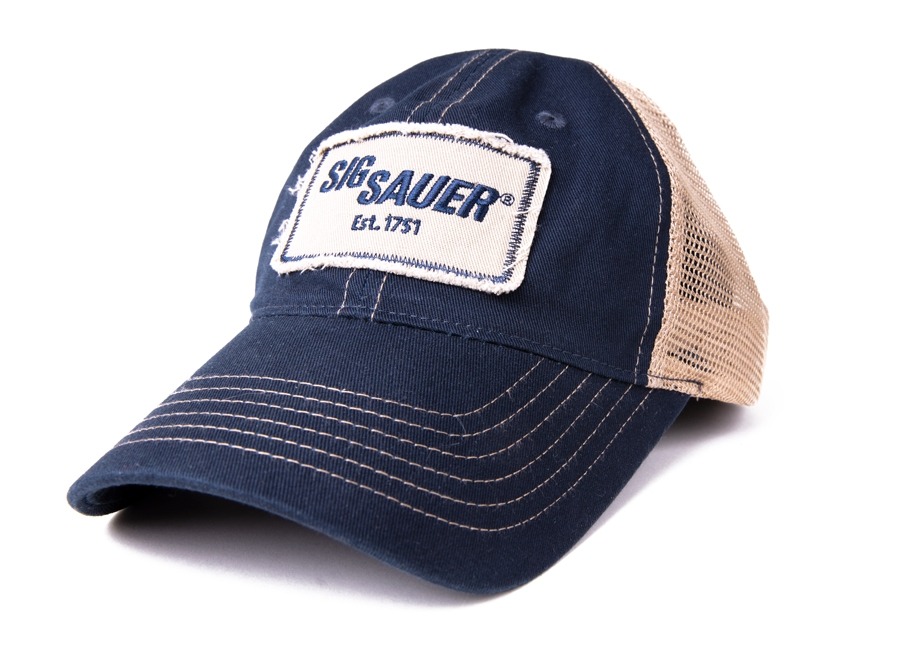
Hats for everyday use combine comfortable fit, durable fabrics, and easygoing styling for errands, commuting, casual outings, and time at the range. A familiar cap often becomes the finishing touch that pulls jeans, a plain shirt, and well-worn shoes together without making an outfit feel overthought. Its appeal comes from being useful across ordinary routines: heading out for coffee, meeting friends after work, walking the dog, or packing a small bag for a weekend away. Baseball-style silhouettes are a natural fit for this kind of versatility, with a bill that frames the face and a crown that can look relaxed or more defined depending on its construction. A structured front maintains a distinct profile, while an unstructured crown settles more closely around the head and has a softer appearance. Neither approach is inherently better for daily wear; the difference is often how the hat feels and how it works with the rest of a wardrobe. Low-profile shapes tend to sit closer to the head, while taller crowns create more room and a more pronounced silhouette. Neutral colors are easy to repeat across different outfits, and restrained embroidery or a simple patch adds visual interest without competing with other details. Dark fabrics may show lint more readily, while lighter fabrics can reveal marks from frequent handling, so color has a practical side as well as an aesthetic one. A curved bill offers a familiar casual look, and a flatter bill gives the same basic outfit a different outline. Proportion matters more than following a particular style: the crown, bill, and overall shape should feel balanced on the wearer. For someone who reaches for the same hat before leaving the house, that balance is what turns a basic accessory into a dependable part of the daily routine. It also explains why a simple, comfortable design can earn more regular wear than something selected only for its appearance.
Fabric and construction influence that everyday experience as much as the silhouette. Cotton twill has a substantial woven texture and generally becomes more relaxed with use, making it a familiar choice for casual caps. Polyester and blended fabrics can offer a lighter feel or help a crown retain its shape, depending on the weave and construction. Mesh panels allow more airflow and create a different feel from a fully fabric-covered crown. Stretch fabrics provide some flexibility, but a comfortable fit still depends on the relationship between head circumference, crown depth, and the shape of the hat. An adjustable closure offers room to fine-tune the fit, whether the wearer prefers a slightly looser feel or needs space for longer hair. Snap closures provide distinct adjustment points, while sliding straps allow smaller changes; either should sit comfortably without pressing into the back of the head. Fitted styles depend more closely on accurate sizing, and size descriptions are most useful when paired with actual measurements rather than assumptions about a previous hat. Crown depth deserves equal attention. A hat can fit around the head yet sit too low against the ears, or it can feel perched too high even when the closure is secure. The sweatband should rest smoothly across the forehead, and interior seams should feel unobtrusive during extended wear. These details become noticeable on a long drive or an afternoon spent moving between several stops. For range visits, the way a cap sits with protective eyewear and hearing protection also matters; the bill and closure should not interfere with the fit of that equipment. Durability comes through in details such as even stitching, firmly attached panels, a stable bill, and a closure that operates smoothly. Embroidered areas should feel tidy on the inside as well as look clean on the outside, especially where they sit near the forehead. A substantial appearance alone does not establish comfort or longevity; careful construction and a suitable fit do more of that work.
Regular care helps an everyday hat keep its shape and remain pleasant to wear. Handling it by the bill every day can leave visible marks over time, and residue from hair products or skin can collect around the inner band. Care requirements vary with fabric, decoration, and brim construction, so the care label is the starting point for cleaning. For hats suitable for spot cleaning, a soft cloth, a small amount of mild detergent, and gentle attention to marked areas are often more appropriate than aggressive scrubbing. Heavy soaking or machine washing may affect certain bills, closures, or decorative details, even when the outer fabric appears sturdy. Drying also deserves patience: reshaping the crown and allowing it to air-dry, when consistent with its care instructions, helps preserve the intended profile. A shelf or roomy hook keeps the hat accessible without forcing the front panel flat, while a crowded bag can crease a structured crown. An unstructured style may be easier to pack, though it still benefits from being placed where heavier belongings will not crush it. These small habits matter most with a hat worn several days a week. Everyday hats also suit gifting because they connect naturally with the recipient’s habits and personal style. A practical gift for a frequent range visitor, a dog walker, or someone who rarely leaves home without a cap does not need elaborate decoration to feel thoughtful. Familiar colors, a preferred crown shape, and a comfortable closure are often more meaningful than a bold design chosen without regard to what the person wears. An adjustable fit can reduce some sizing uncertainty, although head shape and personal preference still count. The same attention to comfort and practical construction carries into Outdoor Hats for walks, range visits, and weekends away. Whether selected for personal use or as a birthday or thank-you gift, an everyday hat earns its place through repeated wear: comfortable at the forehead, easy to pair with familiar clothes, and straightforward to care for between outings.