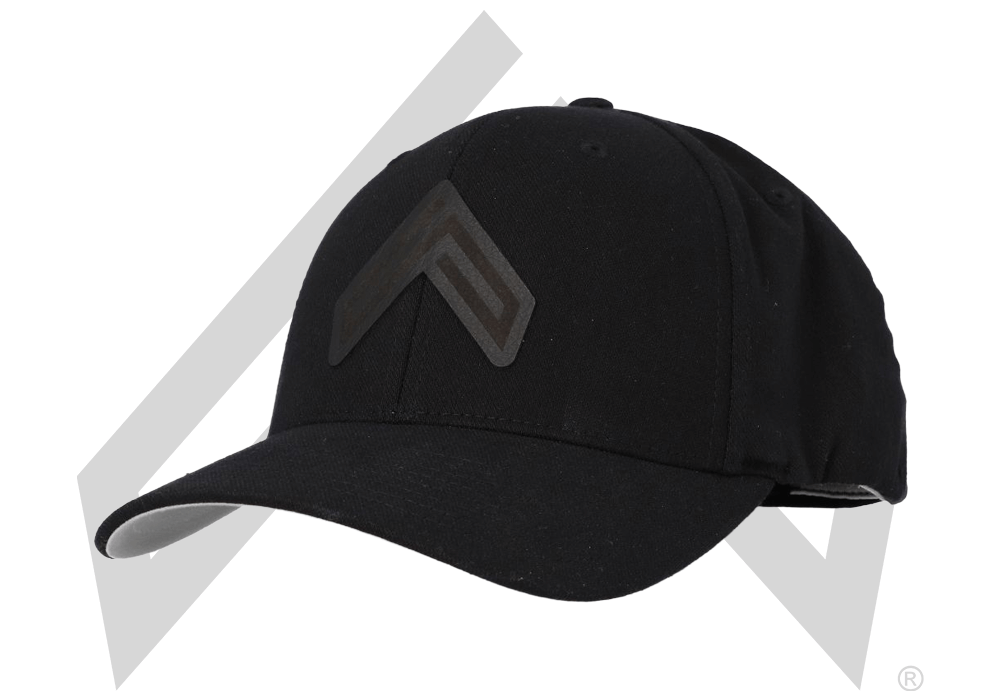
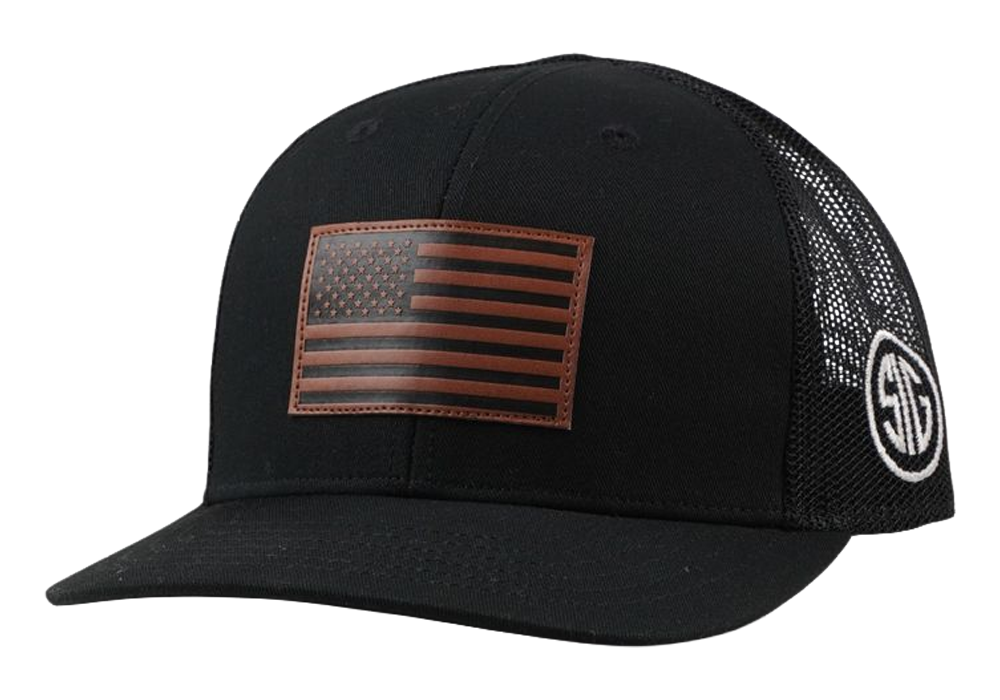
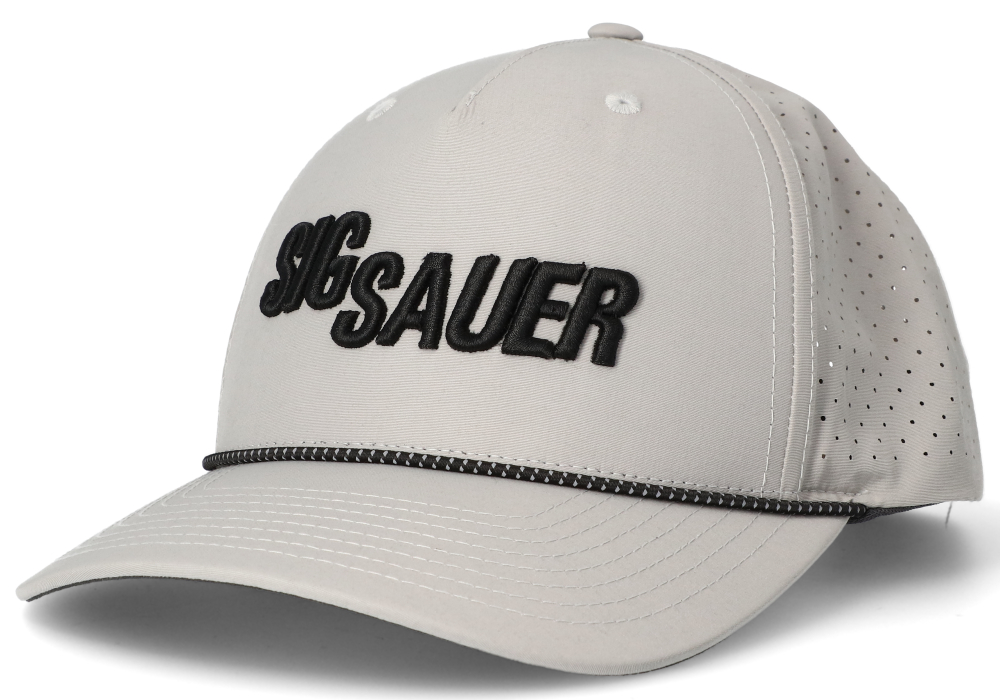
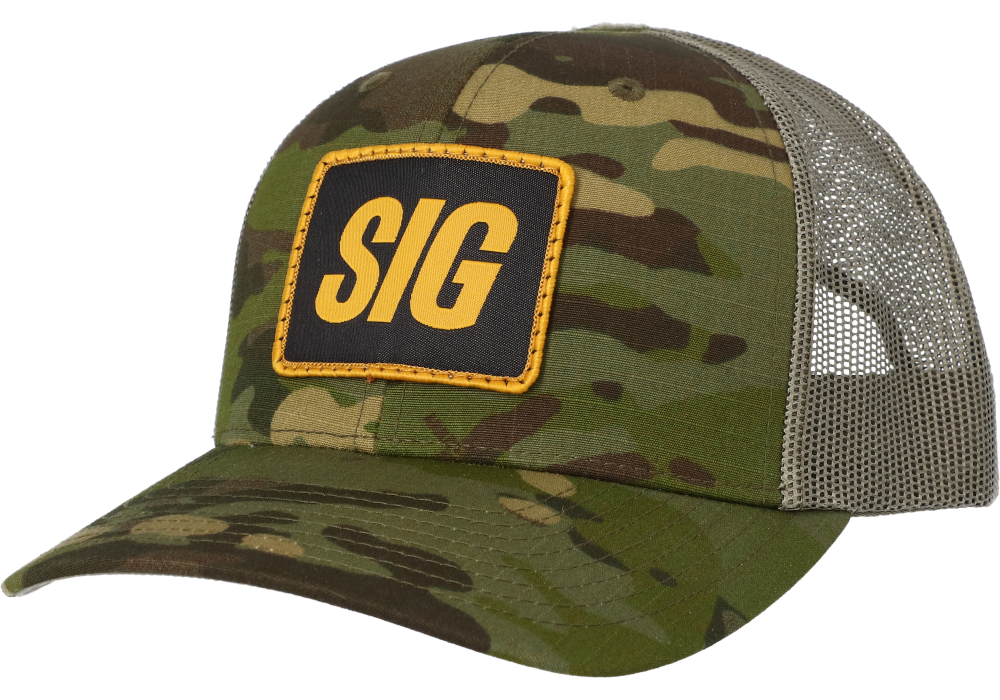
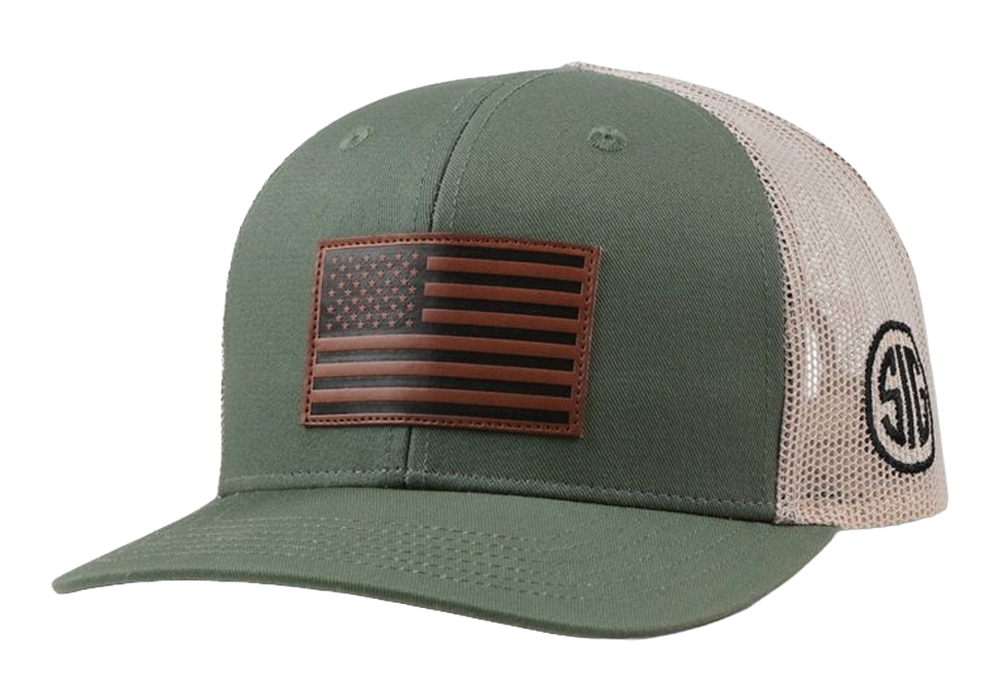
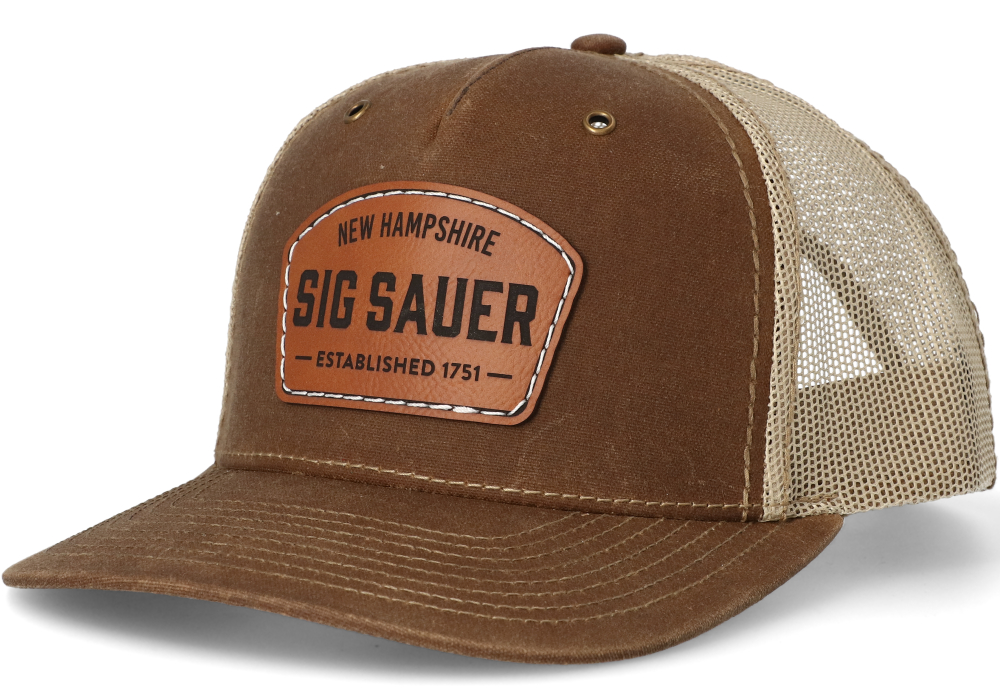
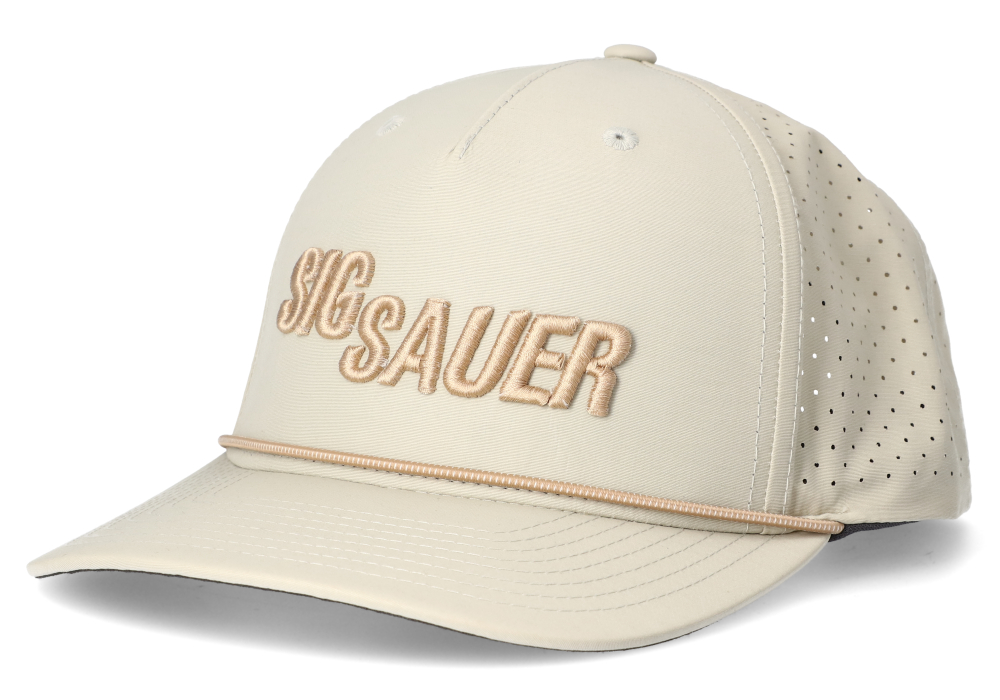
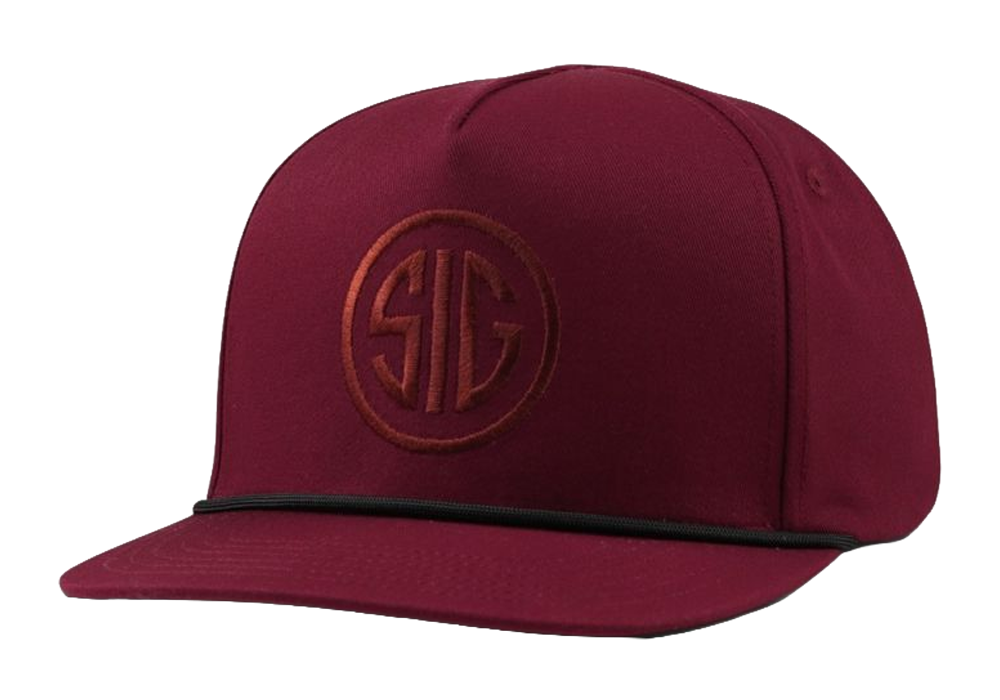
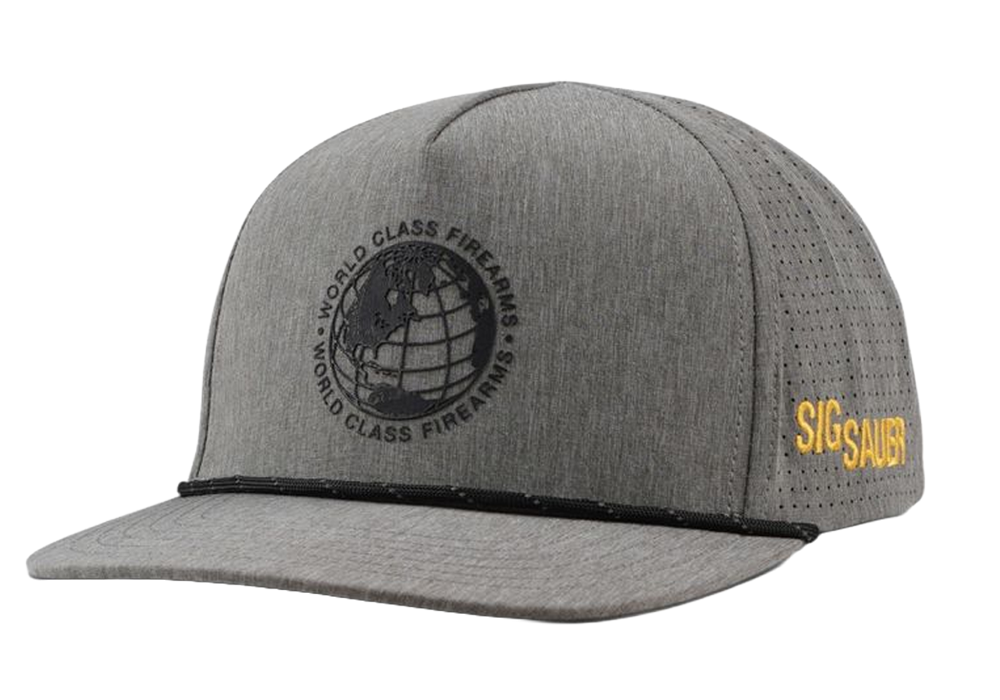
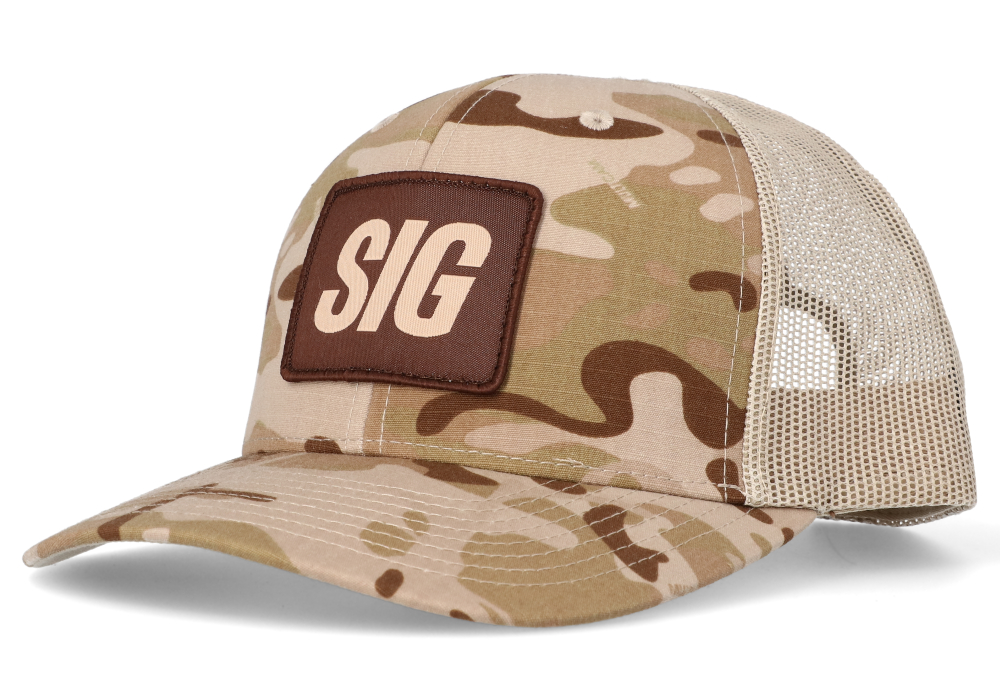
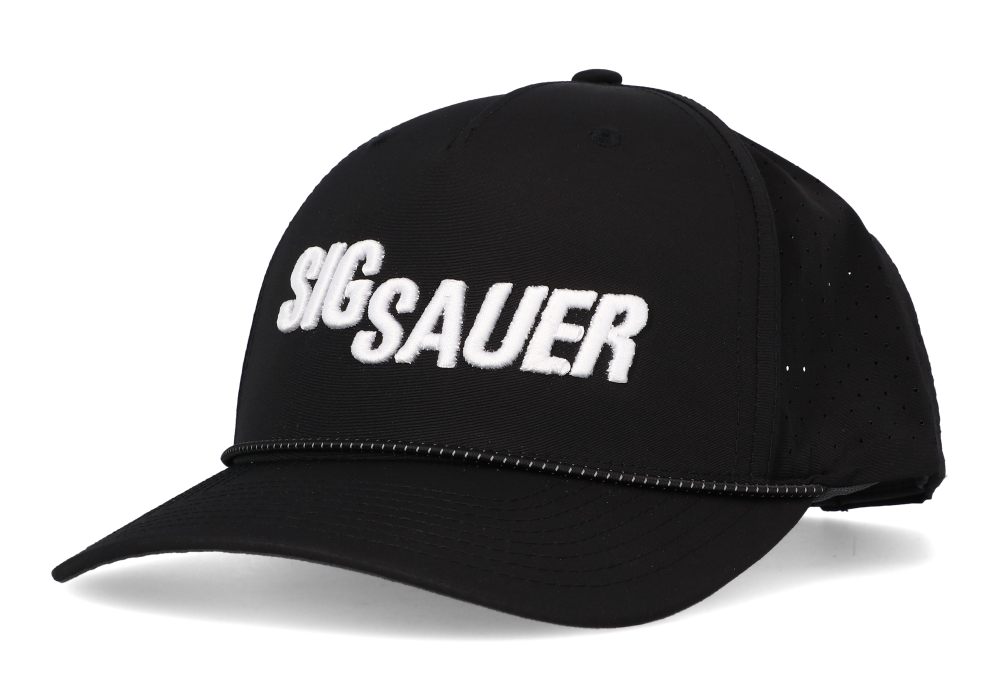
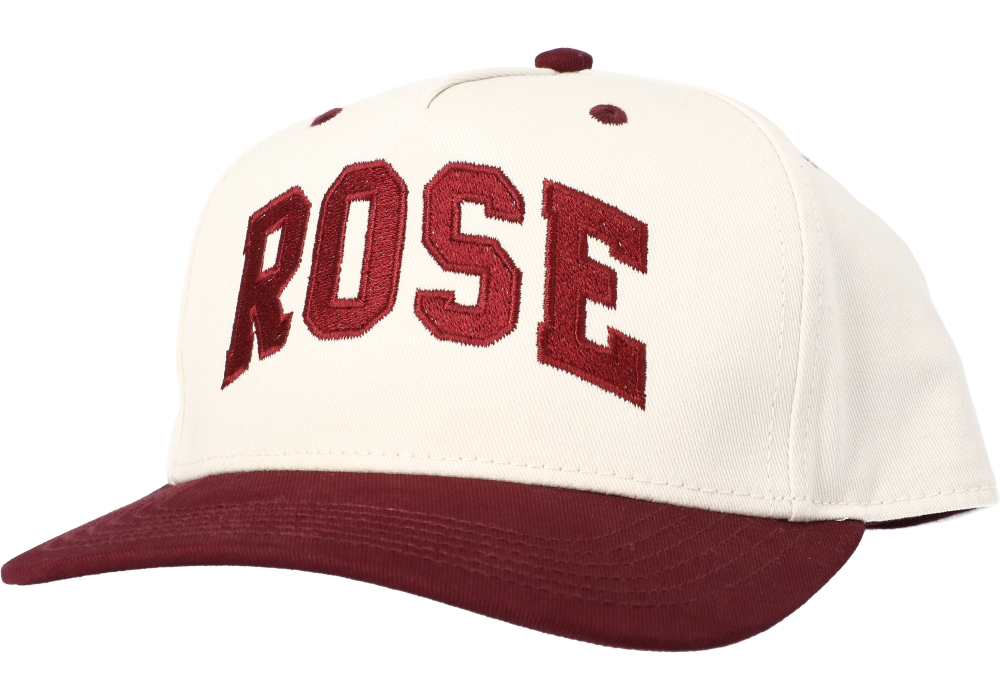
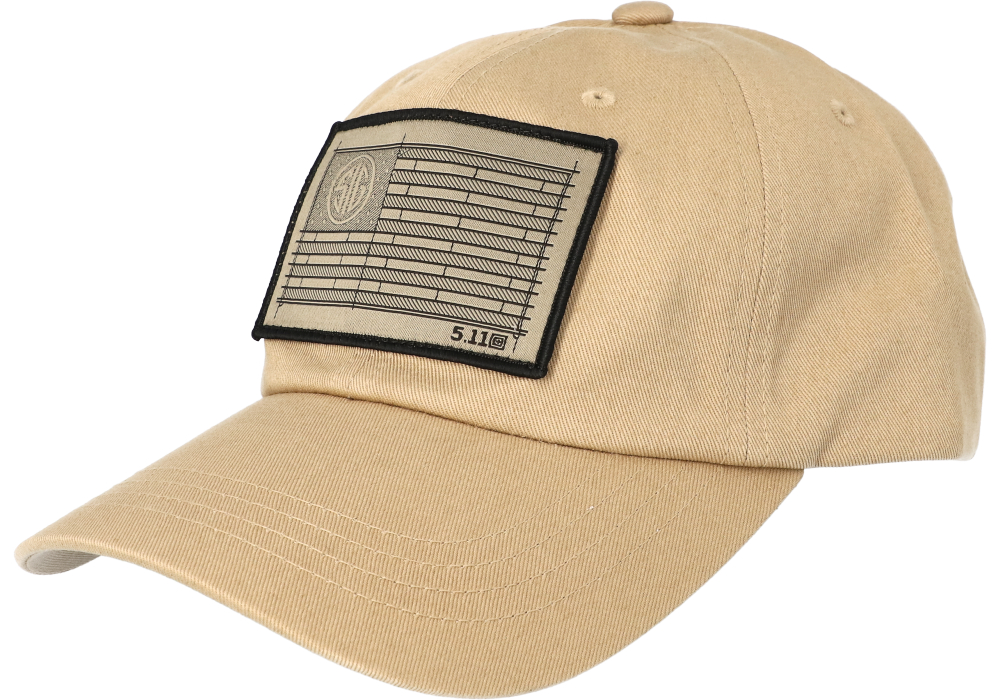
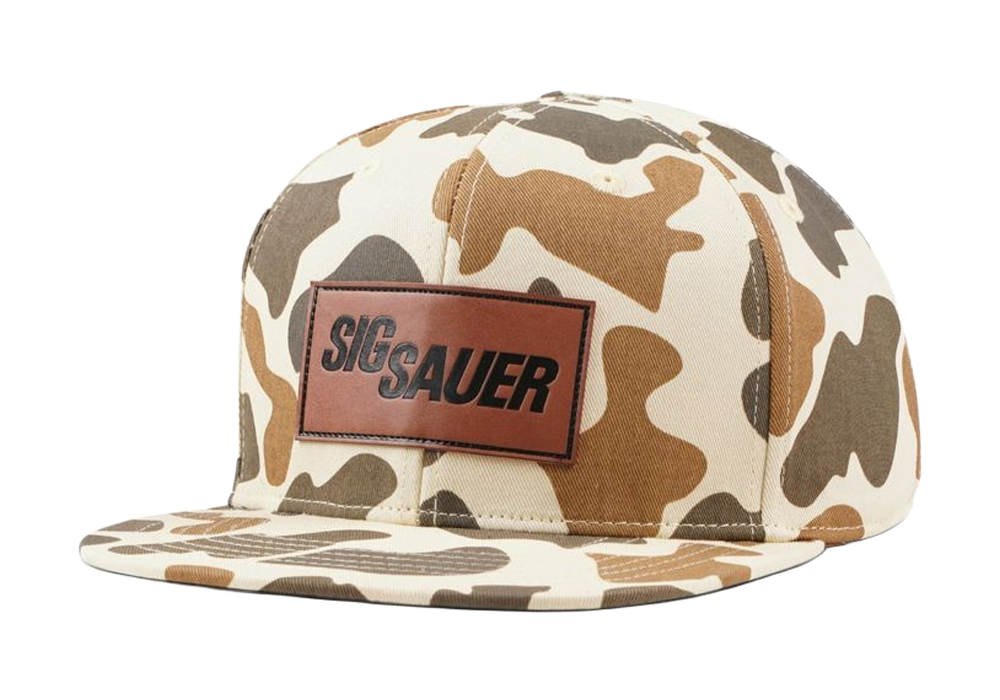
Everyday hats are casual headwear designed for regular use, with an emphasis on comfortable fit, practical construction, and a style that works with familiar clothing. A dependable hat can become as much a part of getting dressed as a favorite pair of jeans: easy to reach for before an errand, comfortable on a long drive, and appropriate for a relaxed afternoon with friends. Baseball caps, trucker-style hats, and other casual silhouettes each bring a different shape and feel to that routine. A structured crown holds a more defined profile, while an unstructured crown settles closer to the head and has a softer appearance. Neither is inherently better; the distinction often comes down to how someone likes a hat to sit and how much shape they want it to retain between wears. Crown depth matters just as much as the outline. A shallow cap may sit above the ears with a compact profile, whereas a deeper crown offers more coverage around the head. Brim shape also changes the look and feel, from a pronounced curve that frames the face to a flatter profile with a broader visual line. Neutral colors are easy to pair with a T-shirt, sweatshirt, or casual button-front shirt, while contrasting panels and visible stitching can give a simple outfit a distinct focal point. A small embroidered detail feels different from a large front patch, especially on a crown with limited space. For people who prefer an understated look, the scale and placement of decoration can matter more than the color itself. The most useful everyday hat is not necessarily the most distinctive one. It is the one that sits comfortably, fits naturally into a regular wardrobe, and does not need constant adjustment while carrying groceries, walking the dog, or meeting someone for lunch.
Materials and interior details have a direct effect on how an everyday hat feels after several hours. Cotton twill is a familiar choice for its soft hand and diagonal weave, with enough body to give a casual cap a substantial feel without requiring a rigid crown. Polyester fabrics can offer useful resistance to stretching and abrasion, although performance varies with the fabric weight, weave, and overall construction. Blended fabrics balance different characteristics, so fiber content is best considered alongside the feel of the finished hat rather than as a guarantee of comfort or durability. Mesh panels create a more open construction, while solid panels give the crown a continuous surface and a different degree of structure. Inside, the sweatband is the part most likely to stay in contact with the forehead, making its texture, seams, and placement especially important. A rough edge or bulky seam can become distracting even when the rest of the hat feels right. Adjustable closures offer flexibility, but they differ in how they sit against the back of the head. A fabric strap can allow small fit changes; a snap closure uses set positions; and a buckle adds hardware that may be noticeable against a vehicle headrest. Fitted styles depend more closely on accurate sizing, while stretch-fit designs rely on both the stated size range and the flexibility of the band. A secure fit should stay in place during ordinary movement without leaving persistent pressure across the forehead. Checking head circumference against the relevant size chart is more reliable than assuming every cap with the same size label will fit alike. Glasses add another consideration: the sides of the hat should not press the temples into the head, and the brim should sit comfortably above the frame. For range visits, a cap should also work with eye protection and hearing protection without interfering with their fit. That small compatibility check can matter more than a decorative detail once the hat becomes part of a regular routine.
Durability in everyday hats comes from the combined quality of the fabric, stitching, brim, and closure rather than from a single feature. Even seams, neatly finished interior edges, and firmly attached adjustment hardware are useful details to examine in headwear intended for frequent use. The points where the brim joins the crown and where the closure attaches deserve particular attention because they experience repeated handling. Embroidery and patches introduce additional stitching, and the interior finish behind those details can affect comfort as well as appearance. Care should follow the individual care label, since two hats that look similar may have different brim inserts, dyes, or decorative elements. When permitted, gentle spot cleaning with a mild cleaner can address marks around the sweatband or brim without soaking the entire hat. Testing an inconspicuous area first helps identify possible color transfer or changes in the fabric finish. Machine washing, prolonged soaking, and heated drying are not suitable for every construction, so a familiar laundry routine should not take the place of the stated care directions. After cleaning, reshaping the crown and allowing it to dry as directed can help preserve its original profile. Between wears, keeping a structured cap from being crushed beneath a bag or wedged into a crowded drawer protects the shape that gives it its character. Softer hats may pack more easily, but repeated sharp folds can still leave visible creases. These practical differences also matter when choosing a hat as a gift. An adjustable style can simplify sizing for a friend or family member, though the recipient’s preferred crown depth, brim shape, and usual colors remain useful clues. Someone who wears a cap on every errand may appreciate familiar proportions more than an unfamiliar silhouette, while a frequent traveler may value a design that stores neatly with other belongings. Related options can also be explored in the Summer Hats collection. For regular wear, the strongest choice is a hat whose fit, fabric, and care requirements suit the person wearing it—comfortable enough for a full day and straightforward enough to become a familiar favorite.