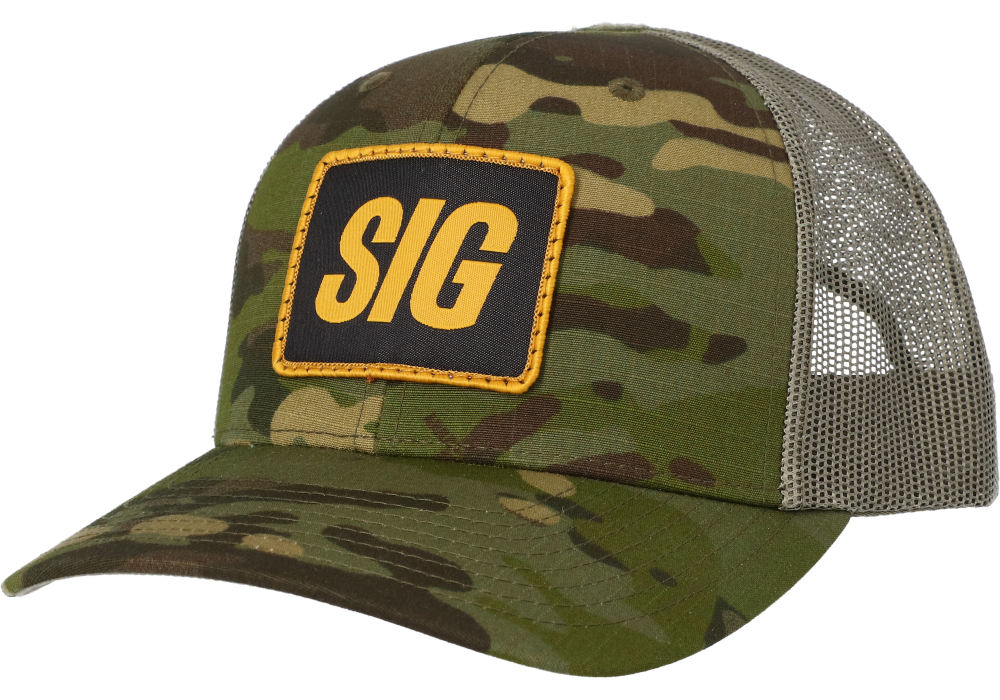
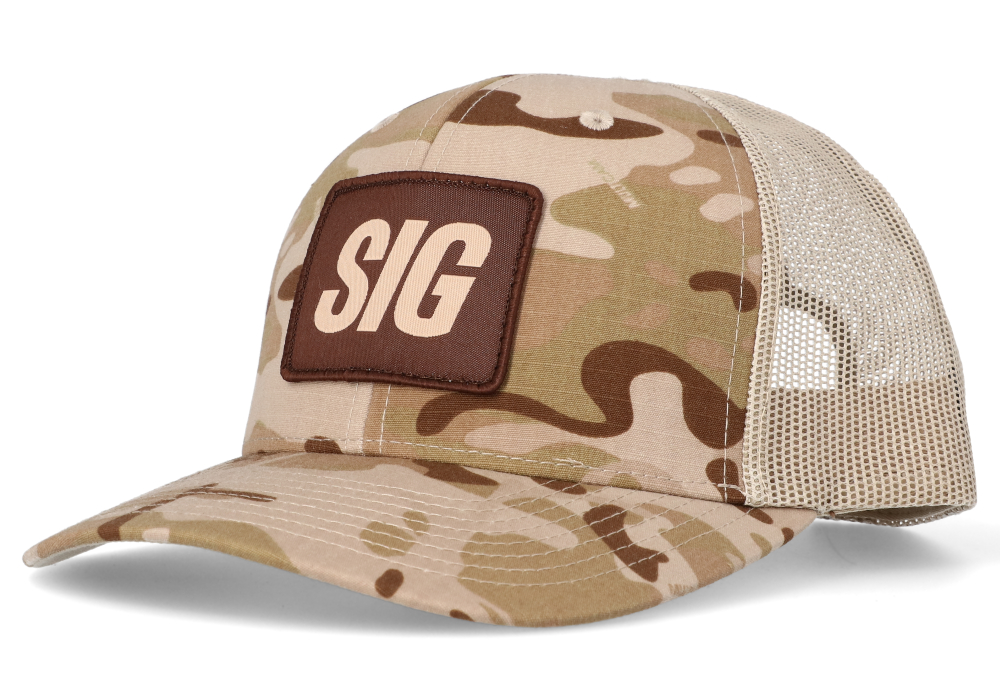
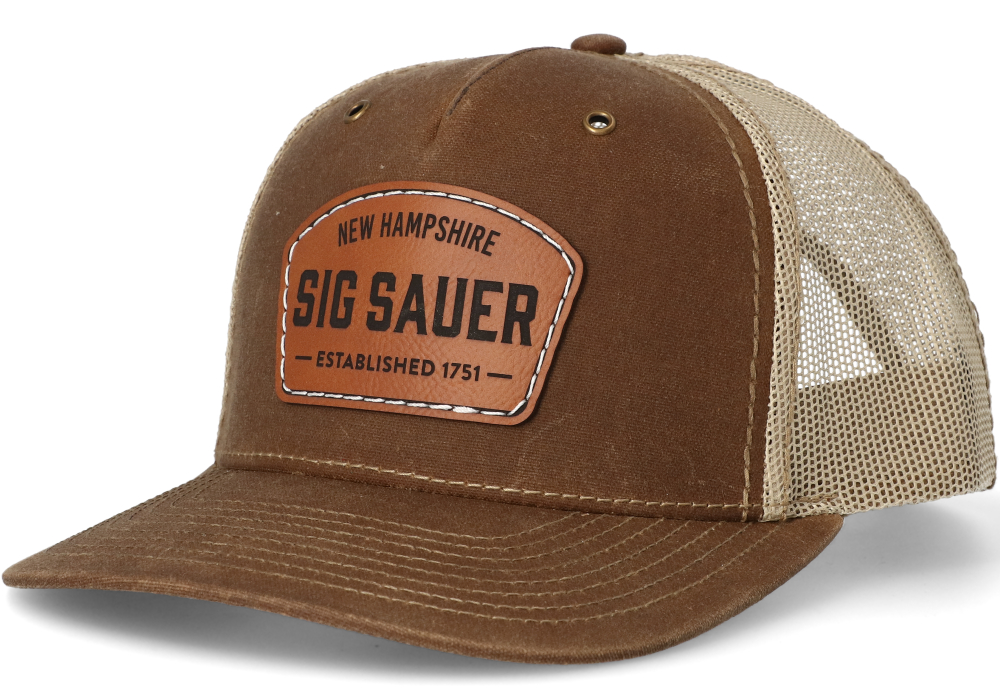
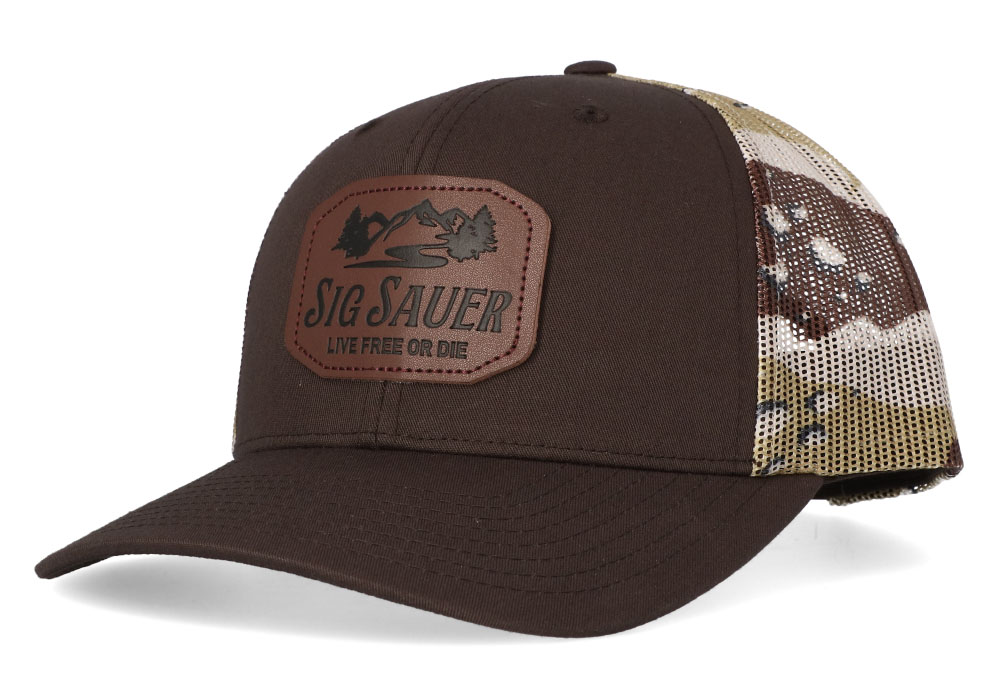
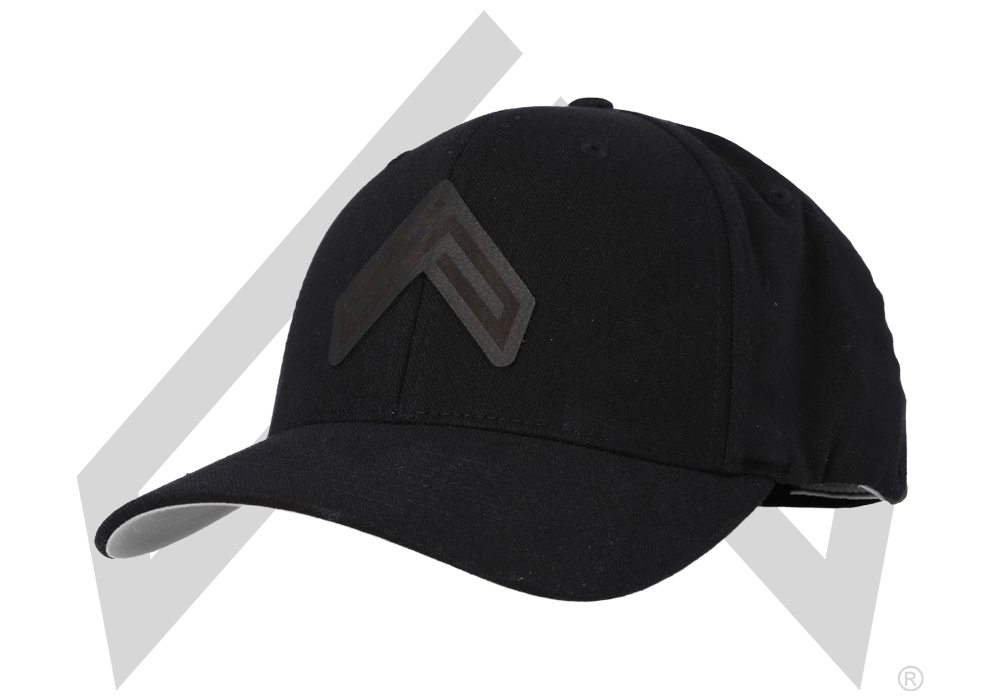
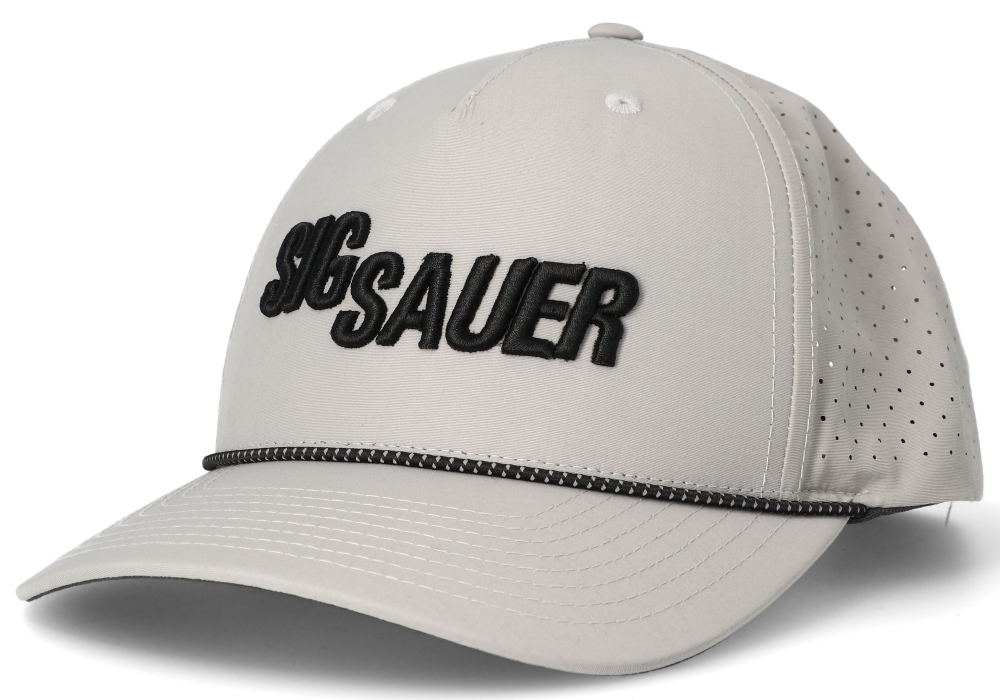
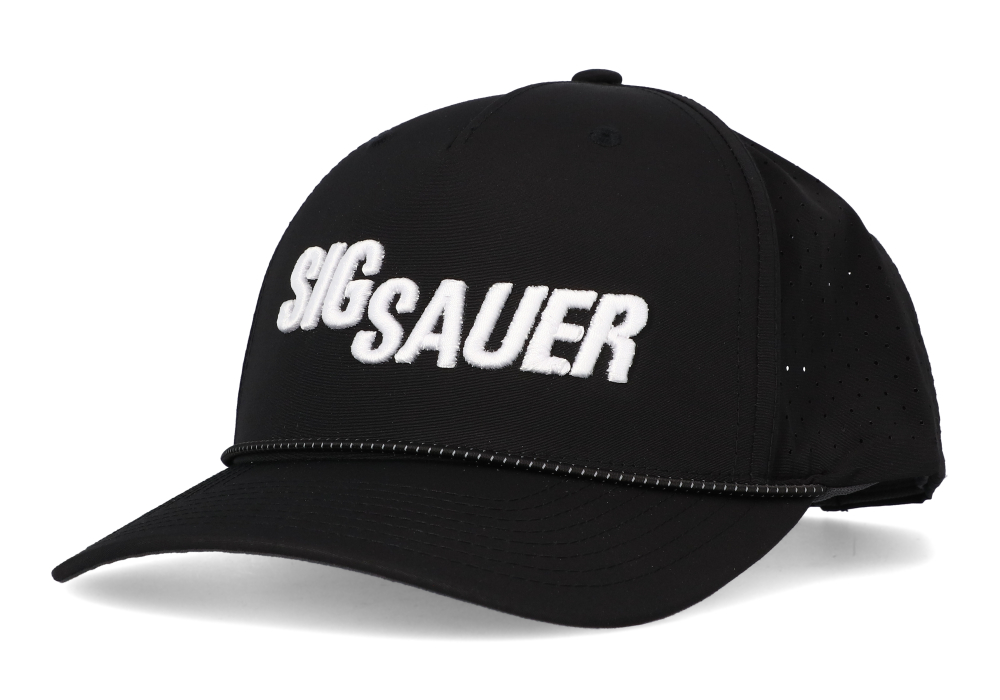
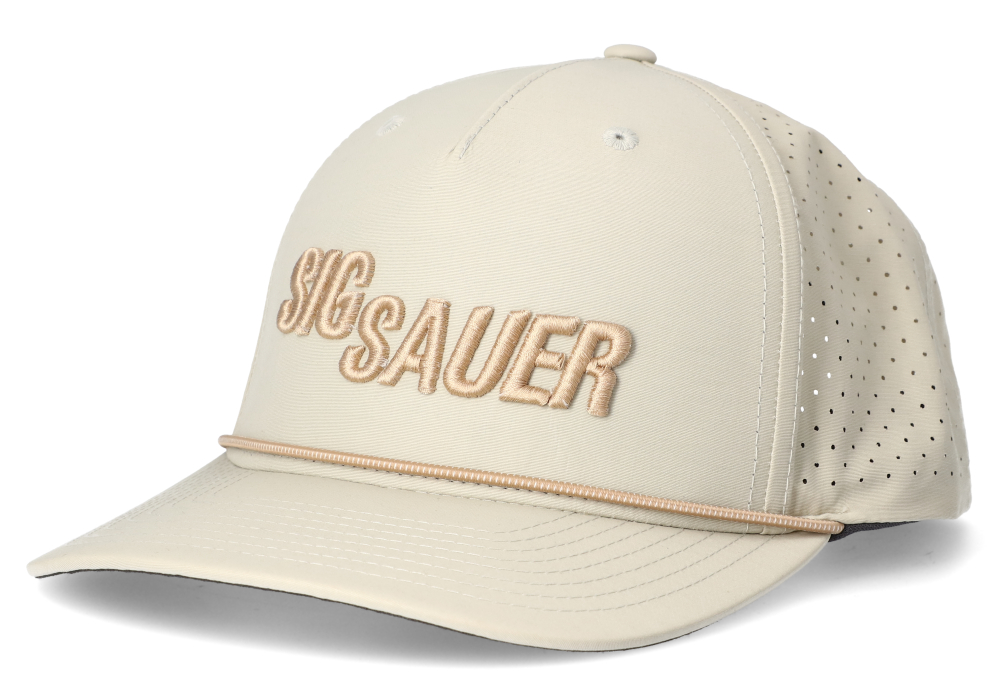
Outdoor hats are practical gear for anyone who spends time beyond paved paths, from weekend hikers and anglers to campers, travelers, gardeners, hunters, and spectators at outdoor events. The right hat can make a long day more comfortable by shading the face and eyes, helping manage heat, and adding a layer of protection when the breeze picks up or light rain moves through. A broad-brimmed design offers more coverage than a traditional baseball cap, particularly around the ears and back of the neck. For general sun protection, look for a brim measuring roughly 3 to 4 inches and extending around the full circumference of the hat. A UPF 50+ fabric is another useful feature; it is rated to block at least 98 percent of ultraviolet rays when the material fully covers the area beneath it. Even during cooler months, exposed skin can receive significant sun at higher elevations, near reflective water, or across open fields, so a hat remains useful well beyond the warmest part of the year. Outdoor hats with neck capes, longer rear brims, or compatible sun flaps can provide additional coverage for people who burn easily or spend hours in direct light. For a more traditional appearance, outback and safari-inspired silhouettes combine a structured crown with a protective brim and can transition easily from a trail to a campsite or casual outdoor gathering.
Comfort and fit deserve as much attention as coverage. A hat that feels fine for a few minutes in a store may become distracting after several hours of walking, casting, or driving, so consider lightweight materials, a soft sweatband, and a crown with enough room for natural airflow. Breathable nylon, polyester, cotton blends, and other quick-drying textiles are popular for active use because they help move moisture away from the skin and dry more readily after mist, sweat, or an unexpected shower. Mesh panels or strategically placed vents can reduce heat buildup, while a water-resistant finish helps shed light precipitation without making the hat feel heavy. In variable conditions, an adjustable chin cord is especially valuable: it keeps the hat secure when a gust moves across a ridgeline, yet can be loosened when walking through sheltered areas. A rear adjustment band or interior drawcord allows a closer fit over short hair, longer hair, or a thin insulating layer. Consider the balance between structure and packability as well. A crushable or foldable hat is convenient in a travel bag, vehicle console, or daypack, while a more structured crown may retain its shape better and provide a defined, classic profile. If a hat will be used around dense brush, fishing tackle, or climbing equipment, avoid loose cords and oversized accessories that can snag. For a colder outing, prioritize a deeper crown, insulating fabric, and ear coverage; for active use during milder weather, ventilation and moisture management may be more important than heavy warmth. Those shopping for trail-focused designs can also browse Hiking Hats for additional outdoor headwear options.
The intended activity should guide the final choice. A wide-brim sun hat is well suited to slow-paced walks, fishing from an exposed bank, paddling, gardening, and long days at a range or outdoor event, where consistent shade matters more than a close-fitting athletic profile. A bucket-style hat offers a softer, casual fit and is easy to stow, making it a convenient choice for travel, camping, and everyday use. A ventilated brim hat with a secure cord is a strong match for hiking, trail work, and sightseeing in windy terrain. For wet or rugged conditions, look for tightly woven fabric, reinforced seams, a durable finish, and a brim that remains useful after repeated handling. Color also has a practical role: lighter shades generally absorb less heat in bright sun, while subdued earth tones blend naturally into outdoor settings and show less dust from trail use. Outdoor hats can make thoughtful gifts for hikers, anglers, campers, birdwatchers, travelers, and anyone who prefers time outside, particularly when the recipient’s usual activities are considered before choosing a style. A frequent traveler may appreciate a packable design, while a dedicated angler may value a secure fit, neck coverage, and quick-drying fabric. Someone who enjoys crisp walks during the cooler months may prefer a warmer, structured hat that works with a jacket and gloves. Before purchasing, check the sizing information, measure around the head where the hat will sit, and think about whether it must fit over hair or an insulating layer. Inspect the brim, closure, sweatband, ventilation, and care instructions as carefully as the appearance. With thoughtful selection, an outdoor hat becomes a dependable part of a kit—easy to reach for when the trail opens into bright sun, a breeze crosses the water, or a comfortable layer of protection makes an entire day outside more enjoyable.