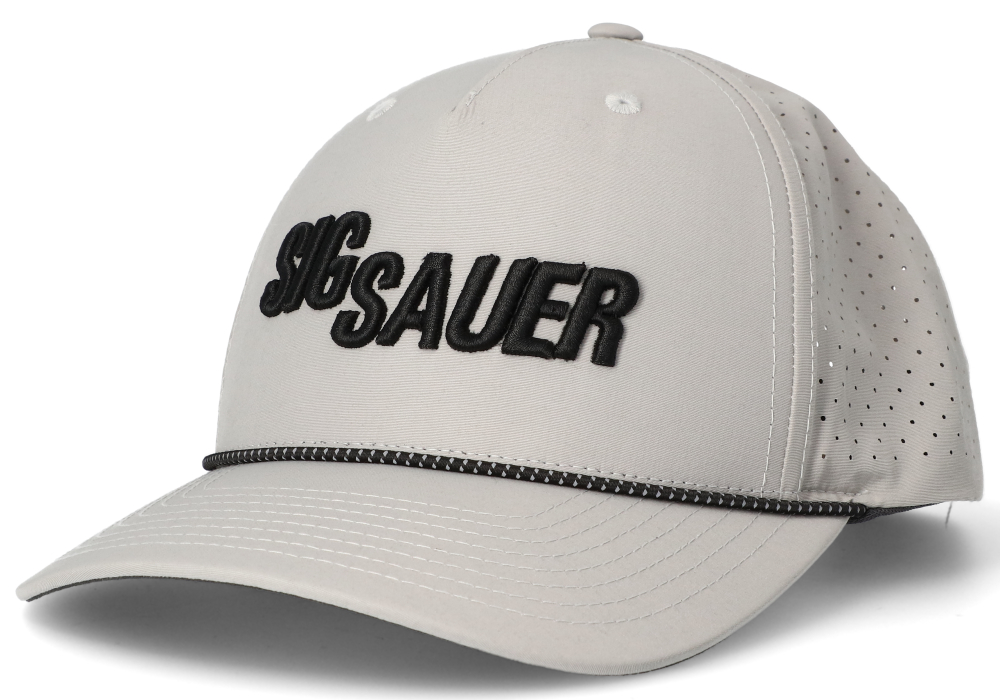
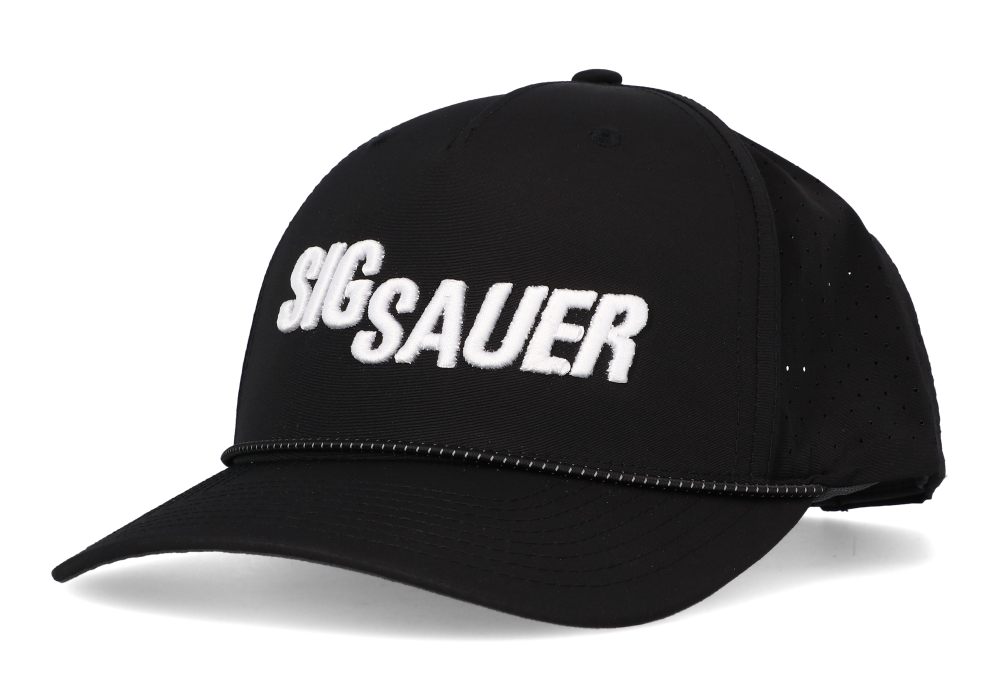
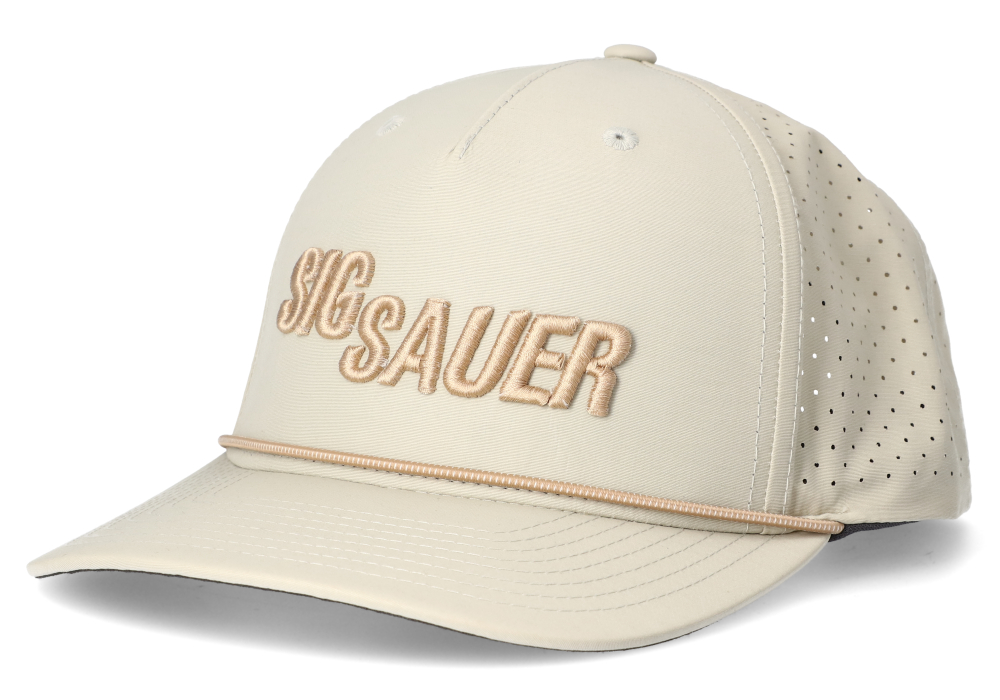
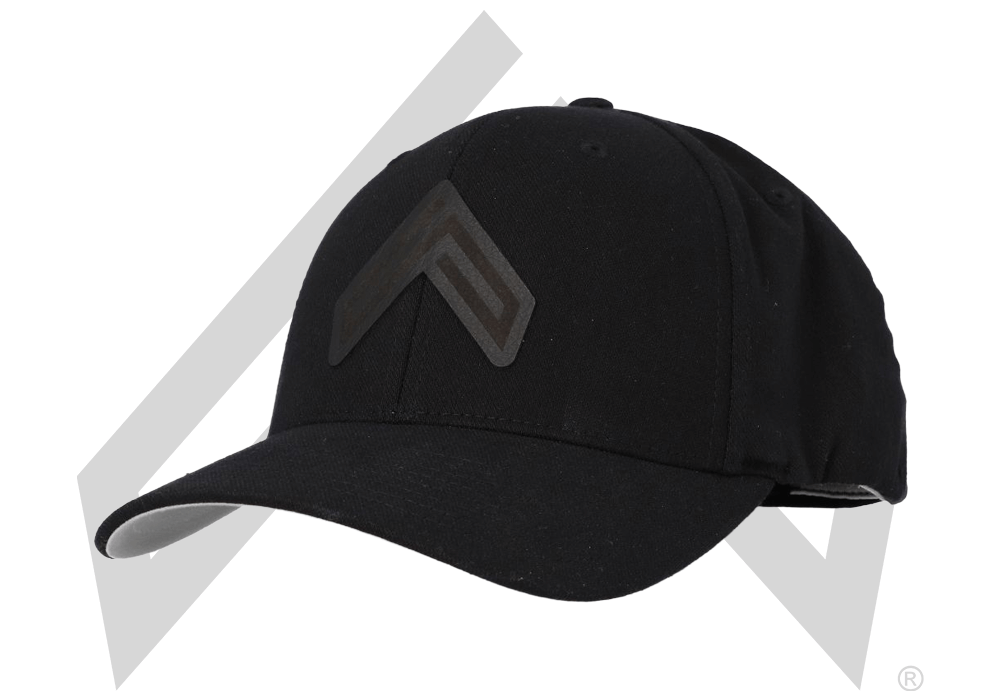
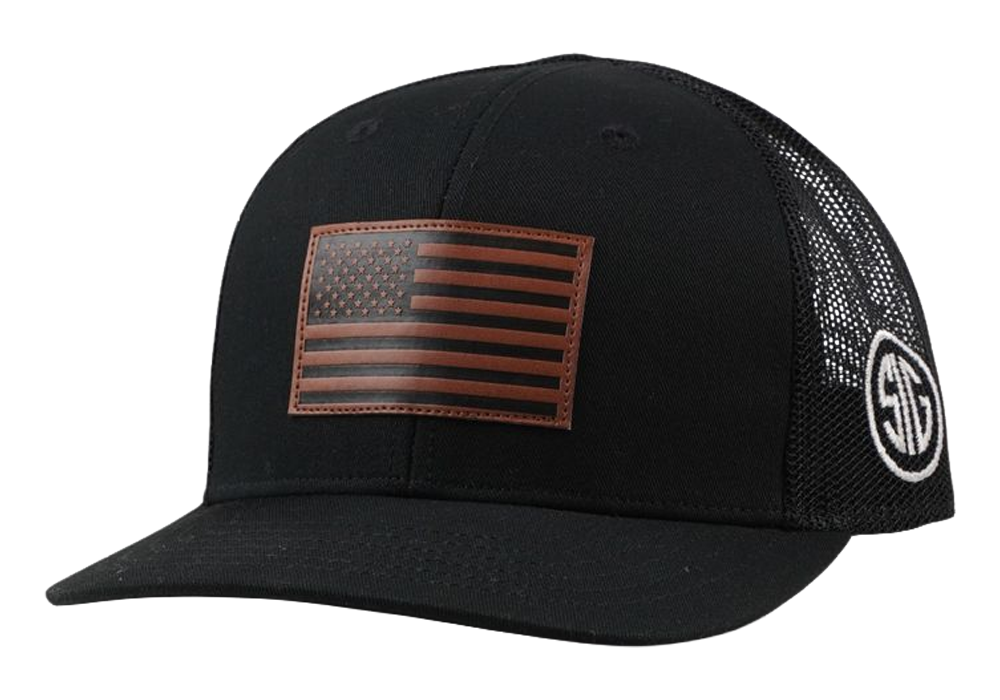
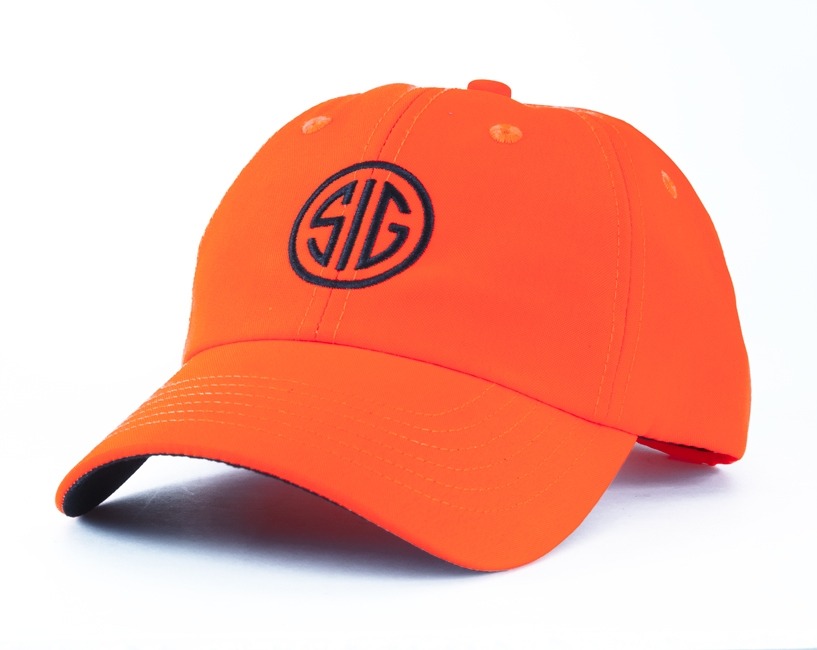
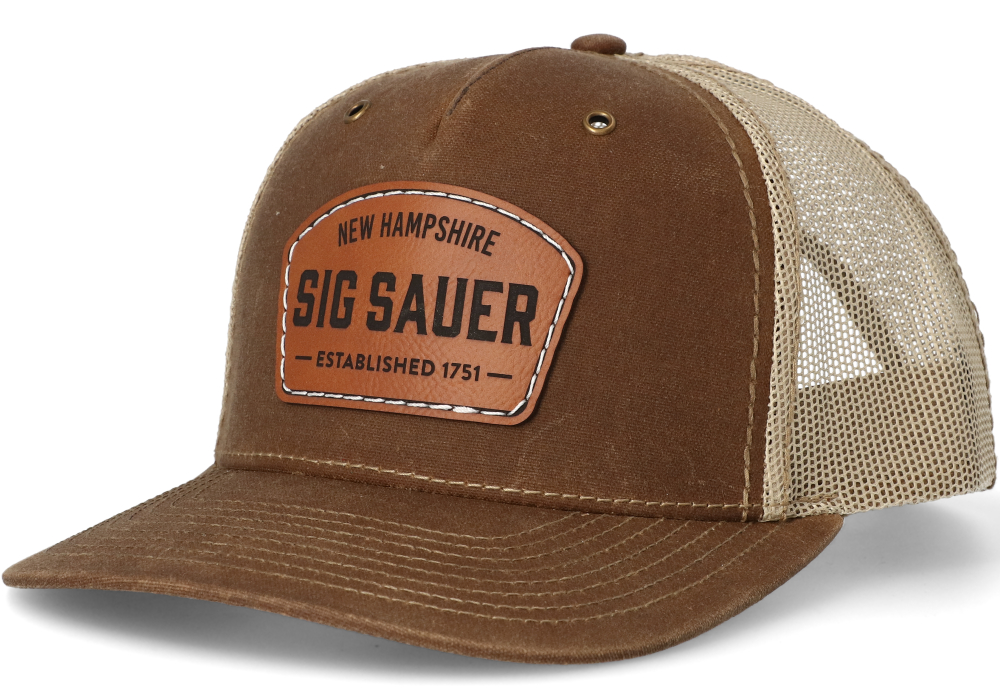
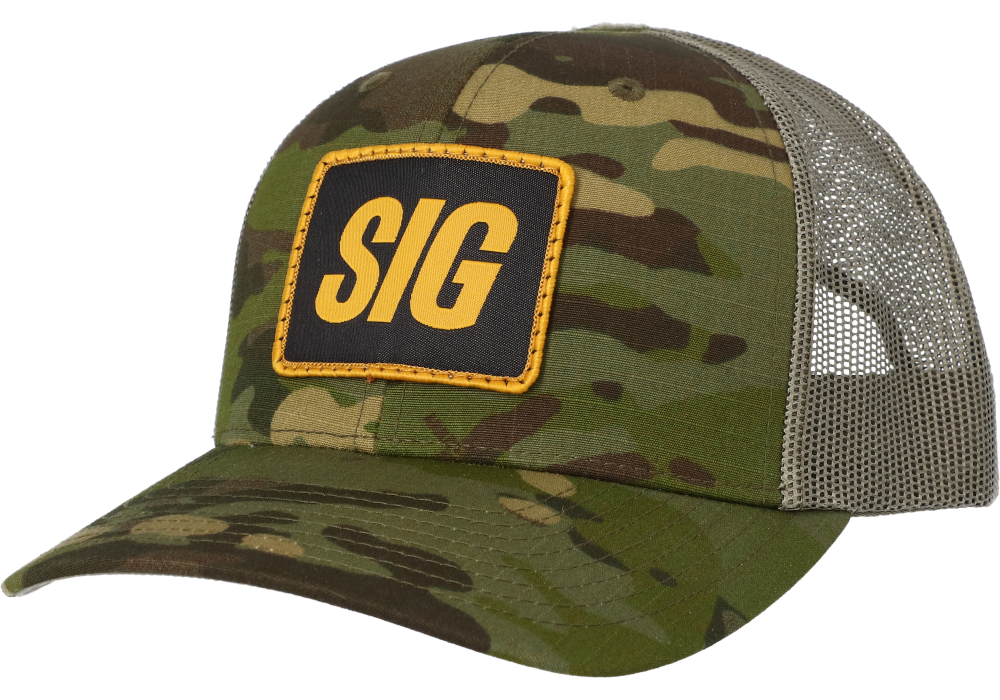
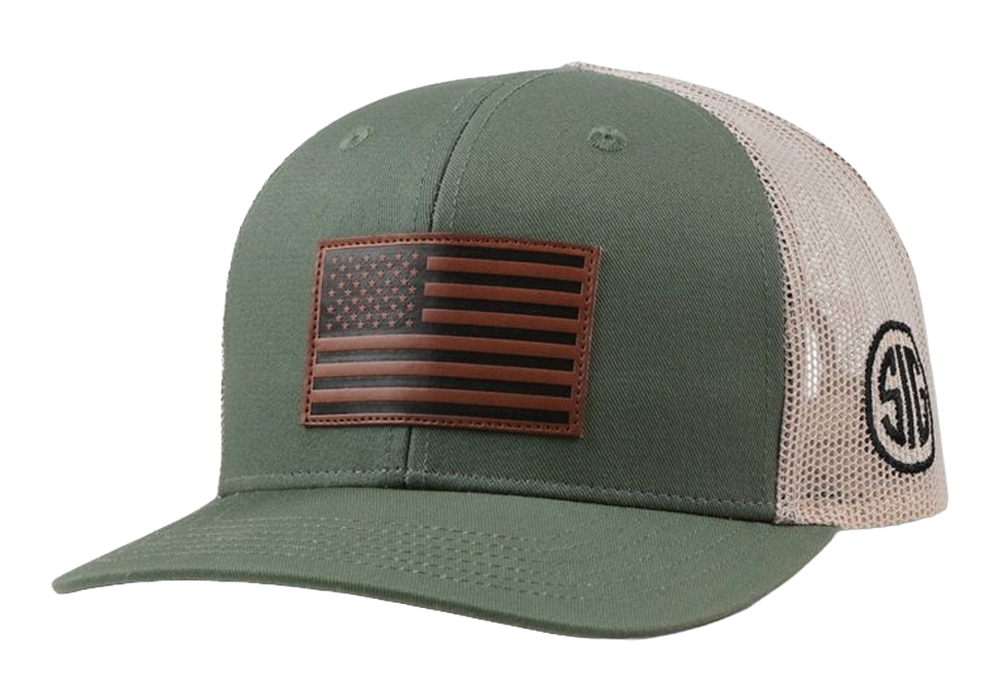
Hiking hats bring a practical finishing touch to trail clothing, balancing comfortable coverage with a fit that stays settled through miles of movement. On a narrow path, a rocky overlook, or a long stretch of switchbacks, headwear should feel like part of the outfit rather than another piece of equipment to manage. A brim can help shade the face and reduce distracting glare, while the shape of the crown influences how the hat sits against the forehead and around the ears. A curved front bill offers a familiar profile with an open view to either side; a brim that extends around the crown provides a different pattern of coverage. Neither shape suits every hiker or every route. Someone who frequently looks upward on steep terrain may prefer a profile that leaves more room above the eyes, while a photographer may appreciate a flexible brim that moves out of the way of a camera. Fit matters just as much as silhouette. A secure hat should stay in place without leaving a tight band across the forehead or creating pressure at the temples. Adjustable closures can accommodate small fit changes, including different hairstyles, but the adjustment range and crown depth both affect comfort. A shallow crown sits differently from a deeper one, even when the circumference is similar. For hikers who wear glasses, the relationship between the temples, sweatband, and edge of the hat deserves attention, especially on longer outings. Backpack compatibility matters, too: a rear brim or closure that repeatedly catches a tall pack can become distracting with every uphill step. Thoughtful proportions let a hiking hat work quietly in the background, leaving attention on foot placement, trail markers, and the view ahead. The result is headwear that earns its place through comfort and usefulness, whether the outing is a short loop near home or a full day spent following a ridgeline.
Fabric gives a hiking hat much of its character, from the feel against the skin to the way it handles repeated packing and wear. Cotton generally offers a familiar, soft hand, while nylon and polyester are often selected for their relatively low weight and ability to dry efficiently after absorbing perspiration. Blended fabrics can combine different qualities, so fiber content alone does not tell the whole story. Fabric weight, weave, lining, and construction all influence how a hat feels during steady movement. Mesh panels allow more airflow through the crown, although an open panel does not provide the same coverage as solid fabric. An interior sweatband can help manage moisture along the forehead, and smooth seams reduce the chance of an irritating edge becoming noticeable several miles into a walk. Structure is another useful distinction. A firmer front panel maintains a defined profile, while a less structured crown can be easier to tuck into a pack pocket. Packability should still match the construction: a brim designed to hold a particular curve may not respond well to being tightly folded beneath other gear. Durability often comes down to details that are easy to overlook, including reinforced stitching at adjustment points, neatly finished interior edges, and a closure that operates without snagging hair or rubbing the back of the head. Care also contributes to a longer useful life. The care label is the best reference for washing, since different fabrics, trims, and brim materials tolerate cleaning differently. Where permitted, gentle cleaning can remove the perspiration and trail dust that collect around the inner band. Thorough drying before storage helps keep the interior comfortable for the next outing, while storing a hat without unnecessary compression helps preserve its shape. Abrasive scrubbing, aggressive twisting, or cleaning methods that suit a plain fabric shirt may be unsuitable for structured headwear. A hat that is easy to maintain can become a dependable companion, gathering the softened feel of regular use without losing the fit that first earned it a place by the door.
The best hiking hat for a particular person reflects how that person actually spends time outside. A casual walker covering familiar park paths may value an uncomplicated fit and a style that transitions easily to a stop in town. Someone who hikes with a camera, binoculars, or trekking poles may place greater importance on a brim that stays out of the way during repeated changes in posture. For longer routes, small comfort details become more noticeable: a rough seam, an awkward buckle, or a bill that touches a pack can seem minor at the trailhead and persistent several hours later. Low-profile hardware and a closure that is simple to adjust can make headwear easier to live with, particularly when it is removed and put back on throughout the day. Appearance matters as well, since a hat that feels natural with everyday clothing is more likely to see regular use. Subtle colors, restrained detailing, and a familiar silhouette can move comfortably between trail outings, campground tasks, neighborhood walks, and travel days. Those same qualities can make hiking hats thoughtful gifts for people who enjoy walking, exploring local trails, or planning their next outdoor trip. Adjustable sizing can offer some flexibility when giving headwear, but crown shape, preferred coverage, and the recipient’s usual style remain worth considering. A hat can also be part of a coordinated approach to trail essentials rather than an isolated accessory; the broader Gear For Hikers theme connects naturally with clothing and equipment selected for comfortable movement and practical organization. What matters most is the way the pieces work together. Headwear that sits comfortably with eyewear, clears a backpack, and packs without unnecessary fuss supports a more seamless outing. From the first steps away from the trailhead to the walk back after a well-earned break, a dependable hiking hat offers familiar comfort without demanding much attention.