Gear for hikers supports the practical needs of moving on foot: carrying water, finding the route, keeping essentials organized, and staying comfortable over the miles. A short day hike generally calls for a manageable pack with hydration, navigation, food, illumination, and basic first-aid supplies, while an overnight trip adds shelter, a sleep system, and more provisions. The difference is not simply how much equipment comes along, but how that equipment carries and works together. Extra weight becomes noticeable on sustained climbs, and a poorly positioned strap can become distracting long before the trail ends. Useful hiking equipment balances weight, durability, access, and fit rather than relying on a single feature to do everything. A compact setup can suit a familiar loop near town, while a longer route with limited access points calls for more self-sufficiency and room for essentials. Pack fit depends on torso length, harness adjustment, and how the load rests against the body, not just the dimensions printed on a label. Shoulder straps should sit without pressing into the neck, and a supportive hip belt can help transfer weight away from the shoulders when the pack is designed for it. Stable carrying matters when stepping over roots, climbing rock stairs, or bending to check a trail marker. Storage layout is equally practical: water, a map, and frequently used supplies are easier to manage when they have consistent, accessible places. Footwear and clothing also influence how comfortable that system feels, especially where pack straps meet seams or fabric bunches beneath a belt. For hikers who cover different distances, versatile equipment can bridge a quick outing and a full day without unnecessary bulk. The most useful combination reflects the length of the route, its terrain, the distance from assistance, and the person carrying it. That makes hiking gear a matter of matching function to the outing rather than assembling the largest possible load.
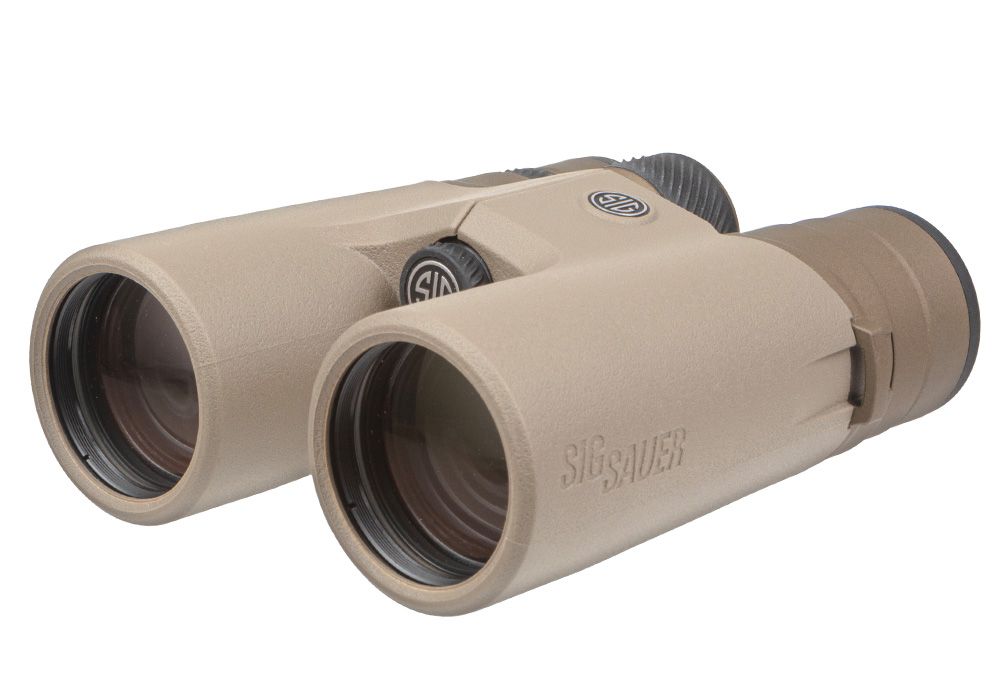
Materials and construction determine how well hiking equipment stands up to repeated contact with stone, bark, trail dust, and the inside of a crowded pack. Nylon and polyester are common choices for soft goods because they offer useful combinations of strength, weight, and ease of care. Ripstop construction can help limit the spread of a small tear, though fabric weight, weave, stitching, and reinforcement all contribute to durability. A heavier fabric is not automatically the better choice for every application; reinforcement is especially valuable around pack bases, attachment points, and other areas that see concentrated wear. Smooth zipper operation, secure buckles, and neatly finished seams often matter more in everyday use than a long list of features. Clothing benefits from seams that sit comfortably beneath shoulder straps and enough freedom of movement for a high step onto a ledge. Stretch can improve mobility, while abrasion resistance helps where fabric brushes against rough surfaces. Moisture management is relevant to exertion, with breathable fabrics and suitable base layers helping handle perspiration during a steady climb. Carrying accessories work best when their attachment systems match the straps or belts they will actually connect to; an uncertain fit can create movement, rubbing, or awkward access. For hikers who enjoy observing distant details, compact optics offer another way to engage with the landscape, whether identifying a bird across a clearing or studying a ridgeline. Optical clarity, field of view, focusing controls, and carrying comfort are useful considerations alongside overall size. Illumination serves a different purpose, supporting visibility when an outing extends beyond daylight. Straightforward controls, secure positioning, and a suitable power source are practical attributes when hands are occupied. Across these categories, thoughtful design shows up in small interactions: a buckle that adjusts without a struggle, a pocket that opens without unpacking everything, or a strap end that stays contained instead of catching on brush. Those details help equipment feel less intrusive over a long stretch of trail.
Personal preferences become clearer with repeated use, which is why gear for hikers can suit newcomers, regular day hikers, backpackers, and people choosing a thoughtful gift for someone who spends time on trails. A person who enjoys pausing at overlooks may value comfortable access to observation equipment, while someone covering long distances may prioritize low weight and a stable carry. A hiker who often travels with companions may organize shared essentials differently from someone walking alone. Gift selection benefits from that same attention to habits. Familiarity with the recipient’s usual outings, existing equipment, and sizing preferences is more useful than assuming every hiker needs the same setup. Wearable gear is particularly personal, while accessories still require consideration of dimensions, attachment compatibility, and intended use. Broader Outdoor Gear can also complement hiking equipment when its design suits the demands of foot travel. Whatever the combination, regular care helps preserve function and makes wear easier to notice. Trail dust left in zipper tracks can interfere with smooth operation, while grit around adjustment hardware can make a strap harder to tighten. Cleaning methods should match the material and the manufacturer’s care directions, especially for coated fabrics, optical surfaces, and components with specialized finishes. Equipment that has been cleaned should dry fully before storage, and straps, seams, fasteners, and attachment points benefit from periodic inspection. Electronics need attention to power-source condition and storage guidance, while hydration equipment requires thorough cleaning of the surfaces and passages that contact drinking water. Keeping frequently used essentials in familiar places also makes it easier to notice when something needs attention before the next outing. Reliable hiking equipment does not replace route awareness, sound judgment, or familiarity with its operation. Its value is practical: a balanced pack on a rocky descent, an accessible drink during a sustained climb, and controls that remain easy to use when attention belongs on the trail. Well-chosen gear supports those ordinary moments without becoming the focus of the hike.