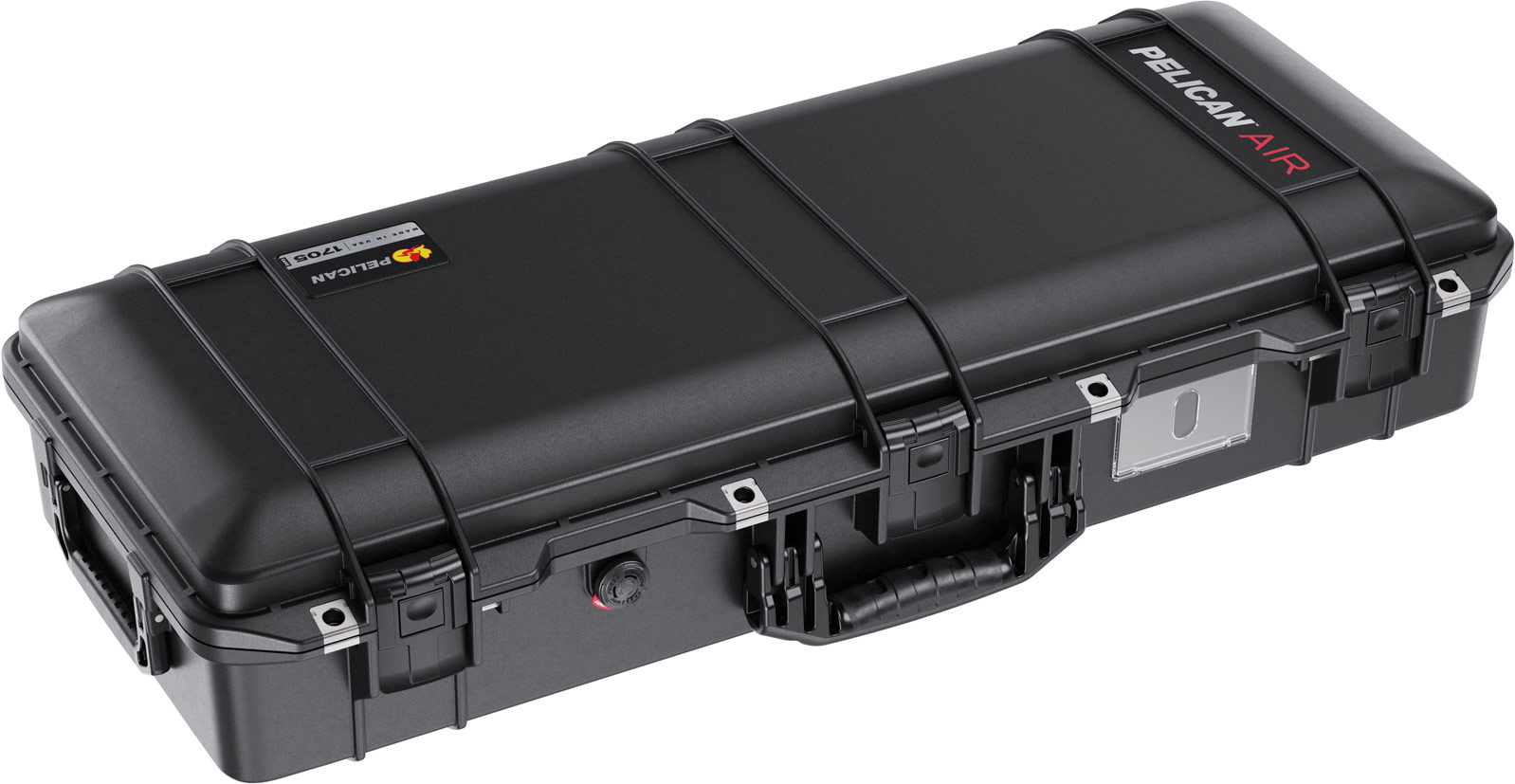
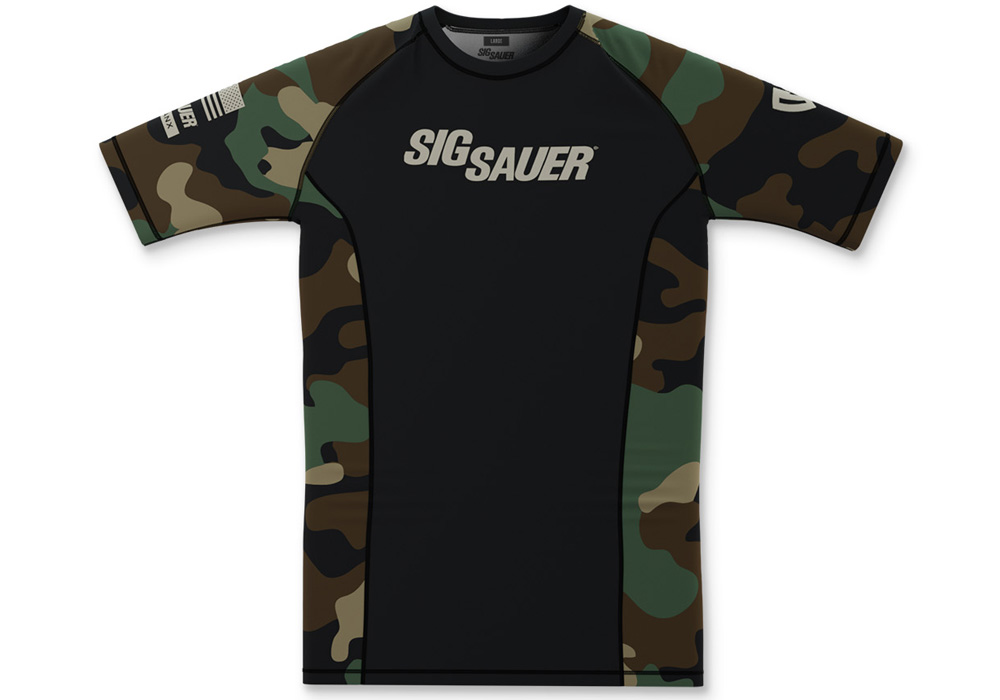
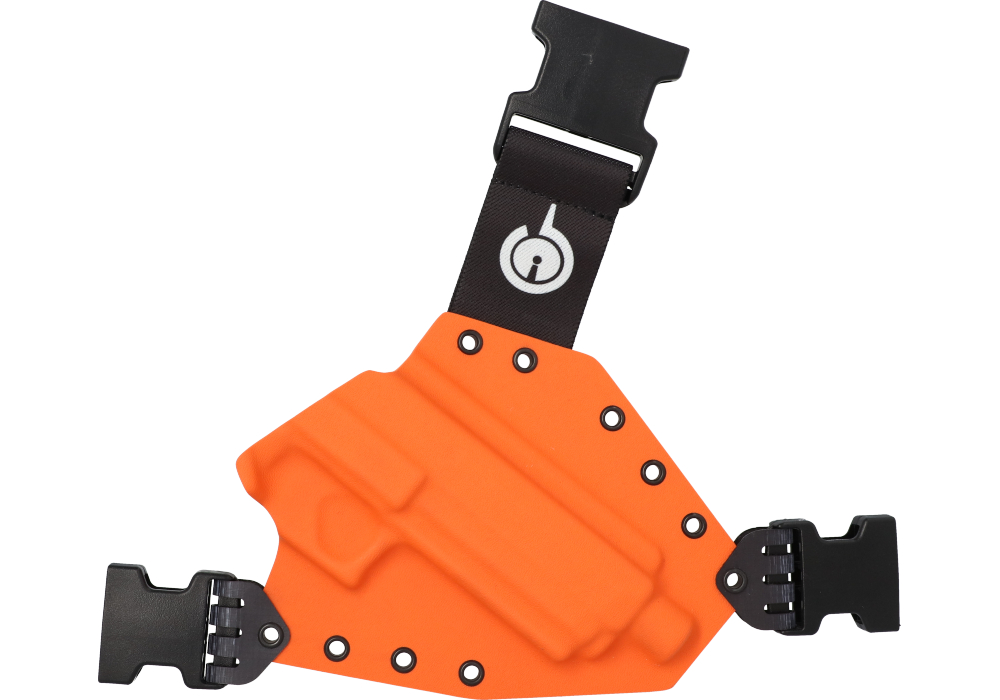
Outdoor gear helps turn time outside into a more comfortable, organized, and capable experience, whether the plan is a day on the trail, a weekend at camp, or a quiet morning spent watching the landscape come alive. The right equipment supports the basics first: staying dry, carrying essentials, finding your way, resting well, and responding to changing conditions. Weather-appropriate clothing is a practical starting point, with adaptable layers that can be added or removed as temperatures shift. A moisture-managing base layer, insulating mid layer, and protective outer layer can make a noticeable difference when cool air settles in or a passing shower moves across the trail. Durable pants, gloves, hats, and sturdy footwear also deserve attention, especially for uneven ground, wet grass, loose rock, or long stretches of walking. For shelter and overnight trips, camping gear such as tents, sleeping bags, sleeping pads, and compact cooking systems should be selected according to the expected conditions, the number of people using them, and the amount of space available for transport. A reliable shelter should provide suitable coverage and ventilation, while a sleeping system should help insulate from the ground and keep rest comfortable through cooler nights. Cooking and hydration equipment can simplify camp routines, allowing hikers and campers to prepare food, heat water, and stay refreshed without carrying unnecessary weight. During the cooler months, small details such as dry storage, extra insulation, and wind protection become increasingly valuable, while breathable materials and sun protection remain important whenever activity picks up and the weather warms.
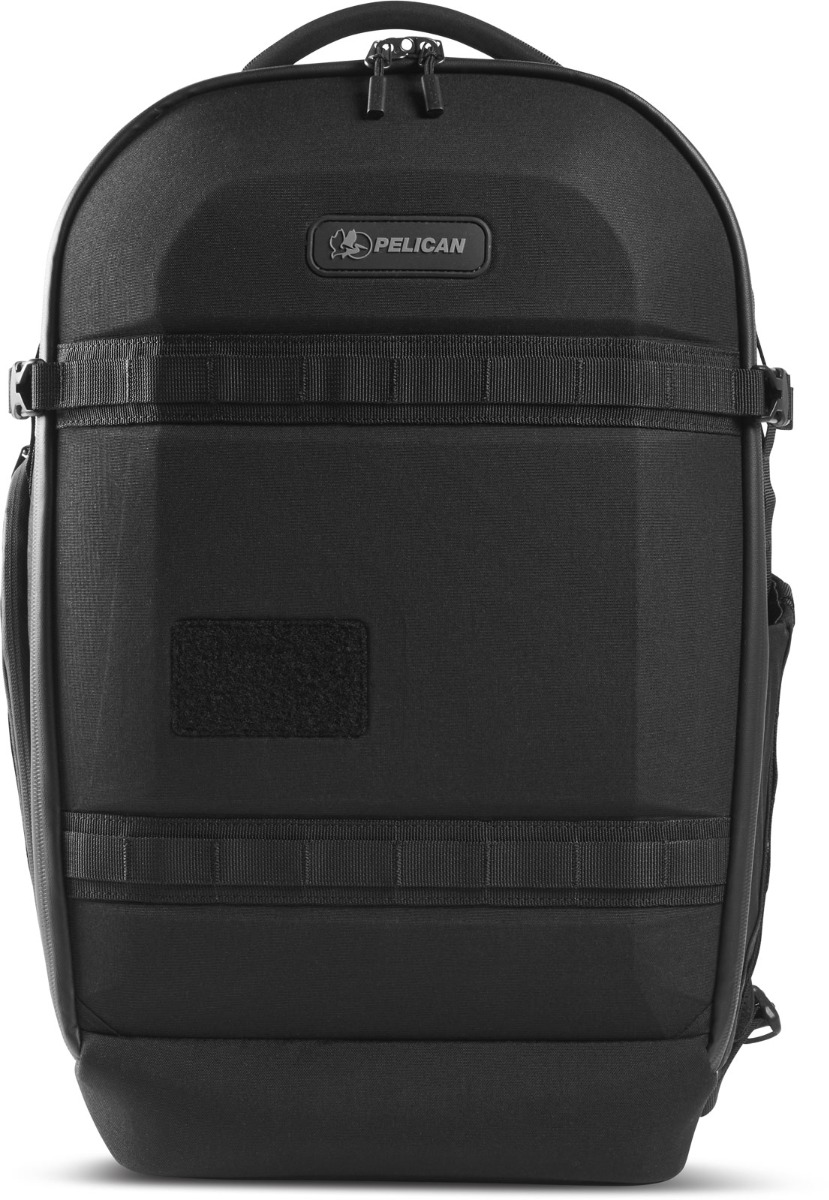
Choosing outdoor gear is largely a matter of matching equipment to the way it will be used. A casual day hiker may value a lightweight daypack, dependable water storage, basic navigation tools, weather protection, and room for snacks or an extra layer. Someone heading into remote country may need a more structured backpack, extended food and water planning, a map and compass paired with electronic navigation, illumination, first-aid supplies, repair items, and equipment designed for longer periods away from support. Gear For Hikers can help shoppers explore equipment suited to trail use, from practical carry solutions to accessories that support comfort and preparedness. Weight matters, but durability, fit, simplicity, and ease of use matter just as much. A pack should sit securely without restricting movement, with straps and compartments that keep frequently used items accessible. Navigation tools should be easy to read and operate in low light, while optics should offer a clear view without becoming cumbersome to carry. When comparing clothing or shelter materials, consider water resistance, breathability, abrasion resistance, and how easily the item can be cleaned or repaired. Packability is useful for changing conditions, but a compact design should still provide the protection and performance needed for the intended environment. It is also worth considering how gear will be stored between outings, whether replacement parts or compatible accessories are available, and whether the equipment can serve more than one purpose. A thoughtful setup reduces last-minute packing and helps keep attention on the surroundings: the sound of boots over pine needles, the first light across a ridgeline, or the warmth of a meal prepared after a long day outside.
Outdoor gear can be useful for experienced adventurers, occasional campers, travelers, hunters, photographers, trail runners, and anyone who enjoys spending time beyond the pavement. It can also make a practical gift for a person who is beginning to explore hiking or building a more capable camp kit. Gifts are easiest to choose when they support a known habit without requiring an exact size or highly specialized preference. Carry accessories, weather-resistant storage, lighting, navigation aids, insulated drinkware, and other everyday outdoor essentials can be useful additions for a new hiker or seasoned camper alike. For clothing and footwear, fit and personal preference are especially important, so checking sizing information or choosing a flexible accessory may be the better approach. Before purchasing, consider the recipient’s typical destinations, the length of their outings, the season in which they spend the most time outdoors, and whether they travel by vehicle, on foot, or with a group. A person who enjoys short local trails may prefer a streamlined setup, while someone who camps far from a trailhead may prioritize low weight, extended durability, and equipment that performs in wind or precipitation. Keeping gear clean, dry, and properly stored will help preserve its usefulness through repeated trips. Inspect straps, closures, seams, and protective coatings before heading out, and replace worn components before they become a problem in the field. With sensible preparation and equipment selected for the conditions, outdoor gear becomes more than a collection of supplies; it becomes part of a dependable routine that makes room for discovery, comfort, and confidence during every season.