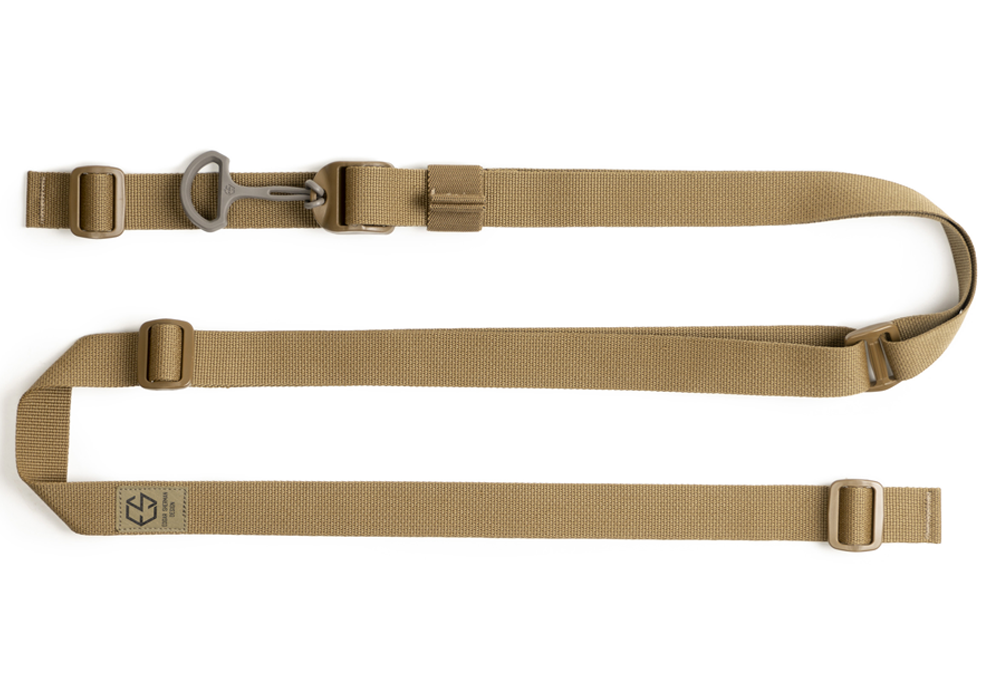
Backcountry gear brings together equipment for travel, navigation, observation, and personal preparedness beyond developed recreation areas. For hikers, hunters, wildlife observers, and people exploring remote trails, the right selection depends on the route, the activity, and how far help may be from reach. A short walk to a familiar overlook calls for a different balance of weight and equipment than a long approach to a hunting area or an overnight trip away from established facilities. Navigation tools, reliable illumination, water storage and treatment, first-aid supplies, and suitable carrying equipment form a practical foundation, with specialized gear serving the purpose of the trip. The most useful equipment earns its space by solving a clear problem: keeping essential supplies organized, helping identify distant terrain, or allowing important tools to remain accessible without repeatedly unpacking. On a narrow trail lined with brush, a close-fitting carrying system can feel more manageable than one with loose straps and exposed accessories. At a trail junction, a navigation device that is easy to read and operate can be more useful than a feature-heavy alternative that requires prolonged attention. Backcountry equipment also needs to work as a coordinated system. The dimensions of a protective case affect how it fits inside a pack, while the position of a harness or belt can influence access to pockets and other carried equipment. Compact designs can reduce bulk, but smaller controls and shorter straps may not suit every user. Weight matters most in the context of the full load, including water, food, emergency supplies, and any activity-specific equipment. Thoughtful selection favors a comfortable, balanced load over an assortment of accessories with overlapping functions. Equipment that performs well on a familiar local route may also serve longer trips, provided its fit, power requirements, and intended use match the demands of traveling farther from roads and facilities. Familiarity matters, too: gear that has already been used, adjusted, and checked is easier to rely on when attention needs to stay on the route ahead.
Materials and construction influence how backcountry gear handles repeated carrying, contact with rough surfaces, and regular maintenance. Abrasion-resistant textiles are useful where equipment rubs against rock, branches, or the inside of a crowded pack. Reinforced attachment points, neatly finished seams, and sturdy closures deserve attention because these areas experience repeated tension whenever a load is lifted or adjusted. Aluminum components can offer a useful balance of rigidity and weight, while protective finishes help shield exposed surfaces during ordinary use. Polymer housings and flexible protective covers may reduce bulk or cushion contact, although performance depends on the design rather than the material name alone. Padding should support comfort without creating unnecessary bulk, and straps need enough adjustment to secure equipment without leaving long, loose ends. Fit is especially important for gear worn over extended distances. A harness that feels comfortable while standing still may shift during an uphill climb or press against another strap when the wearer bends forward. Pack access, freedom of movement, and the position of rigid components all contribute to comfort over a full day. For optical equipment, lens quality, viewing comfort, and manageable weight matter alongside housing durability. Magnification alone does not describe the viewing experience; field of view, focus adjustment, eye relief, and image steadiness also affect how naturally an optic works in the field. A clear view across a clearing is only useful if the equipment can be held comfortably and brought into position without a struggle. Care requirements belong in the buying decision as well. Dust and grit can collect around closures and moving controls, while dirty lenses need cleaning methods appropriate to their coatings. Removable covers, accessible battery compartments, and straightforward storage arrangements can simplify routine upkeep. Manufacturer instructions provide the appropriate cleaning methods, exposure limits, and inspection procedures for each design. Protective cases help separate delicate equipment from hard objects in a pack, and thoroughly dry storage helps preserve fabrics, hardware, and electronics between outings.
Intended use remains the strongest filter when comparing backcountry equipment. Wildlife observation places particular value on comfortable viewing and quiet handling, while long-distance travel emphasizes efficient carrying and dependable navigation. A hunting trip adds considerations such as lawful equipment selection, secure transport, and compatibility among sporting equipment, ammunition, and protective accessories. Firearm-related gear should suit the intended sporting use, with secure storage and applicable regulations remaining part of the overall decision. Electronic equipment introduces another set of practical details: battery type, operating time, charging requirements, and whether essential functions remain accessible without a network connection. Navigation and communication devices serve different purposes, and neither eliminates the value of knowing the route and sharing a trip plan before departure. The broader range of Outdoor Adventure Gear offers a related place to consider equipment for trail time, observation, and other outdoor activities. Across these uses, compatibility often matters more than adding features. An accessory needs the correct attachment system, a case needs suitable internal dimensions, and replacement power sources need to match the equipment already carried. These details also help distinguish a thoughtful gift from something that stays on a shelf. An experienced hiker or hunter may appreciate equipment that complements an established setup, while someone beginning to explore remote trails may benefit from straightforward gear with intuitive controls and uncomplicated care. Personal fit and technical compatibility can be difficult to judge for another person, so gifts are most useful when the recipient’s activities and existing equipment are understood. Long-term value comes from repeat use: a comfortable carrying arrangement, clear observation equipment, or a protective accessory that becomes part of every outing. Backcountry gear should feel purposeful when packed, accessible when needed, and manageable at the end of a long return walk. Durable construction, sensible organization, and a good match between equipment and activity help create that confidence without burdening the trip with unnecessary weight or complexity.