Outdoor adventure gear helps turn time outside into a more comfortable, organized, and rewarding experience, whether the plan is a day on a wooded trail, a weekend at a remote campsite, or an early-morning outing along a quiet ridgeline. The right equipment supports the essentials first: shelter, sleep, hydration, nourishment, navigation, and personal safety. When choosing shelter and sleep systems, consider the conditions you are likely to encounter, the amount of room needed, packed size, setup time, and the temperature range expected during the cooler months. A sleeping bag or quilt should be suited to overnight temperatures, while a sleeping pad adds insulation from the ground as well as cushioning after a long day of walking. A tent or other shelter should offer dependable protection from wind and changing weather without becoming cumbersome to carry. For shorter trips, compact and lightweight options may be the priority; for family camps or extended stays, extra interior space and durable construction can make the experience more relaxed. These essentials also make thoughtful gifts for hikers, campers, students heading outdoors for the first time, or anyone who enjoys building a dependable kit one piece at a time. Browsing a dedicated selection of Backcountry Gear can help bring those core systems together while making it easier to compare equipment by purpose, size, and intended use.
Carrying and storage deserve equal attention because even excellent equipment becomes difficult to enjoy when it is poorly organized or uncomfortable to transport. A daypack should sit securely against the body, provide practical access to frequently used items, and leave room for water, food, an extra layer, navigation tools, and basic emergency supplies. Packs intended for longer outings benefit from supportive suspension, adjustable fit, and compartments that keep heavier items close to the back. Small pouches and dry storage solutions can protect essentials from dust, rain, and the inevitable spills that happen around camp. Hydration equipment should be easy to reach and simple to clean, with enough volume for the distance, terrain, and weather. Water filters and purification tools add an important layer of preparedness when a route passes near streams or other natural sources, though treated water should always be handled according to the product instructions and local conditions. Compact cooking equipment, fuel, cookware, and utensils can make a substantial difference after a chilly hike, allowing a quick hot meal or drink without adding unnecessary bulk. As the weather shifts between warm afternoons and cool mornings, adaptable layers are especially valuable. Moisture-managing base layers, insulating mid-layers, durable trousers, gloves, and weather-resistant shells help regulate comfort when activity levels and conditions change. Select clothing based on movement, ventilation, abrasion resistance, and the kind of terrain you expect to encounter rather than relying on appearance alone.
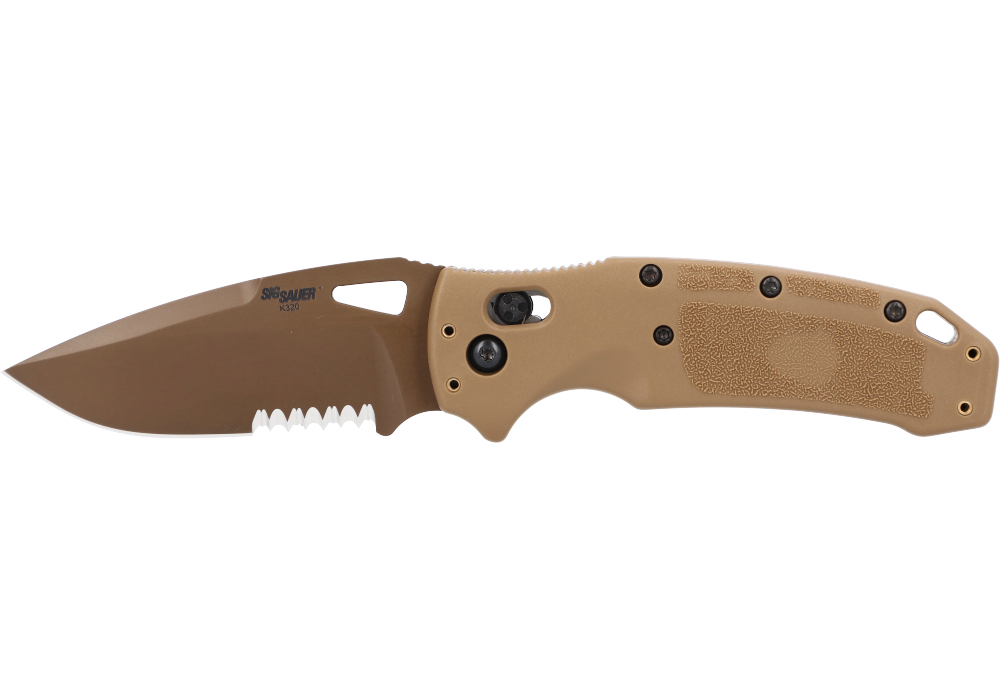
Safety and illumination equipment completes a well-considered outdoor setup. A dependable headlamp or handheld light helps with camp chores, route finding, and unexpected delays after sunset, while spare batteries or a reliable charging plan prevent a small inconvenience from becoming a serious problem. First-aid supplies should match the group size, trip length, and remoteness of the destination, with room for common needs such as blisters, minor cuts, scrapes, and general discomfort. A multi-tool, repair materials, fire-starting supplies, map, compass, and communication device can provide useful backup when plans change. Navigation tools remain important even when a phone is available, since battery life, signal, and weather can be unpredictable in remote areas. Before purchasing, think through how each item will be carried, maintained, and used with the rest of the kit. Durable materials may be worthwhile for frequent trail use, while simpler and lighter equipment can suit occasional trips or a first-time adventurer. For gifts, practical choices such as lighting, hydration accessories, organization tools, warm layers, and compact safety equipment are easy to appreciate because they support many different outdoor activities. During the cooler months, allow extra room for insulation, weather protection, and longer periods of darkness, and always check local regulations, fire restrictions, access rules, and forecast conditions before heading out. The best outdoor adventure gear is equipment that fits the user, matches the environment, and remains dependable when the trail becomes wet, the wind rises, or the nearest warm shelter is farther away than expected.