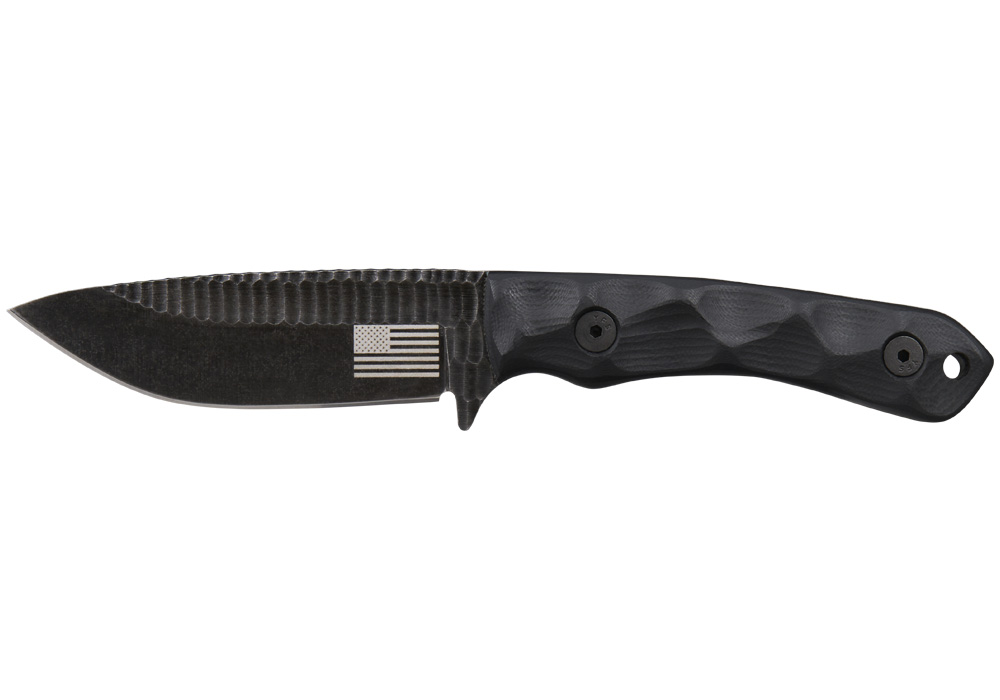
Outdoor survival gear supports five practical priorities: shelter, warmth, hydration, signaling, and cutting tasks. Lighting, navigation, and first-aid supplies add support when an ordinary outing involves an unexpected delay or a longer route back. These categories serve different purposes, but they share a common goal: helping people remain better prepared when immediate assistance is not close at hand. For hikers, campers, hunters, anglers, and people who work beyond easy road access, useful equipment needs to suit the terrain, the activity, and the distance from reliable support. An afternoon on a familiar trail calls for a different balance of weight and redundancy than several days beyond maintained routes. A stalled vehicle on a remote access road presents another set of demands, especially when equipment must be carried away from the vehicle rather than kept within reach of the seat. Outdoor survival equipment is most useful when its purpose is clear and its controls are familiar. Compact dimensions matter, but so do accessible storage, dependable closures, and enough room to handle components without scattering them across the ground. Shelter and insulation help protect a resting space and conserve body heat, while hydration equipment supports the collection, treatment, or storage of water according to its stated purpose. Signaling equipment can help attract attention without depending entirely on cellular reception. Cutting tools support practical camp and repair tasks, with suitability determined by their design and the user’s experience. No single piece of equipment covers every situation, and a large assortment is not automatically a better assortment. A thoughtfully organized selection gives each essential function a place without adding unnecessary bulk. For a photographer waiting beside a remote overlook, a family exploring an unfamiliar campground, or an experienced backpacker following a long ridge, preparedness starts with equipment that can travel comfortably and remain usable when plans change.
Materials and construction help distinguish outdoor survival gear intended for regular use from equipment better suited to occasional backup. Closely woven nylon and polyester fabrics can offer useful resistance to abrasion, while reinforced attachment points and protected seams help manage repeated packing and handling. Fabric weight alone does not establish durability; stitching quality, closure design, and stress-point reinforcement deserve equal attention. Water-resistant and waterproof descriptions are not interchangeable, and any protection claim is most useful when paired with a stated test standard or clear use limitations. Metal components also involve tradeoffs. Stainless steel is often selected for corrosion resistance, while other steels may require more attentive cleaning and protective care. Surface finishes, grip texture, and secure retention can matter as much as the underlying material when hands are occupied or a task requires controlled movement. Fit extends beyond clothing. Carry systems should match torso proportions and allow a balanced load, with straps that adjust securely without leaving loose ends in the way. Protective layers and wearable equipment should permit normal movement rather than restrict reaching, kneeling, or walking over uneven ground. Compactness is valuable only when essential features remain easy to locate and operate. Clear markings, tactile controls, and closures that can be handled with gloves may be useful considerations for people whose activities already require hand protection. Hydration equipment deserves similarly close attention to materials, opening size, cleaning access, and compatibility with its intended treatment method. A filter, purifier, and storage container perform different jobs, and their stated capabilities should guide expectations rather than appearance or size. Lighting and electronic signaling equipment introduce other considerations, including operating duration, battery type, charging requirements, and resistance to water exposure. Mechanical signaling options can provide a separate means of attracting attention, although visibility, terrain, and distance still affect results. Across these categories, dependable design is less about a long feature list than about useful functions that remain understandable under stress.
Care and organization have a direct effect on how outdoor survival equipment performs over time. Dirt caught in closures, moisture left inside storage compartments, and damaged straps can undermine otherwise durable construction. Manufacturer care directions provide the right starting point for cleaning, drying, lubrication, and storage, particularly when equipment combines fabrics, coatings, seals, and metal parts. Components that contact drinking water need appropriate sanitation, while cutting tools require secure storage that protects both their working edges and nearby equipment. Batteries, dated supplies, and other consumable components benefit from periodic checks rather than being packed away indefinitely. Equipment stored in a vehicle also deserves inspection because vibration, friction, and repeated handling can affect packaging and connections. Organization should reflect actual use: frequently needed essentials belong within easy reach, while backup equipment can occupy a protected compartment. Consistent placement makes a kit easier to check before departure and easier for a companion to understand. For shoppers considering outdoor survival gear as a gift, the recipient’s activities and experience provide better direction than the size of the assortment. A frequent trail walker may appreciate compactness and straightforward operation, while someone traveling farther from established routes may place greater value on repairability, interchangeable components, and carefully chosen backups. Familiar controls and clear care requirements can be especially helpful for someone building a first collection of outdoor essentials. Survival-focused equipment also fits naturally alongside Outdoor Adventure Gear, with everyday usefulness helping determine which essentials earn a permanent place in a pack. The strongest selection is one that suits the person carrying it, leaves room for activity-specific necessities, and supports realistic expectations. Equipment complements sound judgment, route planning, appropriate training, and communication; it does not replace them. Durable materials, comfortable fit, accessible organization, and practiced familiarity give outdoor survival gear lasting value well beyond the first trip.