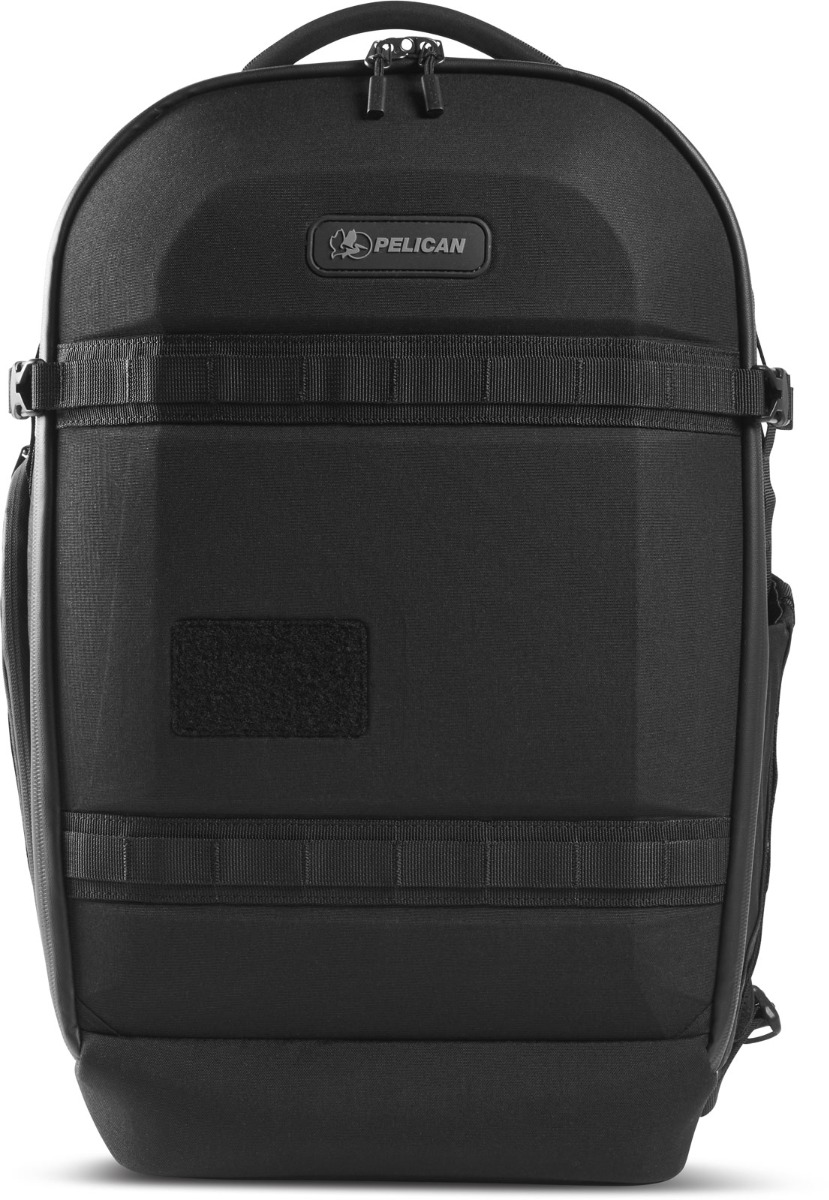
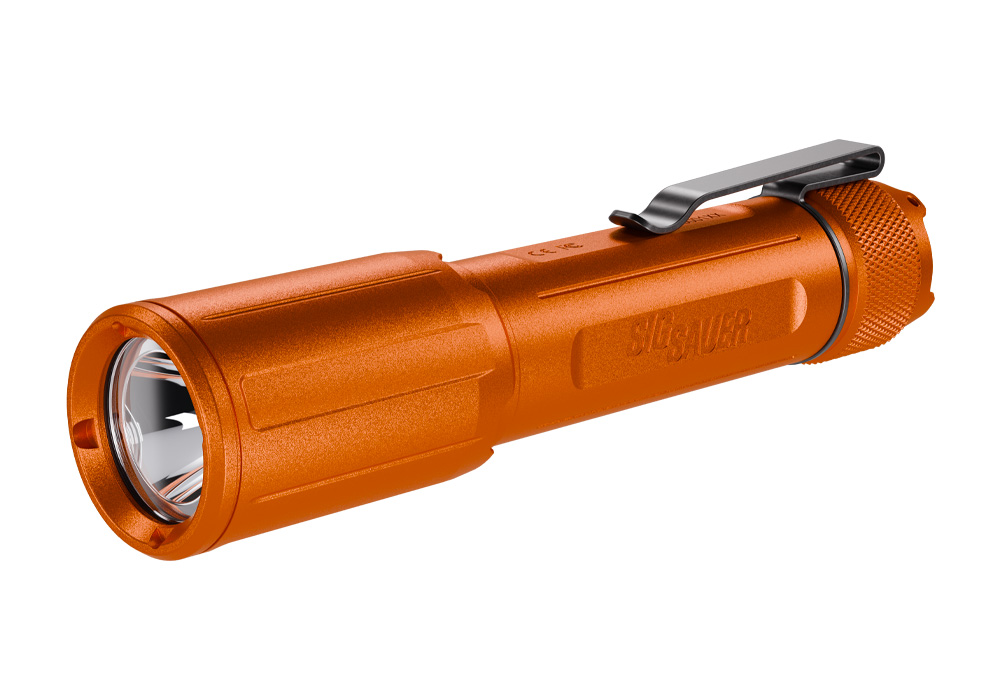
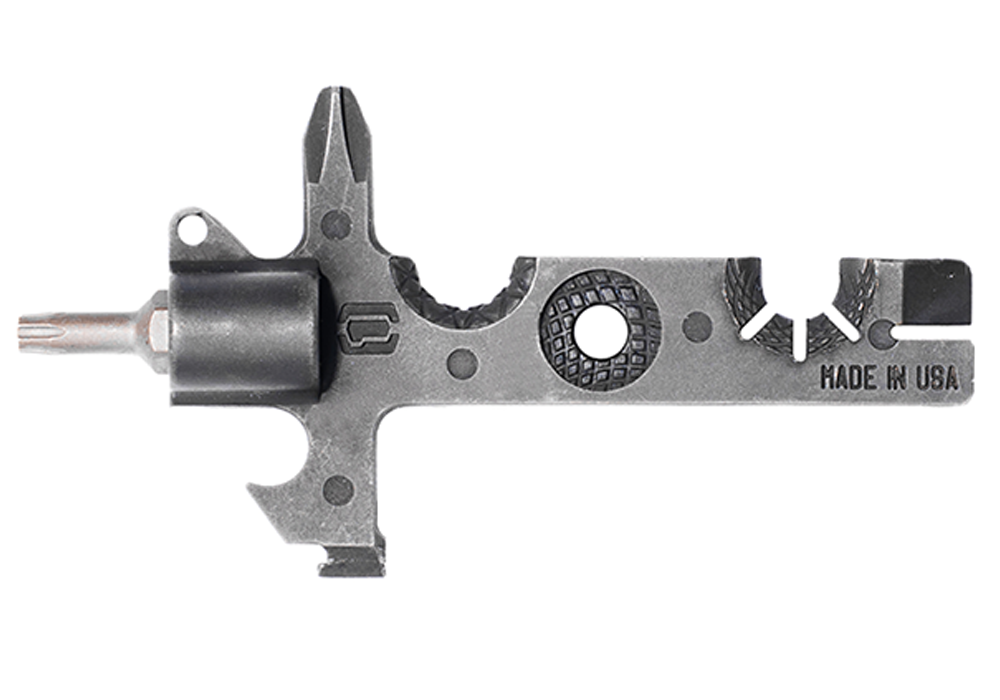
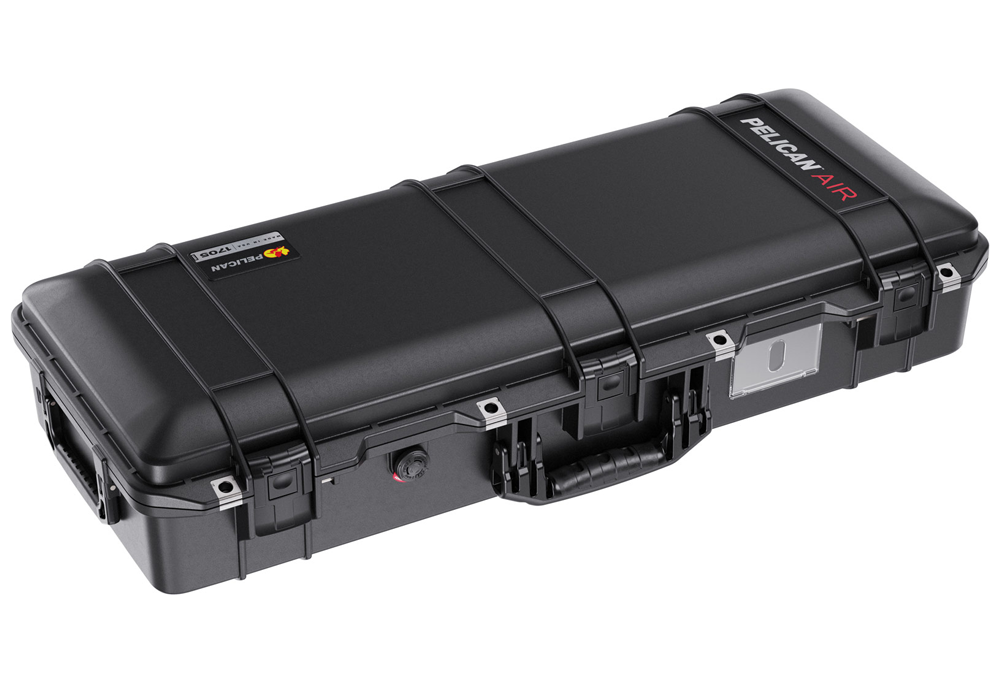
Survivalist gear brings together practical tools and supplies that support safety, shelter, hydration, warmth, communication, and basic care during unexpected situations. A thoughtful setup can serve many purposes: a household emergency kit, a vehicle kit for remote roads, a camp pack for wilderness travel, or a compact supply collection for changing weather and power interruptions. The best choices are dependable, simple to use, and suited to the environment where they will remain stored. Start with water, since safe hydration is central to nearly every emergency plan. Water filters, purification tablets, storage containers, and compact treatment systems can help provide drinkable water when a familiar source is unavailable. Consider how much water a person or group may need, how quickly a treatment method works, and whether it is suitable for clear water, cloudy water, or repeated use. Fire-starting tools also deserve a place in any well-rounded kit. Waterproof matches, lighters, and ferrocerium rods can support warmth, cooking, light, and morale, but they should be stored in protective, easily reachable packaging with a reliable backup option. Shelter supplies help manage wind, rain, cold, and changing conditions. Emergency blankets, ponchos, tarps, cordage, and compact sleeping insulation can turn an uncomfortable night into a more manageable one, particularly during the cooler months. Look for materials that pack efficiently, resist moisture, and work with the clothing and shelter already in your kit. A well-chosen knife, multitool, folding shovel, or compact repair tool can assist with food preparation, shelter setup, gear adjustments, and routine camp tasks. These tools are most useful when their operation is familiar, their storage is secure, and their size matches the intended pack or vehicle.
First-aid supplies are another essential part of survivalist gear, whether the kit is intended for a home, trail, workshop, or vehicle. A useful first-aid collection may include bandages in several sizes, gauze, medical tape, antiseptic supplies, gloves, pressure dressings, blister care, thermal protection, and basic tools for cleaning and securing minor injuries. More comprehensive kits can support a group or a longer outing, while compact kits are convenient for day packs and glove compartments. Review the contents periodically, replace expired items, and keep supplies organized so that the needed item can be found quickly in poor light or stressful conditions. Personal needs matter as well; prescription medication, allergy treatments, eyewear, and other daily essentials should have a place in an emergency plan. Lighting and communication equipment can extend the usefulness of every other item. Headlamps leave both hands available for repairs or movement, lanterns can illuminate a shared area, and spare batteries should be stored with attention to temperature and moisture. Radios, charging equipment, signal devices, and written contact information may help when local services are strained or mobile networks are unavailable. For households, select gear that every adult can operate and that older children can recognize without confusion. For outdoor users, consider weight, packability, terrain, and the length of time help may be unavailable. For vehicle storage, choose supplies that tolerate vibration and temperature changes, then check them when the seasons shift. A small notebook with route details, meeting points, medical information, and basic instructions can be just as valuable as a specialized tool. Those building a broader collection can explore Prepper Supplies for additional options that support planning at home, on the road, or outdoors.
The right selection depends on the people using it, the conditions they may face, and the tasks they expect to handle. A day hiker may prioritize light shelter, water treatment, fire starting, first aid, navigation, and illumination, while a family preparing for a home emergency may place greater emphasis on water storage, sanitation, food preparation, lighting, warmth, and communication. Someone assembling a vehicle kit may want durable tools, charging accessories, blankets, gloves, reflective equipment, and supplies that remain useful during roadside delays or severe weather. Survivalist gear can also be a practical gift for campers, hikers, property owners, outdoor workers, and anyone who enjoys building useful skills. A thoughtful gift often begins with an item that matches an existing interest, such as a compact first-aid kit for a trail companion, a reliable light for a new vehicle owner, or a water treatment solution for someone who spends time beyond established facilities. Avoid choosing based only on appearance or the number of features. Grip, controls, storage size, cleaning needs, replacement parts, and compatibility with existing equipment all affect real-world value. Practice matters too. Test water treatment methods before they are needed, use fire starters in a controlled setting, adjust a tarp in daylight, inspect first-aid contents, and learn the functions of every tool in the kit. During cooler weather, keep batteries, liquids, and sensitive supplies protected from freezing conditions, and add clothing layers or shelter materials that suit the local environment. Good preparation is less about collecting the largest assortment and more about creating a balanced, accessible system that can be carried, stored, checked, and used with confidence when ordinary routines are interrupted.