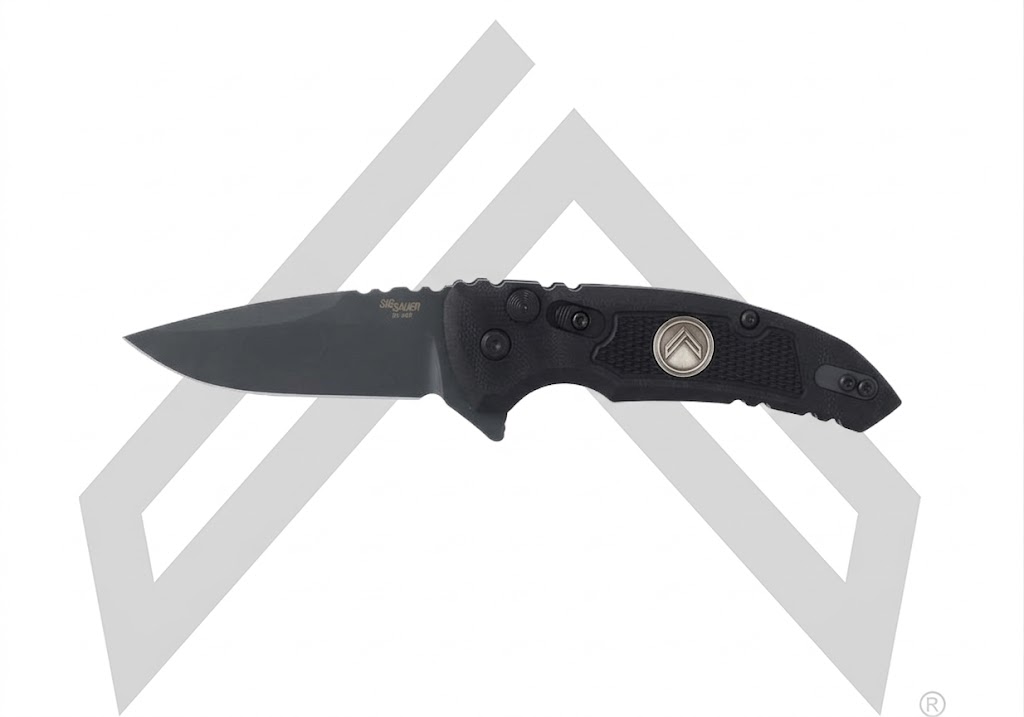
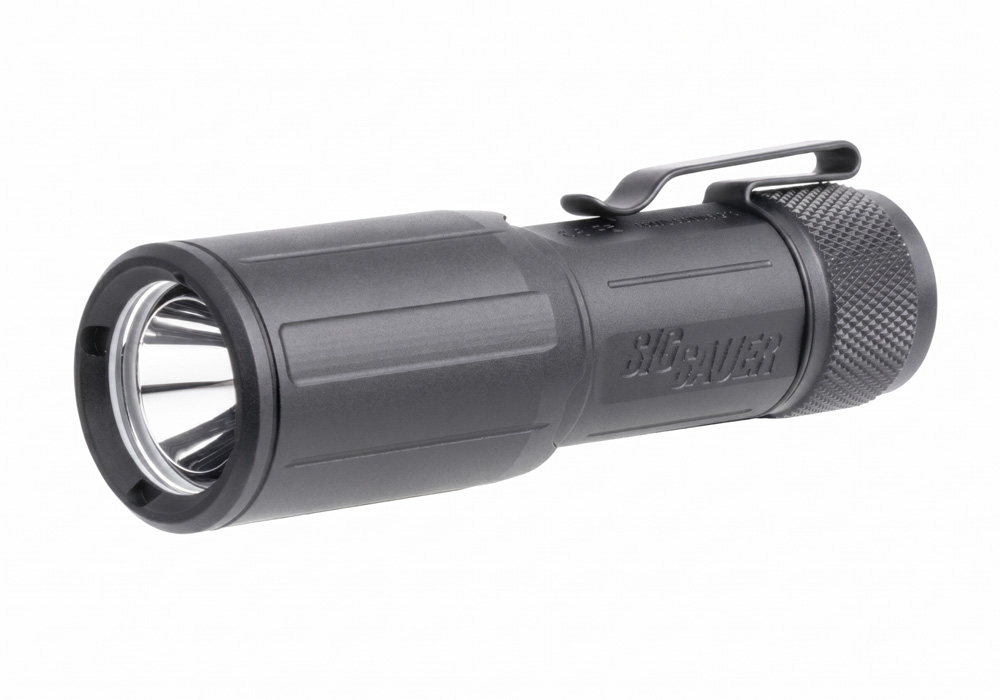
Everyday carry, or EDC, is a personal collection of practical tools selected for the routines, responsibilities, and unexpected moments that shape each day. For one person, that may mean a dependable folding knife, compact flashlight, pen, and wallet carried in a front pocket; for another, it may include a multi-tool, first-aid supplies, electronic accessories, and a small bag for items that do not belong on a key ring. The best EDC gear earns its place through regular use. It should be compact enough to carry comfortably, durable enough for repeated handling, and simple enough to reach without fumbling. A commuter may rely on a light to navigate a dim parking area or look beneath a car seat, while someone working outdoors may value a rugged tool that can open packaging, tighten hardware, or handle routine maintenance. Parents, travelers, tradespeople, students, and anyone who spends time away from home can build an everyday carry system around the tasks they actually encounter. EDC gear can also make a thoughtful gift for a graduate, new homeowner, frequent traveler, outdoors enthusiast, or colleague who appreciates useful equipment more than novelty items. A well-chosen tool becomes part of a person’s daily rhythm: the reassuring weight of a flashlight in a pocket, the familiar clip of a knife secured inside a waistband, or the quick reach of a pen when a note needs to be written. Rather than filling every pocket, focus on a few dependable essentials that solve common problems without creating unnecessary bulk.
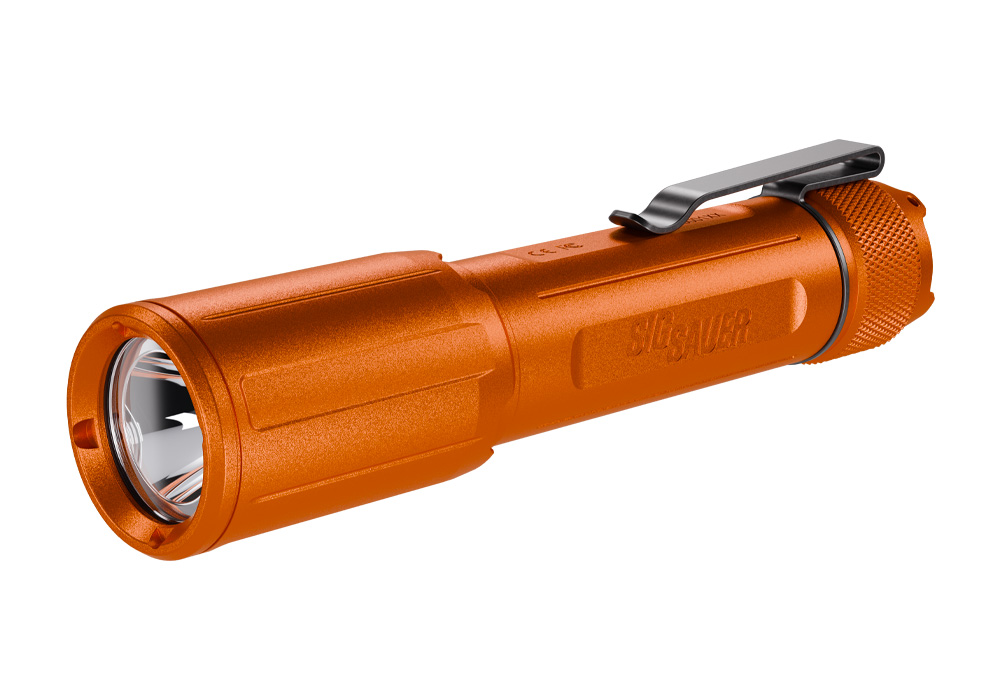
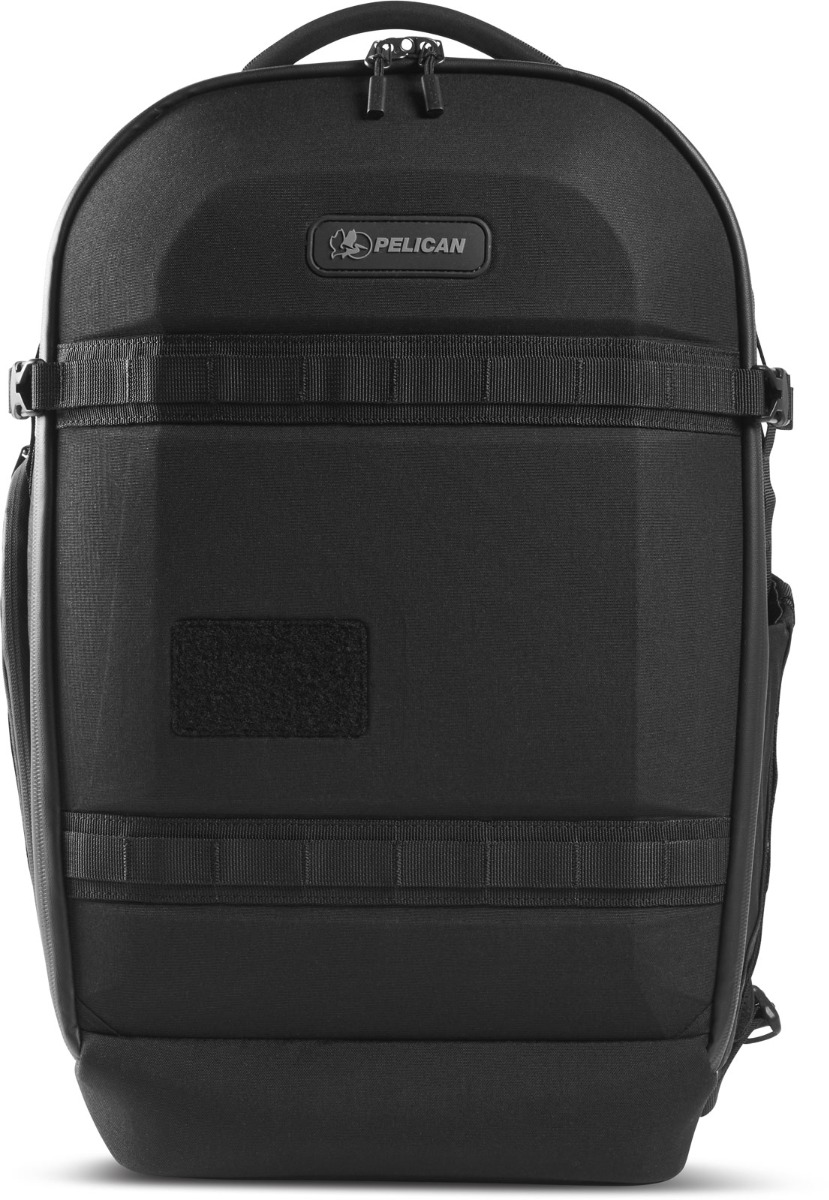
An everyday knife is often chosen for cutting cord, opening packages, trimming loose material, or completing small household tasks, but blade style, locking mechanism, handle texture, carry position, and local regulations all deserve careful consideration. A folding design can offer convenient pocket storage, while a fixed-blade option may suit users who prefer a rigid platform and a secure sheath; either way, safe handling and responsible storage are essential. Compact multi-tools add versatility by combining functions such as pliers, drivers, scissors, files, and cutters in one portable format. They can be useful in a desk drawer, vehicle console, range bag, or backpack, particularly when a full toolbox is not close at hand. A modern LED flashlight is another EDC staple, offering a practical source of illumination during power interruptions, evening walks, vehicle checks, and poorly lit stairwells. When comparing lights, consider output, beam pattern, tail-switch or side-switch placement, battery type, charging method, water resistance, and the balance between extended runtime and a compact body. A pen, marker, or other writing instrument remains valuable even in an increasingly digital routine, especially for signing paperwork, marking equipment, or leaving a quick note. For those who carry more than their pockets can comfortably hold, an EDC backpack, sling, or compact organizer can keep tools separated and accessible. Look for thoughtful compartments, secure closures, comfortable straps, durable materials, and enough room for a laptop, medical supplies, water, or personal electronics without encouraging overpacking. A small first-aid kit can support minor cuts, blisters, burns, and other everyday mishaps, while more comprehensive medical equipment should be selected according to training and intended use. Carrying a kit is most effective when its contents are familiar, checked regularly, and replaced after expiration or use.
Comfort and access are as important as the tools themselves. An EDC setup should work with the clothing, commute, and environment in which it will be carried. During warmer weather, lighter clothing may make pocket organization and secure belt placement especially important, while cooler months can make it easier to add a small pouch, jacket pocket, or backpack without changing the essentials. A sturdy belt helps support equipment without excessive shifting, and dedicated Belts For EDC can provide a stable foundation for everyday carry when a pocket alone is not enough. Consider how an item sits when walking, driving, sitting at a desk, or climbing stairs; gear that digs into the hip or catches on a seatbelt is unlikely to remain part of a daily routine. Retention, discreet positioning, and smooth access should be evaluated before adding any tool, and all knives, defensive equipment, and firearm-related accessories should be carried and stored in accordance with applicable laws, workplace rules, and property restrictions. If a firearm is part of an individual’s lawful carry plan, training, safe handling, appropriate holster selection, and secure storage are fundamental, and EDC gear should never interfere with trigger protection or access to the firearm. Start by emptying your pockets or bag at the end of an ordinary day and noting which items were genuinely useful, which stayed untouched, and which you wished you had available. That simple inventory creates a practical foundation for a modular setup: keep the daily essentials close, add specialized equipment only when the activity calls for it, and inspect everything regularly for wear, depleted batteries, loose fasteners, damaged edges, or expired medical supplies. During commutes, errands, travel, outdoor work, and the cooler months ahead, a carefully selected collection of EDC gear can bring order to the small challenges that appear without warning while remaining comfortable, responsible, and ready for real life.