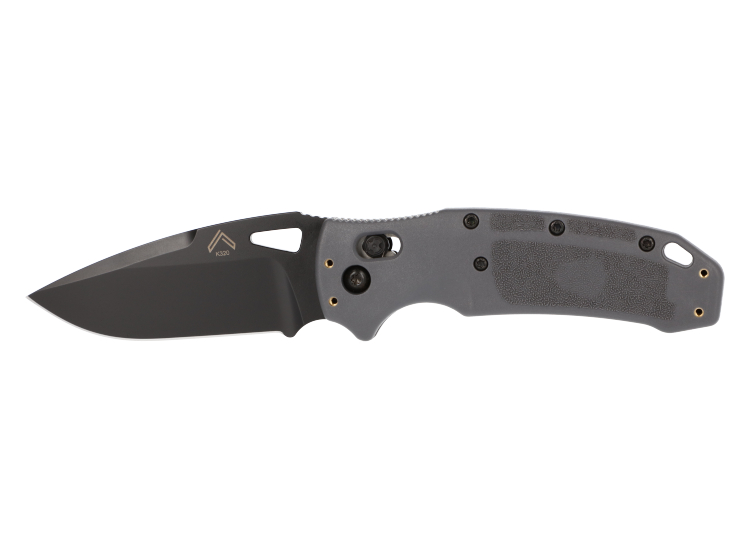
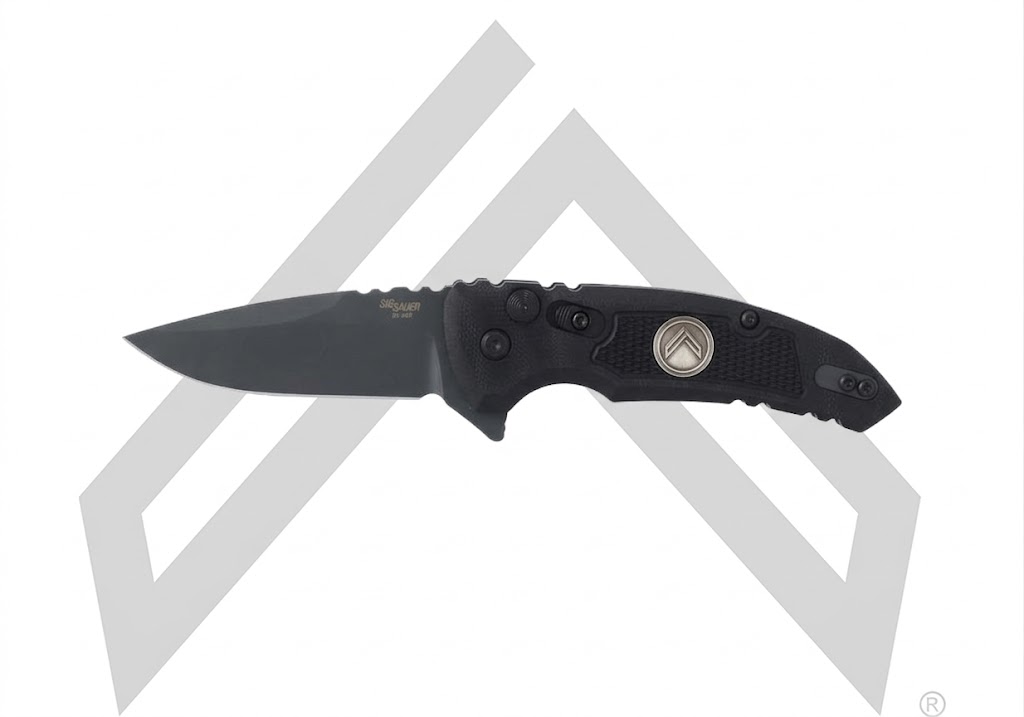
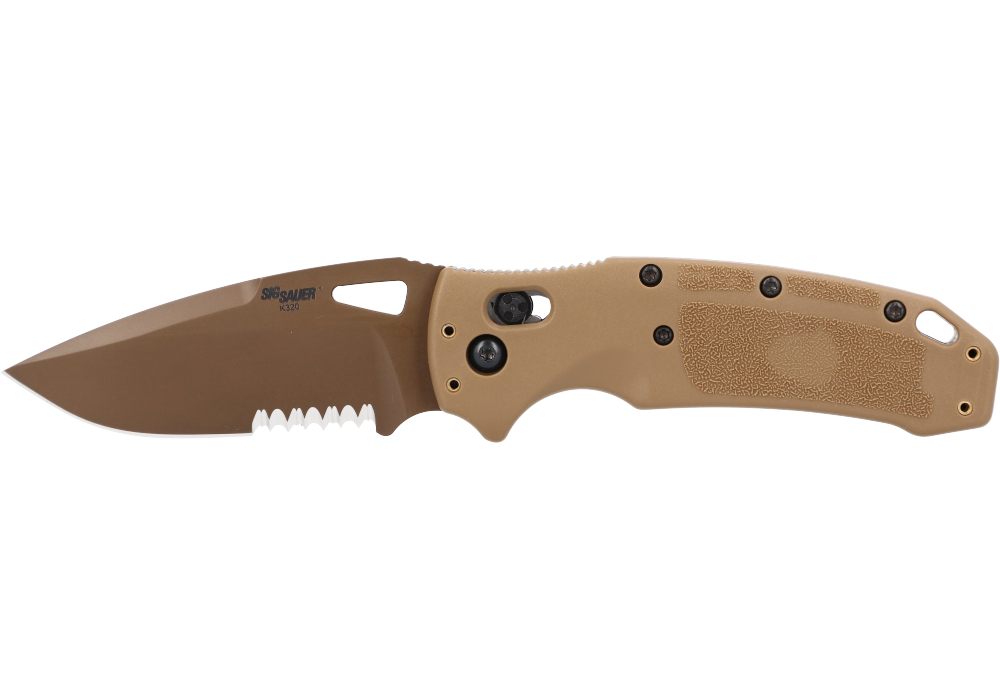
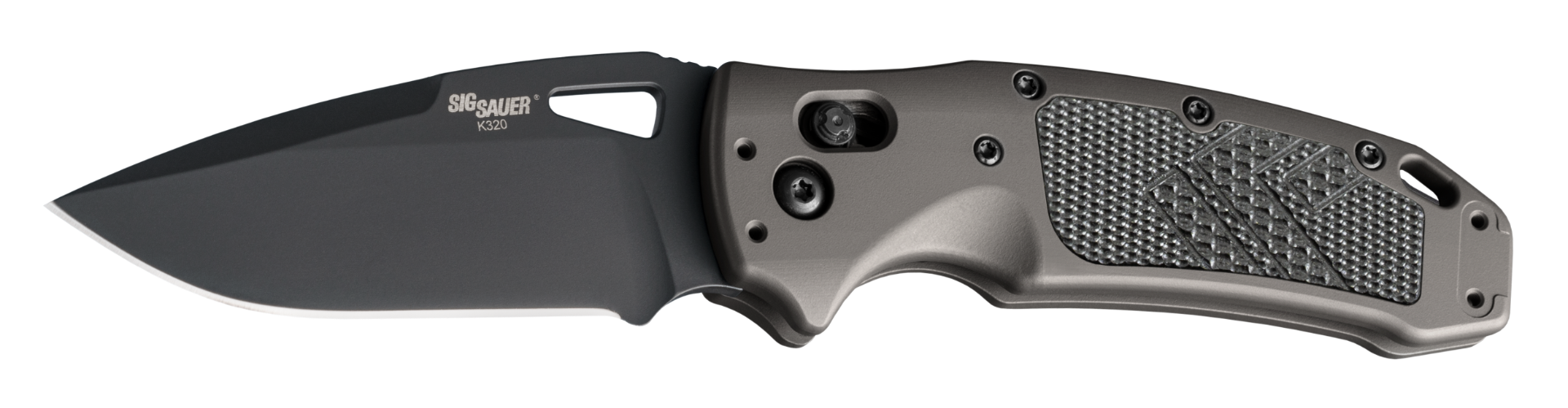
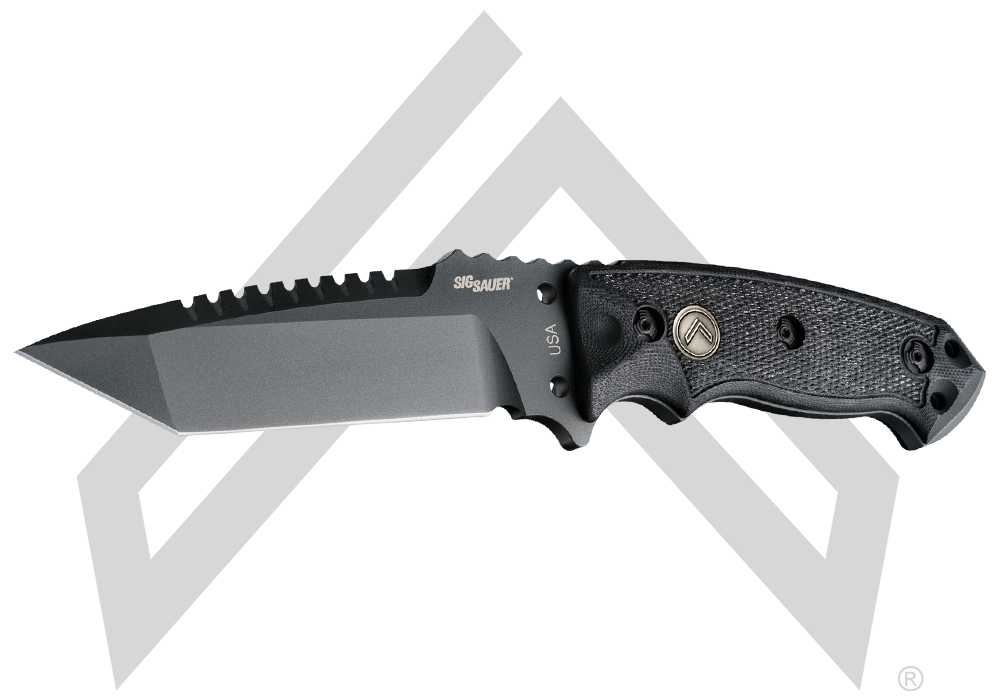
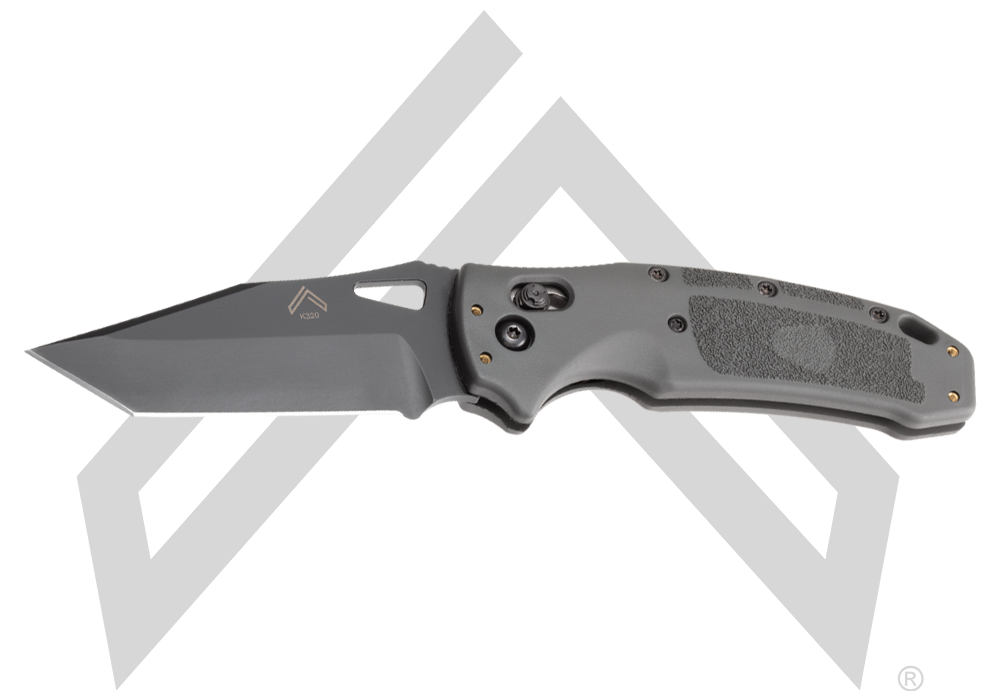
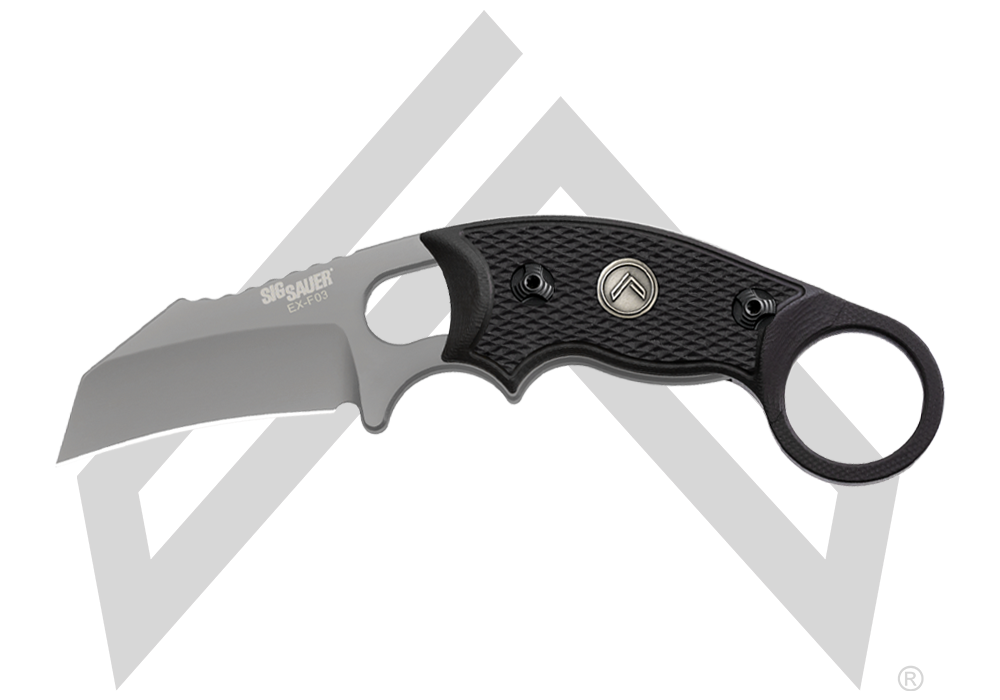
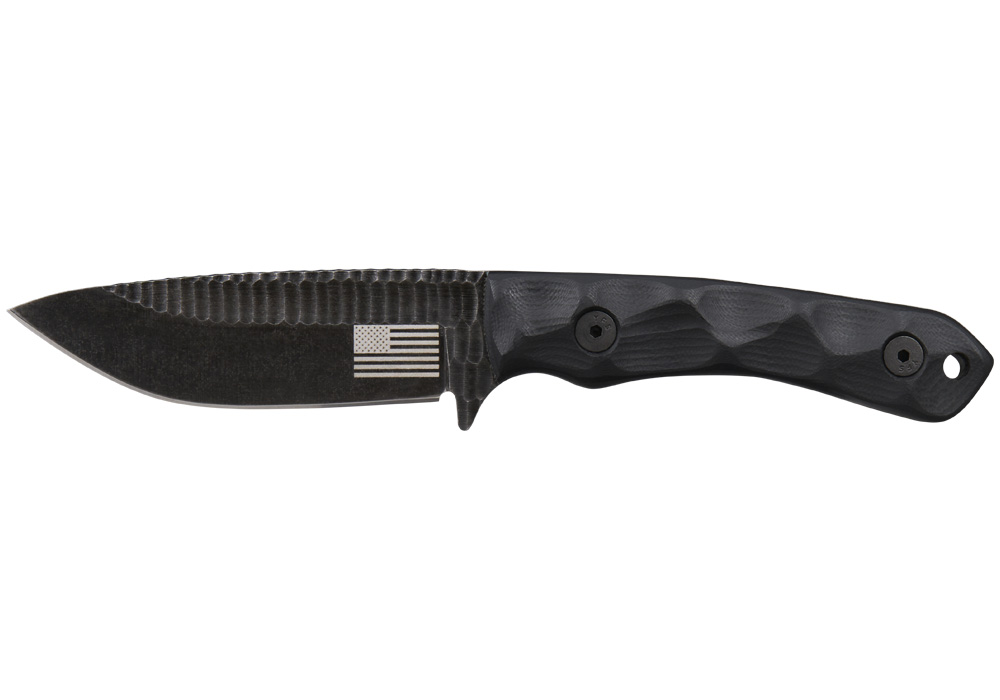
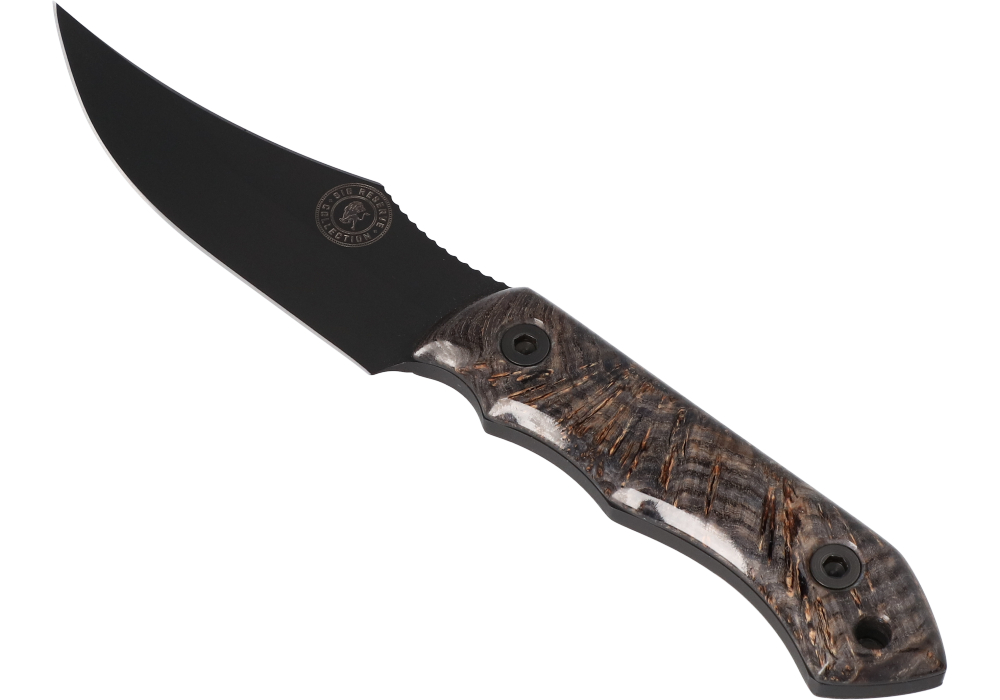
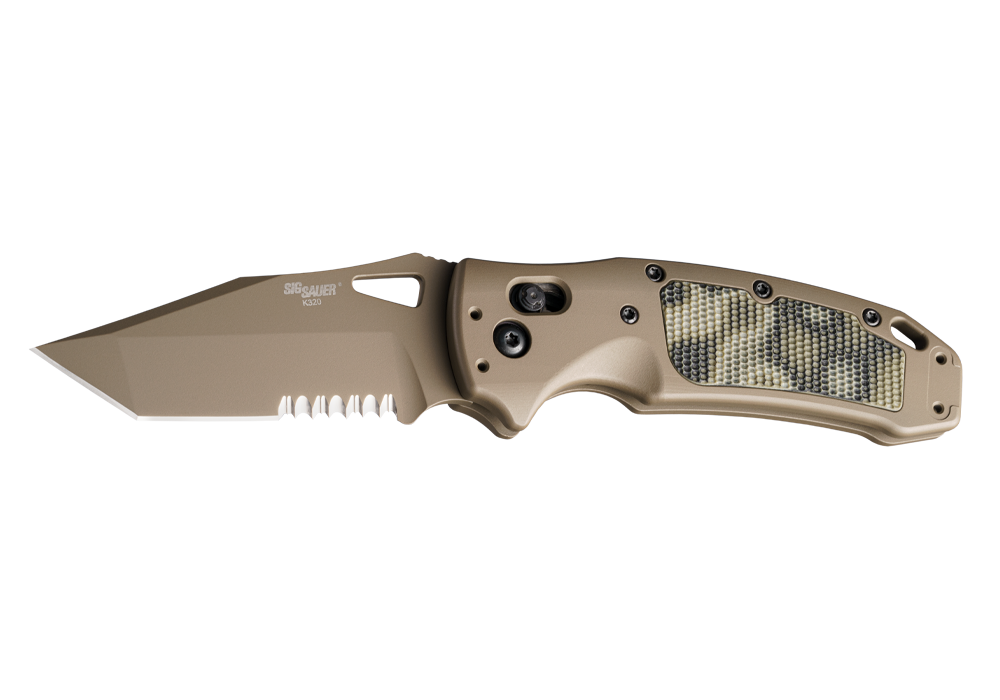
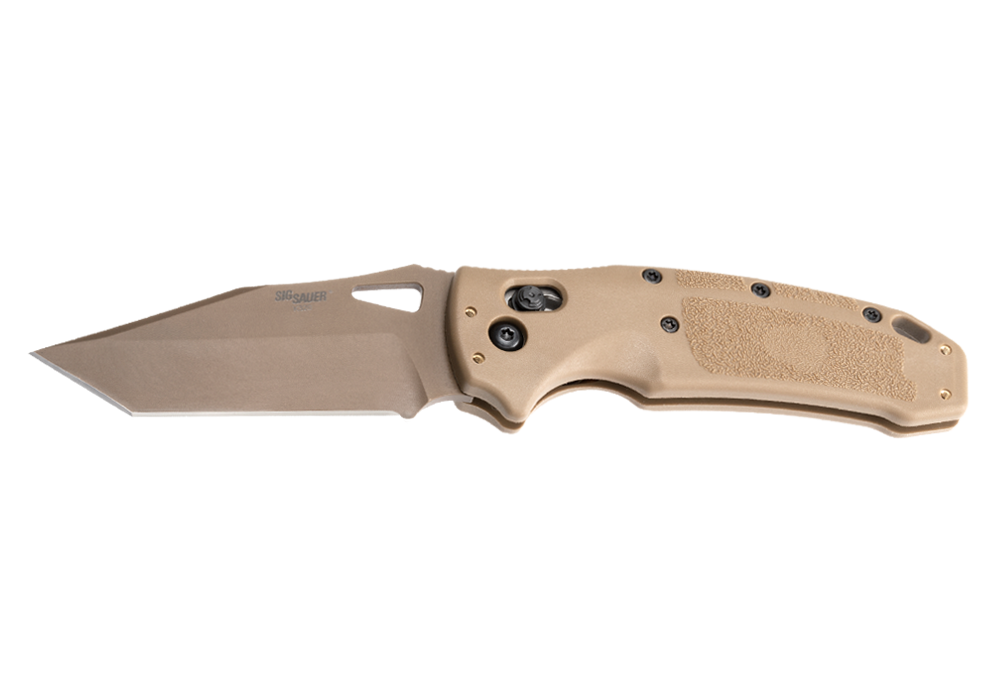
Knives for EDC, or everyday carry, are compact cutting tools intended for routine tasks such as opening packages, trimming cord, cutting packaging, and handling light utility work. A useful everyday carry knife balances cutting performance with comfortable handling and a size that suits the way it will be carried. For someone moving between a desk, a garage, and household projects, that might mean a folding knife that rides comfortably in a pocket without crowding keys or a wallet. For someone who regularly handles rope, straps, or worksite packaging, grip security and an edge suited to those materials may matter more than minimal weight. Folding designs enclose the edge when closed, while compact fixed blades require a protective sheath and an appropriate carry arrangement. Blade length alone does not determine usefulness: thickness behind the edge, blade shape, and handle proportions all influence how a knife feels during a cut. A relatively thin edge can move efficiently through cardboard, while a thicker blade may offer more support for demanding utility tasks at the expense of slicing ease. Plain edges provide a continuous cutting surface that is straightforward to maintain with compatible sharpening equipment. Serrated sections can help engage fibrous materials, though their maintenance requires equipment suited to the serration pattern. Blade steel also affects the ownership experience. Stainless steel generally offers corrosion resistance, but no knife should be treated as immune to moisture, residue, or neglect. Other steels may prioritize different combinations of toughness, edge retention, and sharpening response. Alloy composition, heat treatment, and edge geometry work together, so a steel name by itself tells only part of the story. The most practical EDC knife is not necessarily the largest or the most elaborate. It is a tool whose dimensions, cutting characteristics, and maintenance needs fit the tasks its owner actually encounters, whether that means breaking down delivery boxes after work or cutting a fresh length of cord for a repair.
Handle fit deserves as much attention as the blade because everyday cutting often involves repeated, controlled movements rather than a single quick slice. A handle should provide enough usable length for a secure grasp without forcing fingers onto uncomfortable corners or against the edge of a pocket clip. Rounded edges can reduce pressure points, while thoughtful shaping helps the hand maintain control without an unnecessarily tight grip. Textured composite handles can provide traction with relatively little weight; metal handles offer a different balance of rigidity, surface feel, and heft. More aggressive texture is not automatically better, especially when it rubs against pocket fabric throughout the day. The right balance depends on clothing, hand size, and how frequently the knife moves between pocket and hand. Clip position and tension influence whether a folder stays seated securely and how easily it can be retrieved. A deeper pocket position may keep more of the handle covered, while a more exposed position can leave additional handle available to grasp. Left-handed users may benefit from reversible clips and controls that remain accessible in their preferred hand. Opening methods and locking mechanisms also shape daily use, but they should be evaluated separately: an easy-to-operate opening feature does not replace a dependable lock or careful handling. Some folders do not lock, making their operating limits especially important. Any blade should be fully closed or properly sheathed before being carried, with its edge protected from contact with the body and other belongings. For a sheath-based setup, Belts For EDC can help support a stable carry arrangement when their width and thickness match the sheath attachment. Pocket and belt placement should also remain comfortable when sitting, bending, or wearing a seat belt. Local laws, workplace rules, and venue restrictions can affect permissible blade designs and carry methods, so suitability includes where the knife will travel, not simply how comfortably it rides.
Long-term durability depends on matching the knife to its intended work and giving it consistent care. Packaging tape can leave adhesive along an edge, cardboard can dull a blade sooner than expected, and pocket lint can collect around a folding mechanism. Cleaning away residue and drying the knife after use help preserve performance and make developing problems easier to notice. Manufacturer care directions should guide the choice of cleaners, lubricants, and sharpening methods, particularly when a handle combines several materials or the blade has a surface coating. A thin application of an appropriate lubricant may benefit moving components where recommended, but excess oil can attract debris. Screws, clips, pivots, and sheaths deserve periodic inspection for looseness, damage, or changes in function. A blade that develops unusual movement, a lock that no longer engages properly, or a sheath that no longer retains the knife securely calls for attention before further use. Edge maintenance matters just as much: a properly maintained edge generally requires less cutting force, though sharpness never replaces controlled technique. Keeping hands clear of the cutting path and using a suitable backing surface are basic parts of responsible utility use. Knives are cutting tools, not substitutes for pry bars, screwdrivers, or other tools designed for twisting and leverage. For food-related tasks, cleanliness and material suitability matter, and a knife exposed to adhesives, oils, or other contaminants should not move directly into food preparation. These practical details also help distinguish a thoughtful gift from a knife chosen only for appearance. A recipient who opens cartons daily may appreciate efficient slicing and easy upkeep, while someone with limited pocket space may prefer a lighter, slimmer design. Hand size, preferred carry method, experience, and willingness to sharpen are useful considerations for a birthday, graduation, or other personal milestone. An everyday carry knife earns its place through familiar usefulness: a comfortable grip, a predictable cut, and reliable function through repeated ordinary tasks. Those qualities make materials, fit, and maintenance more meaningful than decorative details alone.