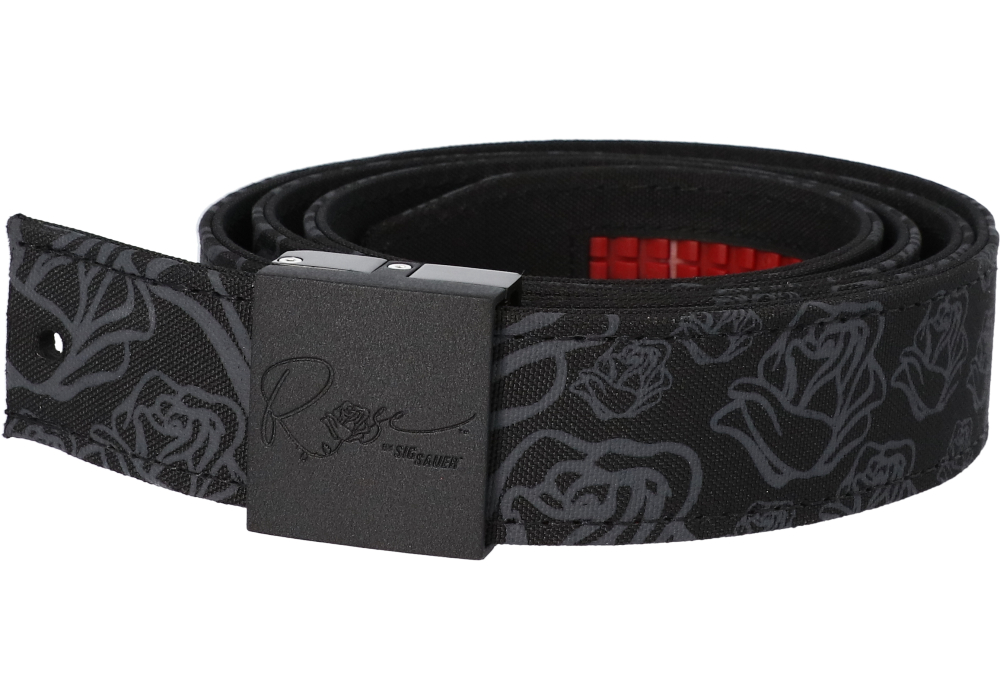
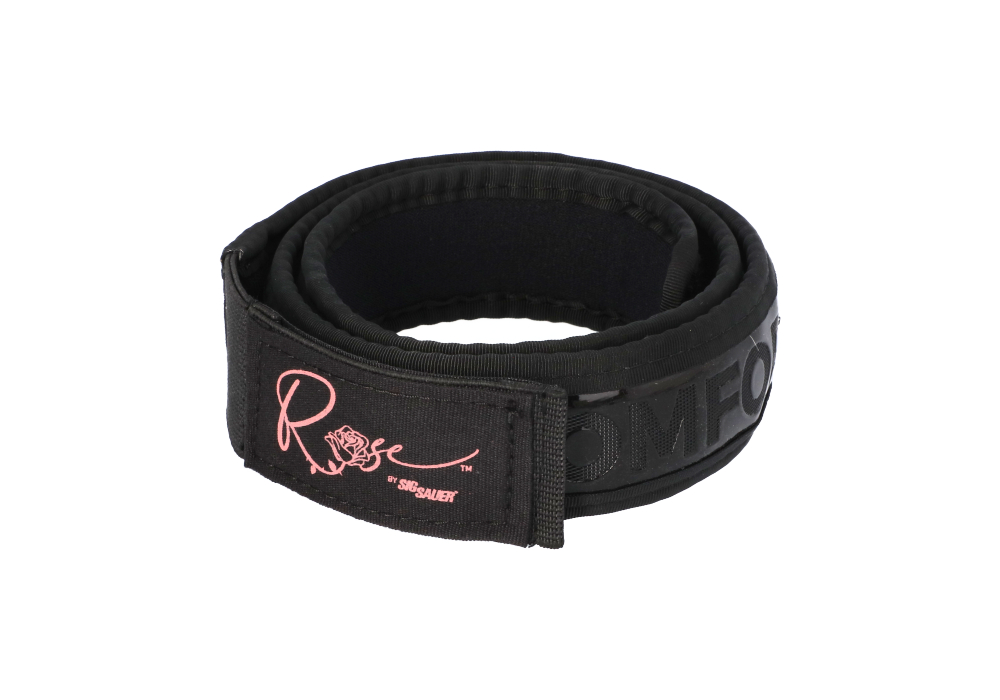
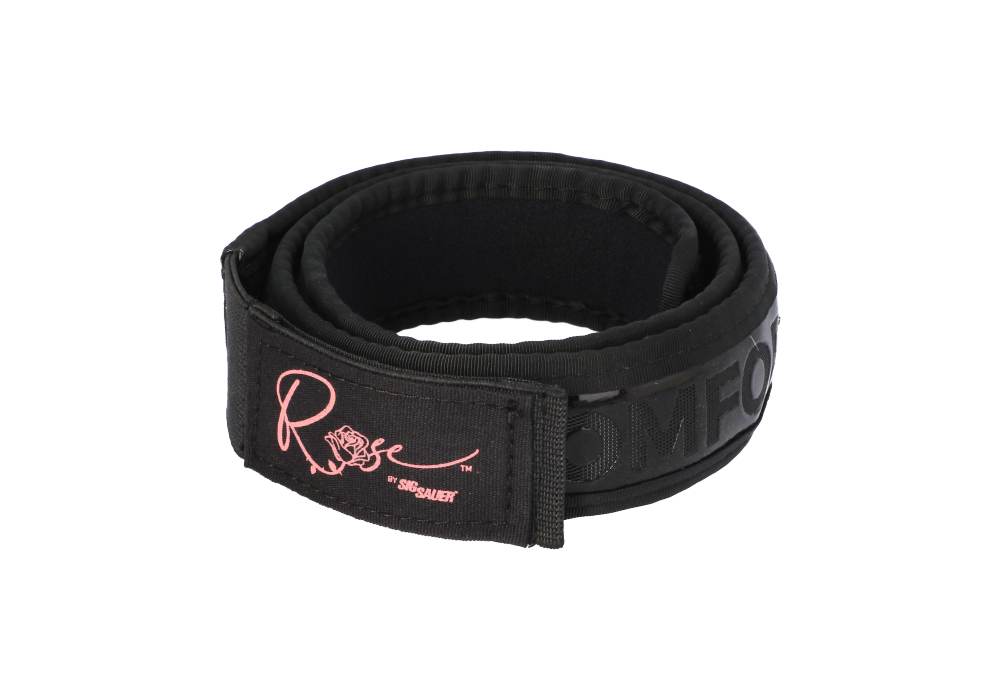
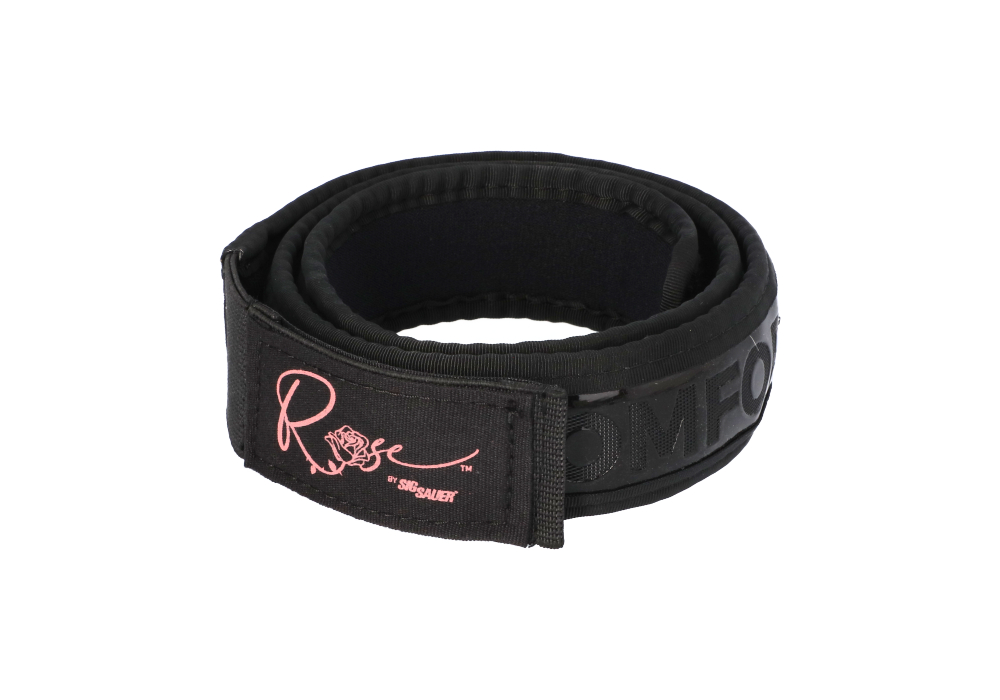
An everyday carry belt provides a stable foundation for the essentials carried throughout the day. Compared with a soft fashion belt, a belt intended for EDC typically offers greater resistance to sagging, twisting, and rolling under the weight of a holster, flashlight, multitool, or other accessories. That support matters when a loaded pocket pulls against a waistband or a belt-mounted accessory shifts while walking. Belts for EDC balance structure with enough flexibility to follow the waist, helping distribute weight without turning every bend or seated position into a pressure point. Reinforced nylon, layered leather, and designs with an internal stiffener approach that balance in different ways. Tightly woven nylon has a practical, understated character and generally stands up well to repeated flexing and surface abrasion. Leather offers a more traditional appearance that pairs naturally with jeans, chinos, or clothing worn in an office, although its performance depends on thickness, construction, and reinforcement rather than appearance alone. An internal polymer stiffener can help a belt resist folding, while reinforced stitching helps hold layered construction together through regular use. More rigidity is not automatically better: a lighter collection of pocket essentials may need less structure than a setup that includes a holster and several belt-mounted accessories. A belt that feels supportive while standing should also remain comfortable during a commute, at a desk, or while reaching for something on a low shelf. The most useful construction is one that supports the actual load without unnecessary bulk. A clean edge, a securely attached buckle, and consistent stitching contribute to the everyday experience just as much as the material itself. These details help distinguish a dependable daily belt from one that looks substantial but struggles to keep its shape once accessories are attached. For someone who wears the same belt from an early commute through an evening out, that balance of support, flexibility, and unobtrusive styling can matter more than an especially heavy or rigid feel.
Fit brings those construction details together. A 1.5-inch width is common among everyday carry belts, but it is not a universal fit for every pair of pants, holster attachment, or accessory loop. Belt width and thickness both affect compatibility, particularly when a reinforced strap must pass through narrow trouser loops or fit securely inside a clip. The buckle needs room, too; a large buckle can feel intrusive at the front of the waist or create a noticeable outline beneath a shirt. Lower-profile hardware can offer a less bulky alternative, while the shape and position of the buckle influence comfort when sitting. Traditional hole-and-prong closures provide familiar operation and defined adjustment points. Ratcheting systems can offer finer adjustments, with some designs using increments of approximately a quarter inch, while other closures use friction or hook-and-loop fastening. The benefit of small adjustments is straightforward: the belt can accommodate slight changes in fit between standing and sitting without requiring a large jump between holes. Secure engagement remains more important than the number of adjustment positions. A closure should hold its setting during ordinary movement, and excess strap should remain controlled rather than curling away from the waist. Sizing also depends on how the belt will be worn. Trouser size alone does not always reflect the length needed for a particular belt, especially when equipment occupies space inside the waistband. Manufacturer sizing information and a measurement taken with the intended clothing and accessories offer a more reliable reference. For concealed carry, the belt and holster function as separate parts of a compatible system: the belt supplies support, while an appropriate holster covers the trigger area and retains the firearm. Belt tension should not substitute for proper holster fit. With any EDC setup, enough room for normal movement matters more than cinching everything as tightly as possible. A waistband that stays level, attachments that remain stable, and a buckle that does not press sharply into the body are practical signs of a better match between the belt, clothing, and carried essentials.
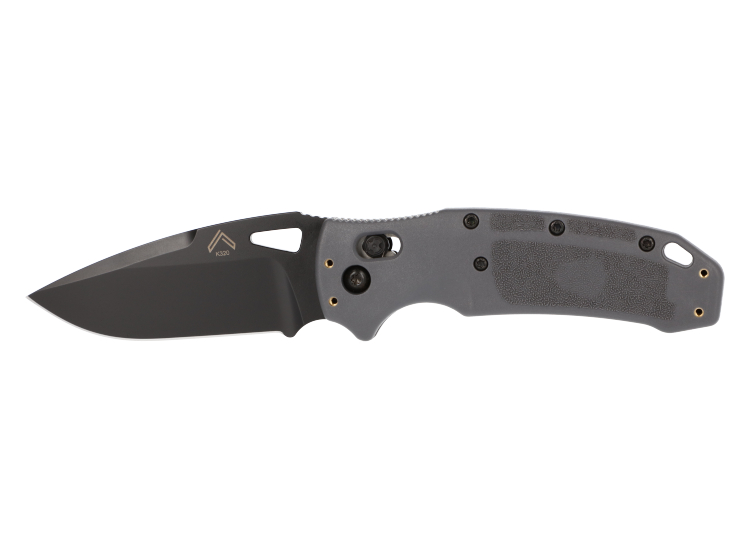
Long-term usefulness comes from matching the belt to its routine and caring for its materials. Someone who spends much of the day driving may value a buckle that stays clear of pressure points and a strap that flexes comfortably around the sides of the waist. Someone moving between a workshop, errands, and an office may prefer a restrained design that does not look out of place with different clothing. A person carrying only keys, a wallet, and a small light may appreciate lighter construction, while heavier belt-mounted equipment calls for more resistance to sag. Related essentials, including those featured in Knives For EDC, also influence the arrangement, since pocket clips and belt sheaths need space without crowding other attachments. Comfort often depends on how those pieces work together rather than on any single accessory. Durability becomes visible at the points that see repeated stress: the buckle connection, adjustment holes or track, stitched edges, and areas contacted by clips. Fraying, loose stitching, cracked leather, or hardware that no longer holds securely can indicate that a belt needs attention or replacement. Routine care should follow the material and the manufacturer's directions. Nylon often benefits from gentle cleaning and thorough air drying, while leather generally needs a suitable cleaner and occasional compatible conditioner rather than soaking or harsh household chemicals. Keeping dirt out of moving buckle components helps preserve smooth operation, and allowing a belt to rest without a tight fold helps protect its shape. An EDC belt can also be a thoughtful gift for someone who values practical accessories, provided the recipient's measurements, preferred buckle style, and usual clothing are known. Adjustable sizing can offer flexibility, but it does not eliminate the need to check dimensions and attachment compatibility. Whether worn for general daily utility or lawful concealed carry, a well-chosen belt earns its place through steady support, reliable fastening, and comfort that holds up across the ordinary movements of a full day.